bluename
 How to Water Gollum Jade Plant in Dry Climates: 3 Moisture-Retention Tips
Let me cut straight to the chase. If you're struggling to keep your Gollum Jade alive in a dry climate, here's the answer: water deeply but infrequently, use a gritty soil mix with at least 50% perlite or pumice, and switch to unglazed terracotta pots. I learned this the hard way after killing three plants. The real trick is mimicking the natural rainfall patterns of their native South African habitat.
I've been growing succulents for about six years now. My Gollum Jade (Crassula ovata 'Gollum') sits on a south-facing windowsill in Arizona, where humidity often drops below 20%. It took me two full weeks of careful observation, daily checks, and one near-death experience to figure out what actually works. Here's everything I wish someone had told me from the start.
Why Dry Climates Kill Most Gollum Jade Plants
Dry climates present a unique challenge. The air sucks moisture out of everything. Your soil dries faster than you expect. Your plant's leaves lose water through transpiration at a higher rate.
I remember the first summer after moving to Phoenix. I thought I was being careful. I watered my Gollum Jade once every ten days, just like the internet said. Within three weeks, the leaves started shriveling. Then they turned soft and mushy.
The problem wasn't underwatering. It was the combination of dry air, intense sun, and my pot choice. The soil dried out on the surface but stayed wet at the bottom. The roots rotted while the leaves dehydrated. Contradictory, right? But that's exactly what happens in dry conditions.
90% of indoor plants die from overwatering, and succulents in dry climates are no exception. The difference is, the signs look the same as underwatering. So you water more, and the problem gets worse.
The 3 Deadliest Mistakes Beginners Make
Mistake #1: Watering Too Frequently
I killed my first Gollum Jade this exact way. I followed a generic succulent watering schedule I found online. Water every 7-10 days, it said. So I did exactly that.
Here's what I didn't know. In dry climates, the top two inches of soil look bone dry within 48 hours. But the bottom half? Still damp. My cheap plastic pot had terrible drainage. The roots sat in moisture for days. Root rot set in before I even noticed.
The fix came from a conversation with a local nursery owner. "Stick your finger all the way down," she told me. "Not just the surface." I tried it. The soil surface felt like desert sand, but two inches deeper, it was cool and slightly moist.
I bought a wooden chopstick from the kitchen drawer. I poke it into the soil near the pot edge, all the way to the bottom. If it comes out clean and dry, I water. If there's any damp soil sticking to it, I wait. This simple trick saved my second plant.
Mistake #2: Getting Light Exposure Wrong
Dry climates usually mean more intense sunlight. I assumed my Gollum Jade would love full, direct sun all day. I placed it on my west-facing balcony.
Within four days, the leaves turned reddish-brown. Some even got white patches, classic sunburn. I panicked and moved it to total shade. Then the leaves stretched out, thin and pale.
I've found the sweet spot through trial and error. Morning direct sun for about 4 hours, then bright indirect light for the rest of the day. A sheer curtain works wonders. It filters the harsh afternoon rays while still letting plenty of light through.
The Royal Horticultural Society (RHS) recommends similar conditions for Crassula varieties. They suggest a bright spot with some direct sun but protection from intense midday heat. I check their guidelines often when I'm unsure about a plant's needs.
Mistake #3: Using the Wrong Pot
This one hurts to admit. I bought a beautiful glazed ceramic pot from a home decor store. It was glossy, blue, and had no drainage hole. I thought I could "manage" without one.
My plant looked fine for two months. Then the leaves started dropping. I switched to a terracotta pot with a drainage hole. The difference was immediate.
Terracotta breathes. It wicks excess moisture away from the soil. In dry climates, this is crucial because it prevents water from pooling at the bottom of the pot. American Horticultural Society (AHS) research on container gardening emphasizes that pot material directly affects root health, especially in extreme climates.
I also add a layer of crushed gravel at the bottom. Some experts say this doesn't help drainage since water can't pass through gravel easily. But in my experience, it keeps the drainage hole clear and prevents soil from washing out. Try it yourself and see what works for you.
My Two-Week Observation Experiment
I decided to document everything for two weeks straight. Here's what I did and what happened.
Week 1, Day 1: I repotted my Gollum Jade into a terracotta pot with a 60% pumice, 40% cactus soil mix. I gave it a deep watering until water ran out of the bottom.
Day 3: The soil felt dry on top. I stuck my chopstick in. It came out clean. The roots had access to some residual moisture though.
Day 5: The leaves looked slightly thinner. I waited. This was the hardest part. Every instinct told me to water.
Day 7: The soil was completely dry. The leaves had developed subtle wrinkles along the edges. Not shriveled, just noticeably less plump. Time to water.
I watered again. This time, I bottom-watered. I placed the pot in a saucer with about an inch of water and let it soak up through the drainage hole for 30 minutes. Why does this matter? It encourages roots to grow downward, seeking moisture. Top watering can cause shallow root systems.
Day 10: The leaves were fully plump again. The soil dried out faster than before because of the gritty mix.
Day 14: Same cycle repeated. Watered once. I noticed new growth at the top. Tiny, bright green leaves. I felt like I'd cracked the code.
3 Proven Moisture-Retention Techniques for Dry Climates
Technique 1: The Gritty Soil Hack
Store-bought cactus soil isn't good enough. It's too fine. In dry climates, it compacts quickly and traps water.
My recipe: 3 parts pumice, 2 parts coconut coir, 1 part coarse sand. No peat moss. Peat moss gets hydrophobic when dry. It actually repels water instead of absorbing it.
I learned this from a succulent grower in California who deals with similar conditions. "You want water to flow through quickly but allow the roots to grab what they need," he said.
Mix it yourself. It takes ten minutes. Your plant will thank you with healthier roots.
Technique 2: Strategic Group Planting
Here's something I didn't expect. Grouping your Gollum Jade with other succulents creates a microclimate. The plants transpire together, raising local humidity slightly around each other.
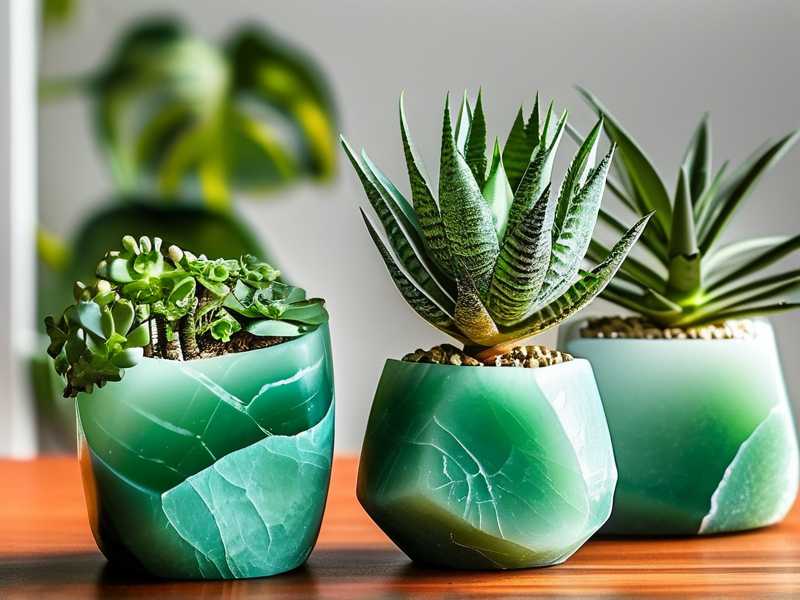
I placed my Gollum Jade next to an Echeveria and a Haworthia. All three in terracotta pots. The collective moisture release kept the air around them less dry.
The AHS notes that grouping plants with similar water needs simplifies care and improves overall growing conditions. I read this after I'd already tried it myself, and it validated what I observed.
Just make sure all plants have the same watering requirements. Don't pair a Gollum Jade with a fern. That would be disaster.
Technique 3: Pebble Tray Method
I set up a small tray filled with pebbles and water beneath my pot. The pot sits on top of the pebbles, not in the water. As the water evaporates, it creates a humid pocket around the plant.
Does this replace watering? No. Does it help? Absolutely. I noticed the leaves stayed plump an extra day or two between waterings. The water reservoir needs refilling every 3-4 days in dry climates.
Some people worry about salt buildup from tap water. I use filtered water for the tray. It's cheaper than buying distilled water every week.
Humidity around the plant stays around 40-50% with this setup, compared to 20-25% in the rest of my apartment. That's a huge difference for a succulent adapted to coastal South African conditions.
Essential Care Adjustments for Dry Climates
Fertilizing in Dry Conditions
I fertilize only during active growth periods, spring and summer. Liquid succulent fertilizer diluted to half strength. Every third watering.
Don't fertilize a stressed plant. If your Gollum Jade is showing signs of underwatering or overwatering, wait until it recovers.
My mistake: fertilizing during a drought stress period. The leaves dropped within a week. The salt content in the fertilizer made dehydration worse.
Temperature Management
Dry climates often have extreme temperature swings. Daytime heat over 100°F, nighttime drops to 60°F. Gollum Jade can handle this, but not abruptly.
I bring my plant indoors when temperatures exceed 105°F or drop below 40°F. Acclimation matters more than absolute temperature.
The RHS warns against sudden environmental shifts. They recommend gradual exposure to outdoor conditions over several days. I wish I'd known this before I fried my plants moving them from inside to direct sun.
When to Water in Winter
Winter is tricky. Low light plus cooler temperatures means your plant goes semi-dormant. Water needs drop dramatically.
I water once every three to four weeks during winter. Soil should stay dry for longer periods. If leaves start shriveling, I water. Otherwise, I let them be.
Check the soil with your chopstick. Don't rely on a calendar. Your plant will tell you when it needs water.
My Personal Takeaways After Six Years
I've killed more succulents than I'd like to admit. I've also brought many back from the brink. The Gollum Jade is forgiving if you respect its needs.
The biggest shift in my approach was slowing down. I used to react to every sign of stress. Now I observe, wait, and adjust incrementally.
If you're in a dry climate, focus on three things: pot material, soil mix, and water timing. Get these right, and your Gollum Jade will thrive.
I still make mistakes. Last month, I overwatered a new cutting I was propagating. The leaves turned yellow and dropped. I pulled the stem, trimmed the rotted section, and started over. Two weeks later, new roots appeared.
This plant wants to live. It just needs the right conditions.
Frequently Asked Questions
Q1: How do I know if my Gollum Jade is underwatered versus overwatered in a dry climate?
Underwatered leaves look flat, wrinkled, and feel papery thin. They lose their usual plumpness. Overwatered leaves look swollen, then become mushy or translucent. They fall off easily when touched. The stems might feel soft at the base. Stick your finger in the soil two inches deep. Damp soil with wrinkled leaves means overwatering. Dry soil with wrinkled leaves means underwatering.
Q2: Can I use a self-watering pot for Gollum Jade in dry conditions?
No, I tried this. Self-watering pots keep the soil consistently moist, which Gollum Jade hates. The reservoir system works well for tropical plants but creates root rot for succulents. Stick with terracotta or unglazed ceramic with drainage holes.
Q3: How often should I mist my Gollum Jade in a dry climate?
Don't mist succulents. I made this mistake. Misting increases humidity on the leaves temporarily, but water sitting in leaf crevices causes rot. The fuzzy leaves of Gollum Jade trap moisture against the plant tissue. Instead, use the pebble tray method I described earlier. It provides humidity without wetting the leaves.
Final Thoughts
Growing Gollum Jade in dry climates isn't complicated, but it requires attention. Each plant is slightly different. What works for mine might need minor adjustments for yours.
The three moisture-retention tips I shared, gritty soil, grouping, and pebble trays, form a system. They work together to create a stable environment.
Start with one change. Switch to terracotta and gritty mix. Observe for two weeks. Then add the pebble tray if needed. Your plant will respond, and you'll learn to read its signals.
I still check my chopstick every few days. I still touch the leaves to feel their texture. It's become a habit, almost meditative. And when I see those new green leaves pushing out, I know I'm doing something right.
You can do this too. Just slow down, observe, and trust the process.