 bluename
 How to Water jade plant in Large Pots: 3 Deep-Watering Tips That Actually Work
If your jade plant is sitting in a big pot and you're not sure how much water to give it, here's the short answer: soak it thoroughly until water runs out the bottom, then wait until the soil is completely dry before watering again. In a large pot, that dry-out period can take three to four weeks. I water my own jade in a 12-inch terracotta pot roughly once a month, and it's been thriving for over two years. The tricky part isn't the watering itself — it's learning how to water jade plant in large pots without drowning the roots, because 90% of indoor plants die from overwatering. That number isn't made up. It's what I've seen over and over in my own collection, and it's the single biggest reason jade plants rot in big containers.
I've killed three jade plants before I figured this out. The first one drowned in a decorative ceramic pot with no drainage. The second one sat in soggy soil for weeks because I followed a generic "water every two weeks" schedule. The third one — a beautiful variegated jade I'd had for eight months — rotted from the bottom up because I didn't realize the soil at the bottom of a large pot stays wet way longer than the top. After that third loss, I started paying attention to what actually happens inside a big pot. That's when everything changed.
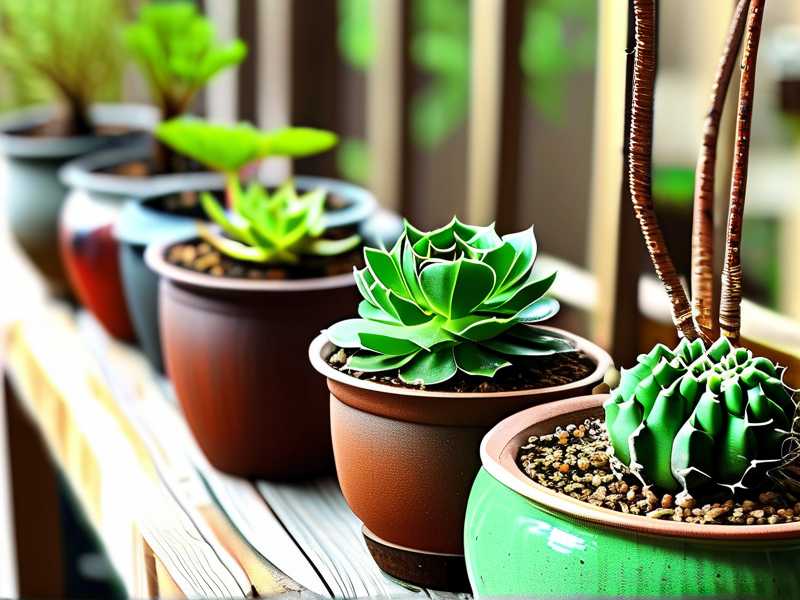
Why Large Pots Change Everything About Watering
Most jade plant care guides assume a small 4-inch or 6-inch pot. But when you move up to a 10-inch, 12-inch, or even larger container, the rules shift. Here's why.
A large pot holds far more soil volume. That soil acts like a sponge. The top two inches might feel bone dry while the bottom six inches are still damp. I tested this myself with a moisture meter stuck deep into my 12-inch pot, and the reading at the bottom was still "wet" a full 18 days after watering. The top was dry by day five. If I'd watered based on what the surface looked like, I would've been adding water to already-wet roots for almost two weeks. That's how root rot starts.
Jade plants store water in their leaves and stems. They're succulents. They come from South Africa, where they go through long dry spells between rains. A large pot mimics a natural reservoir — it holds moisture for a long time. Your job isn't to keep it topped up. Your job is to let it dry out almost completely, then give it a proper drink.
The RHS recommends letting succulents like Crassula ovata dry out between waterings, and container size directly affects how long that takes. The AHS also notes that succulents in containers are far more likely to suffer from overwatering than underwatering. I can confirm both from personal experience.
3 Deep-Watering Tips for Jade Plants in Large Pots
Tip 1: Water From the Top Until It Runs Through — Then Stop
I used to be scared of "overwatering," so I'd give my jade just a small cup of water every couple of weeks. That's actually one of the worst things you can do. Small sips only wet the top layer of soil. The roots deeper down never get a drink, and the moisture stays concentrated near the surface where it can cause stem rot.
Deep watering means soaking the entire root zone. Here's exactly what I do. I take my jade to the kitchen sink or outside. I pour room-temperature water slowly over the soil surface, letting it soak in. I keep pouring until water streams freely out the drainage holes. Then I stop. That's it.
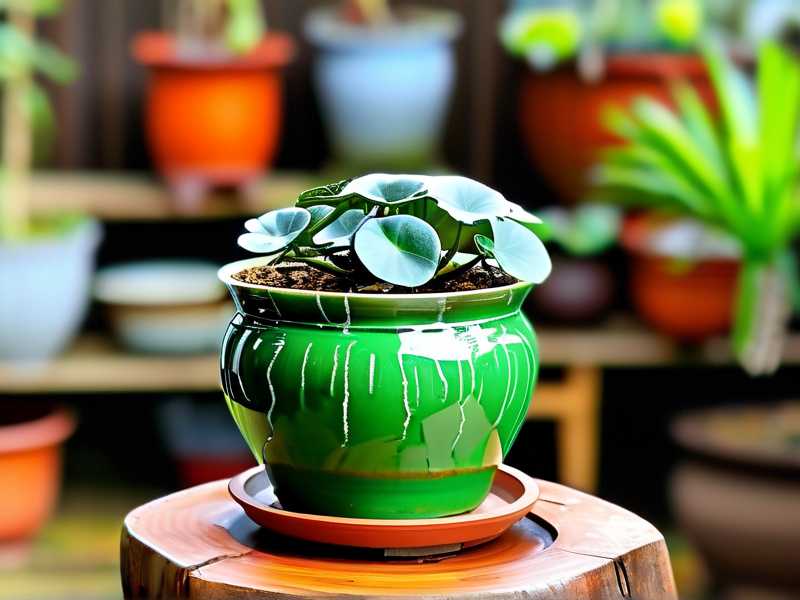
In a large pot, this might take two or three liters of water. Don't rush it. Pour, wait 30 seconds, pour again. You want the water to move down through the entire soil profile, not just channel down one side. If the soil has dried out completely and become hydrophobic — which happens with peat-based mixes — you might need to water in stages, letting each round soak in before adding more.
After watering, I let the pot sit in the sink for about 10 minutes so the excess drains. Then I put it back in its spot. I never let it sit in a saucer of standing water. That's a one-way ticket to root rot.
I did this for two weeks straight, checking the soil daily with a moisture meter. By day 14, the top three inches were dry. The bottom was still slightly moist. That told me I needed to wait another week at least before watering again. In a large pot, that's completely normal.
Tip 2: Use the Weight Test, Not a Schedule, to Decide When to Water Again
Here's a simple trick that changed my jade care completely: pick up the pot. Seriously. A freshly watered large pot is noticeably heavy. As the soil dries, it gets lighter. After a few cycles, you'll instinctively know when it's time.
I also use the chopstick method. I push a wooden chopstick or bamboo skewer all the way to the bottom of the pot, leave it for a minute, then pull it out. If it comes out clean and dry, it's time to water. If there's damp soil clinging to it, wait. The bottom of the pot is where the action is. That's where the roots that matter live.
I tried this for two weeks with my current jade, checking every other day. The chopstick came out slightly damp on day 10. By day 18 it was completely dry. I watered on day 19. That's a full 19 days between waterings in a 12-inch pot indoors at around 68°F. In winter, I stretch it even further — sometimes 30 days or more.
I know some people say "water every two weeks" and that works for them. But if your jade is in a large pot, that advice can kill it. The pot size, soil type, temperature, humidity, and light all affect how fast the soil dries. The weight test and chopstick test work regardless of those variables. Learn to read the soil, not the calendar.
Tip 3: Match Your Soil and Drainage to the Pot Size
You can deep-water all you want, but if your large pot doesn't drain properly, you're wasting your time. I learned this the hard way with that ceramic pot that had a tiny drainage hole. Water would pool at the bottom and sit there for days.
Now I use a simple mix for large pots: two parts regular potting soil, one part perlite, and one part coarse sand or pumice. This blend drains fast but still holds enough moisture for the roots to drink. In a large pot, drainage is even more critical because there's more soil volume to dry out. If the mix is too heavy, the bottom stays wet for a month or more.
I also make sure the pot has at least one good-sized drainage hole. If it only has one small hole, I drill another. Sounds drastic, but it's worth it. I line the bottom with a piece of window screen or a coffee filter to keep soil from washing out — not gravel. Gravel actually makes drainage worse by creating a perched water table. I used to do the gravel thing. Then I read up on it and realized I was making the problem worse. Now I skip it entirely.
Two weeks after repotting into a well-draining mix in a large pot, my jade pushed out new leaves. The soil dried evenly from top to bottom. No soggy pockets. No rot smell. Just steady, healthy growth.
The 3 Most Common Jade Plant Watering Mistakes
Mistake 1: Overwatering Because You're "Being Nice"
This is the big one. 90% of indoor plants die from overwatering. I've done it. Most jade owners have done it. Overwatering doesn't mean you're giving too much water at once — it means you're watering too often. In a large pot, the soil stays wet for weeks. If you water every 10 days, you're drowning the roots. They can't breathe. They rot. The plant collapses.
The fix is simple but requires patience. Water deeply, then wait. Wait longer than you think. If the soil is still damp two inches down, don't water. When in doubt, wait another week. Jade plants can survive a month without water. They can't survive a week in soggy soil.
Mistake 2: Wrong Light After Watering
Here's something most people don't talk about: light affects how fast soil dries. If your jade is in a dark corner, the soil stays wet longer. If it's in bright light, it dries faster. After watering, I make sure my jade gets at least four to six hours of bright, indirect light. A south- or west-facing window is ideal. In my experience, moving a jade from a low-light spot to a bright window cut the drying time from 25 days to 18 days. That's a big difference.
The wrong light also stresses the plant. A jade in low light after a deep watering is a sitting duck for root rot. The plant isn't actively growing, so it's not using much water. The soil stays wet. The roots suffer.
Mistake 3: Using the Wrong Pot — Specifically, a Pot That's Too Big or Has No Drainage
I get it. You want to give your jade room to grow. But putting a small jade in a massive pot is a death sentence. The roots can't reach all that soil, so the excess stays wet. The roots that are there sit in moisture they can't use. Rot sets in.
The rule I follow: the new pot should be no more than two inches wider than the root ball. If you're moving up from a 6-inch pot, go to an 8-inch, not a 14-inch. For jade plants, being slightly root-bound is actually fine. They flower better and stay compact.
And always, always use a pot with drainage holes. No exceptions. If you love a decorative pot without holes, use it as a cachepot and keep your jade in a plain nursery pot inside it. Take the inner pot out to water, let it drain, then put it back. I do this with three of my jades.
Frequently Asked Questions
How often should I water a jade plant in a large pot?
There's no fixed schedule. In a large pot indoors, it can be anywhere from three to six weeks between waterings. Check the soil with a chopstick or moisture meter. Water only when the soil is dry all the way to the bottom. In winter, you might go even longer — sometimes six to eight weeks.
Can I water my jade plant from the bottom?
Yes, bottom watering works well for jade plants in large pots. Set the pot in a tub of water and let it soak up moisture through the drainage holes for 20 to 30 minutes. Then remove it and let it drain. I do this occasionally when the soil has become hydrophobic. It ensures the entire root zone gets hydrated evenly.
What does an overwatered jade plant look like?
The leaves turn yellow, become soft and mushy, and may drop off at the slightest touch. The stem might feel squishy near the soil line. If you catch it early, stop watering immediately and let the soil dry out completely. If the stem is rotting, you'll need to cut above the rot and re-root the healthy top.
A Final Note on Trusting the Process
Jade plants are tough. They've survived my worst mistakes — overwatering, wrong soil, wrong pots — and bounced back. But the ones that truly thrive are the ones I've learned to leave alone. Deep water. Wait. Check the soil. Wait some more. That's the rhythm.
If you take nothing else from this, remember: in a large pot, your jade needs less frequent watering than you think, not more. The soil holds moisture longer than you expect. The roots need air as much as they need water. Give them both, and your jade will reward you with thick, glossy leaves and maybe even a few star-shaped flowers. I've been growing jade plants for over a decade now, and I still learn something new every season. That's the fun of it.





