 bluename
 How to Prune jade plant to Maintain Shape: 5 Form-Preserving Cuts
If your jade plant has turned into a lopsided, spindly mess, you're not alone. I've killed three jade plants over the years before I finally figured out that how to prune jade plant to maintain shape is less about aggressive chopping and more about five specific cuts done at the right time. The good news? You can fix a leggy jade in about 30 minutes of hands-on work, then watch it respond over the next two weeks. I'll walk you through exactly what I do, including the mistakes that cost me years of growth.
Why Jade Plants Lose Their Shape in the First Place
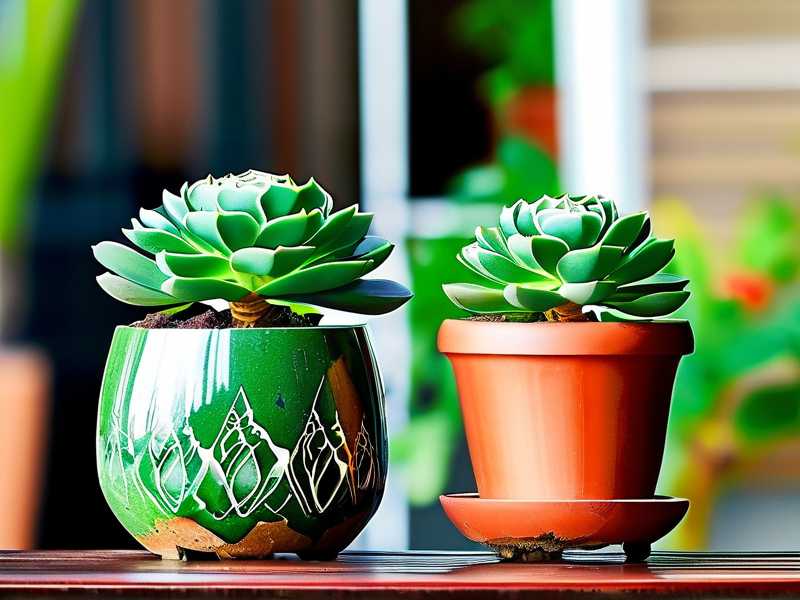
Jade plants (Crassula ovata) are succulents, and they grow toward light. Simple as that.
Indoors, that means one side gets bushier while the other side stretches. Outdoors in warm climates, they can get top-heavy and flop over.
The RHS notes that Crassula ovata naturally develops a woody trunk with age, but without pruning, branches become long and leggy. The AHS backs this up — succulents respond well to structural pruning when done during active growth.
Here's the thing most people miss: jade plants don't need heavy pruning every year. They need targeted cuts that redirect energy. That's what keeps the shape compact and tree-like.
When I first started, I made the mistake of letting my jade grow wild for two years. By then, it had one long arm reaching toward the window and almost nothing on the back side. It looked like a one-sided shrub. Not pretty.
The 5 Form-Preserving Cuts I Use
These are the exact cuts I make to keep my jade looking like a miniature tree instead of a stretched-out stick figure. I do these in late spring or early summer when the plant is actively growing.
Cut 1: The Leggy Branch Cut
This is the big one. Find any branch that's grown too long and out of proportion with the rest of the plant.
Take clean, sharp pruning shears or scissors. Make your cut just above a leaf node or a pair of leaves. The node is where new growth will emerge.
I aim to cut back about one-third of the branch length. Don't go further than that in one session unless the plant is really overgrown.
What happens next: within 7 to 10 days, you'll see tiny new shoots pushing out near the cut. By week two, those shoots are clearly visible. That's the plant redirecting energy into bushier growth.
Cut 2: The Crossing Branch Cut
Look for branches that rub against each other or grow inward toward the center of the plant.
These create wounds, invite pests, and ruin the shape. I snip them right at the base where they connect to the main trunk or a larger branch.
Don't leave a stub. Cut flush but not into the trunk itself.
This opens up the center of the plant, improves airflow, and gives it that clean, structured look. I've noticed fewer pest issues on my jades since I started doing this consistently.
Cut 3: The Top-Node Pinch
This is for controlling height. If your jade is getting too tall and you want it to branch out instead of up, pinch off the top pair of leaves on each main stem.
Use your fingers or clean scissors. Just remove the growing tip.
I do this on young jades especially. It forces the plant to split into two branches at that point. Do it again on those branches later, and you get four. That's how you build a dense canopy.
One warning: don't pinch more than a few tips at once. The plant needs leaves to photosynthesize. Strip too much and growth stalls.
Cut 4: The Sucker and Base Growth Cut
Jade plants sometimes push out tiny shoots near the soil line or low on the trunk.
Some people like these. I don't, because they steal energy from the main structure and make the plant look bushy at the bottom instead of tree-like.
I remove them with a clean snip right at the base. If they're small enough, you can just wiggle them off with your fingers.
If you want a fuller look near the base, keep one or two. Otherwise, off they go.
Cut 5: The Damaged or Diseased Section Cut
Any branch that's soft, discolored, or mushy needs to go. This is often a sign of overwatering or fungal issues.
Cut back to healthy green tissue. Sterilize your shears with rubbing alcohol between cuts if you suspect disease.
I lost a whole jade once because I ignored a soft brown patch on a lower branch. By the time I cut it, the rot had spread into the main trunk. Lesson learned: deal with problems immediately.
What I Observed Over 2 Weeks After Pruning
I pruned my main jade plant using all five cuts on a Saturday morning in late May.
Day 1–3: The plant looked a bit shocked. Leaves near the cuts slightly drooped, which is normal. I didn't water for three days to let the cut surfaces callous over.
Day 4–7: Tiny red-edged shoots started emerging near the cut nodes. The plant was clearly responding. I gave it a light watering — just enough to moisten the soil, not soak it.
Day 8–14: The new shoots doubled in size. The overall silhouette already looked more balanced. The side that had been bare started showing small growth points too.
By the end of two weeks, I could see the new shape taking form. It wasn't fully filled in yet, but the structure was there. Full results take about two to three months, but the direction is set within two weeks.
The 3 Deadly Mistakes I See New Growers Make
I've made all of these. Every single one. So listen up.
Mistake 1: Overwatering
This is the big one. 90% of indoor plants die from overwatering. Jade plants are succulents — they store water in their leaves and stems. They don't need frequent watering.
After pruning, I wait at least 3 to 5 days before watering. The cuts need to callous. Wet soil plus fresh cuts equals rot.
I water my jade maybe once every 10 to 14 days in summer and once a month in winter. That's it. If the leaves look slightly soft, I water. If they're firm and plump, I wait.
Mistake 2: Wrong Light
Jade plants need bright light. Not harsh midday sun through a window that magnifies heat, but bright, indirect light for most of the day.
I once put a jade in a low-light corner because I read they tolerate shade. They survive, but they don't thrive. The branches stretched out, leaves got smaller, and the plant looked pathetic.
Now I keep mine in a south or west-facing window with a sheer curtain. They get 4 to 6 hours of bright light daily. Growth is compact and leaves are thick and glossy.
Mistake 3: Wrong Pot
This one surprises people. Jade plants have shallow, fibrous roots. They don't need a deep pot.
They need a pot that's wider than it is tall, with drainage holes. Terracotta works great because it wicks away moisture.
I used a deep ceramic pot once with no drainage. The soil stayed wet at the bottom, roots rotted, and the plant collapsed within a month. Now I use shallow terracotta pots with a gritty succulent mix.
Also — don't oversize the pot. A pot that's too big holds too much moisture around the roots. Go one size up at most when repotting.
Tools and Timing: What Actually Matters
You don't need fancy tools. Here's what I use:
- Sharp bypass pruners or clean scissors
- Rubbing alcohol for sterilizing
- A small bowl for collecting cuttings
- Cinnamon powder (I use it as a natural antifungal on cut surfaces — just a light dusting)
Timing: late spring to early summer. That's when the plant is growing and can recover fast. Avoid pruning in winter when growth slows.
If you prune in fall or winter, the cuts heal slowly and new growth may not appear until spring. I tried a fall prune once — the plant sat dormant for months with ugly stubs. Not worth it.
What to Do With the Cuttings
Don't throw them away. Jade cuttings root easily.
Let them dry for 2 to 3 days until the cut end callouses. Then stick them in a well-draining cactus mix. Water lightly every week or so.
In about 3 to 4 weeks, you'll feel resistance when you gently tug — that means roots have formed. I've propagated dozens of jades this way and given them away as gifts.
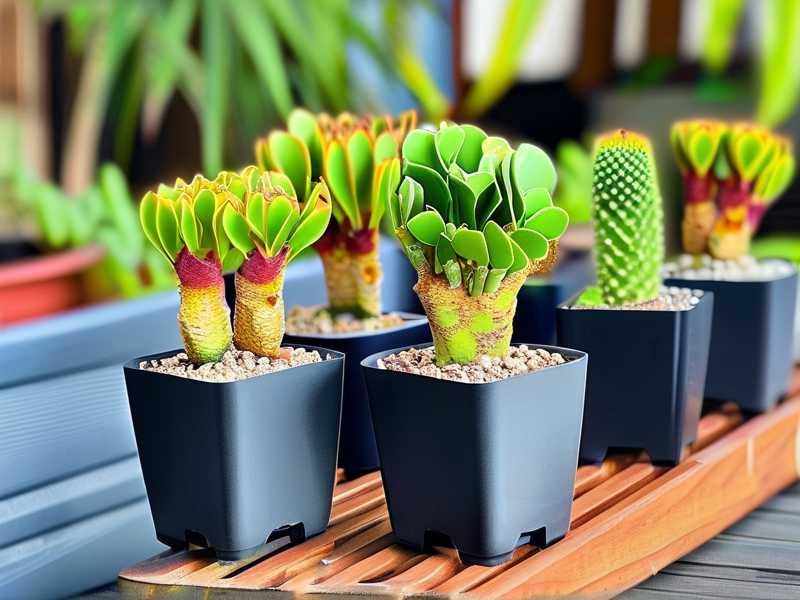
Just don't water the cuttings like regular plants. That's the fastest way to rot them before they root.
Frequently Asked Questions
Can I prune a jade plant that's been neglected for years?
Yes, but do it in stages. Don't remove more than one-third of the total growth in one session. I've rehabbed a severely leggy jade by pruning over two growing seasons. First year, I removed the worst branches. Second year, I shaped what grew back.
How often should I prune to maintain shape?
Light maintenance pruning once or twice a year is enough. I do a main shaping session in late spring and a small touch-up in mid-summer if needed. Don't over-prune — the plant needs leaves to produce energy.
What if my jade plant doesn't show new growth after pruning?
Check three things: light, water, and temperature. If it's in a low-light spot or the soil stays wet, growth will stall. Move it to brighter light, let the soil dry out completely, and wait. If it's winter, just be patient — growth will resume in spring.
The Bottom Line
Keeping a jade plant in shape isn't complicated. It just takes the right cuts at the right time, and then leaving the plant alone to do its thing. The five cuts I use — leggy branch removal, crossing branch removal, top pinching, sucker removal, and damaged section removal — cover almost every shaping situation.
Avoid the three big mistakes: overwatering, wrong light, and wrong pot. Those kill more jades than bad pruning ever will.
Prune in late spring. Wait a few days before watering. Give it bright light. Use a shallow pot with drainage. And watch the new growth appear within two weeks.
That's it. No magic. Just consistent, simple care that lets the plant show you what it can do.





