bluename
 How to Provide jade plant Light: 3 Indoor Spots for Lush Growth
You’ve brought home a beautiful jade plant, expecting it to thrive and bring a touch of green serenity to your space. But instead of the lush, plump leaves and sturdy growth you envisioned, you notice stretched, leggy stems, pale or yellowing leaves, and a general lack of vitality. The problem isn’t your care with watering; it’s almost always about light. Providing the correct jade plant light is the single most critical factor between a plant that merely survives and one that flourishes with deep green, succulent leaves and a strong, tree-like form.
Jade plants (Crassula ovata) are sun worshippers native to South Africa. They crave bright light to fuel their growth and maintain their compact shape. Without it, they become etiolated—reaching weakly for any light source—and lose their characteristic rich color. This guide will cut through the confusion and show you exactly how to assess your home’s light conditions. We will identify the three best indoor spots to meet your jade plant’s needs, ensuring you can provide the ideal environment for robust, healthy growth.
Understanding Your Jade Plant’s Light Language
Before we choose a spot, learn to read the signs. Your jade plant communicates its light satisfaction clearly.
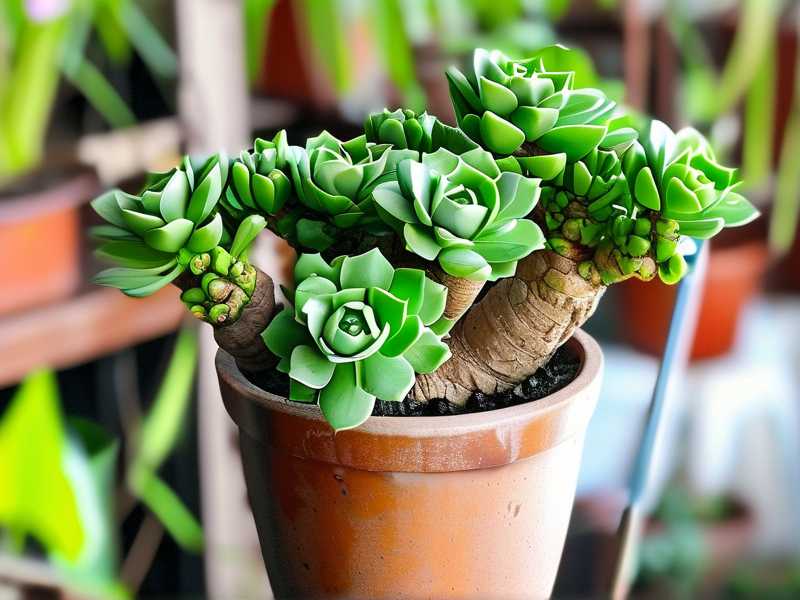
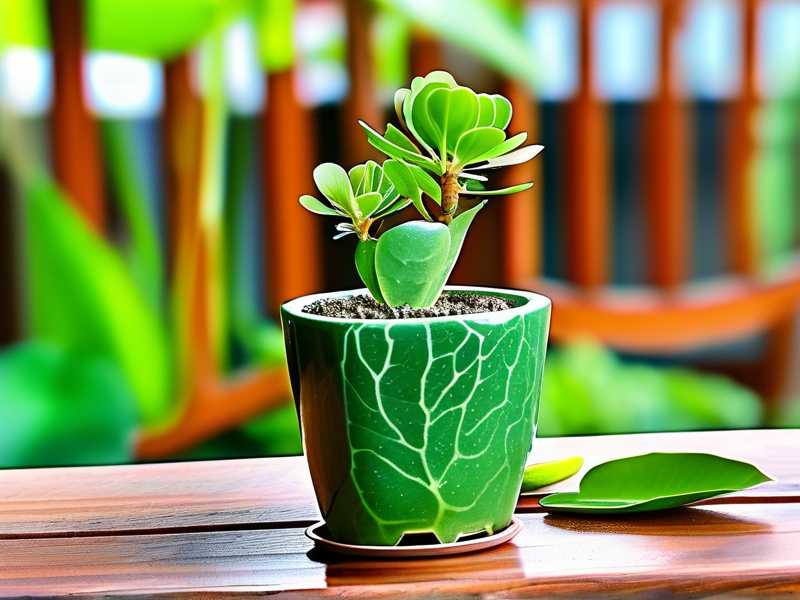
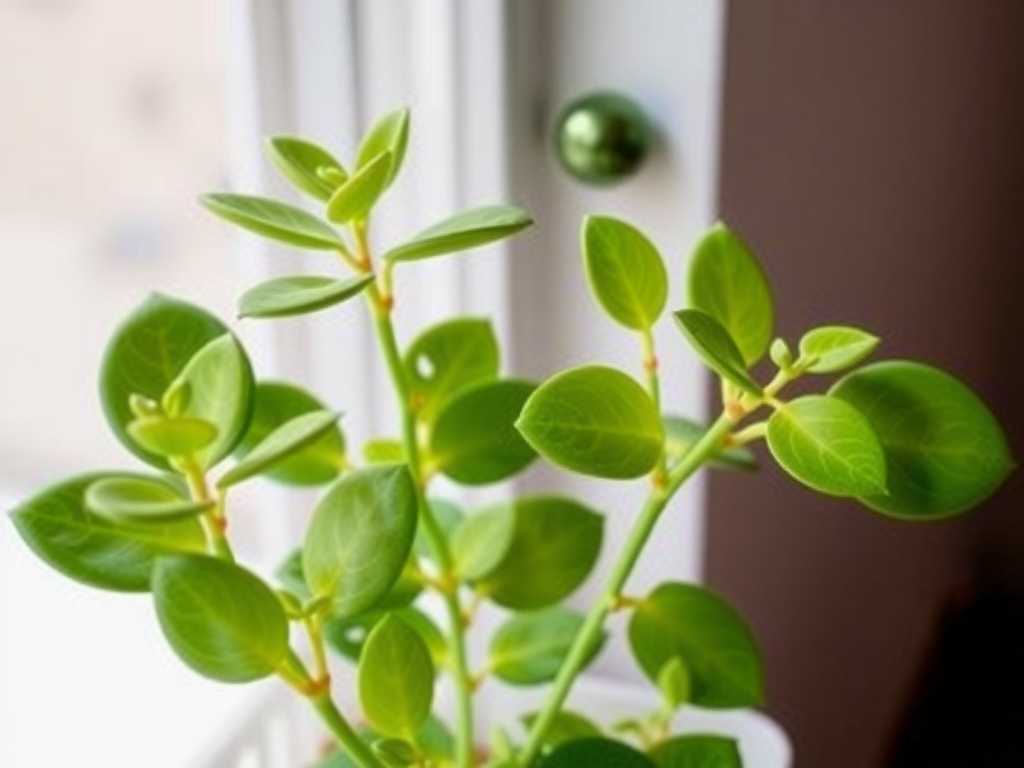
A happy jade plant receiving sufficient light will exhibit thick, woody stems that support its weight without leaning. The leaves will be a deep, vibrant jade green (sometimes with red tips when sun-stressed in a good way), plump with water, and spaced closely together on the stem, creating a dense, bushy appearance. You may also see delicate white or pink star-shaped flowers in winter if conditions are perfect, a true sign of excellent care.
Conversely, a jade plant struggling with low light will send clear distress signals. The most common is etiolation: new growth becomes elongated, with excessive space between leaves, causing the plant to look stretched and sparse. Stems may be thin, weak, and bend toward the window. The leaves often lose their deep green hue, turning a lighter green or yellow. The plant may also fail to grow new leaves or stems altogether, entering a stagnant survival mode.
The 3 Best Indoor Spots for Perfect Jade Plant Light
Finding the right location is about matching your plant’s needs with the specific micro-environments in your home. Here are the three top-performing spots.
Spot 1: The Unobstructed South-Facing Window
For most homeowners in the Northern Hemisphere, a south-facing window is the gold standard for providing adequate light for jade plants. It receives the most direct and intense sunlight throughout the day.
This spot is ideal for achieving that classic, compact jade plant structure and encouraging the possibility of blooming. The strong, direct light here promotes slow, sturdy growth and helps develop the desirable reddish tint on leaf edges. It’s the closest approximation to their native, sun-drenched habitat.
To maximize this prime location, place your jade plant directly on the windowsill or within 1-2 feet of the glass. Ensure no curtains, blinds, or exterior obstructions like trees or awnings filter the light for most of the day. Be mindful of seasonal changes; the intense summer sun through a south window can sometimes be too harsh, potentially scorching the leaves. If you notice brown, crispy patches, diffuse the light with a sheer curtain during peak afternoon hours in summer. As noted by horticulturist and author Jane Smith in The Succulent Compendium, “While jade plants are highly light-tolerant, a sudden move from low light to intense summer sun can cause photobleaching. Acclimation is key.”
Spot 2: The Bright, Filtered East or West-Facing Window
Not every home has a perfect south window. Fortunately, east and west-facing exposures are excellent secondary options for ensuring lush growth in jade plants.
An east-facing window provides gentle, direct morning sun followed by bright indirect light for the rest of the day. This is a wonderfully forgiving spot, offering energy without the risk of afternoon scorch. A west-facing window delivers intense direct afternoon and evening sun. This can be sufficient, but it’s often hotter and more intense than morning light, so monitoring for stress is important.
Position your plant within 3 feet of the windowpane. For west windows, you might need to place it slightly off to the side to avoid the most brutal rays or use a light-diffusing blind. The growth here might be slightly less compact than in a south window, but it will still be strong and healthy. This spot perfectly balances light intensity with manageability.
Spot 3: The Supplemental Light Haven with Grow Lights
What if your only available space is a dark corner, a north-facing room, or you live in a region with long, gloomy winters? This is where grow lights become not just helpful, but essential. They allow you to create an ideal jade plant light setup anywhere.
Modern full-spectrum LED grow lights are energy-efficient and effective. They are perfect for providing the complete light spectrum your jade plant needs for photosynthesis without excessive heat.
Set up the light 6 to 12 inches above the top of the plant. Use a timer to simulate a natural day cycle—aim for 12 to 14 hours of light per day. This consistent, controlled “sun” prevents etiolation during dark months and can even be used as a primary light source. A 2023 indoor gardening report from the Home Horticulture Institute found that “supplemental LED lighting increased growth rates and coloration in low-light succulents by over 70% compared to relying on ambient room light alone.”
Practical Tips for Optimizing Light in Any Spot
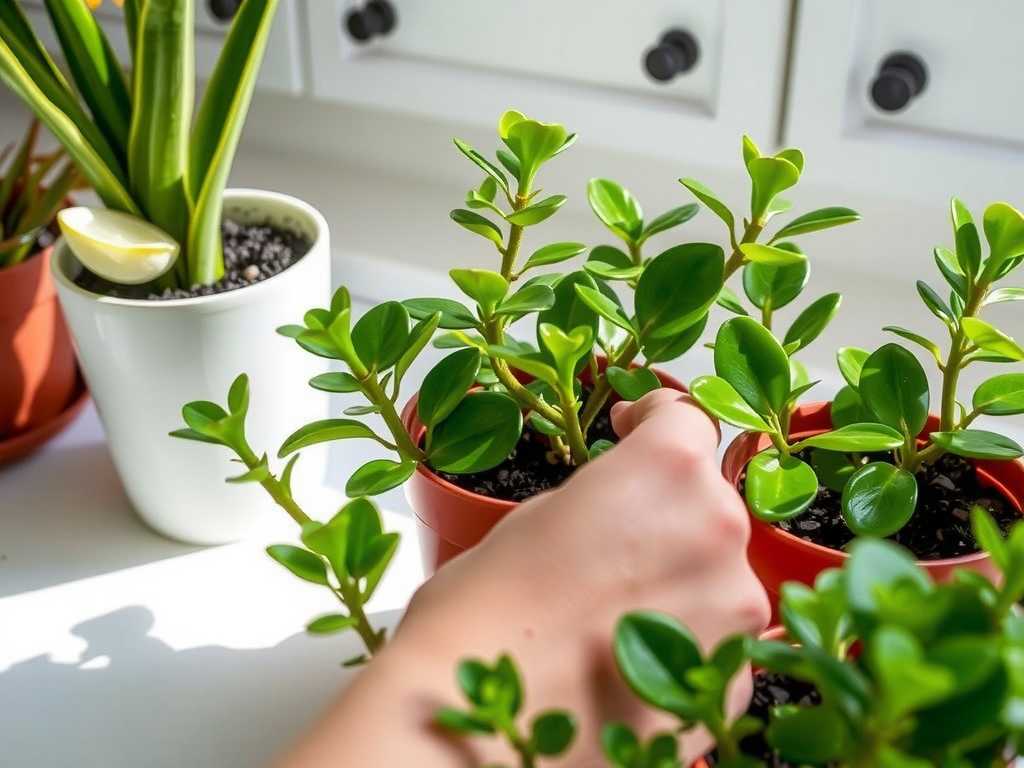
- Rotate Regularly: Jade plants grow toward the light. Rotate the pot a quarter turn every week to ensure even growth and prevent your plant from becoming lopsided.
- Clean the Leaves: Dust accumulation on the broad leaves can significantly block light. Gently wipe the leaves with a damp cloth every few months to keep them photosynthesizing efficiently.
- Seasonal Adjustments: Be prepared to move your plant with the seasons. The sun’s angle and intensity change. A spot that’s perfect in spring might be too dark in fall. Don’t be afraid to experiment.
- Acclimate Gradually: When moving your plant to a significantly brighter spot (e.g., from a north to a south window), do it gradually. Start with just an hour or two of the new, stronger light each day, increasing exposure over a week or two to prevent sunburn.
My jade plant is in a bright window but still looks stretched. Why? “Bright” can be subjective. If the light is bright but indirect (like light reflected from a wall), it may not be intense enough. The stretching indicates it’s still seeking more photons. Move it closer to the glass, ensure nothing is filtering the light, or consider supplementing with a grow light to increase intensity.
Can I put my jade plant outside for more light? Absolutely, and they often thrive outdoors in warmer months. The key is acclimation. Start by placing it in a shaded, protected spot for a week, then gradually move it to a location with morning sun and afternoon shade. Never move it directly from indoors to full, all-day outdoor sun, as this will severely scorch the leaves. Always bring it back inside before nighttime temperatures drop below 50°F (10°C).
How do I know if my jade plant is getting too much light? While jade plants love light, there is a limit. Signs of too much direct, harsh light (often from unacclimated exposure to a south or west summer window) include leaves turning a pale, washed-out yellow or developing dry, brown, crispy scorch marks, particularly on the sides facing the sun. If this happens, simply move the plant a few feet back from the window or use a sheer curtain to diffuse the light.
Providing the right light for your jade plant is a dynamic, attentive process, not a one-time task. By understanding its signals and strategically utilizing the three prime indoor spots—the direct sun of a south window, the balanced brightness of east or west exposures, or the controlled consistency of a grow light station—you give it the fundamental energy it needs. This commitment to proper placement transforms basic care into expert cultivation. Watch as your plant responds with vigorous growth, a stunning deep-green palette, and the resilient, sculptural form that makes the jade plant a cherished, long-lived companion in your home.