bluename
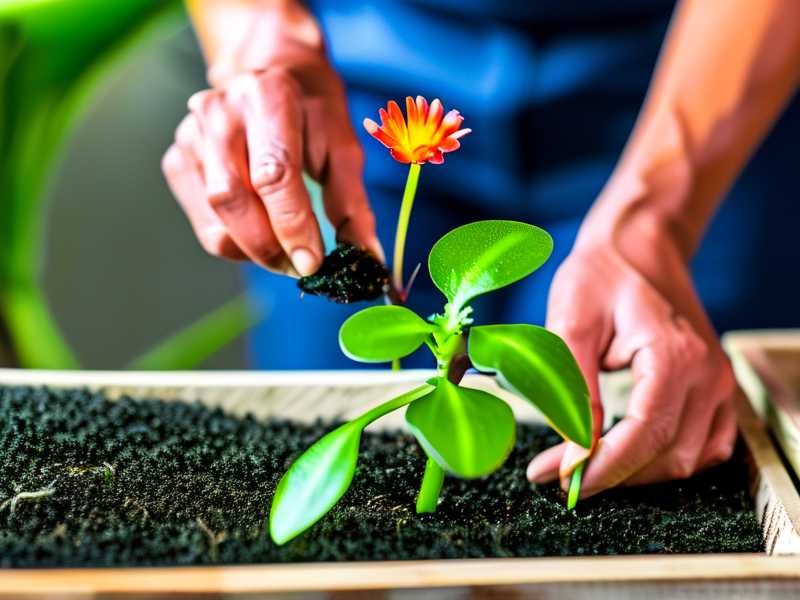
 I still remember the first time I tried to propagate jade plants from leaves. I laid six plump leaves on a saucer, misted them daily, and waited. Two weeks later, every single one had turned to translucent mush. That failure taught me something crucial: jade leaf propagation isn't about doing more, it's about doing less at the right time. If you want to know how to propagate jade plant from leaves, the answer sits in three steps: let the leaf callus, tuck it into dry gritty soil, and water only when roots appear. That's the short version. The rest of this article gives you the full picture, including the mistakes I made so you don't have to repeat them.
Jade plants, or Crassula ovata, are some of the most forgiving succulents you can grow indoors. They're slow, sturdy, and almost sculptural. Their thick oval leaves and woody stems make them look like tiny trees. That's probably why so many people call them money plants or friendship trees. They're not hard to keep alive, but they are surprisingly easy to kill with kindness. In fact, one rule I've learned the hard way applies to almost every houseplant: 90% of indoor plants die from overwatering. That single fact shapes everything about jade care, including propagation.
Why Jade Leaves Are So Good at Propagating (When You Let Them)
Jade leaves are built for survival. Each leaf stores water, which means a single leaf can stay alive for weeks without soil, light, or moisture. That's exactly why leaf propagation works, but also why it fails when you interfere too much.

I've propagated jade leaves in three different ways: water, soil, and the lazy "forget about it" method. The lazy method wins every time. The RHS notes that succulents like Crassula ovata root best in dry, well-draining conditions, and my experience backs that up completely. The AHS also recommends letting cuttings callus before planting, which is the single most overlooked step for beginners.
Here's what most people don't realize: a jade leaf doesn't need water to grow roots. It needs air, warmth, and patience. Water too early and the leaf rots from the inside out. I've killed at least a dozen leaves this way before I finally understood.
The 3 Leaf Cutting Steps That Actually Work
Step 1: Pick and Twist the Right Leaf
Not every leaf will work. I look for leaves that are:
- Firm and plump, not wrinkled or soft
- At least the size of a thumbnail
- Attached with a clean base, no torn edges
The best time to take a leaf is in spring or early summer, when the plant is actively growing. I gently twist the leaf side to side until it pops off with a clean break. If it tears and leaves a bit of stem behind, don't panic. It can still work, but the success rate drops.
I place the leaves on a dry paper towel in a bright spot away from direct sun. Then I do nothing for 3 to 7 days. This is the callus phase. The broken end dries and scabs over, which prevents rot.
One time I skipped this step entirely because I was impatient. Every leaf turned brown and mushy within four days. Lesson learned.
Step 2: Tuck the Leaf into Dry Gritty Soil
Once the cut end feels dry and leathery, it's ready. I use a small pot filled with a mix of:
- 2 parts cactus or succulent soil
- 1 part perlite
- 1 part coarse sand
I don't bury the leaf. I just lay it flat on the surface or rest the callused end slightly into the soil. That's it. No watering. No covering. No dome.
I keep the pot in bright, indirect light. A south or east window works well in most homes. If the light is too weak, the leaf won't die, but it won't root either. It just sits there. I've had leaves sit for six weeks before showing any sign of life.
Step 3: Wait for Roots, Then Water Lightly
This is the part that tests your patience. I check the leaf every few days by gently lifting it. At first, nothing. Around the two-week mark, I usually see tiny pink or white roots emerging from the callused end.
That's when I start watering. Not soaking. Just a few drops around the root zone every 7 to 10 days. The soil should dry out completely between waterings.
I remember one batch where I got excited and watered right after seeing the first root. The root turned brown and the leaf shriveled within a week. Overwatering kills propagation faster than neglect.
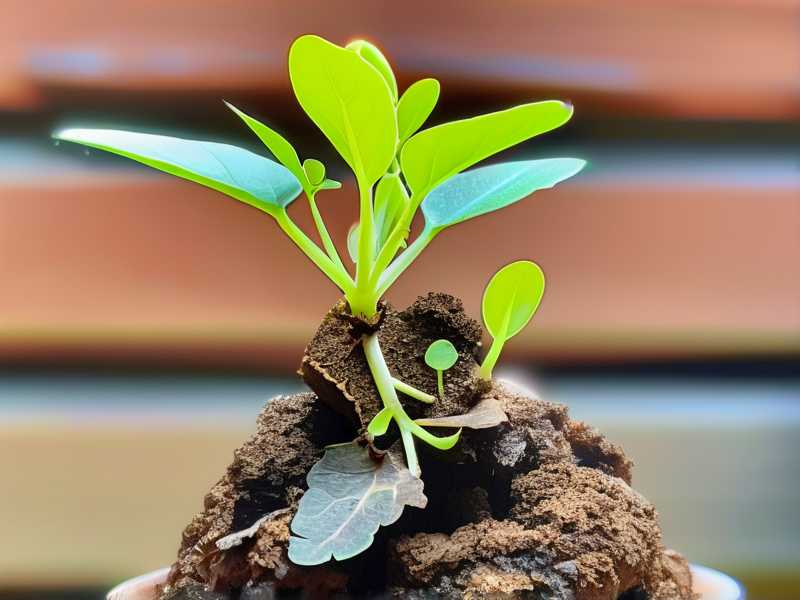
After about 4 to 6 weeks, a tiny rosette of new leaves appears at the base of the parent leaf. That's your new jade plant. The original leaf will eventually shrivel and drop off. That's normal. It's giving its energy to the baby.
The 3 Deadly Mistakes Beginners Make (I Made All of Them)
1. Watering Too Much, Too Soon
I've already said it, but it's worth repeating. Jade leaves don't need water until they have roots. Even then, they need very little. Most people mist their leaves daily, which is the fastest way to rot. I did this for two weeks straight on my first attempt. Every leaf was dead by day ten.
2. Light That's Too Strong or Too Weak
Jade leaves need bright, indirect light. A windowsill that gets four to six hours of soft light is ideal. Direct afternoon sun can scorch a leaf that has no roots to replenish its moisture. On the other hand, a dark corner will stall growth completely. I once put a tray of leaves on a north-facing shelf. Eight weeks later, they looked exactly the same. No roots, no rot, no progress.
3. Using the Wrong Pot or Soil
A big pot with dense potting soil is a death sentence. The leaf sits in moisture it can't use. I use small 2-inch pots or even egg cartons with drainage holes. The soil must drain fast. If water pools on the surface for more than a few seconds, your mix is too heavy.
I killed my third jade propagation batch because I used regular houseplant soil in a ceramic pot with no drainage hole. The leaves sat in soggy dirt for a week. Game over.
What I Learned After Two Weeks of Observation
I kept a simple journal for one batch of eight leaves. Here's what happened:
- Day 1: Leaves callused on a paper towel
- Day 4: Moved to dry soil mix
- Day 7: No change, leaves still firm
- Day 10: Two leaves showed tiny root nubs
- Day 14: Five leaves had visible roots, three showed nothing
By week four, four of the eight had tiny rosettes. The other four eventually rooted but took twice as long. The difference? The faster ones were slightly larger and came from a plant that gets morning sun. The slower ones were smaller and from a shadier spot.
That told me something important: leaf size and mother plant health matter more than any technique.
Light, Water, and Soil for Jade Plants (The Basics That Keep Them Alive)
Light
Jade plants want at least four hours of bright light daily. A south-facing window is great if you diffuse the light with a sheer curtain during summer. In winter, move them closer to the window. If the stems stretch and leaves space out, they're not getting enough light. If leaves develop brown or red edges, they're getting too much direct sun.
Watering
The soak-and-dry method works best. Water thoroughly until it runs out the drainage hole, then wait until the top inch or two of soil is bone dry. In summer, that might mean watering every 10 to 14 days. In winter, once every three to four weeks. I always check the soil with a wooden skewer before watering. If it comes out clean and dry, I water. If there's any moisture, I wait.
Soil and Repotting
A gritty mix is non-negotiable. I use equal parts cactus soil, perlite, and coarse sand. Repot every two to three years in spring. Choose a pot that's only slightly larger than the root ball. Jade plants actually prefer being a bit root-bound. A pot that's too big holds too much moisture and invites rot.
Fertilizing Jade Plants Without Overdoing It
Jade plants are light feeders. I use a balanced liquid fertilizer diluted to half strength once in spring and once in early summer. That's it. No feeding in fall or winter. If the plant is sick, stressed, or newly repotted, skip fertilizer entirely. More isn't better. I once fertilized a struggling jade and watched it decline faster. The salts in the soil burned the roots.
Seasonal Care for Jade Plants
Spring
This is the season for growth. I water more regularly, start fertilizing, and repot if needed. It's also the best time to take leaf cuttings. I prune any leggy stems to encourage bushiness. Each pruning cut can become a new plant.
Summer
Jade plants can handle warm temperatures, but they need protection from harsh afternoon sun. I move mine slightly back from the window or use a sheer curtain. Watering increases slightly, but I'm always careful not to overdo it. Good airflow is key. I open a window nearby or use a small fan on low.
Fall
Growth slows down. I reduce watering and stop fertilizing by mid-fall. This prepares the plant for winter dormancy. I also clean up any fallen leaves and check for pests before bringing plants indoors.
Winter
This is the danger zone. Cold drafts, low light, and short days stress jade plants. I keep mine in the brightest spot possible and water sparingly. Once a month is often enough. I never fertilize in winter. If your home gets below 50°F at night, move the plant away from windows.
Common Problems and Fixes
Yellow leaves: Usually overwatering. Let the soil dry completely and check for root rot.
Mushy stems: Rot. Cut back to healthy tissue, let it callus, and restart.
Wrinkled leaves: Underwatering. Give a thorough soak and wait.
Brown spots: Sunburn or fungal issue. Move out of direct sun and improve airflow.
Pests: Mealybugs and spider mites are the usual suspects. Wipe leaves with rubbing alcohol and isolate the plant.
Frequently Asked Questions
Can I propagate jade leaves in water? You can, but I don't recommend it. Leaves often rot before roots form. Soil propagation is slower but far more reliable.
How long does it take for jade leaves to root? Usually two to four weeks in warm, bright conditions. Some leaves take longer. Patience is everything.
Do I need rooting hormone? No. Jade leaves root fine without it. I've tried both ways and saw no real difference.
If you've ever killed a jade leaf by loving it too much, you're in good company. I've killed more than I can count. The trick is to stop treating propagation like a race and start treating it like a waiting game. Dry air, gritty soil, bright light, and very little water. That's the whole secret. Once you see that first tiny root, you'll understand why it's worth the wait.