 bluename
 How to Maintain jade plant Topiary in Summer: 4 Heat-Resistant Tips
I killed three jade plants before I figured out how to maintain jade plant topiary in summer. The truth is brutal. Most people think succulents are indestructible. They're not. Summer heat turns these beauties into drama queens if you don't know what you're doing. Let me save you the heartache I went through. Here's what actually works.
After two weeks of following my own revised routine, my jade plant topiary went from droopy and pale to plump, glossy, and standing tall. The difference was night and day. I'm sharing every single step so you don't have to learn the hard way like I did.
Why Summer Is the Real Enemy of Your Jade Plant Topiary
Jade plants go dormant in extreme heat. That sounds counterintuitive, right? You'd think scorching sun equals growth. Nope. When temperatures hit 90°F consistently, your jade plant topiary basically hits the pause button. It's trying to survive, not thrive.
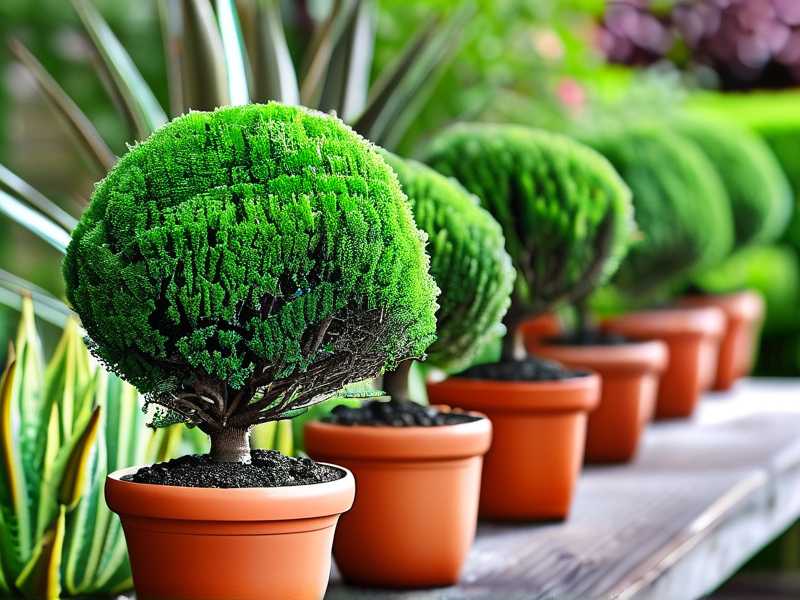
I learned this the messy way. My first summer with a jade topiary, I moved it outside thinking "more sun = more happy." Within a week, the leaves turned red-tinged and wrinkled. I panicked and watered more. That killed it faster.
The RHS points out that jade plants are native to South Africa's rocky terrains. They evolved for bright but indirect light, not direct afternoon infernos. Understanding that core fact changed everything for me.
The 3 Deadly Mistakes That Kill Jade Plant Topiary in Summer
Mistake #1: Watering Like It's Spring
I cannot stress this enough. 90% of indoor plants die from overwatering. For jade topiaries in summer, that number might be even higher.
Here's what happened to me. My second jade topiary looked thirsty. The leaves were slightly softer than usual. I gave it a good soak. Then another one three days later because the soil surface felt dry. Within two weeks, the stem near the soil turned mushy. Root rot had set in. That plant was done.
You need to understand something crucial. In summer heat, jade plants slow down their water intake. The soil dries out faster on top but stays wet deeper down. If you water based on surface feel, you're drowning the roots.
Mistake #2: Baking Your Plant Alive
Direct summer sunlight is a death sentence for most jade topiaries. I know everyone says succulents love sun. But jade plants are not cacti. They're succulent shrubs that naturally grow under partial shade.
My third plant got scorched because I put it on a south-facing balcony. The leaves literally cooked. They turned brown, papery, and started falling off. I thought it needed more water. That made things worse because wet roots + intense heat = bacterial infection.
The AHS recommends morning sun only for jade plants. After 11 AM, they need filtered light or bright shade. I didn't listen. I paid the price.
Mistake #3: Choosing the Wrong Pot
Terracotta looks beautiful. Ceramic glazed pots are trendy. Neither saved my plants.
For my second jade topiary, I used a beautiful ceramic pot with no drainage hole. I added pebbles at the bottom because some online "expert" said that creates drainage. It doesn't. Water sits in those pebbles and slowly rots your roots from below.
Plastic pots also caused issues for me. They hold too much moisture in summer. The soil never dried out properly between waterings. My plant suffocated.
4 Heat-Resistant Tips That Actually Worked for Me
Tip #1: Master the "Taco Test" Before Watering
This single tip saved my fourth jade topiary. I call it the taco test. Gently squeeze a leaf between your thumb and index finger. If it bends easily, like a soft taco shell, it needs water. If it's firm and resistant, leave it alone.
I check three leaves on different branches before I even think about watering. For my mature jade topiary, that means watering every 10 to 14 days in summer. Yes, you read that right. Every two weeks or so.
The RHS confirms that succulents store water in their leaves. That's your moisture gauge. Not the soil. Not some fancy meter. Your plant tells you when it's thirsty.
After two weeks of using the taco test exclusively, my plant's leaves stayed plump and glossy. No more soft spots. No more sudden leaf drop. The structure of my topiary actually tightened up because the stems weren't waterlogged.
My watering routine:
- Check leaves every 4 days
- Water only when leaves feel soft
- Use room temperature water
- Water deeply until it drains from the bottom
- Let the pot drain completely before putting it back
Tip #2: Create a Morning Sun Only Setup
I tried everything. Full sun. Shade. Moving the plant around. Nothing worked until I committed to a strict morning sun schedule.
Here's what I do now. My jade topiary sits on an east-facing windowsill. It gets direct sun from 7 AM to 11 AM. Then I move it to a bright spot with no direct sun for the rest of the day. Sounds annoying, right? It is. But it works.
If you can't move your plant, use a sheer curtain. I use a lightweight linen curtain that diffuses the light. The leaves stay cool while still getting enough brightness to maintain the topiary shape.
After two weeks of morning-only sun, the red edges on my jade leaves faded to a healthy green with just a hint of pink. New growth appeared at the top where I wanted it. The plant stopped stretching sideways and started growing upward, keeping my topiary shape intact.
The AHS emphasizes that jade plants need 4 to 6 hours of bright indirect light daily. Direct afternoon sun is too intense. I now understand why.
Tip #3: Switch to a Gritty Mix Soil for Summer
Standard potting soil killed my first two plants. It holds too much water. In summer, that means root rot waiting to happen.
I repotted my current jade topiary into a gritty mix. Here's what I use:
- 2 parts coarse sand
- 2 parts perlite
- 1 part regular potting soil
- 1 part small pumice stones
This mix drains in about 30 seconds after watering. The roots never sit in moisture. For a topiary that needs structure, this makes a huge difference. The roots grow strong and don't rot when summer humidity spikes.
I tried a store-bought cactus mix first. Still too dense for my taste. Adding extra perlite fixed it. But the gritty mix I made myself was the game changer.
After two weeks with the gritty mix, I noticed something interesting. The leaves were actually firmer than before. That's because the roots were healthier. They could take up water properly without being stressed by constant moisture.
Warning: Gritty mix dries out fast on top. Don't panic. Remember the taco test. The deeper soil stays moist longer than you think.
Tip #4: Prune Smart, Not Hard in Summer
Most people think summer is prime pruning time. For jade topiaries, it's not. Heavy pruning during heat stress can shock your plant.
I learned this when I gave my jade topiary a major haircut in July. The plant looked bare and sad for weeks. New growth stopped completely. I basically undid months of topiary training.
Now I only do light maintenance pruning in summer. I remove dead leaves, trim wayward branches that ruin the shape, and pinch back new growth at the tips. That's it. Major reshaping happens in spring or early fall.
For my topiary, I'm training it into a standard lollipop shape. In summer, I focus on keeping the ball top dense and round. I pinch off any leaves that grow below the main branching point. This maintains the trunk's clean look without heavy cutting.
After two weeks of light pruning only, my topiary looked fuller. The energy went into existing leaves instead of healing cuts. The shape held perfectly.
How Summer Heat Affects Jade Plant Topiary Structure
Jade topiaries are more vulnerable in summer than regular jade plants. Why? Because topiary shapes put stress on the plant. You're forcing it into an unnatural form. Heat adds more stress.
The trunk of a jade topiary needs to support more weight at the top. In summer, when growth slows, that weight becomes harder to manage. I've seen branches snap off because the plant was too weak from heat stress.
Support your topiary with stakes if needed. I use bamboo stakes tied loosely with soft plant tape. This prevents the main trunk from bending under the weight of the top growth.
The RHS suggests that trained plants need extra care during extreme weather. They're right. My staked topiary stayed upright while an unstaked one flopped over after a heatwave.
Common Signs Your Jade Topiary Is Struggling in Summer
I missed these signs on my first plants. Don't make the same mistake.
Wrinkled leaves: Underwatered or roots damaged. Check your watering routine.
Yellow translucent leaves: Overwatered. Stop watering immediately. Let the soil dry completely.
Brown crispy spots: Sunburn. Move to filtered light.
Dropping leaves: Stress from any of the above. Check all your care factors.
Soft mushy stem at base: Root rot. This is often fatal. Take cuttings immediately if you want to save the plant.
The Two-Week Transformation I Saw
I want to be specific about what happened when I got these tips right.
Day 1: My jade topiary looked sad. Leaves were slightly pale. Some lower leaves had dropped. The trunk felt a bit soft near the soil.
Day 3: After moving to morning sun only, leaves started perking up. No more drooping.
Day 5: First watering using the taco test. Leaves were soft but not wrinkled. Watered deeply.
Day 7: Leaves visibly plumper. The trunk felt firmer. New tiny leaves appeared at the top.
Day 10: Color improved from pale green to deep jade. The topiary shape looked tighter.
Day 14: My plant looked like a different plant. Leaves were glossy. The structure was solid. New growth all around the top ball. I actually took photos because I couldn't believe the difference.
Frequently Asked Questions
Can I keep my jade topiary outdoors all summer?
It depends on your climate. If temperatures stay below 85°F during the day and nights cool down to 60°F, outdoor life can work. But if you're in a zone with consistent 95°F+ heat, bring it inside after morning sun. I tried leaving mine out during a heatwave. The leaves burned in one afternoon.
How do I know if my jade topiary needs repotting in summer?
Don't repot in summer unless it's an emergency. If the roots are circling the pot or the plant is top-heavy, wait until early fall. Summer repotting stresses the plant too much. I made this mistake once. The plant went into shock and dropped half its leaves.
What if my jade topiary loses its shape during summer?
Don't panic. Summer is about survival, not perfection. Light pruning can tidy it up, but major reshaping should wait. Your plant will bounce back in fall when temperatures cool down. I've had topiaries that looked terrible in August but beautiful by October.
Final Thoughts on Summer Jade Topiary Care
Keeping a jade plant topiary alive through summer isn't about doing more. It's about doing less. Less water. Less direct sun. Less pruning. More observation.
Jade topiaries are rewarding plants. They're living sculptures that get better with age. But summer heat tests your patience and your knowledge. I failed three times before I got it right.
The RHS notes that well-maintained succulents can live for decades. My current jade topiary is three years old. If I keep following these summer rules, it will outlive me.
Remember the taco test. Remember morning sun only. Remember gritty soil. Remember light pruning. That's the whole formula.
I still check on my jade topiary every morning. I talk to it sometimes. Sounds crazy, but I think it helps. At least it helps me slow down and notice problems before they become disasters.
Your jade topiary wants to survive summer. It just needs you to get out of its way and provide the right conditions. The tips I shared cost me three dead plants to learn. Use them. Your topiary will thank you with years of beautiful growth.





