bluename
 How to Fix jade plant Leaf Browning from Salt: 5 Salt-Removal Fixes
You’ve nurtured your jade plant for years, admiring its plump, emerald-green leaves. Then, you notice it: unsightly brown spots, crispy edges, or a general dull, brownish tint creeping across the foliage. Before you blame pests or disease, consider a silent, common culprit: salt buildup.
Excess salts in the soil are a frequent, yet often overlooked, cause of jade plant leaf browning. These salts can come from fertilizers, but more commonly, they originate from the minerals in your tap water. Over time, they accumulate, drawing moisture out of the roots and leaves, leading to that characteristic browning and hindering your plant’s health. The good news? This damage is reversible. By understanding and implementing these five targeted salt-removal fixes, you can flush out the toxins and restore your jade plant’s vibrant beauty.
Understanding the Salt Problem in Jade Plants
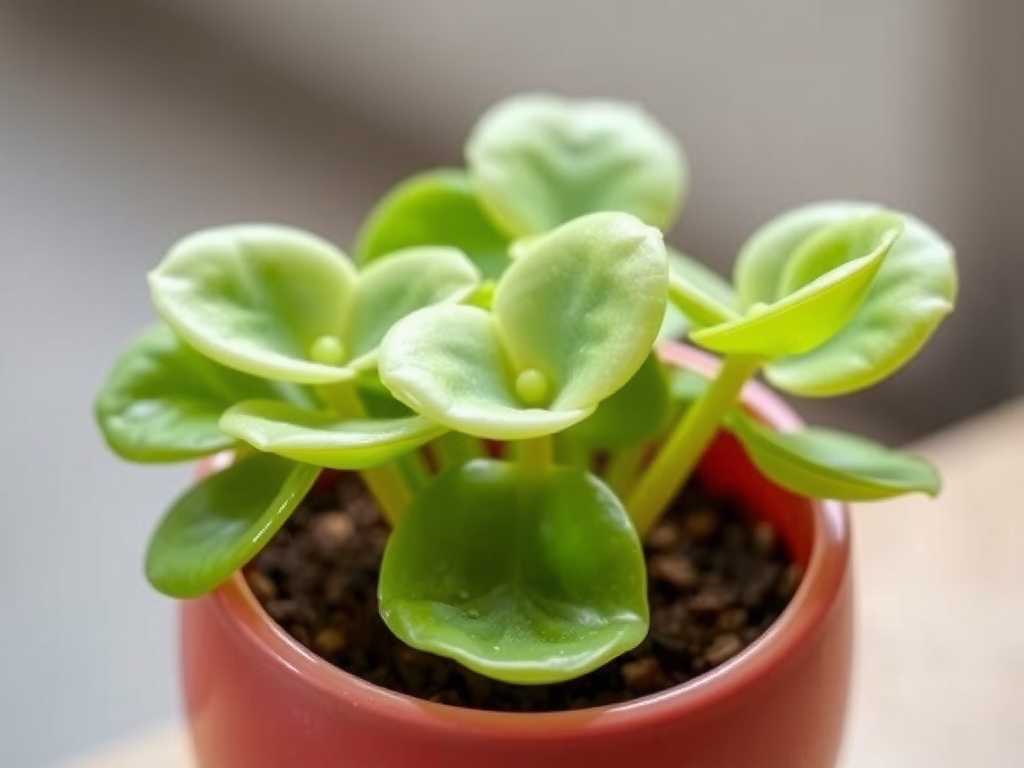
Jade plants (Crassula ovata) are succulents native to arid environments. They are incredibly efficient with water but have a low tolerance for dissolved salts. Unlike in their natural habitat, where rainwater (essentially salt-free) flushes the soil, potted plants rely on our care. Each watering with mineral-rich tap water leaves behind a tiny residue. Fertilizer applications add more salts. As water evaporates from the soil surface, these salts are left behind, concentrating over months or years.
This accumulation creates a hostile environment. The high salt concentration in the soil makes it harder for roots to absorb water, essentially causing a physiological drought. The plant becomes dehydrated from the roots up, manifesting as browning, crispy leaves—a condition sometimes called “fertilizer burn” or “tip burn,” even when fertilizer isn’t the direct cause. According to horticulture experts from the University of California’s Agriculture and Natural Resources department, soluble salt injury is a primary cause of poor performance in container plants, presenting symptoms identical to under-watering.
Diagnosing Salt Buildup Before You Treat
Before starting any treatment, confirm salt is the issue. Look for these key signs:
- Leaf Symptoms: Browning typically starts at the tips and edges of older, lower leaves, progressing inward. The browning is dry and crispy, not soft or mushy (which indicates overwatering).
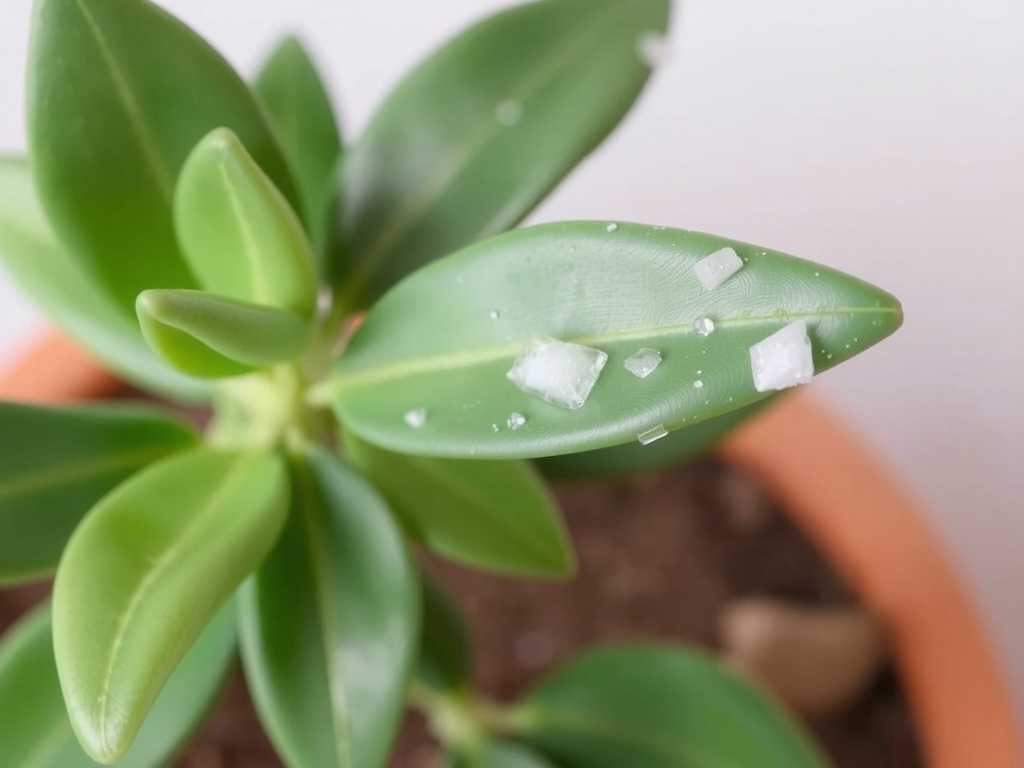
- Soil and Pot Clues: Do you see a white or yellowish crusty layer on the soil surface or around the drainage hole and pot rim? This is a visible salt deposit.
- Watering History: Reflect on your routine. Do you always use tap water without periodic deep flushing? Do you fertilize frequently, especially during dormant seasons?
If these signs align, your jade plant is likely suffering from salt toxicity. Now, let’s move on to the solutions.
Fix 1: The Thorough Soil Flush (Leaching)
This is the most critical and effective step for removing excess salts from jade plant soil. Leaching involves running a large volume of water through the soil to dissolve and wash away the accumulated salts.
How to Perform a Proper Soil Flush:
- Take your plant to a sink, bathtub, or outdoors.
- Slowly pour room-temperature, distilled, filtered, or rainwater over the soil. Do not use softened water, as it contains sodium.
- Use a volume of water equal to at least 4-5 times the volume of the pot. For example, a 1-gallon pot needs 4-5 gallons of flush water.
- Pour slowly, allowing the water to flow freely out of the drainage hole for several minutes. This ensures the entire root zone is flushed.
- Let the pot drain completely before returning it to its saucer.
Pro Tip: For severe crusting, gently loosen the top layer of soil before flushing to break up the salt crust. A soil flush is best done in the morning so the plant has all day to drain.
Fix 2: Switching to Purified Water Sources
Once you’ve flushed the existing salts, prevent their immediate return by changing your water source. Tap water, while safe for us, contains calcium, magnesium, chlorine, and fluorides that contribute to buildup.
Optimal Water Choices for Jade Plants:
- Rainwater: The ideal, natural choice. Collect it if possible.
- Distilled Water: Completely free of minerals and salts.
- Filtered Water: Use a filter designed to remove dissolved solids (like a reverse osmosis filter).
- Tap Water Alternative: If you must use tap water, let it sit in an open container for 24 hours. This allows chlorine to evaporate (though dissolved minerals remain). Using this settled water is better than straight from the tap.
Making this switch is a simple long-term strategy for maintaining jade plant health and preventing future leaf browning.
Fix 3: Repotting with Fresh, Well-Draining Soil
If the salt accumulation is extreme or the soil is old and compacted, a complete refresh is the best remedy. Repotting provides a clean slate, removing the salt-saturated soil entirely.
Step-by-Step Repotting Guide:
- Gently remove the jade plant from its pot. You may need to tap the sides to loosen it.
- Carefully shake and brush away as much of the old soil from the roots as possible. Rinsing the root ball with distilled water can help wash off clinging salt-rich soil.
- Inspect the roots. Trim any that are black, mushy, or dead.
- Choose a new pot with excellent drainage holes. You can use the same pot if thoroughly scrubbed to remove salt deposits.
- Fill the bottom with a fresh, fast-draining succulent or cactus mix. These blends contain sand, perlite, or pumice to prevent waterlogging.
- Place the plant in the new pot, fill around it with fresh soil, and do not water for about a week. This allows any disturbed roots to heal, preventing rot.
Fix 4: Adjusting Your Fertilization Strategy
Over-fertilization is a direct path to salt injury. Jade plants are light feeders and require far less fertilizer than tropical foliage plants.
Safe Fertilizing Practices to Avoid Salt Damage:
- Dilute, Dilute, Dilute: Always use a balanced, water-soluble fertilizer (like a 10-10-10) diluted to half or even quarter strength.
- Frequency: Fertilize only during the active growing season (spring and summer). Do not fertilize in fall and winter when the plant is dormant.
- Method: Apply the diluted fertilizer to already moist soil to prevent root shock. Consider using a low-dose, organic option like worm castings, which are gentler and less likely to cause salt buildup.
Following the principle “less is more” with jade plant fertilizer will significantly reduce salt-related stress.
Fix 5: Establishing a Preventive Watering Routine
Prevention is the ultimate cure. A smart watering routine incorporates periodic flushing to manage salts before they reach damaging levels.
The Preventive Flushing Schedule: Every fourth or fifth time you water, make it a “flush watering.” Use purified water and allow a generous amount to flow through the drainage hole, about twice the pot’s volume. This mild, regular leaching prevents salts from ever concentrating to harmful levels. Always ensure your jade plant’s pot never sits in a saucer of standing water, as this allows salts to be reabsorbed.
Frequently Asked Questions
Can brown leaves from salt damage turn green again? No, the browned, crispy tissue is dead and will not recover its green color. The plant will eventually shed these leaves. However, with the fixes above, you will stop the progression of damage. Your plant will direct its energy into producing new, healthy, green growth. You can prune the unsightly brown leaves for aesthetics once the plant is on the mend.
How often should I flush my jade plant to prevent salt buildup? For prevention, a light flush (using about double the pot’s volume of water) every 4-6 weeks during the growing season is sufficient if you use tap water. If you switch to rainwater or distilled water, the need for deliberate flushing decreases dramatically. Always observe your plant and look for the early signs of white crusting as your best guide.
Is it okay to use water from a water softener for my jade plant? Absolutely not. Water softeners remove calcium and magnesium but replace them with sodium (salt). Sodium is particularly toxic to plants and will quickly cause severe leaf browning and soil damage. Always use untreated, distilled, filtered, or rainwater instead.
Addressing jade plant leaf browning from salt requires a two-pronged approach: immediate corrective action and long-term preventive changes. Begin with a thorough soil flush to remove the existing toxins, and strongly consider repotting for a severe case. The true key to lasting health lies in your ongoing care—switching to purified water, fertilizing sparingly, and incorporating gentle flushes into your routine. By mastering these salt-removal fixes, you’re not just treating symptoms; you’re creating the ideal, low-stress environment your jade plant needs to thrive for decades, showcasing its full, lush, green potential.