bluename
 How to Water jade plant: 5 Rules to Avoid Overwatering & Root Rot
Jade plants (Crassula ovata) are beloved for their glossy, plump leaves and low-maintenance nature, but they’re surprisingly easy to kill with kindness—specifically, overwatering. In fact, root rot from excessive moisture is the number one threat to these succulents, even for experienced plant parents. If you’ve ever noticed your jade’s leaves yellowing, softening, or falling off, or detected a musty smell from the soil, you’re not alone. The good news? By following a few simple rules for how to water jade plant, you can keep yours healthy and thriving for years.
Rule 1: Mimic the Jade Plant’s Native Arid Environment
Jade plants are native to South Africa and Mozambique, where they grow in rocky, well-draining soil and infrequent rainfall. To avoid overwatering, start by replicating these conditions.
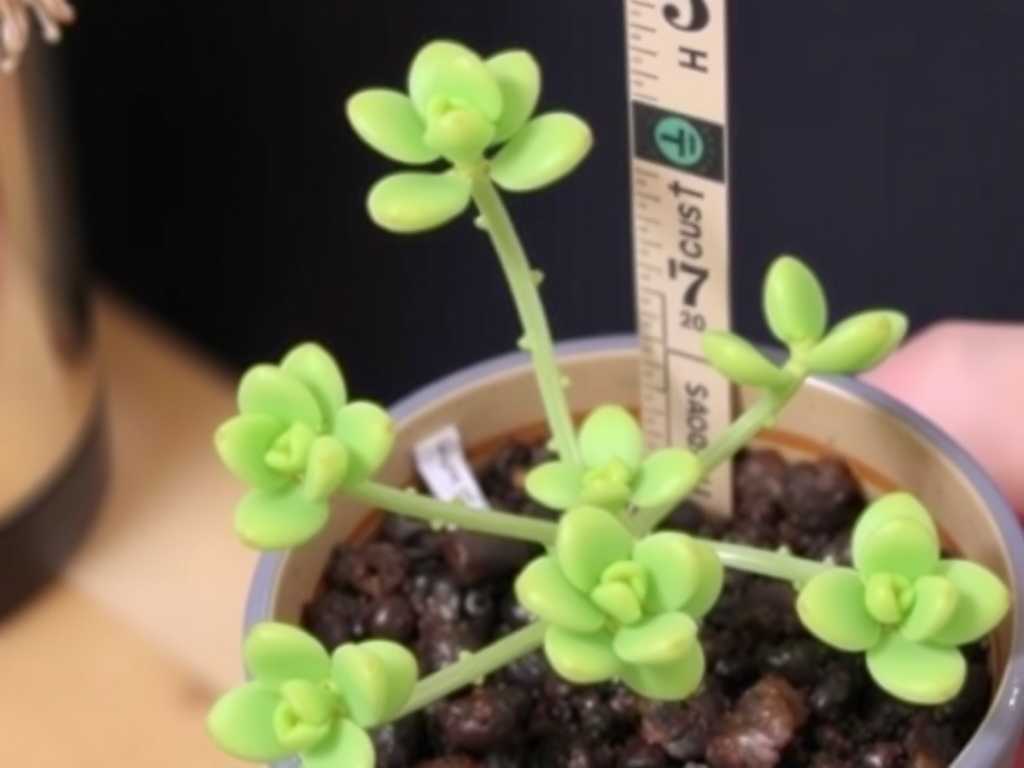
First, use a succulent or cactus potting mix—not regular garden soil. These mixes contain materials like perlite, pumice, or coarse sand that improve drainage and prevent water from pooling around roots. If your jade is in a pot without a drainage hole, repot it immediately; standing water is a death sentence for succulents.
Second, remember that jade plants are drought-tolerant, not water-loving. Their thick leaves and stems store water, so they’d rather go dry than sit in sog. As plant expert Dr. Susan F. Martin notes, “Jade plants have evolved to survive weeks without water. Overwatering disrupts their natural cycle and leads to root suffocation.”
Rule 2: Always Check Soil Moisture Before Watering
The biggest mistake new jade owners make is watering on a fixed schedule (e.g., “every Saturday”). Instead, let the soil tell you when it’s thirsty.
Here’s how to check:
Finger test: Stick your index finger 1–2 inches into the soil. If it feels dry at that depth, it’s time to water. If it’s damp, wait a few more days.
Chopstick method: Insert a wooden chopstick or bamboo skewer into the soil. Leave it for 10 minutes, then pull it out. If it comes out clean and dry, water. If it’s moist or has soil sticking to it, hold off.
Avoid relying on surface dryness—the top inch of soil can dry out quickly, but the roots are deeper. For a 6-inch pot, aim for the soil to dry out 2–3 inches down before watering.
Rule 3: Water Deeply, Then Let It Drain Completely
When you do water your jade, drench the soil thoroughly until water runs out the drainage hole. This ensures the entire root ball gets moisture, not just the top layer.
After watering, empty the saucer under the pot within 15 minutes. Never let the pot sit in standing water—this is the fastest way to cause root rot.
How much water is “deep”? For a 4-inch pot, use about 1/4 cup of water; for a 8-inch pot, use 1/3 cup. Adjust based on how quickly the soil dries (more on that in Rule 5).
Rule 4: Keep Leaves and Crown Dry
Jade plants have fuzzy stems and leaves that can trap water. If you splash water on the foliage or crown (the base where leaves meet the stem), it creates a damp environment perfect for fungal growth or rot.
To avoid this:
Water directly onto the soil, not the leaves. Use a narrow-spouted watering can or a turkey baster to target the roots.
If you accidentally get water on the leaves, gently blot them with a paper towel.
This rule is especially important for outdoor jade plants—rain can collect in the crown, so consider moving potted jades under a roof during heavy downpours.
Rule 5: Adjust Watering Frequency for Seasons
Jade plants grow actively in spring and summer (their “growing season”) and slow down in fall and winter (dormancy). Your watering schedule should reflect this.
Spring/Summer: Water every 2–3 weeks. The soil dries faster in warm weather, but always check moisture first.
Fall/Winter: Water every 4–6 weeks. The plant uses less water when it’s dormant, and overwatering in cold, dark months is a major cause of rot.
Indoor conditions (like heating or AC) can also affect drying time. For example, a jade near a heater in winter might need water slightly more often than one in a cool room.
How to Tell If You’re Overwatering (or Underwatering)
Even with the best intentions, it’s easy to slip up. Here’s how to spot common issues:
Overwatering signs:
Yellow, mushy leaves (especially at the base)
Soft, wrinkled leaves (different from underwatered, which are firm and shriveled)
Black, rotten roots (gently remove the plant from the pot—healthy roots are white and firm)
A foul, moldy smell from the soil
Underwatering signs:
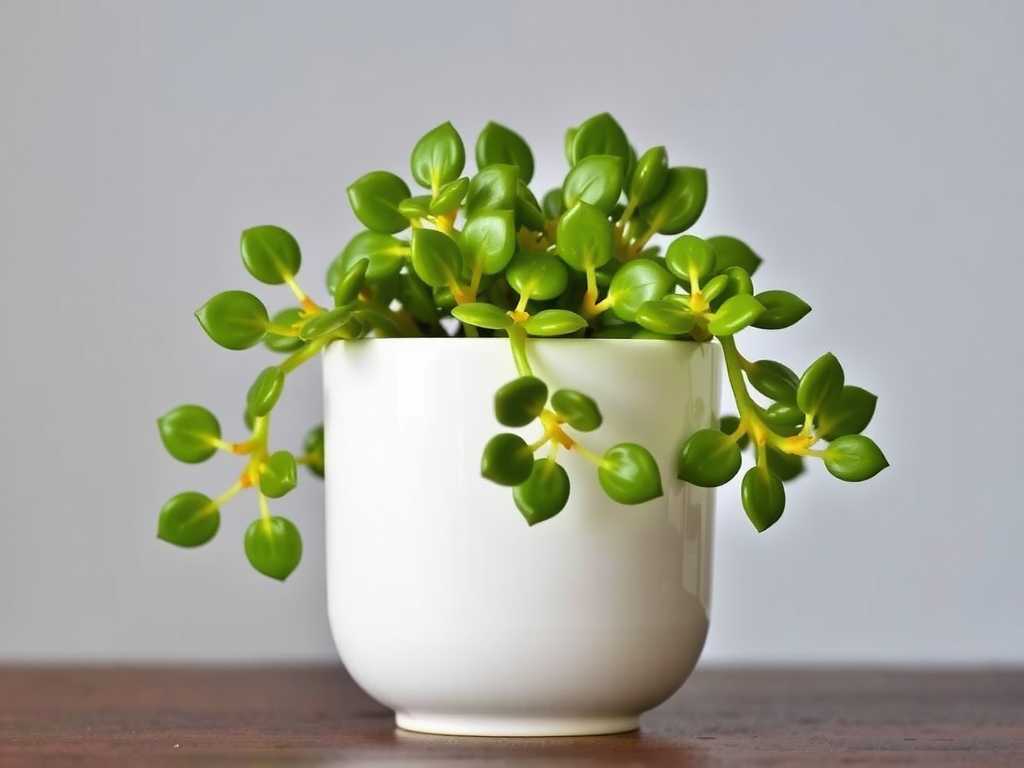
Dry, crispy leaves
Shriveled, puckered leaves
Slow growth or dropped leaves
If you suspect root rot, act fast: Remove the plant from the pot, cut away black/mushy roots with clean shears, and repot in fresh, dry succulent mix. Wait a week before watering to let the roots heal.
FAQ: Common Questions About Watering Jade Plants
Q: How often should I water my jade plant?
A: It depends on season, pot size, and environment. In spring/summer, check soil every 1–2 weeks and water when dry 2–3 inches down. In fall/winter, check every 3–4 weeks. Never water on a fixed schedule—always test the soil first.
Q: Can I use tap water for my jade plant?
A: Yes, but let it sit out for 24 hours first. Tap water contains chlorine and fluoride, which can build up in the soil and harm the roots. Letting it “age” allows these chemicals to evaporate. If your water is very hard (high in minerals), use filtered water or rainwater.
Q: Should I mist my jade plant to increase humidity?
A: No. Jade plants are desert succulents—they thrive in low humidity. Misting leaves can trap water and cause rot, especially in poor air circulation. If your home is very dry (e.g., winter heating), place the pot on a pebble tray filled with water (not touching the pot) to add humidity without wetting the leaves.
By following these five rules, you’ll master how to water jade plant and avoid the dreaded root rot. Remember: When in doubt, underwater—jade plants are far more forgiving of dry soil than soggy roots. With a little patience and attention to soil moisture, your jade will grow into a lush, long-lived companion.