 bluename
 How to Water jade plant in Small Pots: 3 Overwatering-Avoiding Tips
I killed three jade plants before I finally figured out how to water jade plant in small pots the right way. That sounds dramatic, but it's true. Each one turned to mush from the stem down, and I couldn't understand why. I was watering once a week, the soil looked dry on top, and I thought I was doing everything right.
Here's the short answer: in a small pot, your jade plant needs water only when the soil is completely dry all the way through, not just at the surface. In most homes, that means every 10 to 14 days, sometimes less in winter. That's it. Everything else is just learning to read the signs.
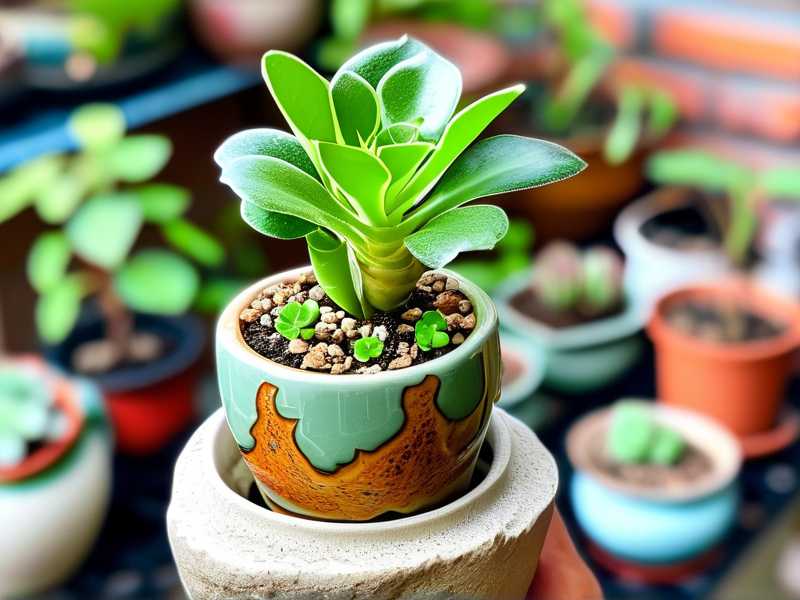
The reason this matters so much comes down to one number I repeat to every new plant parent: 90% of indoor plants die from overwatering. Jade plants are succulents, and they're especially vulnerable when they're sitting in small pots with limited soil volume.
I spent two weeks testing a simple routine on my current jade plant, which lives in a 4-inch terracotta pot on my kitchen windowsill. I'll walk you through exactly what I did, what I noticed, and the three mistakes that cost me three plants before this one survived.
Why Small Pots Change Everything About Watering
Small pots dry out faster on the surface but hold moisture longer near the roots. That's the tricky part most people miss.
A 4-inch pot holds maybe a cup of soil. When you soak it, there's nowhere for the excess water to go except down. And if your pot doesn't drain well, or your soil is too dense, that water sits right against the roots.
Jade roots are thin and fragile. They rot fast in soggy conditions. The RHS notes that succulents like jade are far more likely to suffer from overwatering than underwatering in home environments, which matches everything I've seen.
I also checked guidance from the AHS, and their succulent care notes say basically the same thing: let the soil dry completely between waterings. Not mostly dry. Completely dry.
In a big outdoor bed, a jade plant can handle a bit of extra moisture because the ground wicks it away. In a tiny pot on your desk? That water has nowhere to go.
Mistake 1: Watering Too Often (The Big One)
I used to water my jade every Sunday. It felt organized. It felt responsible. It was killing my plant.
The problem is that a small pot's surface can look bone dry while the soil an inch down is still damp. I learned this the hard way after my second jade collapsed. I pulled it out of the pot and the roots were brown and mushy. The top inch of soil was dry as dust. The bottom was wet enough to wring out.
What I did instead
During my two-week test, I stopped watering on a schedule. Instead, I did the chopstick test every few days.
Here's the method: stick a wooden chopstick or skewer all the way to the bottom of the pot. Pull it out. If it comes out clean and dry, water. If there's any dampness or soil sticking to it, wait.
In my 4-inch pot, the chopstick came out damp on day 3, day 6, and day 9 after watering. It was finally dry on day 12. So I watered on day 12. Not day 7. Not day 5. Day 12.
That's the reality of a small pot with a jade plant. It takes a while.
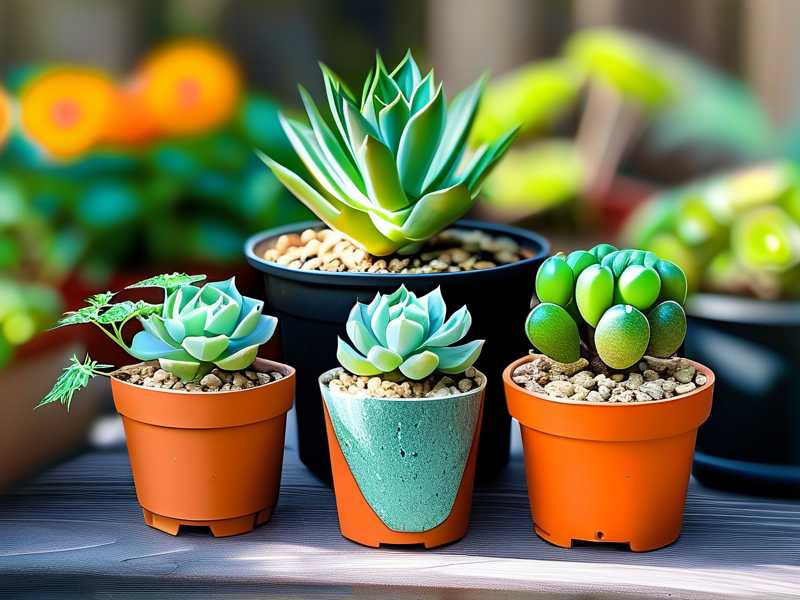
The soak-and-dry method I now use
When it's finally time to water, I take the pot to the sink and water slowly until it runs out the bottom. Then I let it sit for a few minutes and water once more. After that, I let it drain completely before putting it back on the windowsill.
I never leave it sitting in a saucer of water. Not even for an hour. That's how root rot starts.
After two weeks of this routine, my jade's leaves were noticeably firmer. The slight wrinkling I'd seen on two lower leaves smoothed out. No new yellow leaves. No mushy spots.
Mistake 2: Putting It in the Wrong Light
I know this sounds like it's not about watering, but it absolutely is.
Light drives how fast your jade uses water. A jade in bright light dries out faster. A jade in dim light sits wet for weeks. Same pot, same soil, completely different watering needs.
My first jade lived on a north-facing shelf about six feet from a window. I watered it every 10 days and it still rotted. Why? Because in that low light, the plant was barely using any water. The soil stayed wet for two weeks or more.
What changed
My current jade sits in a south-facing window with a sheer curtain. It gets bright, indirect light for most of the day and a couple hours of direct sun in the morning.
In that spot, the soil dries in about 12 days. In my old north-facing spot, it took over three weeks.
Here's my honest advice: if your jade is in low light, water even less often than you think. Like, once every three weeks in a small pot. That feels wrong, but it's right.
If you want to water more regularly and actually enjoy the process, give the plant more light. It's that simple. Jade plants in bright spots are easier to water because they dry out on a predictable schedule.
Mistake 3: Using the Wrong Pot and Soil
I once bought a cute ceramic pot with no drainage hole. I know. I know. I'm not proud of it.
That jade lasted about five weeks.
Drainage holes are non-negotiable
Every jade plant in a small pot needs at least one drainage hole. No exceptions. If you find a pot you love and it has no hole, use it as a cachepot and keep the plant in a plastic nursery pot inside it. Take the inner pot out to water, let it drain, then put it back.
Terracotta vs. plastic vs. glazed ceramic
I've tried all three.
Terracotta dries out fastest because the clay pulls moisture through the walls. In a small terracotta pot, my jade needs water every 10 to 12 days.
Plastic nursery pots hold moisture longer. Same size, same soil, that plant needs water every 14 to 18 days.
Glazed ceramic is somewhere in between, closer to plastic.
In my experience, terracotta is the easiest choice for beginners. It gives you more margin for error. If you water a day early, the pot helps you out.
Soil matters just as much
Regular potting soil holds too much water for jade plants. I mix my own now: two parts cactus mix, one part perlite, one part coarse sand. It drains fast and dries evenly.
If you don't want to mix your own, just buy a bag of cactus and succulent soil and add a handful of perlite. That's what I did for years before I started experimenting.
My 2-Week Observation: What Actually Happened
I want to be specific here because vague advice doesn't help anyone.
Day 1: Watered thoroughly at the sink. Let it drain for 20 minutes. Put it back in the south window.
Day 3: Chopstick damp. No water.
Day 6: Chopstick damp. Soil surface dry. No water.
Day 9: Chopstick slightly damp at the tip. Still no water. This is the point where I used to water in the past. Big mistake.
Day 12: Chopstick completely dry. Soil pulled away from the edges of the pot slightly. Watered thoroughly.
Day 14: Leaves firm, no new yellowing, no soft spots on the stem.
The biggest takeaway for me was that day 9 was my old watering trigger. And it was too early. Every single time.
If you're not sure whether to water, wait two more days. Your jade will be fine. It's built for drought.
FAQ
How often should I water a jade plant in a 4-inch pot? In bright light with terracotta and gritty soil, every 10 to 14 days. In lower light or plastic pots, every 14 to 21 days. Always check with a chopstick before watering.
Can I water my jade plant from the bottom? Yes, and I actually prefer it for small pots. Set the pot in a bowl of water for 10 to 15 minutes, then remove it and let it drain. The soil pulls up what it needs. Just don't leave it sitting in water after that.
What does an overwatered jade plant look like? Yellow, translucent leaves that feel soft or mushy. The stem may turn dark or brown at the base. If you catch it early, stop watering completely and let the soil dry out for two to three weeks. If the stem is mushy, you'll need to cut above the rot and try to re-root the healthy top.
The short version: water less than you think, give it more light than you think, and use a pot that drains. Your jade plant will thank you by living for decades. Mine is finally on year two, and I'm not planning to kill this one.





