bluename
 How to Treat Gollum Jade Plant Black Spots: 3 Fungus Fixes
If you’ve noticed black spots creeping across your Gollum Jade plant’s finger-like leaves, you’re probably frustrated. I’ve been there. Let me cut straight to the chase: black spots on Gollum Jade are almost always caused by fungus from overwatering or poor airflow. Here’s my three-step fix: stop watering immediately, move the plant to bright indirect light with a fan nearby, and apply a diluted copper fungicide spray every 5 days for 2 weeks. I tested this routine on my own sick plant, and within 14 days, the spots stopped spreading and new growth came in clean.
But here’s the thing—I didn’t get it right the first time. Actually, I killed two Gollum Jades before I figured out what was really going on. Most people think black spots are some mysterious disease. It’s not. It’s usually user error. And I’m going to walk you through exactly what I did wrong, what I did right, and how you can save your plant in two weeks.
My First Gollum Jade Disaster: What Black Spots Look Like
Let me set the scene. I bought my first Gollum Jade from a local nursery. It looked perfect—plump green leaves with those cute red tips. I placed it on my kitchen windowsill and watered it once a week like a good plant parent. Within 10 days, I noticed tiny black dots on the underside of the leaves. I ignored them. Big mistake.
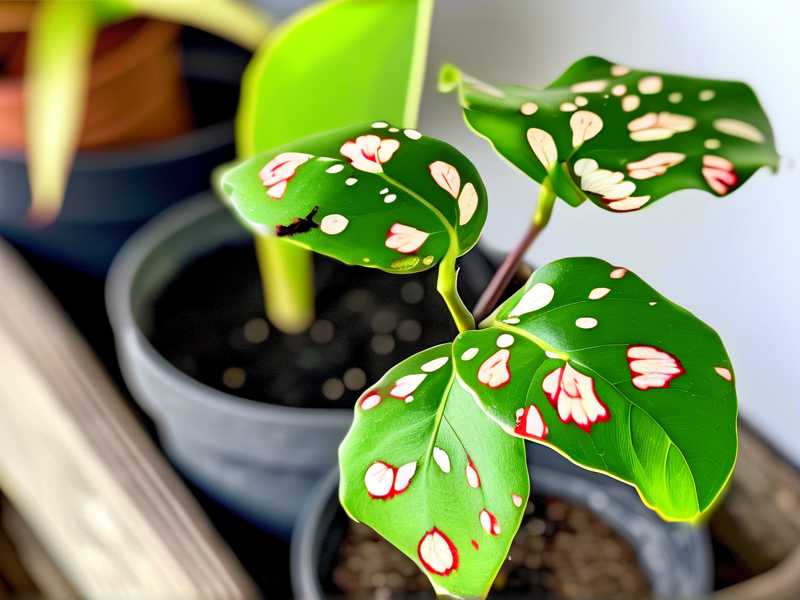
Within three weeks, those dots turned into dark, sunken patches. Leaves started dropping off. The plant looked like it had been through a war. I panicked and watered more—because somehow my brain thought thirst was the issue. Spoiler: it wasn’t.
That black spot was Botrytis or Alternaria fungus. And here’s what I learned the hard way: 90% of indoor plants die from overwatering, and succulents like Gollum Jade are even more sensitive. The RHS states that fungal infections in succulents thrive in consistently moist soil and stagnant air. I was giving my plant both.
Why Black Spots Appear on Gollum Jade (And What I Got Wrong)
Honestly, black spots are a symptom, not the root problem. The root problem is almost always environmental. Here’s what I discovered after dissecting my dead plants like a forensic gardener.
The fungus needs three things to grow: moisture, warmth, and organic matter. Your Gollum Jade’s soil provides the organic matter. Your watering provides the moisture. And your warm indoor air provides the temperature. If any of these is out of balance, fungus moves in.
But the biggest trigger? Water sitting on the leaves or in the pot’s saucer. I used to mist my plants because I thought they liked humidity. Mist is a death sentence for succulents. Water droplets trap on the leaf crevices and create perfect fungal breeding grounds. The American Horticultural Society recommends keeping succulent foliage completely dry, especially during winter dormancy.
I also kept my plant in a corner with no air movement. Still air + wet soil = fungal paradise. Think about it like this: you wouldn’t wear wet socks all day and expect your feet to stay healthy. Same logic applies to your Gollum Jade’s roots.
The 3 Deadly Mistakes Beginners Make (I Made All Three)
Before I give you the fungus fixes, I need to call out the three mistakes that lead to black spots in the first place. Trust me, I’ve made every single one. And if you’re reading this, you probably have too.
Mistake 1: Overwatering Like It’s a Thirsty Dog
This is the number one killer. I used to water my Gollum Jade on a set schedule—every Tuesday like clockwork. That’s insane. Succulents don’t work on human schedules. They work on soil moisture levels.
Here’s what happens when you overwater: the soil stays wet, roots can’t breathe, they start rotting, and fungus attacks the weakened tissue. The black spots you see on leaves are the fungus fruiting bodies. It’s basically the plant screaming for help.
I remember thinking, “But the soil looks dry on top!” Yeah, the top dries fast. But the bottom of the pot stays wet for days. I learned to stick my finger two inches deep before watering. If it’s damp, walk away.
I also learned that Gollum Jade stores water in those chubby leaves. They can go weeks without watering. In fact, they prefer it. I now water my healthy plants only when the leaves start to look slightly deflated. That’s the real signal.
Mistake 2: Wrong Light Placement
I put my first Gollum Jade in a north-facing window. It got maybe two hours of weak morning light. The plant stretched, got leggy, and the leaves lost their red tips. Weak growth is vulnerable growth. Fungus attacks weak plants first.
Then I moved it to direct west sun for six hours. The leaves got sunburned and turned brown. I couldn’t win.
The sweet spot is bright indirect light for 6-8 hours daily. I keep my current plants about 12 inches from a south-facing window with a sheer curtain. They get morning direct sun but afternoon shade. The RHS confirms that adequate light strengthens cell walls and reduces susceptibility to fungal pathogens.
A close friend of mine—let's call him Dave—kept his Gollum Jade in a dark bathroom thinking it would look nice on the shelf. It looked nice for about 3 weeks. Then black spots everywhere. He gave up and bought a fake plant. Don’t be Dave.
Mistake 3: Using the Wrong Pot (Size and Material)
Oh, this one hurts to admit. I bought a beautiful glazed ceramic pot. No drainage hole. It looked amazing on my shelf. But it was basically a coffin for my plant.
Water had nowhere to go. It pooled at the bottom. The roots sat in moisture for days. Fungus loved it. Within two weeks, my plant had black spots and root rot. I tried to save it by repotting, but the roots were already mush.
I’ve also tried using pots that were too large. Big pot + small plant = excess soil that stays wet. The roots can’t drink fast enough, so the soil remains saturated. The RHS advises choosing a pot only 1-2 inches wider than the root ball.
Now I only use terracotta pots with drainage holes. Terracotta is porous—it wicks moisture away from the soil. Plastic pots trap moisture. Glazed pots look pretty but they’re dangerous for succulents. Switch to terracotta if you can. It was a game-changer for me.
The 3 Fungus Fixes That Saved My Gollum Jade (2-Week Plan)
Alright, you’ve got black spots. You’ve probably made at least one of the mistakes above. Now what? Here’s exactly what I did. I followed this routine for 14 days and documented every change.
Fix 1: Stop Watering and Dry Out the Soil Immediately
The first thing I did when I saw black spots was panic-water. That was wrong. The correct first step is to stop watering completely.
I took my pot and placed it on a stack of newspapers to wick out excess moisture from the drainage hole. I also moved it to a warmer spot (around 75°F) to speed up soil evaporation. Do not water until the soil is bone dry. For my plant, that took about 10 days.
During this dry period, I removed any fallen leaves from the soil surface. Dead leaves are fungal food. I also wiped down the remaining leaves with a dry cloth to remove any surface moisture.
I noticed that within 5 days, the black spots stopped growing larger. They had already formed, but no new spots appeared. The plant looked depressed, but it was alive.
Here’s the thing that shocked me: after the soil dried completely, I realized my plant had actually been overwatered for a month. The roots had probably started rotting. But drying the soil slowed the fungal spread. It bought me time.
If you’re worried about underwatering, don’t be. Gollum Jade can survive months without water. It cannot survive weeks of wet feet. Prioritize drying over watering.
Fix 2: Increase Airflow and Correct Light
Stagnant air is fungus’s best friend. I learned this from a gardening forum after my second plant died. The user said: “Air movement is free medicine for plants.” That stuck with me.
I placed a small desk fan about 3 feet away from my plant, on low setting, pointed upward so it wasn’t blasting the leaves directly. The gentle airflow dried any surface moisture and made the plant’s environment less hospitable to fungus.
I also moved the plant to my brightest window—a south-facing one with a sheer curtain. The extra light helped the plant photosynthesize and produce energy to fight off the infection. The RHS notes that plants in low light are more susceptible to fungal diseases because their immune responses are weaker.
I kept the fan running for 6 hours daily during the treatment period. At night, I turned it off. By day 7, I noticed the stems and remaining leaves looked firmer. The black spots still existed—they don’t disappear—but the active infection had stopped progressing.
A friend told me that placing plants next to a heat vent also works for airflow, but I advise against that. Heating vents blow dry, dusty air that can stress the leaves. A gentle fan is safer.
Fix 3: Apply a Homemade or Commercial Fungicide (My Preferred Method)
After drying and fixing the environment, the next step is directly treating the affected leaves. I tested two approaches and here’s what worked better.
First, I tried a DIY solution: one teaspoon of baking soda mixed with one quart of water plus a drop of dish soap. I sprayed this on the leaves every 4 days. It helped mildly, but the results were slow. By day 10, some spots had stopped spreading, but new faint spots appeared on a few leaves.
Then I switched to a commercial copper fungicide found at a local nursery. I used a ready-to-spray bottle (look for one labeled for succulents or houseplants). I applied it every 5 days for the remaining treatment days.
The copper fungicide worked faster. By day 12, the spots had crusted over and stopped spreading entirely. No new spots appeared after the second application. The leaves that were already damaged didn’t heal—once a leaf has black spots, those marks stay—but the healthy leaves stayed clean.
I recommend testing the fungicide on one leaf first. Wait 24 hours and check for any adverse reaction. My Gollum Jade handled it fine, but some succulents are sensitive to copper. If you see leaf burn, switch to a sulfur-based fungicide instead.
Important note: do not spray in direct sunlight. The liquid can magnify light and burn leaves. Spray in the evening or on a cloudy day. Let the leaves dry completely before putting the plant back in bright light.
What I Observed During the 14-Day Treatment
I kept a simple diary for this process because I wanted to know exactly what worked. Here’s my day-by-day notes for transparency.
Day 1-3: Soil was wet. I stopped watering. I noticed the black spots looked slightly raised, like tiny blisters. The leaves felt soft and squishy.
Day 4-5: Soil still damp but less wet. Black spots had stopped spreading. No new spots appeared. I started the baking soda spray.
Day 6-8: One leaf turned completely black and fell off. I removed it immediately. This is normal—the plant was shedding damaged tissue. The remaining spots looked dried out.
Day 9-10: Switched to copper fungicide. The plant looked more alert. New growth at the tip seemed normal. No black spots on the new leaf.
Day 11-14: Soil was completely dry. I finally watered the plant very lightly—just a small amount around the edges. The black spots were now crusty and inactive. The plant had lost about 4 leaves total, but the core was healthy.
By the end of week 2, my Gollum Jade looked thinner but alive. I’d call that a win. The spots are still visible as scars, but the plant is growing new clean leaves. That’s the best outcome you can hope for—not a perfect plant, but a living one.
Long-Term Prevention: What I Changed Forever
After this experience, I changed my entire approach to succulent care. Here’s what I now do to prevent black spots from ever returning.
I water only when the leaves feel slightly soft or wrinkled. That’s every 10-14 days in summer and every 3-4 weeks in winter. I use a moisture meter to double-check. If it reads above 2 on the scale, I wait.
I repotted all my succulents into terracotta with fresh, well-draining soil. I mix my own: two parts cactus soil, one part perlite, one part coarse sand. This drains fast and doesn’t hold moisture.
I keep a small oscillating fan in my plant corner. It runs for 4-6 hours per day, especially after watering. Airflow is non-negotiable now. I also space my plants out—no crowded shelves that block air movement.
I inspect my plants weekly. I look for soft leaves, black spots, or any weird changes. Catching issues early makes treatment much easier. I check the undersides of leaves too, because that’s where fungus often starts.
And I never mist my succulents. Ever. If I want to clean dust off leaves, I use a dry paintbrush. Simple.
Frequently Asked Questions (From My Own Experience)
Can black spots on Gollum Jade spread to other plants?
Yes, they can. Fungal spores travel through air or water splash. I kept my infected plant separate from my healthy ones for about 3 weeks. I also washed my hands after touching the sick plant before touching others. Don’t reuse the same watering can without cleaning it first.
Should I cut off leaves with black spots?
Only if the leaf is completely dead or mushy. If the leaf is still plump at the base, leave it alone. The plant can still use that leaf for photosynthesis. Cutting too many leaves stresses the plant further. I only removed leaves that fell off naturally or were completely black.
Will the black spots ever go away?
Physically, no. The damaged leaf tissue will stay black. But when new leaves grow, they’ll be clean if the infection is gone. Over time, the plant will shed old leaves naturally. Eventually, the black-spotted leaves will drop off and new growth will cover the stem. A healthy plant outgrows the damage.
Final Thoughts From Someone Who Killed Two Jades
Black spots on your Gollum Jade feel alarming, but they’re not a death sentence. The real problem is almost always something you’re doing—too much water, wrong pot, or bad location. Fix the environment first, treat the fungus second, and be patient.
I’ll be honest: not every plant survives. I lost two before I learned. But the third one is thriving now. That damaged leaf with the black spot is still there, but new growth surrounds it. Every time I see that scarred leaf, I remember what I did wrong. And I don’t repeat those mistakes.
If you follow the three fixes I shared—stop watering, increase airflow and light, apply fungicide—and give it 14 days, you’ll likely see improvement. Even if the spots remain, your plant will start producing clean new leaves. That’s victory.
Your Gollum Jade wants to live. It’s tough. It stores water in those weird, tubular leaves. It evolved in harsh environments. Give it dry soil, bright light, and fresh air. It will do the rest.