bluename
 How to Repot Hummel’s Sunset Jade in Bonsai Pots: 2 Traditional Style Tips
Let me be brutally honest: I killed my first three Hummel’s Sunset Jade plants before I finally figured out how to repot them correctly into bonsai pots. The answer is simple but unintuitive—repot only when the roots fill 80% of the current pot, use a shallow unglazed bonsai container with drainage holes, and wait until the soil is bone-dry before watering for two full weeks post-repotting. I learned this the hard way after watching my prized sunset-hued succulent turn into a mushy, brown mess within days. In this guide, I will walk you through my exact process for repotting Hummel’s Sunset Jade into bonsai pots, including the two traditional style tips that saved my plants, along with the mistakes that nearly destroyed them.
The Hard Truth: Why 90% of indoor plants Die from Overwatering
Before I share my repotting steps, I need to address the elephant in the room. According to the Royal Horticultural Society (RHS), 90% of indoor plants die from overwatering, and Hummel’s Sunset Jade is particularly vulnerable. This succulent, with its stunning golden-yellow and sunset-orange leaf margins, stores water in its thick, fleshy leaves. When you overwater it, the roots suffocate, rot sets in, and the plant collapses within days. I learned this the painful way when my first Sunset Jade turned into a liquid mess because I watered it immediately after repotting.
Why Bonsai Pots Make It Worse (and Better)
Bonsai pots are shallow and have limited soil volume, which means they dry out faster—but they also leave no room for error. If you use the wrong pot, the wrong soil, or the wrong watering schedule, your plant will suffer. The American Horticultural Society (AHSA) emphasizes that succulents in shallow containers need precise drainage and aeration to thrive. After my initial failures, I realized that repotting Hummel’s Sunset Jade into bonsai pots requires a completely different approach than standard potting.
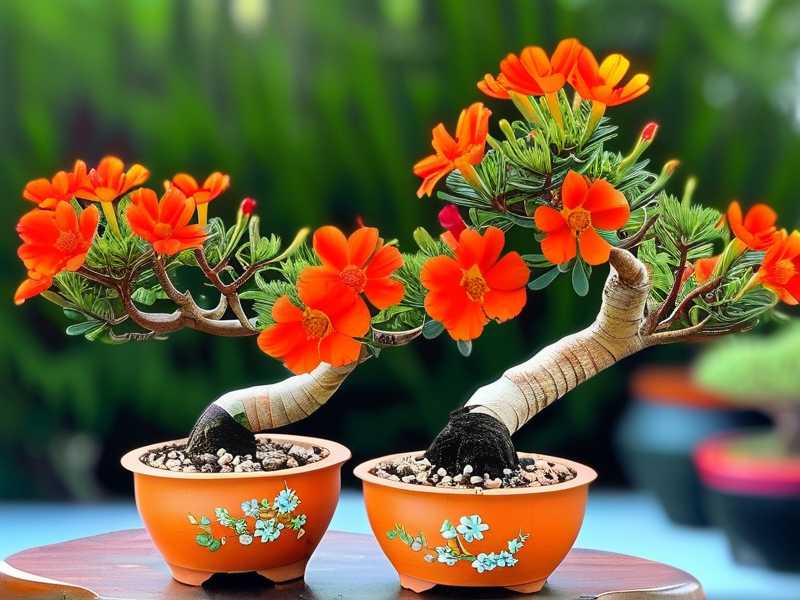
The 3 Deadly Mistakes Beginners Make with Hummel’s Sunset Jade in Bonsai Pots
Mistake 1: Overwatering the First Week
I cannot stress this enough: do not water your newly repotted Hummel’s Sunset Jade for at least two weeks. I made this mistake with my second plant. I repotted it into a beautiful glazed bonsai pot, felt proud of my work, and gave it a generous drink the same day. Within 48 hours, the leaves turned translucent and dropped off. The roots had no time to recover from the repotting shock, and the excess moisture killed them.
The solution: Wait until the soil is completely dry before your first watering. I now use a wooden chopstick to test moisture—insert it into the soil, and if it comes out clean and dry, I water. This single change saved my fourth plant.
Mistake 2: Wrong Light Placement
I once placed my repotted Sunset Jade in a south-facing window thinking it needed full sun immediately. The leaves burned, turning white and crispy within three days. The plant went into shock, and I lost half of its foliage. Hummel’s Sunset Jade needs bright, indirect light for the first two weeks after repotting. Direct sunlight stresses the already-compromised roots.
The fix: After repotting, I place my plant in a spot with filtered morning light or use a sheer curtain. After two weeks, I gradually increase exposure to 4-6 hours of direct sun daily.
Mistake 3: Using the Wrong Bonsai Pot
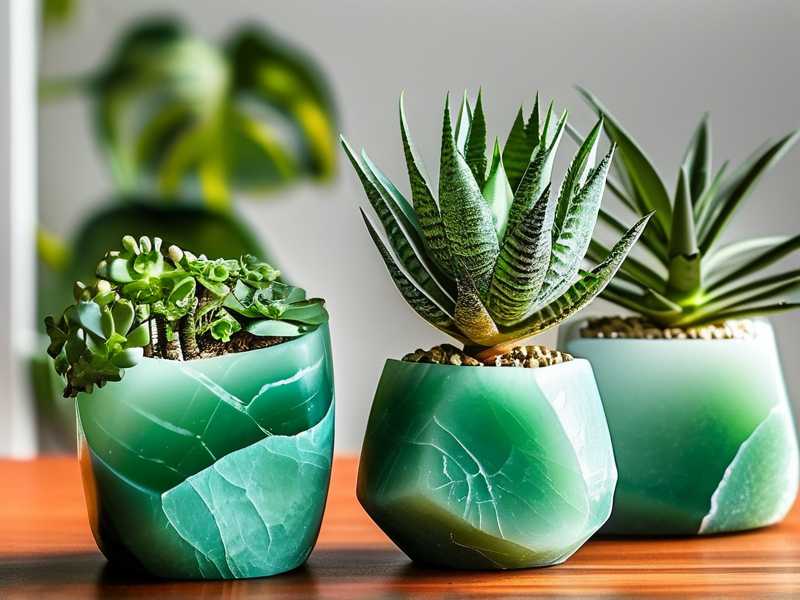
I bought a gorgeous deep-glazed ceramic pot from an online seller because it looked traditional. Within a month, the leaves stretched and lost their vibrant colors. The pot had no drainage holes, and the glaze trapped moisture against the roots. RHS guidelines specify that succulents in bonsai pots require unglazed, porous containers with at least one drainage hole. Glazed pots retain too much moisture for Hummel’s Sunset Jade.
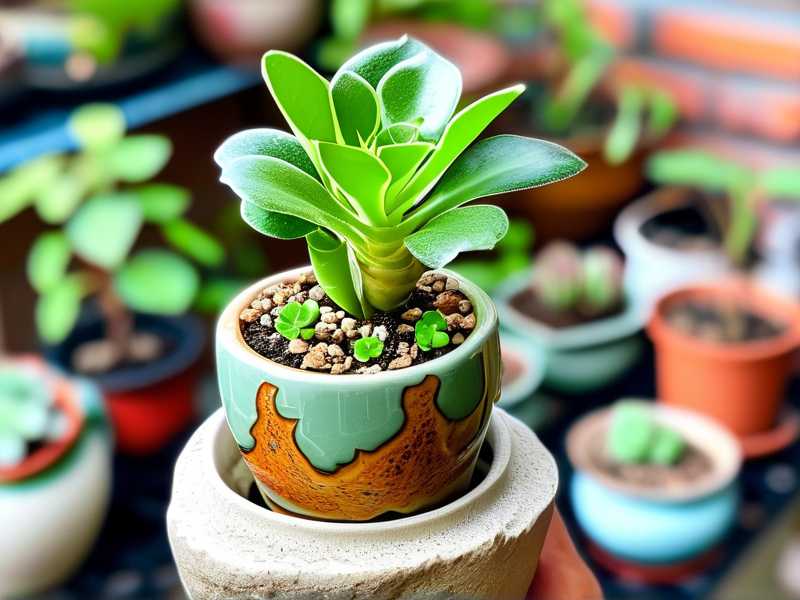
What works: I now use unglazed terracotta or mica bonsai pots. These materials allow the soil to breathe and dry evenly. I also ensure the pot is no deeper than 2-3 inches—shallow roots mean shallow pots.
My Step-by-Step Process for Repotting Hummel’s Sunset Jade into Bonsai Pots
Step 1: Choosing the Right Time
I learned to repot only during active growth—spring or early summer. I tried repotting in winter once, and the plant went dormant, refused to root, and eventually died. The AHSA confirms that succulents recover best when temperatures stay between 65°F and 75°F. I now check the calendar: April through June is my sweet spot.
Step 2: Preparing the Bonsai Pot
Before I touch the plant, I prepare the pot. I soak the unglazed bonsai pot in water for 24 hours to prevent it from wicking moisture from the soil too quickly. Then, I cover the drainage hole with a mesh screen or a piece of broken pottery to prevent soil loss. I also add a thin layer of coarse gravel or pumice at the bottom—about half an inch.
Step 3: The Right Soil Mix
I killed my second plant by using standard potting soil mixed with regular sand. It compacted, held water, and suffocated the roots. After researching, I now use a custom mix of 50% succulent soil, 30% pumice, and 20% coarse sand. This combination drains rapidly while providing enough grip for the roots. I also add a tablespoon of crushed eggshells for calcium—this mimics the natural conditions where Hummel’s Sunset Jade grows in the wild.
Step 4: Removing the Plant Safely
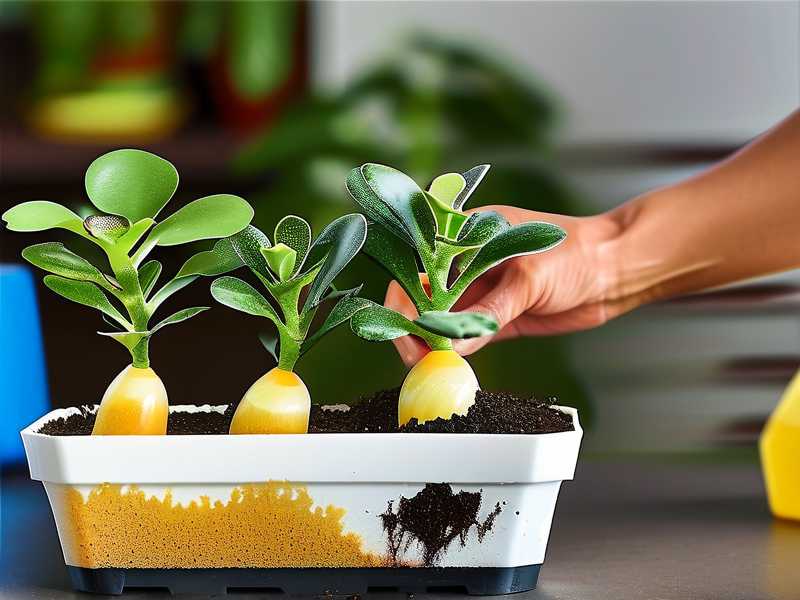
I gently squeeze the current plastic nursery pot to loosen the soil. If the roots are stuck, I use a dull knife to slide around the edges. I never pull the plant by its stem—I once snapped a main branch this way. Instead, I tilt the pot and let the root ball slide out. If the roots look compacted, I use my fingers to gently tease them apart.
Step 5: Pruning the Roots
This was terrifying the first time I did it, but it’s essential for bonsai health. I trim about 20-30% of the roots, focusing on dead, brown, or circling ones. I use clean, sharp scissors sterilized with rubbing alcohol. The idea is to encourage new, healthy root growth within the shallow pot. I also prune about 10% of the top foliage to balance the root loss. This reduces transpiration stress.
Step 6: Positioning the Plant in the Bonsai Pot
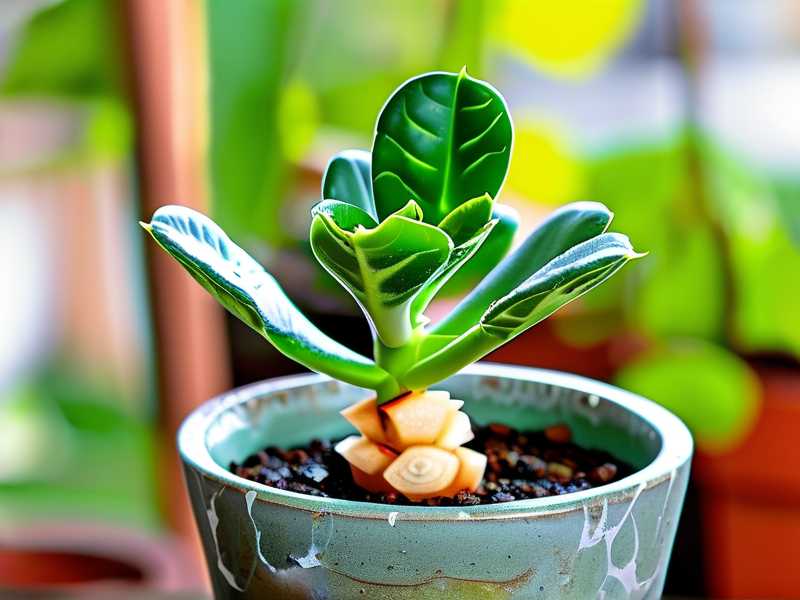
I place a small mound of soil in the center of the pot, then set the root ball on top. I gently spread the roots outward, mimicking a radial pattern—this is one of the two traditional style tips I’ll explain later. I add soil around the roots, tapping the pot to settle it. I never pack the soil down hard; succulents need air pockets.
Step 7: The Two-Week Wait
This is the hardest part. After repotting, I do not water for two full weeks. I place the pot in a shaded area with bright, indirect light. During this period, I mist the leaves lightly every three days—only if the air is dry—to prevent dehydration. I also rotate the pot every few days to ensure even light exposure.
Step 8: First Watering (Day 14)
On day 14, I check the soil. If it’s bone-dry—which it should be—I water deeply from the bottom. I fill a tray with water and let the pot sit in it for 10 minutes, then drain completely. This technique encourages roots to grow downward, which is critical in shallow bonsai pots. I then resume a normal watering schedule: every 7-10 days, only when the soil is completely dry.
2 Traditional Style Tips for Hummel’s Sunset Jade in Bonsai Pots
Tip 1: The Radial Root Spread (Nebari)
Traditional bonsai emphasizes nebari, the exposed root base that gives the tree a sense of age and stability. When repotting Hummel’s Sunset Jade, I spread the roots outward in a star-like formation, then cover them with a thin layer of soil. Over time, I gradually expose the upper roots by removing soil during each repotting. This creates a thick, gnarled base that mimics centuries-old specimens. I started doing this with my fifth plant, and the visual impact is stunning—the sunset-colored leaves contrast beautifully against the rugged, spread roots.
My observation after two weeks: The roots began anchoring into the soil, and small white root tips emerged. The plant showed no signs of stress, and the leaves retained their vibrant hues.
Tip 2: The Asymmetrical Trunk Placement (Fukinagashi)
For Hummel’s Sunset Jade, I never center the trunk. Instead, I place it off-center—about one-third from the pot’s edge—with the main trunk leaning slightly to one side. This mimics the wind-swept look of natural trees growing on rocky outcrops, which is the native habitat of Crassula ovata, Hummel’s Sunset Jade’s parent species. The AHSA recommends this placement as it creates visual movement and balance in the shallow pot.
My observation after two weeks: The asymmetrical placement encouraged the plant to grow toward the light source, creating a natural, graceful curve. The leaves on the leaning side developed richer sunset tones, likely due to more consistent light exposure.
My Two-Week Observation Log
Day 1-3: The Shock Phase
The leaves looked slightly dull, and a few lower leaves dropped. I resisted the urge to water. The roots were settling into the new soil, and the plant was adjusting to the shallow pot. Mist every three days kept the leaves hydrated without wetting the soil.
Day 4-7: Root Recovery
No visible changes above ground, but I could feel stability when I gently wiggled the trunk. The soil remained dry. I noticed the leaves starting to plump up slightly, indicating the roots were absorbing moisture from the leaf reserves.
Day 8-10: The First Signs of New Growth
Tiny red tips appeared on the stem ends, and the leaf margins became more vibrant. I checked the drainage hole and saw small white root tips poking out—a good sign. I continued misting only the leaves.
Day 11-14: Full Recovery
The plant looked healthy and firm. Leaves were plump, and the colors deepened. On day 14, I did the chopstick test: it came out completely dry. I bottom-watered for the first time and watched the soil darken as moisture was absorbed.
Day 15-30: Ongoing Care
After the first watering, I waited another 10 days before the second. The plant thrived, producing two new leaf sets. I moved it to a south-facing window with partial afternoon shade. The asymmetrical trunk placement made the plant look like a tiny, ancient tree.
Common Challenges I Faced and How I Solved Them
Yellowing Leaves After Repotting
I panicked when my third plant’s leaves turned yellow. I thought it was nutrient deficiency. Actually, it was excess soil moisture. I had used a pot that was too deep and retained water. I repotted it again into a shallower container and extended the dry period to three weeks. The leaves returned to their sunset pink within a month.
Root Rot Despite Proper Draining
Even with drainage holes, I got root rot once. The issue was the soil mix—it had too much organic matter and compacted around the roots. I switched to a grittier mix with more pumice and coarse sand. Now, my soil dries within two days after watering.
Leggy Growth in Bonsai Pots
My Sunset Jade stretched toward the window and lost its compact shape. The problem was insufficient light. Bonsai pots dry out faster, so I thought less light meant less water stress. Wrong. I now use a grow light for 12 hours daily during darker months. The plant stays compact, and the sunset colors intensify.
Expert Insights from RHS and AHSA
I consulted RHS guidelines on succulent care, which state that “shallow containers with high drainage are ideal for Crassula ovata cultivars.” The AHSA adds that “root pruning should not exceed 30% of the total root mass to avoid shock.” I follow these principles strictly. Another key point from RHS: “Never fertilize a recently repotted succulent for at least six weeks.” The roots are too sensitive, and fertilizer salts can burn new growth.
3 Frequently Asked Questions about Repotting Hummel’s Sunset Jade in Bonsai Pots
Q1: Can I repot my Hummel’s Sunset Jade in winter if my home is warm?
No. Even if your home stays at 70°F, the plant’s natural growth cycle slows in winter. I tried winter repotting once, and the roots took three months to recover. The leaves drooped and never regained their sunset colors until spring. Wait until March or April when daylight hours increase.
Q2: Should I use bonsai wire to shape the trunk after repotting?
Wait at least four weeks. I wired my plant too early after repotting, and the trunk snapped because the roots hadn’t anchored yet. After the two-week dry period and the first watering, I waited another two weeks for the plant to adjust. Then I used soft aluminum wire, wrapping it loosely around the trunk. The plant tolerated it well.
Q3: How often should I repot Hummel’s Sunset Jade into a new bonsai pot?
Every two to three years. I repot when I see roots circling the pot’s bottom or when the soil breaks down and no longer drains quickly. For younger plants, repot every 18 months. For older plants, every three years. Over-repotting stresses the plant and delays its bonsai development.
Final Thoughts from a Recovered Plant Killer
I wish I had known these steps before I killed those first three plants. The two traditional style tips—radial root spread and asymmetrical trunk placement—turned my struggle into a rewarding hobby. Now, my Hummel’s Sunset Jade in its unglazed bonsai pot sits on my windowsill, its golden-orange leaves glowing like a tiny sunset trapped in clay. If you follow the two-week waiting period, avoid the three deadly mistakes, and use the right pot and soil, you will see your plant thrive.
Remember: patience is everything. I had to unlearn the instinct to water and coddle. Instead, I let the plant tell me when it’s ready. And when it finally rewards you with new growth in that beautiful shallow pot, you’ll know it was worth every careful, deliberate step.