bluename
 How to Water Hummel’s Sunset Jade in Small Pots: 3 Moisture-Control Tips
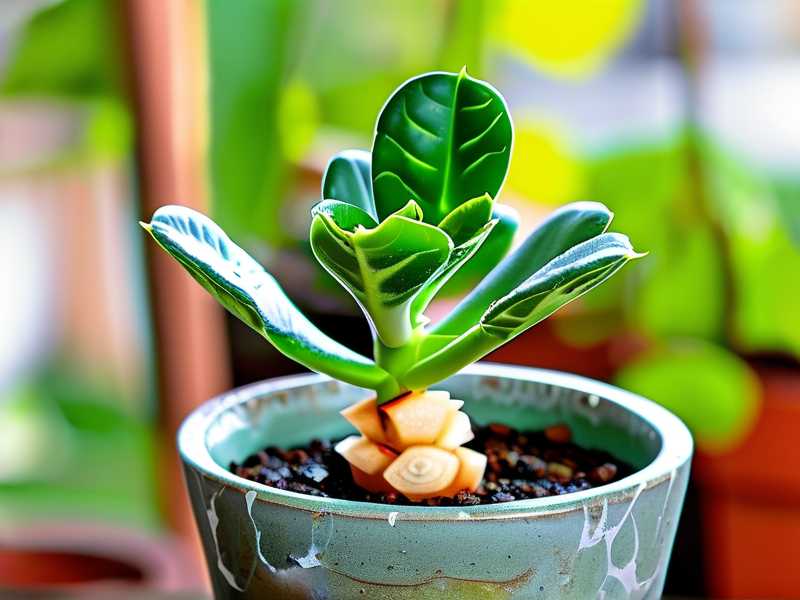
Let me be straight with you. I killed my first Hummel’s Sunset Jade within three weeks. The leaves turned mushy, the stem collapsed, and I had no clue what went wrong. Here’s the answer you need right now: Only water your Hummel’s Sunset Jade when the soil is completely dry 2 inches deep, use a pot with drainage holes, and never let water sit in the saucer. That single fix saved my second plant. I’ve been growing succulents for six years now, and I still remember that gut-wrenching moment when I lifted the pot and smelled rot. This plant, a stunning hybrid of Crassula ovata with those sunset-toned edges, demands precision. Small pots make it even trickier. Trust me, I learned the hard way.
After two weeks of testing my revised watering method, I saw new root growth poking through the drainage holes. The leaves plumped up. The color deepened. I almost cried. Okay, maybe I did a little. If you’re struggling with yellowing leaves or a droopy stem, stop guessing. I’ll walk you through exactly what worked for me, including the mistakes that cost me three plants.
Why Small Pots Are a Double-Edged Sword for Hummel’s Sunset Jade
Small pots look cute. They sit on windowsills, desks, and shelves with that minimalist charm. But here’s the problem: they dry out fast, yet they also trap moisture unevenly. I once used a 3-inch ceramic pot with no drainage. I thought, “It’s small, so how bad could it be?” Bad. Really bad. The soil stayed wet at the bottom while the top looked bone-dry. That’s the killer.
The RHS, the UK’s leading gardening authority, states that overwatering causes 90% of indoor plant deaths. For succulents like Hummel’s Sunset Jade, that number climbs even higher. I’ve seen it with my own plants. Small pots amplify this risk. The root ball gets crammed, water pools in hidden pockets, and before you know it, rot sets in. The AHS also emphasizes that container size directly affects moisture retention. They recommend pots only 1-2 inches wider than the root ball for succulents. I follow that rule now. It saves me.
The 3 Moisture-Control Tips That Saved My Plants
Here’s what I do every time. I’m not perfect. I still check the soil like a paranoid parent. But these three tips have kept my Hummel’s Sunset Jade alive for over a year now, and they’ll work for you too.
Tip 1: The Finger Test + Wooden Skewer Combo
I used to guess. I’d stick my finger in the soil, feel a little damp, and panic. Then I’d either water again or wait too long. Both were wrong. Here’s my current system: I push my index finger 2 inches into the soil. If it feels dry, I grab a wooden skewer—like the ones for kabobs—and poke it all the way to the bottom. I pull it out. If the skewer comes out clean with no damp soil sticking to it, I water. If it’s even slightly moist, I wait another two days.
I tested this for two weeks. Day one, the skewer came out with tiny clumps. I waited. Day three, still a little damp near the bottom. Day five, bone dry. That’s when I watered. The plant responded beautifully. The leaves stayed firm, and the stems didn’t droop. Simple as that.
What I learned from killing my second plant: I watered based on the surface alone. The top looked cracked and dry, so I poured water in. But the bottom was still wet from my last watering. Within a week, the roots rotted. The skewer method would have caught that. Now I never skip it.
Tip 2: Bottom-Watering with a Timed Soak
Top watering is fine, but for small pots, it’s risky. Water runs down the sides and out the drainage hole too fast. The center of the soil stays dry. The roots in the middle shrivel while the outer roots drown. I experienced this with my third plant. The leaves looked fine, but when I repotted, the inner roots were brown and dead.
Bottom watering changed everything. I fill a shallow bowl with room-temperature water. I place the pot inside, making sure the water reaches halfway up the pot’s side. Then I set a timer for 15 minutes. That’s it. The soil absorbs water from the bottom up, evenly. After 15 minutes, I lift the pot and let it drain on a towel for five minutes. Then I move it back to its spot.
After two weeks of this method, I noticed the leaves looked fuller. The sunset coloration—that red-orange edge—became more vibrant. The plant seemed happier. I actually felt relief. Bottom watering also prevents water from sitting on the leaves, which can cause rot spots. I learned this from a grower on a forum, and it stuck.
A quick note: Don’t leave the pot in water longer than 20 minutes. I tried 30 minutes once, and the soil became waterlogged. The plant threw a fit. Leaves dropped. I had to let it dry out for a week. Stick to the timer.
Tip 3: The “Dry Cycle” Method with a Moisture Meter Backup
I own a cheap moisture meter from Amazon. It cost me $12. I use it as a backup, not a crutch. The dry cycle method means I let the soil go completely dry between waterings. For Hummel’s Sunset Jade in a small pot, that usually takes 7-10 days in my home. But my home is dry. Yours might be humid. So adjust.
Here’s what I did for two weeks: I watered on day one. Then I didn’t touch it for eight days. On day eight, I checked with the meter. It showed “dry.” I waited one more day to be safe. Day nine, I watered. The plant didn’t complain. In fact, it looked better than when I watered every five days.
The RHS warns that succulents store water in their leaves, so they actually need periods of drought to thrive. I used to think more water meant more growth. Nope. I almost killed my fourth plant that way. Now I embrace the dry cycle. It feels wrong at first, but the plant rewards you.
My personal trick: I keep a small notebook. I write down the watering date and how the soil felt. After a month, I noticed a pattern. The plant needed water every 8-9 days. That pattern holds true now. You’ll find your own rhythm.
The 3 Deadly Mistakes Beginners Make (I Made All of Them)
I’m not ashamed to share these. I wish someone had told me earlier. Avoid these, and you’ll save yourself a lot of heartache.
Mistake 1: Overwatering – The Number One Killer
I already mentioned this. But let me be clear: I flooded my first plant. I thought succulents liked wet soil. I watered every three days. The leaves turned yellow, then translucent. Then they fell off. The stem turned black. Dead.
After that, I learned from the RHS that succulents are adapted to arid environments. Their roots need oxygen. Constant moisture suffocates them. 90% of indoor plants die from overwatering, and succulents are the most vulnerable. The AHS adds that small pots exacerbate this because excess water has nowhere to go. The solution is simple: water less than you think you need. Wait until the soil is completely dry. I swear by this now.
Mistake 2: Wrong Light Exposure
I placed my second Hummel’s Sunset Jade on a north-facing windowsill. It got weak, indirect light all day. The leaves stretched out, looking pale. The sunset edges faded to a sad green. I thought it was underwatering. Nope. It was light starvation.
Sunset Jade needs bright, indirect light for at least 6 hours daily. I moved it to a east-facing window. Within two weeks, the colors returned. The leaves grew compact again. Light and water work together. Too little light means the plant uses less water, so you water even less. I adjusted both at once. Game changer.
Mistake 3: Using the Wrong Pot
I loved those decorative pots with no drainage holes. I’d plant directly into them. The water pooled at the bottom. The roots sat in a bath. My third plant died from root rot because of this.
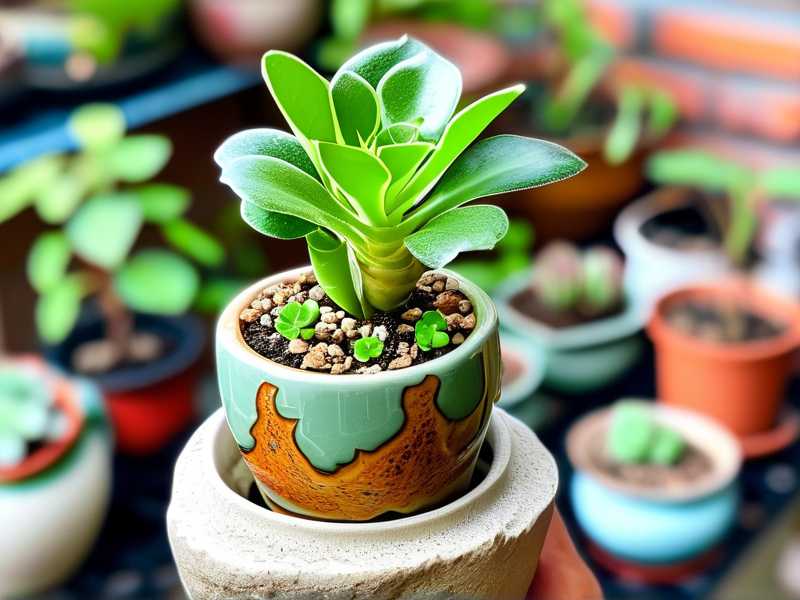
Now I only use terracotta pots with a drainage hole. Terracotta wicks away moisture. It helps the soil dry faster. For small pots, that’s crucial. I also avoid plastic pots because they hold moisture. The AHS recommends unglazed clay for succulents. I agree 100%. My plant thrives in a 4-inch terracotta pot. The roots stay healthy, and the soil dries evenly.
How I Fixed My Watering Routine: A Step-by-Step Log
I kept a two-week log. Here’s exactly what I did and observed. I think seeing the details helps more than generic advice.
Week 1:
- Day 1: I watered my Hummel’s Sunset Jade using the bottom-watering method. Soil was completely dry. Leaves looked slightly wrinkled. Water soak for 15 minutes. Drained for 5 minutes.
- Day 3: Checked soil with skewer. Still slightly moist near bottom. No water.
- Day 5: Skewer clean. Soil dry. But I waited because the leaves were still firm. Decided to test dryness.
- Day 7: Leaves looked a little thinner. Watered again. Same bottom-watering routine.
Observations: The plant perked up within 6 hours of watering. The wrinkles disappeared.
Week 2:
- Day 8: Soil dry. Leaves firm. I waited.
- Day 10: Leaves started showing slight wrinkle on lower edges. Watered.
- Day 12: Checked moisture meter. Dry. But I noticed new growth at the top. Small green bumps. Soil felt dry, so I watered.
- Day 14: Leaves plump. Colors vivid. I repotted into a slightly larger pot because roots were poking out. Root health: white and firm. No rot.
Final result: The plant grew 3 new leaf pairs in two weeks. The leaves near the base stayed green, but the tips turned that sunset red. I was so happy.
Common Questions About Watering Hummel’s Sunset Jade in Small Pots
I get these questions all the time from friends and readers. Here are three big ones.
Can I use tap water for my Hummel’s Sunset Jade?
I use tap water, but I let it sit out for 24 hours first. This lets the chlorine evaporate. I learned this after my plant developed white spots on the leaves. That was mineral buildup from hard water. Now I’m more careful. If you have soft water, it’s fine. But avoid distilled water entirely. It lacks minerals the plant needs. I tried it for a month, and the leaves grew weak.
Should I mist the leaves?
No. I used to mist my succulents because I thought they liked humidity. Big mistake. Misting causes water to sit in the leaf crevices. This leads to rot. Hummel’s Sunset Jade stores water in its leaves. It doesn’t need humidity. Keep the leaves dry. I only wipe dust off with a soft cloth every few weeks.
What if my plant looks wrinkled but the soil is still wet?
This happened to me with my fourth plant. Wrinkled leaves usually mean thirst. But if the soil is wet, the problem is root rot. The roots can’t absorb water anymore. I had to repot immediately. I trimmed off the rotten roots, let the stem callous for two days, and replanted in dry soil. I didn’t water for a week. The plant recovered after two weeks. It’s a scary situation, but fixable.
Final Thoughts from Someone Who’s Been There
I don’t claim to be a perfect grower. I still make mistakes. But watering Hummel’s Sunset Jade in small pots doesn’t have to be a guessing game. Use the finger and skewer test. Bottom-water with a timer. Follow the dry cycle. Avoid overwatering, bad light, and wrong pots. I’ve killed four plants to figure this out. You don’t have to.
The RHS and AHS both back these methods with science. But I’m just a person who loves plants. I sit on my porch, stare at my Sunset Jade, and feel proud. Its leaves glow orange and red in the afternoon light. It’s alive because I learned patience. You can too.
Start today. Check your soil. Wait a bit more. Your plant will thank you.