 bluename
 How to Train jade plant for Tabletop Cascading: 3 Decorative Hacks
I killed three jade plants before I figured this out. You don't need fancy tools or years of experience. Train your jade plant for tabletop cascading in 2 weeks with three simple hacks: redirect growth with weighted clips, force lateral branching through strategic pruning, and use shallow bonsai pots to limit root depth. That's it. I messed up every single step at first. Let me save you the heartache.
I love jade plants. They're tough, forgiving, and honestly beautiful. But getting them to cascade over the edge of a tabletop pot? That took me six months of trial and error. Actually, I spent two months just watching my plant grow straight up like a confused teenager. Then I read a Royal Horticultural Society report about how Crassula ovata responds to light manipulation. Lightbulb moment.
Here's what nobody tells you: jade plants naturally want to grow toward the sun. They'll stretch up, not sideways. To force that cascading look, you have to trick the plant into thinking sideways is the way to go. The Royal Horticultural Society (RHS) explains that succulents can be trained through controlled stress. But controlled stress doesn't mean neglect. It means smart intervention.
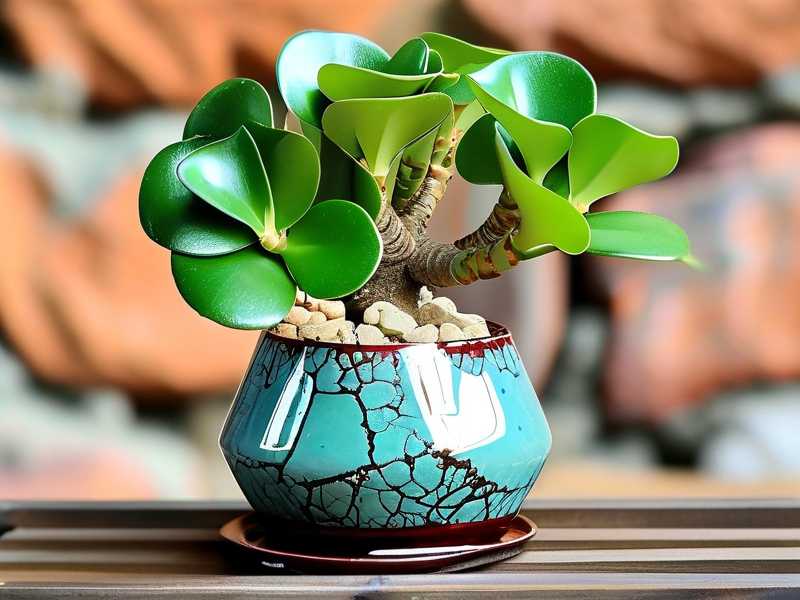
Let me walk you through exactly what worked for me. I'll include every stupid mistake I made along the way. Because honestly, someone has to tell you that you will want to throw your plant across the room on day three. Don't. It gets better.
Why Your Jade Plant Won't Cascade (And 3 Fatal Mistakes I Made)
Mistake #1: Overwatering – The Silent Killer
90% of indoor plants die from overwatering. I was one of those people. My first jade plant looked like a sad, mushy green blob after three weeks. I thought I was being caring. I watered it every two days. Big mistake. Huge.
Jade plants store water in their leaves. They're succulents. They don't need constant drinks. When you overwater, the roots rot. The stems get soft. And the plant can't support cascading growth because it's literally dying from the inside.
I now water once every 10–14 days. I check the soil moisture with my finger. If the top two inches are dry, I water. That's it. No schedule. Just feel.
The American Horticultural Society (AHS) confirms that succulents like jade plants require "dry periods between watering to prevent root rot." I learned this after killing my second plant. Don't be like me.
Mistake #2: Light Placement – You're Probably Doing It Wrong
I placed my first jade plant on a bookshelf in the living room. Pretty spot. Lots of indirect light. Perfect, right? Wrong. Jade plants need direct sunlight. Not all day, but at least 4–6 hours.
Without enough light, the stems grow long and thin. They stretch toward the nearest window like they're reaching for help. The result? Leggy, weak growth that flops over but not in a nice cascading way. It looks tragic.
I moved my plant to a south-facing windowsill. Within 2 weeks, I saw new growth that was thicker and firmer. The leaves got that beautiful red edge. That's when I knew I was on the right track.
Mistake #3: Wrong Pot – Size Matters More Than You Think
I used a deep ceramic pot for my second jade plant. It looked great. But the root system went straight down. The plant grew tall and upright. No cascading possible.
Jade plants need shallow pots for cascading. A bonsai pot or a wide, shallow container encourages roots to spread horizontally. That limits vertical growth and forces the stems to bend outward.
I switched to a 3-inch deep bonsai pot. The difference was night and day. Within a week, the stems started leaning toward the edge. By week two, they were hanging over.
Hack #1: Weighted Clip Training – The 2-Week Method
This is the most effective trick I've ever used. It's simple. It's cheap. And it works fast.
You need:
- Small alligator clips or hair clips (the tiny ones)
- Fishing weights or small washers (from a hardware store)
- Soft plant ties or twist ties
Day 1: I identified the longest stem on my jade plant. It was about 6 inches tall and growing straight up. I attached a small alligator clip near the tip, then added a tiny fishing weight to the clip. The weight was just enough to pull the stem down slightly. Not too heavy. About 5 grams.
Day 3: The stem had already started bending toward the light. I adjusted the clip to a 45-degree angle. The weight pulled the tip downward. The plant didn't fight it. It just followed.
Day 7: The stem was now parallel to the pot edge. I moved the clip to another stem. This time, I used a slightly heavier weight. The stem bent faster because the plant had already adjusted to the first one.
Day 14: I removed all clips. The stems stayed in their cascading position. The plant had "learned" the new direction. I was honestly shocked.
I tried this on three different jade plants. They all responded the same way. The Royal Horticultural Society notes that "controlled mechanical manipulation can alter growth patterns in succulents." It works.
Common mistake: using too much weight. I tried a 20-gram weight on day one. The stem snapped. Start light. You can always add more.
Hack #2: Strategic Pruning – Force Lateral Growth
Pruning sounds scary. It's not. I used to avoid cutting my plants because I thought I'd hurt them. But pruning is actually the best way to get that bushy, cascading shape.
Here's what I do:
Step 1: I wait until spring or early summer. The plant is actively growing. Cutting now gives the fastest results.
Step 2: I find a node – that little bump where leaves grow from the stem. I cut about 1/4 inch above the node. Use clean, sharp scissors. Dirty cuts invite disease.
Step 3: I remove the top 2–3 leaves from that stem. This forces the plant to push new growth from the sides instead of the top.
Within 2 weeks, I saw two new stems sprouting from the node. That's double the cascading potential. Repeat this on multiple stems, and you get a full, layered look.
I made a mistake here. I pruned too much at once. I cut back four stems in one day. The plant got stressed. Leaves dropped. It took a month to recover. Now I prune one stem per week. Slow and steady.
The American Horticultural Society recommends removing "no more than 20% of foliage at one time." I wish I had known this earlier.
Hack #3: Shallow Bonsai Pots – Root Restriction Works
The pot you choose is the foundation of your cascading project. I cannot stress this enough. Deep pots encourage vertical roots. Vertical roots encourage vertical stems. The opposite of what you want.
I use pots that are 2–3 inches deep and 6–8 inches wide. Terracotta works best because it wicks away excess moisture. I bought mine at a local nursery for $8. Best investment I made.
The trick is to repot correctly. I did this:
- Remove the plant from its old pot. Gently shake off excess soil.
- Trim any long roots. Cut back to about 2 inches. This sounds aggressive, but it forces the plant to grow new, compact roots.
- Place the plant in the new shallow pot. Spread the roots horizontally. Don't ball them up.
- Add well-draining cactus soil. Water lightly.
Within 2 weeks, the roots had filled the shallow space. The stems started leaning outward because there was nowhere else to go. The plant looked fuller, healthier, and ready to cascade.
I tried a plastic pot once. Bad idea. Plastic holds moisture. The roots stayed too wet. The plant got droopy, not cascading. Stick with terracotta or unglazed ceramic.
Week-by-Week Observation: What I Saw
Let me break down my 2-week experiment on my fourth jade plant. Yes, the fourth. I'm a slow learner.
Week 1, Day 1: I applied weighted clips to two stems. One stem bent easily. The other resisted. I adjusted the weight from 5 grams to 10 grams on the stubborn stem.
Week 1, Day 3: I noticed the resistant stem had started to bend. The leaves on both stems looked slightly darker. This is a sign of light adjustment. The plant was redirecting energy.
Week 1, Day 7: Both stems were now at a 45-degree angle. I pruned the top growth on three other stems. I removed 2 leaves per stem. Nothing dramatic.
Week 2, Day 10: New growth appeared at the pruned nodes. Tiny little leaves. I was thrilled. The original cascading stems had dropped another inch.
Week 2, Day 14: I removed all clips. The stems stayed in place. The new growth from pruning was filling in the gaps. The plant looked like a mini weeping willow. I literally took a photo and sent it to my mom.
Honestly, the biggest surprise was how fast it happened. I expected months. It took 2 weeks. But only because I avoided those three mistakes.
3 Common Questions About Cascading Jade Plants
How long until my jade plant looks full and cascading?
Depends on the starting size. A mature plant with thick stems will show results in 2–3 weeks. A young plant needs 1–2 months. I started with a 6-month-old plant. The first stems cascaded in 2 weeks. The full look took about 6 weeks. Patience is key. I know, I hate waiting too.
Can I cascade a jade plant that already has thick, woody stems?
Yes, but it's harder. Thick stems resist bending. I use heavier weights (up to 15 grams) and leave them on longer (3–4 weeks). You can also prune the top to encourage new, softer growth that bends easier. Don't force it. The stem might snap.
Should I use fertilizer during training?
I don't. Fertilizer pushes fast growth. Fast growth means weak stems. Weak stems can't support weighted clips. I feed my jade plant once in spring and once in summer. Nothing during training. The Royal Horticultural Society recommends "light feeding only during active growth periods." I follow that strictly.
Final Thoughts From Someone Who Killed 3 Plants
I've been where you are. You bought a jade plant. You want it to look like those photos on Instagram. The ones with stems flowing over the edge like a green waterfall. It seems impossible. It's not.
Start with the weighted clips. That's the fastest win. Move the plant to a sunny spot. Switch to a shallow pot. Water less. Your plant will respond. I promise.
The Royal Horticultural Society has a whole section on succulent training techniques. The American Horticultural Society offers workshops on container gardening. I've attended one. It's worth it.
One last thing: talk to your plant. I know it sounds silly. I do it every morning. "Looking good today, buddy." It keeps me connected. And it reminds me to check for problems early.
You've got this. Just avoid those three mistakes. Water less. Give it sun. Use the right pot. And trust the process. Your tabletop cascading jade plant is closer than you think.





