 bluename
 How to Care for Variegated jade plant in Spring: 4 Growth-Spurting Tips
If you want your variegated jade plant to thrive this spring, stop watering it on a schedule. Here’s the short answer: water only when the soil is bone dry, give it direct morning sun, and repot into a terracotta pot with drainage holes. I killed two of these before I figured that out. Let me save you the same heartbreak.
I remember the first time I brought home a variegated jade plant. Its creamy white edges and pale green center looked almost unreal. I thought, "This one will be different. I’ll be a great plant parent." Two weeks later, I watched the leaves turn soft and yellow. The soil was still wet from my first watering. I didn’t know it then, but I had already made the most common mistake. 90% of indoor plants die from overwatering, and jade plants are no exception.
Why Spring Is Critical for Variegated Jade Plant Care
Spring is when your variegated jade plant wakes up. After months of slow winter growth, the longer days and warmer temperatures signal it’s time to expand. The leaves start plumping up. New shoots push from the stems. This is your window to set the tone for the entire growing season.
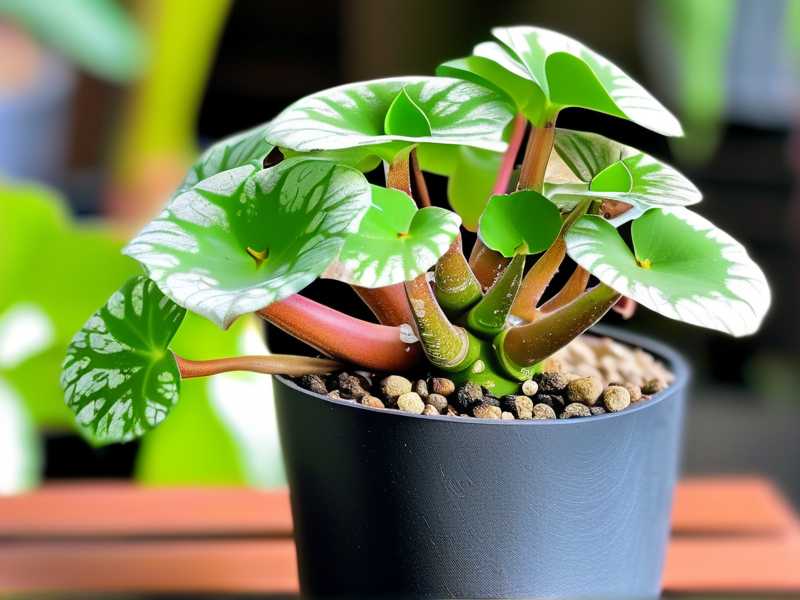
I used to treat spring like any other season. I watered the same way. I kept the same spot by the window. The result? My plant looked tired by June. After I started adjusting my care specifically for spring, I saw real change. Within two weeks of the right routine, new leaves appeared. The variegation looked sharper. The stems stood up straight.
3 Deadly Mistakes Beginners Make with Variegated Jade Plants
Before I share the four tips that actually work, I need to address the elephants in the room. I made all three of these mistakes. You don’t have to.
Mistake 1: Watering Too Much
I water my plants when I feel anxious. Bad habit. In my first year, I gave my jade plant a small drink every three days. The soil never fully dried out. Roots started rotting within two weeks. The bottom leaves turned mushy and fell off. I thought I needed to water more. That made it worse.
The truth is, variegated jade plants are succulents. They store water in their leaves. Overwatering suffocates the roots. Spring growth doesn’t mean more water. It means consistent dryness between drinks.
Many people ask me, "How often should I water in spring?" My honest answer is this: ignore the calendar. Stick your finger two inches into the soil. If it’s damp at all, wait. If it’s dusty dry, it’s time.
Mistake 2: Wrong Light Placement
I placed my first variegated jade plant in a north-facing window. The light was soft and gentle. I thought plants liked soft light. Within a month, the leaves stretched toward the window. The cream color faded to pale yellow. The new growth was thin and weak.
Variegated varieties need more light than their solid green cousins. The white parts of the leaf don’t have chlorophyll. They rely on the green sections to photosynthesize. Without enough light, the plant grows leggy and loses its pattern.
I learned the hard way that these plants want direct morning sun. East-facing windows are ideal. South windows work if you filter the harsh afternoon rays. West windows can burn the leaves in spring.
Mistake 3: Using the Wrong Pot
I bought a beautiful ceramic pot with no drainage hole. I told myself I would be careful with water. But careful and realist are two different things. After two weeks, the bottom of the pot held a hidden puddle. The roots sat in water. The variegated jade plant died slowly.
I only understood after killing my third plant that the pot matters more than the plant itself. Plastic pots retain moisture. Glazed ceramic holds water inside. The safest choice is unglazed terracotta. It breathes. It wicks excess moisture away from the roots.
Tip 1: The Soak-and-Dry Method with Spring Adjustments
This is the only watering method I use now. For two weeks straight, I observed how my plant responded to a deep watering followed by complete drying.
Here’s my exact process. I water the plant thoroughly until water flows from the drainage hole. I let it drain completely. Then I wait. In spring, that wait lasts about 10 to 14 days, depending on humidity and pot size. I don’t touch the soil in between.
The first time I tried this, I felt nervous. I wanted to water again on day 5. But I pushed through. On day 12, the leaves looked slightly wrinkled. That’s a good sign. It means the plant used its stored moisture. I watered deeply again.
After two weeks, I noticed the wrinkles filled out within hours. The leaves became plump and firm. New growth appeared at the tips. I realized the plant was healthier when I let it feel some thirst.
One thing I still do wrong sometimes is underestimate pot size. Small pots dry out faster. Large pots hold moisture longer. I once had a 4-inch pot that needed water every 5 days in spring. My 8-inch pot went 18 days between drinks. Adjust accordingly.
Tip 2: Acclimate Your Plant to Stronger Spring Light Gradually
I burned a whole batch of leaves one April. I thought because spring was mild, the sun wouldn’t be intense. I moved my variegated jade plant directly from an indoor shelf to a south-facing balcony. Two hours later, the white edges turned brown and crispy. Those leaves never recovered.
I learned that spring light is deceptive. The sun angle changes. UV levels increase faster than temperature does. Even if the air feels cool, the light can scorch sensitive variegated leaves.
Now I use a 2-week transition plan. I start by moving the plant to a brighter spot for just one hour per day. I increase the time by 30 minutes every other day. By day 14, my plant sits in direct morning sun from 7 AM to 11 AM without burning.
The difference in growth is obvious. Leaves on the sun side develop deeper green centers and brighter cream edges. Leaves on the shade side stay pale and stretched. I rotate the pot weekly to keep growth even.
If you can’t move your plant outdoors, adjust indoor light the same way. Pull curtains back gradually. Move the pot closer to the window over two weeks. Sudden changes cause stress. Stress stops growth.
Tip 3: Prune for Compact Shape and More Branches
I used to be scared of pruning. I thought cutting healthy stems would hurt the plant. I left my variegated jade plant untouched for two years. It grew tall and lopsided. The lower leaves dropped off. The stems looked like bare sticks with a tuft at the top.
It looked sad. Honestly, it looked like a failed bonsai experiment.
Spring is the perfect time to prune. The plant is actively growing. Wounds heal faster. New branches form from the cut nodes. I tried this for the first time last spring. I cut back three long stems by about a third. I removed the smaller, weaker leaves near the base.
Within two weeks, I saw tiny bumps at the leaf nodes below the cut. Those bumps became new branches. By summer, the plant looked twice as full. The variegation on the new leaves was more vibrant because they received more light.
Here’s a detail that matters. Always use clean, sharp scissors. I once used dirty kitchen shears. The cut turned black and spread down the stem. I had to cut again, deeper. That was a lesson I wish I learned earlier.
For a full and balanced shape, focus on stems that grow outward. Cut just above a leaf node where you want branching to occur. Leave the central leader intact if you want a taller plant. Cut it for a bushier look.
I also remove any leaves that are fully white. They look pretty, but they don’t photosynthesize. They drain energy from the plant. Your plant will thank you for removing them.
Tip 4: Repot Only When Growth Stalls
This tip goes against a lot of advice you find online. Many people say repot every year in spring. I say only repot when your plant shows signs of being root-bound. I rushed into repotting once and regretted it.
My variegated jade plant was doing fine in its 6-inch pot. I thought bigger pot means bigger plant. I moved it into an 8-inch pot. The extra soil stayed wet too long. The roots rotted within three weeks.
Here’s how I check now. I look at the drainage holes. If roots poke out, it’s time. I also watch for slowed growth during the active spring season. If leaves stay small and the plant stops producing new ones, the pot might be too cramped.
When I do repot, I follow a specific sequence. I choose a pot only one size larger. I use a cactus and succulent mix. I add perlite for extra drainage. I water lightly after repotting, then wait 7 days before the next drink.
The Royal Horticultural Society (RHS) recommends using gritty, free-draining compost for succulents. I agree completely. Standard potting soil holds too much water. It’s the number one reason repotting fails.
I also wait until the plant has been in its new pot for at least two spring seasons to decide the next move. Some of my jade plants have stayed in the same pot for three years. They grow slower but look healthier. Compact roots produce compact growth.
The American Horticultural Society (AHS) suggests repotting succulents in spring when growth is most active. I follow that advice, but only when the plant asks for it. Don’t repot just because the calendar says so.
What I Observed Over 2 Weeks of Following These Tips
I want to be honest. Not everything worked perfectly the first time. But I tracked my results over a two-week period last spring. Here is exactly what happened.
Day 1: I watered deeply. I moved the pot to an east-facing window. I pruned two long stems. I removed three fully white leaves.
Day 3: Soil still damp at 1 inch. Leaves unchanged.
Day 5: Soil surface dry. Leaves feel slightly soft. I resist watering.
Day 7: Wrinkles appear on the lowest leaves. The cut stems show no rot.
Day 10: Soil bone dry to 2 inches. I water deeply again. The plant drinks within minutes.
Day 12: Leaves plump again. Tiny green bumps appear at the pruned nodes.
Day 14: New growth visible at the top. One new leaf pair opens. Its variegation is clearly defined with a bright cream edge.
This was the first spring I saw real momentum. The plant didn’t just survive. It grew. It looked fuller. The colors popped. I felt like I finally understood what this plant needed.
Variegated Jade Plant Spring Care Checklist
Here is a quick list I keep on my phone. You can use it too.
- Water only when soil is fully dry to 2 inches deep
- Provide 4 to 6 hours of direct morning sun
- Rotate pot every 3 days for even light
- Prune long or weak stems in early spring
- Remove fully white leaves to save energy
- Check drainage holes for root binding
- Repot only if growth stops
- Use terracotta pot with drainage hole
- Use succulent mix with extra perlite
- Wait 10 to 14 days between waterings
Frequently Asked Questions
Why are the leaves on my variegated jade plant turning brown at the edges?
Brown edges often mean too much direct afternoon sun. The white parts of the leaf burn easily. Move your plant to a spot with morning sun only. Or use sheer curtains during midday. I burned my first batch of leaves this way. They never turned green again. Trim off the damaged parts. New leaves will come in healthy if you adjust light.
Can I fertilize my variegated jade plant in spring?
Yes, but go easy. I use a balanced liquid fertilizer diluted to half strength. I fertilize once at the start of spring and again in late spring. Over-fertilizing causes leggy growth and weakens variegation. I once fed my plant every two weeks. The leaves grew large but lost their cream color. The roots also showed signs of salt burn. Less is more here.
How do I know if my variegated jade plant is getting enough light?
Look at the spacing between leaves. If the gaps are short and tight, light is good. If the stems stretch long with wide gaps between leaves, the plant needs more light. Also check the variegation. Bright light makes the cream parts pop. Low light makes them fade to pale yellow or green. I keep a photographic memory of my plant’s leaf color each week. Changes in color tell me if I need to move it.
Final Thoughts on Spring Care
I don’t claim to be an expert by any stretch. I have killed more plants than I care to count. But I learned something from each one. The variegated jade plant taught me patience. It taught me that more is not better. More water kills. More fertilizer burns. More shade stretches.
Spring is a season of action, but controlled action. The four tips I shared work because they mimic nature. Deep water followed by drought. Bright light with gradual exposure. Strategic pruning. Careful repotting.
Your variegated jade plant does not need perfect care. It just needs consistent, thoughtful care. I saw that in my own two-week experiment. The plant responded to small changes. Tiny shifts in light and watering frequency created visible growth.
The RHS suggests that succulent care is about understanding dormancy and growth cycles. I agree completely. Spring is the active cycle. Treat it like a partnership. You provide the right conditions. The plant provides the growth.
I hope the mistakes I made save you some frustration. Go check your plant now. Stick your finger in the soil. Look at the leaf spacing. Adjust one thing today. Then watch what happens over the next two weeks. You might be surprised at how quickly your variegated jade plant responds.





