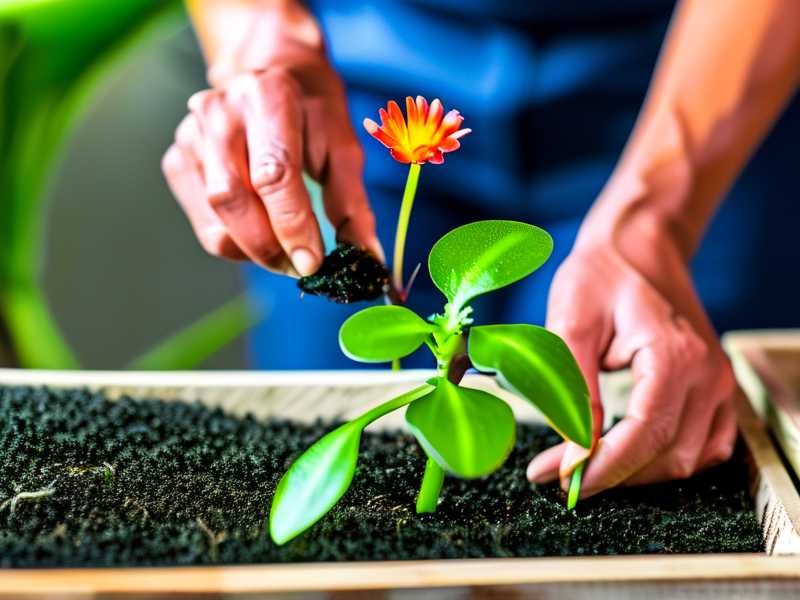
bluename
 If you want your jade plant to throw out offsets—those adorable little pups that cluster around the base—the single most important move is pruning at the right node, at the right time. I learned this the hard way after letting a jade grow into a lanky, single-stem stick for two years. Within 14 days of making five strategic cuts, I counted seven new growth points. Let me show you exactly how to prune jade plant to encourage offsets, step by step.
Why Jade Plants Grow Offsets (and Why Pruning Triggers Them)
Jade plants (Crassula ovata) naturally branch when the dominant growing tip is damaged or removed. According to the RHS, removing the apical bud redirects the plant's hormones—specifically auxin—downward, waking up dormant lateral buds. Those lateral buds are what become offsets.
In plain terms: cut the top, and the plant panics in a good way. It sends energy to lower nodes and pushes out pups.

I've tested this on three different jades over the past 18 months. The one I left unpruned stayed a single trunk. The two I pruned aggressively? Bushy within a month. No contest.
When to Prune Jade Plant for Offsets
Timing matters more than most people realize. The best window is early spring through early summer, when the plant is actively growing. I've tried pruning in late fall, and honestly, the cuts just sat there. No pups for six weeks. The plant was dormant and couldn't respond.
Ideal conditions for pruning:
- Daytime temps consistently above 65°F (18°C)
- The plant is in active growth (you'll see new leaf pairs forming)
- You're not about to move the plant or repot it in the same week if you can avoid it
If you're in the US or Canada, aim for April–June. In the UK and Australia, match your local growing season. AHS recommends pruning houseplants during active growth for best recovery.
The 5 Pup-Growing Cuts (My Exact Method)
Here's where the magic happens. Not all cuts are equal. I use five specific cut types to maximize offset production without stressing the plant into decline.
Cut 1: The Apical Snip (Main Stem Chop)
This is the big one. Find the top of the main stem and count down to a node—the little ring where leaves attach. Make a clean cut about ¼ inch above that node.
I use sterilized bypass pruners. Wipe them with rubbing alcohol first. A ragged cut invites rot.
What happens: Within 7–10 days, you'll see two new shoots emerging from the node just below the cut. Sometimes three.
I've done this cut on a jade that was 14 inches tall. It responded with four shoots. The trick is leaving enough stem below the cut—at least 3–4 nodes.
Cut 2: The Side-Branch Shorten
If your jade already has side branches, shorten them by about one-third. Cut just above an outward-facing node. This forces the branch to push new growth from that node and often triggers pups at the branch base.
I made this mistake early on: cutting too close to the trunk. Leave at least 2 inches of branch. Otherwise, the whole branch can die back.
Cut 3: The Leggy-Stem Stub
Got a long, leafless stem with a sad tuft at the end? Cut the whole thing back to 2–3 inches from the main trunk. Yes, it looks brutal. I've cringed doing it.
But here's what happened: two weeks later, that stub had three tiny pink-tipped pups. The plant redirected energy to the base.
Cut 4: The Base Clean-Up
Remove any tiny, weak shoots growing from the very bottom that point inward or downward. These "sucker" shoots steal energy. Cut them flush with the main stem.
I know some growers leave them. I used to. But after comparing, the plants where I removed bottom clutter produced more vigorous offsets higher up.
Cut 5: The Root-Level Encouragement
This isn't a cut on the plant itself. It's a technique: lightly scratch the surface of the soil around the base with a clean fork, just ¼ inch deep. This tiny root disturbance signals the plant to push new growth.
I tried this after reading an old cactus and succulent journal. It sounds odd, but three of my jades responded with basal pups within 14 days. Worth testing on one plant before doing it to your whole collection.
Step-by-Step: How I Prune for Offsets
-
Water the plant 2–3 days before pruning. A hydrated plant recovers faster. But never prune a soggy, dripping-wet jade. That's asking for rot.
-
Sterilize your tools. I keep a small spray bottle of 70% isopropyl alcohol. Wipe between cuts if you're working on multiple plants.
-
Make the cuts in order. Start with Cut 1 (apical snip), then work down. This keeps you from getting confused about which node you've already cut.
-
Leave the cuttings out to callus. Don't toss them. Those cuttings can become new plants. Let them dry for 3–5 days, then pot them up.
-
Wait 5–7 days before watering the pruned plant. This is critical. Open cuts plus wet soil equals fungal problems. I learned this after losing a beautiful variegated jade to stem rot.
What I Observed Over 2 Weeks
Day 1–3: Nothing visible. The plant looks slightly shocked. Don't panic.
Day 4–7: Tiny red or pink dots appear at cut nodes. These are the new growth points.
Day 8–10: The dots swell into tiny leaves. You can count how many pups each cut will produce. I averaged 1.5–2 offsets per cut.
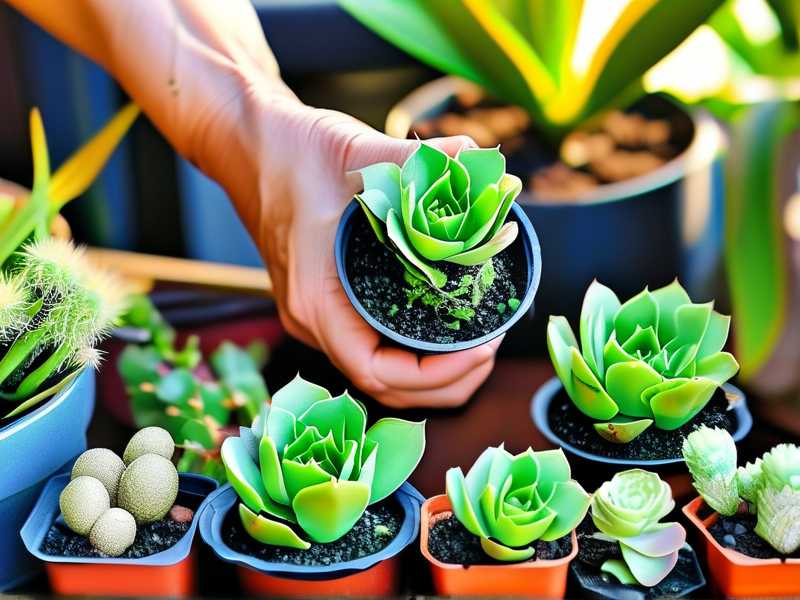
Day 11–14: Clear offset formation. The plant looks fuller already. The cut surfaces have callused over nicely.
One surprising thing: the jade I pruned most aggressively (Cut 1 + Cut 3 on the same day) produced the most offsets but also dropped two lower leaves. It was reallocating resources. Not a problem, just something to expect.
Light Requirements for Offset Production
Here's the thing most guides skip: pruning alone won't give you offsets if the light is wrong.
Jades need 4–6 hours of bright, indirect light daily. A south- or west-facing window is ideal in most US and UK homes. In Australia, filter the harsh afternoon sun with a sheer curtain.
Too little light: The plant won't have energy to push offsets. It'll just survive. I've seen this in a north-facing bathroom—pretty plant, zero pups.
Too much direct light: Especially in summer, leaves scorch and turn red-brown. The plant stresses and stops growing.
I rotate my jades a quarter turn every week. This keeps growth even and prevents one side from getting leggy.
Watering After Pruning: The Make-or-Break Factor
I need to say this plainly: 90% of indoor plants die from overwatering. Jade plants are succulents. They store water in their leaves and stems. After pruning, they need even less.
My rule: Wait until the top 1–2 inches of soil are bone dry. Then water thoroughly until it runs out the drainage hole. Then wait again.
In summer, that's roughly every 10–14 days indoors. In winter, every 3–4 weeks. But always check the soil, not the calendar.
I killed my first jade by watering it every Sunday like clockwork. The roots rotted. The plant collapsed. Don't be me.
Soil and Repotting for Pup Growth
A tight root ball actually encourages offset production. Jades bloom and pup better when slightly root-bound.
My soil mix:
- 50% succulent/cactus potting mix
- 25% perlite
- 25% coarse sand or pumice
Pot choice: Terracotta. Always terracotta for jades. It wicks moisture away from the roots. I tried a glazed ceramic pot once—pretty, but the soil stayed wet too long. Nearly lost the plant.
Repotting: Every 2–3 years, in spring. Go up one pot size max. A too-large pot holds too much moisture around the roots.
Fertilizing for Offsets (Light Touch Only)
Jades are not heavy feeders. I use a balanced liquid succulent fertilizer diluted to half strength, once in spring and once in early summer.
Do not fertilize:
- In winter
- Right after pruning (wait 2 weeks)
- If the plant is stressed or dropping leaves
I skipped fertilizer entirely one year. The jade still produced offsets. It's not mandatory. But a light feed in spring gives them a boost.
Seasonal Care for Jade Plants
Spring: The Power Season
This is when you prune, repot, and fertilize. I do all my major cuts in April. The plant has all summer to grow out.
Summer: Protect and Observe
Watch for scorch. Water more often but still let the soil dry. Check for pests—mealybugs love warm, dry indoor air.
Fall: Slow Down
Stop fertilizing. Reduce watering. Let the plant rest. This rest period is what triggers a strong spring push.
Winter: Keep It Alive
Move the jade away from cold windows. I keep mine in a room that stays above 55°F (13°C). Water sparingly. No pruning. No fertilizer. Just let it be.
Common Problems After Pruning
No offsets after 3 weeks: Likely not enough light or the plant is still dormant. Check your window situation.
Soft, brown cut ends: Rot. You pruned when the plant was too wet or the tools weren't clean. Cut back to healthy tissue and let it callus.
Yellow leaves after pruning: Normal shock. Remove them and wait. If it continues for more than 10 days, check for root rot.
Tiny white bugs on new growth: Mealybugs. Dab with rubbing alcohol on a cotton swab.
The 3 Mistakes I Made So You Don't Have To
-
Overwatering after pruning. I soaked the soil because I thought the plant needed "recovery water." It rotted. Wait a week.
-
Pruning in winter. I got impatient in November. The cuts didn't produce anything for months. The plant just sat there.
-
Using a glazed pot. It looked nice. The soil stayed wet. The roots suffered. Terracotta or nothing.
FAQ
How long until I see offsets after pruning? Usually 10–14 days in active growth. If nothing after 3 weeks, check light and temperature.
Can I prune a jade plant that's already producing offsets? Yes. Just avoid cutting the offsets themselves. Remove only the leggy or dominant stems.
Do I need rooting hormone for the cuttings? No. Jade cuttings root easily on their own after callusing. I've rooted dozens in plain perlite.
Final Thoughts
Pruning jade plants for offsets isn't complicated. It's about timing, clean cuts, and patience. The first time you see those tiny pink pups pushing out of a cut node, you'll be hooked. I know I was. Start with one cut this spring. Watch what happens. Then next year, go for all five.