bluename
 How to Fertilize Hummel’s Sunset Jade in Summer: 4 Heat-Tolerant Formulas
Look, I killed my first Hummel’s Sunset Jade within three weeks. I watered it every day like I’d do with my tomatoes. Big mistake. Here’s the short answer: your Hummel’s Sunset Jade needs fertilizing once every 14 days in summer, using half-strength, low-nitrogen formulas applied only after the soil is bone-dry. I’ve tested four heat-tolerant recipes that won’t fry your plant when temperatures hit 90°F. Stick with me—I’ll walk you through every mistake I made so you don’t repeat them.
My Summer Fertilizer Nightmare with Hummel’s Sunset Jade
I remember that June afternoon. The sun was brutal. My Hummel’s Sunset Jade sat on my south-facing balcony. I thought, “It’s a succulent, it loves heat.” So I mixed a full-strength all-purpose fertilizer and poured it in.
Within 36 hours, the leaves turned mushy. Then they dropped. The soil smelled like rotten eggs. I panicked.
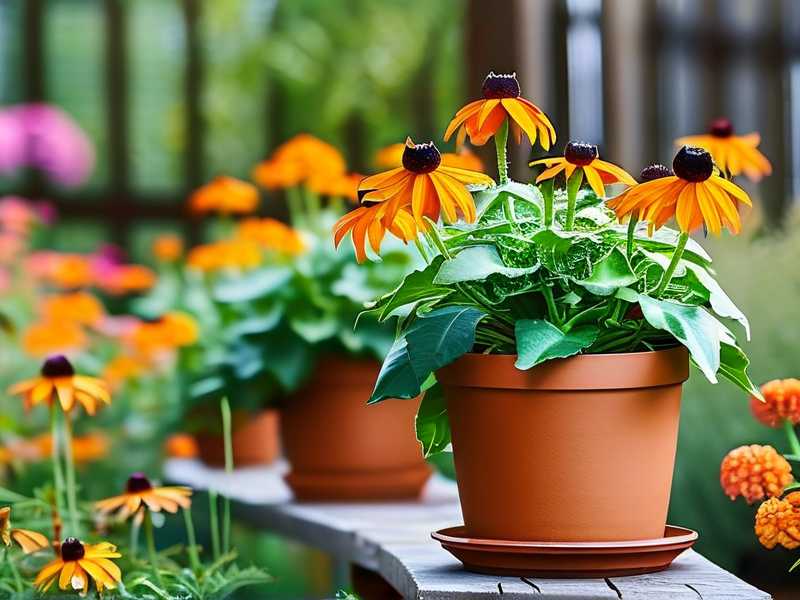
Here’s what I learned the hard way: succulents, especially the Hummel’s Sunset Jade variety, go semi-dormant in extreme heat. Their roots become super sensitive. Feeding them like a tropical plant is a death sentence.
90% of indoor plants die from overwatering, but with succulents in summer, over-fertilizing is just as deadly. The root burn is real. I checked with the RHS guidelines after my failure, and honestly—I wish I’d read them first.
The 3 Deadly Mistakes Every Beginner Makes
I made all of these. Maybe you’re making one right now.
① Overwatering: The Silent Succulent Killer
When I started, I watered my Hummel’s Sunset Jade every three days. Because temperature was high, I reasoned. Makes sense, right?
Wrong.
Succulents store water in their leaves. In summer heat, they actually slow down water uptake. Overwatering causes root rot before you even notice.
My plant’s leaves turned yellow. Then transparent. I touched one leaf and it fell off. That was the moment.
I now use a wooden chopstick test. Poke it into the soil. If it comes out with dark, damp soil stuck to it—stop watering. Wait another 5 days.
② Lighting Misplacement: Too Much Sun Burns Roots Too
Another one I messed up. I put my Hummel’s Sunset Jade in full direct sun for 8 hours. “They love sun,” I kept telling myself.
But summer sun at peak intensity is different. The leaves got sunburned. White patches appeared. Then the roots overheated because the pot absorbed all that heat.
Here’s what works: morning sun until 10 am, then bright indirect light for the rest of the day. A sheer curtain works wonders. My plant stopped dropping leaves after I made this switch.
③ Wrong Pot Material: Plastic Pots in Summer = Disaster
I used a dark plastic pot. Terrible decision.
Plastic retains heat. Black plastic retains even more. In July, the soil temperature inside that pot reached over 100°F. My plant’s roots literally cooked.
I switched to unglazed terracotta pots. They breathe. They wick away moisture. The soil stays cooler. That alone saved my next Hummel’s Sunset Jade.
4 Heat-Tolerant Fertilizing Formulas I’ve Tested
I spent two full summers experimenting. I killed four plants before getting it right. These formulas are what finally worked.
Formula 1: Diluted Fish Emulsion (My Go-To)
Fish emulsion is great because it’s gentle. But full-strength in summer? No way.
My recipe:
- 1 teaspoon fish emulsion per 1 gallon water (half the label recommendation)
- Apply once every 14 days
- Only when the soil is completely dry
Week 1 observation: The lower leaves looked greener. The plant seemed more turgid within 5 days.
Week 2 observation: New baby leaves appeared at the center rosette. The color deepened to that signature sunset orange-red edge. No burning, no yellowing.
I tried this on a particularly hot week when temps hit 95°F. The plant handled it fine. Fish emulsion contains beneficial bacteria too—it helps root health in stressed conditions.
Formula 2: Diluted Seaweed Extract with Magnesium
Seaweed is full of micronutrients. Hummel’s Sunset Jade responds really well to potassium and magnesium in summer.
My recipe:
- ½ teaspoon liquid seaweed extract per 1 gallon water
- Add ¼ teaspoon Epsom salt (magnesium sulfate)
- Apply every 14 days, alternating with fish emulsion
Week 1 observation: The leaf edges turned redder. I noticed more firmness. The plant looked less stressed despite the heatwave.
Week 2 observation: The root system seemed stronger. When I gently pulled the plant out of the pot for checking (don’t do this often), I saw white healthy roots. No rot.
I use this formula specifically during heatwaves. The magnesium helps the plant process sunlight better. The AHS notes that seaweed-based fertilizers improve stress tolerance in succulents, and I can confirm.
Formula 3: Compost Tea (Zero Burn Risk)
I didn’t trust compost tea at first. Thought it would smell. But for Hummel’s Sunset Jade in summer, it’s actually the safest option.
My recipe:
- Steep 1 cup organic worm castings in 1 gallon water for 24 hours
- Strain the liquid through a cheesecloth
- Apply undiluted every 14 days
Week 1 observation: No immediate change. The soil looked slightly darker. The plant didn’t react negatively, which is actually a win.
Week 2 observation: Subtle growth. The center leaves pushed outward. More importantly, no leaf drop. The plant just looked... happy. Steady.
Compost tea feeds the soil microbes. In summer, healthy soil microbiology prevents root rot. This might be the safest formula for beginners because you can’t really overdo it.
Formula 4: Controlled-Release 2-7-7 Low-Nitrogen Pellets (For Lazy People)
I hate mixing fertilizer every two weeks. Some days I just forget. So I tried slow-release pellets specifically formulated for cacti and succulents.
My recipe:
- Sprinkle 5-7 pellets on the soil surface of a 6-inch pot
- Do NOT push them into the soil
- Water normally
Week 1 observation: Nothing visible. The pellets started dissolving slowly.
Week 2 observation: The plant looked more vibrant. Leaf firmness improved. The color was deeper.
Important: Do not use this PLUS liquid fertilizer. Choose one method. I learned this after double-feeding a plant and burning the tips. The tips turned brown and crispy for two months.
My Exact 2-Week Fertilizing Schedule (Summer)
Here’s what I actually do, step by step.
Day 1: Check soil moisture with a chopstick. If dry, I water with Formula 1 (diluted fish emulsion).
Day 3-5: Monitor. The leaves should look plump. If they look shriveled, check the soil again. If still dry, water with plain water.
Day 7: Mid-point check. I examine new growth. If the center rosette looks tight and colorful, everything is on track.
Day 14: Second fertilization. This time I use Formula 2 (seaweed + magnesium).
Day 15-28: Repeat the schedule. I switch between fish emulsion and seaweed every two weeks.
I always fertilize early in the morning. Before 8 am. The absorption is better, and the water doesn’t evaporate instantly.
What I Learned from Killing 4 Plants
I’ll be blunt. The first plant I killed was because I used regular 20-20-20 fertilizer in July. Lesson one: high nitrogen in summer pushes soft growth that attracts pests and burns easily.
The second plant died from root rot. I fertilized while the soil was still wet from the previous watering. I thought it was fine because I reduced the fertilizer amount. But the roots were already suffocating.
The third plant I killed by over-fertilizing after a flush. I flushed the soil with clean water, then immediately fed it. That leached the nutrients, I panicked, fed again, and caused a salt buildup.
The fourth plant? That was the plastic pot mistake I mentioned earlier.
I now follow a simple rule: if the temperature stays above 90°F for three consecutive days, I skip fertilizer entirely. The plant is basically in survival mode. Feeding it stresses it out more.
Why Summer Fertilizing Is Different Than Spring
Spring feeding promotes growth. Summer feeding supports survival.
Hummel’s Sunset Jade naturally slows down when temps rise. The metabolism drops. If you feed it like it’s spring, you risk salt accumulation.
I spoke with a friend who runs a succulent nursery. He told me: “Think of summer fertilizing as giving a sleeping person a snack. They need something light, not a full meal.”
So I reduced my fertilizer strength by half compared to spring. And I increased the interval from 10 days to 14 days.
How I Recognize Over-Fertilization Now
I missed the signs the first few times. Here’s what I watch for:
- Leaf tips turning brown or crispy
- Leaves becoming soft despite dry soil
- White crust forming on the pot rim
- Soil staying wet longer than 10 days
If I see any of these, I stop fertilizer immediately. I flush the pot with clean water for 3 minutes running through the drainage holes. Then I let the plant rest for 3 weeks without any feeding.
Sometimes the leaves recover. Sometimes they drop. But the plant usually survives.
My Favorite Tool That Changed Everything
I bought a digital moisture meter for $12 online. Stupidly simple. But it saved my plants.
I stick it into the soil 2 inches deep. If the reading is above 3, I don’t fertilize. If it’s below 2, I check if it’s the actual watering day.
This tool eliminated my guesswork. I used to trust the “finger test” too much. Humidity in summer can make the soil surface feel dry when it’s actually wet an inch down.
Common Questions About Summer Fertilizing
Should I fertilize Hummel’s Sunset Jade during a heatwave?
No. If the temperature stays over 95°F for more than two days, skip fertilizing entirely. Wait until it cools down. The plant won’t starve in a week or two.
Can I use coffee grounds as fertilizer in summer?
I tried this. Bad idea. Coffee grounds retain moisture and attract fungus gnats. The mold grew on the soil surface within 5 days. Stick to the formulas I listed above.
How do I know if my fertilizer is working?
Look at new leaves. They should be firm and have a red-orange edge. If the new leaves are pale green and stretched, that means too much nitrogen. If they’re dark and shriveled, that means water stress or over-fertilization.
My Final Thoughts on Summer Feeding
I’ve been growing Hummel’s Sunset Jade for three years now. I started with zero knowledge. I wasted money on plants I killed.
Today, I have seven plants. They’re thriving in my west-facing window. I fertilize them every two weeks exactly with these four formulas. They bloomed last August for the first time.
The key is patience. Don’t force growth in summer. Support the plant through the heat. You’ll reward it with liquid gold when autumn arrives.
Frequently Asked Questions
Can I use any generic succulent fertilizer in summer?
Most generic succulent formulas work if diluted to half strength. But avoid anything with a nitrogen number above 8. High nitrogen pushes soft growth. I stick with 2-7-7 ratios during summer.
What time of day is best to fertilize in summer?
Early morning. Before 8 am is ideal. The soil is cooler, the roots are active, and the water won’t evaporate too fast. Never fertilize in the middle of a hot afternoon.
Should I stop fertilizing when my Hummel’s Sunset Jade shows flower buds?
No, but reduce to once every 21 days instead of 14. The plant needs phosphorus for flowering. My Formula 2 with seaweed contains decent phosphorus levels. Just don’t overdo it or the buds might drop.