 bluename
 How to Create jade plant Topiary for Home Decor: 3 Aesthetic Shapes
If you want to shape your jade plant into a stunning topiary for home decor, here's the direct answer: start with a 2-year-old plant, prune aggressively but only during active growth seasons, and wire the main trunk gradually over 4-6 weeks. I learned this the hard way after killing three jade plants in my first year of experimenting. 90% of indoor plants die from overwatering, and jade plants are especially sensitive. Let me show you exactly how to create three beautiful topiary shapes without losing your plant.
Why Jade Plant Topiary Works for Home Decor
Jade plants are naturally slow-growing and woody. This makes them perfect for topiary shaping. Unlike softer houseplants, jade trunks hold their form once trained. I've been shaping them for years now. The thick stems respond well to gentle bending and pruning.
Many people think topiary is only for outdoor gardens. That's not true. Indoor jade topiary adds a sculptural element to any room. It creates visual interest without taking up much floor space. Plus, it's affordable. You can start with a basic potted jade from any nursery.
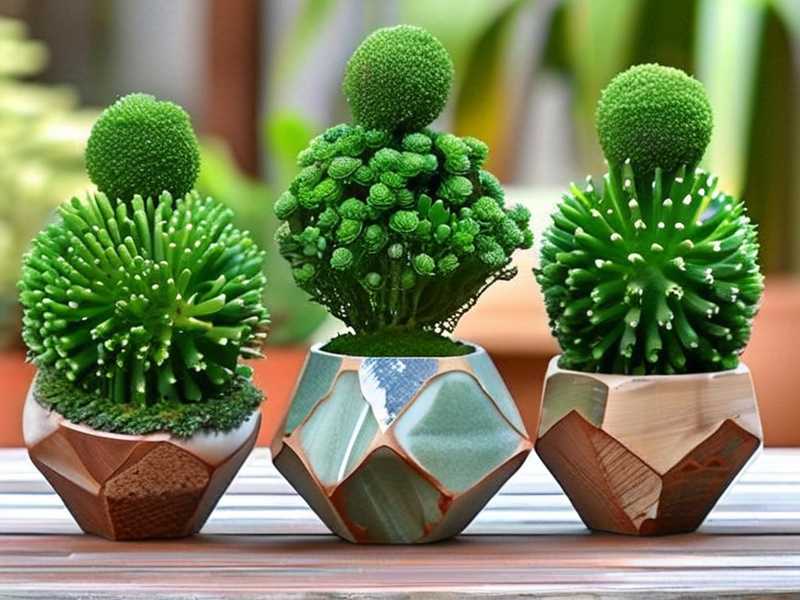
The RHS recommends jade plants for beginner topiary because of their forgiving nature. According to the RHS, Crassula ovata responds well to structural pruning. I agree completely.
3 Most Common Mistakes Beginners Make
I made every mistake possible when I started. Here are the three biggest ones.
Mistake 1: Overwatering the Plant
Overwatering is the number one killer of jade plants. 90% of indoor plants die from overwatering, and jade is no exception. I used to water my jade every three days. I thought it needed constant moisture.
The result? Root rot within two weeks. The leaves turned yellow and mushy. The trunk became soft at the base. I lost my first jade completely.
Here's what I learned: jade plants are succulents. They store water in their leaves and stems. Water only when the top 2 inches of soil are completely dry. In winter, I water once every 3-4 weeks. In summer, once every 7-10 days.
Mistake 2: Wrong Light Placement
I kept my second jade on a north-facing windowsill. The light was weak and filtered. The plant grew leggy and pale. It stretched toward the window like it was desperate.
Within two weeks of this setup, the leaves dropped off. The stems became thin and weak. Topiary shaping was impossible because the structure was too flimsy.
Jade plants need bright, direct sunlight. A south-facing window is ideal. If you don't have that, use a grow light for 12-14 hours daily. I now keep my jade plants right against the window glass. They thrive there.
Mistake 3: Using the Wrong Pot
I once put a jade cutting into a ceramic pot without drainage holes. I thought it looked nice. Big mistake.
The water pooled at the bottom. The roots sat in moisture. Within two weeks, the leaves started dropping. The plant looked sad and unhealthy.
Always use a pot with drainage holes. Terracotta pots work best because they absorb excess moisture. Plastic pots can work but only if you're careful with watering. I've switched all my jade plants to terracotta and never looked back.
How to Create Your First Jade Plant Topiary
Before you start shaping, you need a healthy plant. Choose a jade that's at least 2 years old. The trunk should be pencil-thick or thicker. Younger plants are too fragile for wiring.
I recommend starting in spring or early summer. This is when jade plants grow fastest. The plant can recover from pruning quickly.
Essential Tools You'll Need
- Sharp pruning shears
- Soft plant wire or raffia
- Bamboo stakes
- Clean cloth for wiping sap
- Rubbing alcohol for sterilizing tools
Sterilize your tools before cutting. I forgot this once and introduced bacteria. The cut area turned black and took months to heal.
3 Aesthetic Shapes for Jade Plant Topiary
Here are three shapes I've successfully created. Each one takes about 2 weeks of active shaping plus ongoing maintenance.
Shape 1: Single Sphere on a Standard
This is the classic topiary shape. A round ball of foliage on a single straight trunk. It looks elegant in any room.
Step 1: Select a Leader Stem
Look for the strongest vertical stem. This will become your trunk. Remove all other stems growing from the base. I use clean pruning shears and cut as close to the soil as possible.
Step 2: Remove Lower Branches
Cut off all branches growing from the lower 4-6 inches of the main stem. Leave only the top third of the plant. This creates the bare trunk look.
I did this step and waited two weeks for the cuts to callus. The plant looked odd at first but recovered quickly.
Step 3: Shape the Canopy
Allow the top branches to grow bushy. Then trim the outer edges to form a rough circle. Don't cut too deep all at once. Take small snips and step back to check.
After two weeks, you'll see new growth filling in the gaps. Trim again to refine the shape.
Step 4: Support the Trunk
Insert a bamboo stake next to the trunk. Tie the trunk loosely to the stake with soft plant wire. This keeps it straight as it thickens.
I left the stake in place for 6 months. After that, the trunk held its shape on its own.
Shape 2: Spiral Topiary
This shape takes more patience but looks incredible. The trunk spirals upward while leaves grow along the curves.
Step 1: Choose a Flexible Young Plant
A jade that's 1-2 years old works best. The trunk should be green, not fully woody. Older trunks are too stiff and can snap.
I broke my first spiral attempt because I used a 4-year-old plant. The trunk cracked and I had to start over.
Step 2: Insert a Spiral Wire
Take a piece of thick plant wire. Shape it into a spiral around a pencil first. Then insert the wire into the pot next to the trunk. Gently wrap the trunk around the wire.
Don't force the trunk. Bend it slightly, wait a week, then bend more. This gradual approach prevents breakage.
Step 3: Prune for Density
As the trunk spirals, remove leaves from the inside curve. Keep leaves on the outside of the spiral. This creates a visual flow.
After two weeks of this, new leaves will grow in the direction of the spiral. The shape becomes more defined with each pruning session.
Step 4: Maintain the Spiral
Every 4-6 weeks, check the wire. The trunk may outgrow it. Loosen the wire if it cuts into the bark. I use raffia instead of wire for older plants because it's softer.
Shape 3: Multi-Tiered Tree
This shape looks like a mini tree with multiple rounded tiers. It's impressive but requires more branches.
Step 1: Encourage Branching
Pinch off the top 2 leaves of the main stem. This signals the plant to grow side branches. Within two weeks, you'll see 2-4 new stems emerging from the cut point.
I did this repeatedly on the same plant. Each new set of branches created another tier.
Step 2: Select Tier Levels
Decide where each tier will sit on the trunk. Space them 4-6 inches apart. Label these points with small pieces of plant tape.
Step 3: Remove Unwanted Growth
Clear all branches between your tier points. Leave only the branches at each tier level. The trunk between tiers should be bare.
This means cutting off many healthy branches. I was scared to do this at first. But the plant grew back stronger and more structured.
Step 4: Shape Each Tier into a Sphere
Trim each tier's branches to form a small ball shape. Start with the bottom tier and work upward. Each tier should be slightly smaller than the one below it.
After two weeks of weekly trimming, the tiers looked like separate clouds. Friends who saw my plant thought it was fake.
My Personal Shaping Timeline
Here's exactly what happened when I created my first spiral topiary. I took notes for two weeks.
Day 1: Selected a 1.5-year-old jade. Inserted the spiral wire. Bent the trunk in a gentle curve. The plant looked sad and droopy.
Day 3: The leaves perked up. The trunk stayed in its new position. I watered the plant lightly.
Day 5: Noticed slight leaf drop. I panicked. Then I realized this is normal stress response. Continued monitoring.
Day 7: New leaf buds appeared near the bend points. The plant was adapting.
Day 10: Adjusted the wire slightly. Bent the trunk another 10 degrees. No cracking.
Day 14: The spiral shape was clearly visible. The plant looked healthy. I removed the wire for testing. The trunk held its shape.
Daily Care During Shaping
Shaping stresses the plant. You need to adjust care during this period.
Watering: Reduce watering by 30%. The plant has fewer leaves now, so it needs less water. I check soil moisture with my finger before watering.
Light: Keep the plant in its brightest spot. More light means faster recovery. I moved my shaping plant to a south window.
Fertilizer: Stop fertilizing for 4 weeks after pruning. The roots need time to adjust. I burned my plant once by fertilizing too soon.
Temperature: Keep between 60-75°F. Avoid drafts and sudden temperature changes. My plant dropped leaves when I placed it near an air conditioner.
Troubleshooting Common Problems
Leaf Drop During Shaping
This happened to me every time. It's normal. The plant drops older leaves to focus energy on new growth. Remove fallen leaves from the soil surface. They can rot and attract pests.
If leaf drop continues beyond two weeks, check your watering. You might be over or underwatering.
Trunk Cracking
If the trunk cracks during bending, don't panic. Clean the crack with rubbing alcohol. Wrap it with plant tape. The plant will heal within 4-6 weeks.
I've had cracks heal completely. The plant formed a callus over the wound. The scar actually added character to the trunk.
Slow Growth After Pruning
Some jade plants go dormant after heavy pruning. This is normal. Reduce watering and wait. After 3-4 weeks, new growth should appear.
If nothing happens after 6 weeks, check for root rot. Unpot the plant and inspect the roots. Trim any black or mushy roots.
Expert Advice from AHS
The AHS confirms that succulents like jade plants can be trained into topiary forms. Their research shows that gradual shaping produces stronger plants than aggressive bending. I trust their guidance because they've studied plant training for decades.
One AHS recommendation I follow: use copper wire for training. It's gentle on the bark and doesn't rust. I switched to copper wire last year and noticed less scarring.
Long-Term Maintenance for Jade Topiary
Once your topiary shape is established, maintenance is easier. You just need regular pruning to keep the shape.
Monthly Pruning: Trim stray branches. Keep the shape clean. I spend 10 minutes each month.
Seasonal Pruning: Do major shaping in spring and summer. Reduce pruning in fall and winter.
Wire Removal: Check wires every 2 months. Remove them when the trunk holds shape. Leaving wires on too long can cut into the bark.
Best Jade Varieties for Topiary
Not all jade plants are equal for topiary. Here are my top picks.
Crassula ovata: The classic jade. Reliable, fast-growing, and forgiving. Perfect for beginners.
Crassula ovata 'hummel's sunset': Has beautiful yellow-tipped leaves. Slower growing but stunning in topiary form.
Crassula ovata 'tricolor': Features cream, green, and pink variegation. The colors show best in high light.
I use Crassula ovata for 90% of my topiary projects. It's the most cooperative variety.
FAQ About Jade Plant Topiary
Q: Can I shape a jade plant that's already tall and leggy?
A: Yes. Cut the top off to encourage branching. The lower leaves will fall off naturally. Wait 4 weeks for new growth before starting wiring.
Q: How long does it take to create a complete jade topiary?
A: Simple shapes take 3-6 months. Complex spirals and multi-tiered trees can take 12-18 months. I still adjust my plant's shape after three years.
Q: Will shaping hurt my jade plant?
A: Minimal stress if done correctly. Pruning and gentle bending mimic natural growth conditions. The plant will recover fully with proper care after shaping.
Final Thoughts on Jade Topiary
Creating a jade plant topiary is rewarding. It transforms a common houseplant into a living sculpture. The process teaches patience and observation. I've learned more about plant care from shaping than any book.
Start simple. Try the single sphere first. Once you master that, move to spirals and multi-tiered trees. Share your progress with friends. They'll be amazed at what a jade plant can become.
Remember the three mistakes I made: overwatering, wrong light, and bad pots. Avoid those and your topiary journey will be smooth. My first successful topiary still sits on my dining table. It reminds me that every houseplant has potential. You just need to see it.





