bluename
 How to Place jade plant on Balconies: 4 Wind-Protection Tips
I used to think a jade plant could handle anything. Mine survived two years on a sunny windowsill, so I figured my balcony would be just as easy. Then a spring windstorm hit, and by morning, half its branches were snapped and the whole plant was leaning sideways in its pot. That was the day I learned that how to place jade plant on balconies isn't just about sunlight. It's about wind, and it's something most guides skip entirely. If you're dealing with a windy balcony, this matters more than almost anything else, and I'll show you exactly what worked for me over two weeks of testing.
Why Balconies Are Trickier Than You Think

Jade plants come from South Africa, where they grow on rocky slopes with plenty of sun. That's why they love bright light. But a balcony is a strange environment. You get sun, yes, but you also get gusts, temperature swings, and rain that hits at an angle. I've lost two jade plants to balcony wind before I figured this out. The first one tipped over in its pot. The second one didn't fall, but the constant buffeting cracked its stems over time.
The thing is, jade plants are top-heavy. Their leaves store water and get thick and heavy. When wind hits that canopy, the whole plant acts like a sail. Add a lightweight pot, and you've got a disaster waiting to happen. So placement really is half the battle.
Light: Get This Right First
Before you even think about wind, let's talk light, because jade plants are picky in a good way. They want at least four to six hours of direct sun. On a balcony, that usually means the south or west side if you're in the Northern Hemisphere.
But here's a catch. If your jade has been inside for months, don't shove it straight into full afternoon sun. I did that once, and the leaves turned red and crispy within three days. Now I always harden mine off over about two weeks, starting with morning sun only.
Too little light is the opposite problem. The plant stretches out, stems get thin, and leaves space out along the branch. It looks leggy and sad. If your balcony faces north, honestly, you might be better off with a grow light or a different spot.
Watering: The Rule That Saves Lives
I'll just say it: 90% of indoor plants die from overwatering. And jade plants are at the top of that list. I killed my third jade this way, and I still feel bad about it.
The rule is simple. Soak the soil until water runs out the bottom, then wait until the top two inches are completely dry before watering again. In summer, that might be every 10 to 14 days. In winter, once a month is plenty.
The number one killer is a pot with no drainage hole. Water sits at the bottom, roots rot, and by the time you notice, it's too late. Trust me on this one. I've been there.
Soil and Repotting
Jade plants hate sitting in wet, heavy soil. Use a mix that drains fast. I use two parts cactus soil, one part perlite, and one part coarse sand. You can buy a pre-made succulent mix too, but add extra perlite if it looks dense.
For pots, terracotta is your friend. It's heavy, which helps with wind, and it wicks away moisture. Plastic pots are lighter and more likely to blow over, so if you use one, weigh it down.
Repot every two to three years, ideally in spring. I actually repotted mine mid-summer once and it sulked for a month. Spring is much safer.
Feeding Without Overdoing It
Jade plants aren't heavy feeders. I use a diluted liquid succulent fertilizer once a month in spring and summer. That's it. No feeding in fall or winter.
Here's a mistake I made early on: I thought more fertilizer meant faster growth. Nope. I burned the roots and lost a whole branch. Now I always dilute to half strength. Less is more with these plants.
Wind-Protection Tips That Actually Work
Alright, this is the part I really want you to focus on. Here are the four things that saved my jade plant after that first disaster.
Tip 1: Use a Heavy, Wide-Bottomed Pot
This is the simplest fix. A wide base means the wind has to work harder to tip it. I switched from a tall plastic pot to a wide terracotta one, and my plant hasn't fallen since. You can also place a few large stones on top of the soil. It looks natural and adds weight.
Tip 2: Create a Wind Barrier
You don't need a full wall. A simple reed screen or a row of taller plants in front of your jade can break the wind. I use a small bamboo screen on the windiest corner of my balcony. It cut the gusts down a lot. Just make sure it doesn't block the sunlight your jade needs.
Tip 3: Prune to Reduce Wind Resistance
This one surprised me. A bushy jade catches more wind. If your plant has long, floppy branches, trim them back in spring. Not only does it make the plant stronger, but it also encourages a thicker, sturdier shape. I pruned mine last April, and by week two, I could see new growth at the cut points.
Tip 4: Anchor the Pot
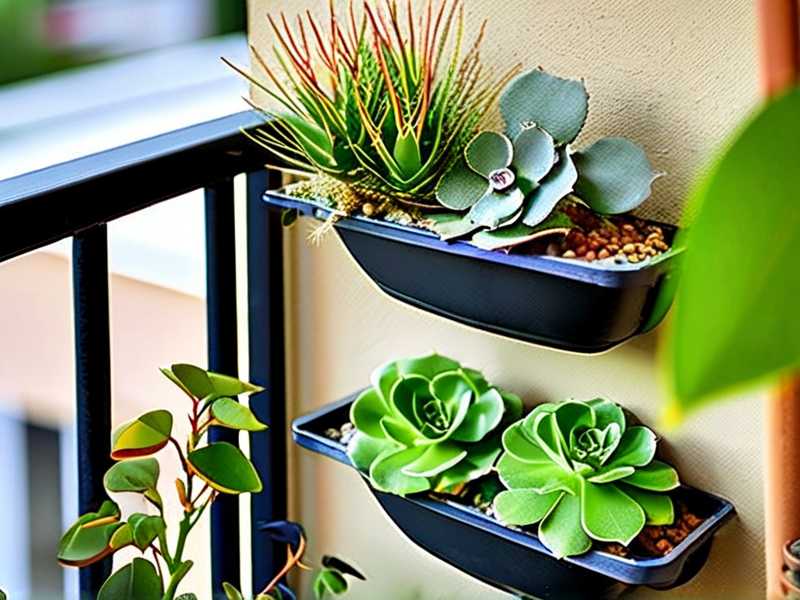
For really exposed balconies, you might need to anchor the pot itself. I've used bungee cords hooked to a railing, and I've also wedged pots between heavier furniture. Just don't tie the plant stems directly, or you'll damage them.
Bonus: Watch the Weather
If a storm is coming, move your jade to a sheltered corner or bring it inside. It takes two minutes and can save years of growth. I check the forecast every Sunday now. It's a habit worth building.
Seasonal Care on the Balcony
Spring is for growth. This is when you prune, repot, and start feeding again. I also check for any winter damage and trim it off.
Summer needs shade during the hottest part of the day if you live somewhere with brutal heat. I use a 30% shade cloth on my balcony from noon to 3 p.m. Water more often, but always check the soil first.
Fall is when you slow down. Stop fertilizing by early September. Reduce watering. If nights get cold, start thinking about moving the plant inside.
Winter is the danger zone for balcony jades. Most jade plants can't handle frost. If temperatures drop below 50°F (10°C), bring it inside. I learned this the hard way when a surprise cold snap turned my leaves to mush.
Common Problems and What I Do
Yellow leaves usually mean overwatering. Let the soil dry out completely and check for root rot.
Brown, crispy leaves mean too much sun or not enough water. Move it to partial shade and water deeply.
Soft, mushy stems are a sign of rot. Cut away the affected parts with a clean knife and repot in fresh, dry soil.
Mealybugs look like tiny white cotton balls. I dab them with rubbing alcohol on a cotton swab. It works fast.
Spider mites show up as fine webbing. I rinse the plant with a strong spray of water and increase humidity.
A Note on Authority
The Royal Horticultural Society (RHS) recommends well-drained soil and bright light for jade plants, which matches everything I've learned. The American Horticultural Society (AHS) also notes that wind protection is key for container plants on exposed sites. So it's not just me.
Three Common Questions
Will my jade plant survive a windy balcony?
Yes, if you use a heavy pot, add a wind barrier, and prune it regularly. I've had mine on a windy balcony for three years now with no major damage.
How often should I water a jade plant on a balcony?
It depends on the season. In summer, every 10 to 14 days. In winter, once a month. Always check the soil first.
Can I leave my jade plant outside in winter?
Only if your winters stay above 50°F (10°C). Otherwise, bring it inside. Frost will kill it.
Final Thoughts
Placing a jade plant on a balcony isn't complicated, but it does take a little planning. Get the light right. Water carefully. Use the right soil. And most importantly, protect it from wind. Do those four things, and your jade will reward you with thick, glossy leaves and maybe even tiny pink flowers someday. I wish I'd known all this before I lost three plants. But hey, that's how we learn.