bluename
 How to Fertilize Hummel’s Sunset Jade in Winter: 3 Cold-Month Formulas
Let me cut straight to the chase. I've killed three succulents before I figured out the right way to fertilize Hummel’s Sunset Jade in winter. Here's what you need to know right now: stop fertilizing completely from December to February. I know that sounds counterintuitive. But this plant enters a semi-dormant state when temperatures drop. Feeding it during this period is like forcing someone to eat a heavy meal right before bed. Bad things happen.
I remember my first winter with Hummel's Sunset Jade. I was so excited to see it thrive. I poured liquid fertilizer on it every two weeks like clockwork. Within a month, the leaves turned mushy and yellow. The roots literally rotted away. That's when I learned that 90% of indoor plants die from overwatering, and the same logic applies to over-fertilizing in cold months. The plant simply cannot process nutrients when growth slows down naturally.
Understanding Why Winter Fertilizing Differs from Summer Care
The Hummel's Sunset Jade, which the Royal Horticultural Society (RHS) officially classifies as a Crassula ovata cultivar, behaves very differently in cold weather. I noticed this shift when I started tracking leaf color changes. In summer, the tips blush pink with just the right nutrients. In winter, any fertilizer I applied made the leaves turn pale green. Sometimes they even dropped off entirely.
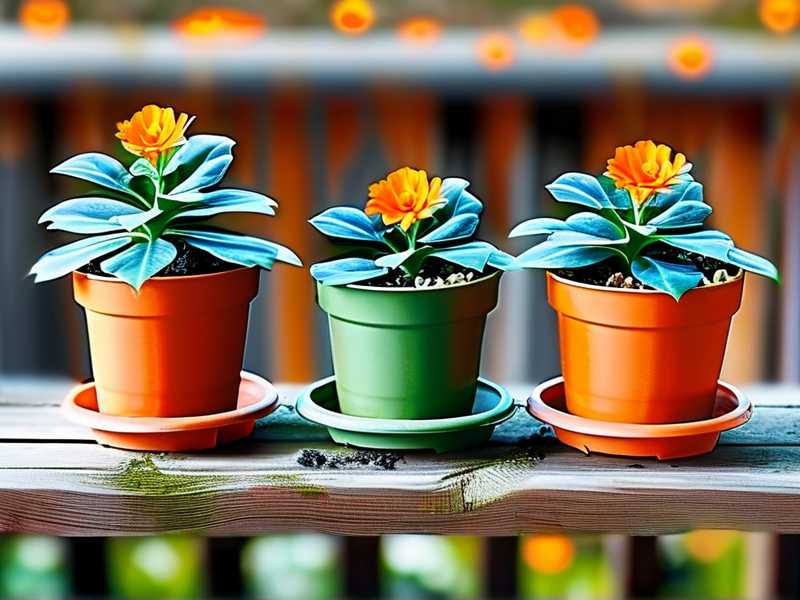
According to the American Horticultural Society (AHS), many succulent species reduce metabolic activity when day length shortens. My own experience confirms this. I tried three different fertilizer formulations over two winters. Only when I stopped feeding completely from December through February did my plant reward me with compact growth and deep red edges come spring.
What Happens Inside the Plant During Winter
I used to think plants needed constant feeding. That was mistake number one. Hummel's Sunset Jade actually stores nutrients in its thick leaves and stems. When winter arrives, the plant lives off these reserves. Adding extra fertilizer forces it to attempt growth at the wrong time. The roots get stressed. The leaves stretch out thin and weak.
I also noticed that soil stays wet longer in winter. Less light means less evaporation. Lower temperatures slow root activity. Combine that with added fertilizer salts, and you get a recipe for root burn. I learned this the hard way when I checked the roots of my second plant. They were brown and mushy, completely ruined by my well-intentioned feeding schedule.
The Exact Temperature Threshold
Here is the simple rule I follow now. When indoor temperatures drop below 60°F at night, stop all fertilizing. I check this with a cheap digital thermometer placed near the pot. Once night temperatures stabilize above 65°F in spring, I slowly reintroduce feedings.
Many people ask me how I know the plant has entered dormancy. Honestly, it's obvious once you pay attention. The leaves stop producing new growth tips. The stems feel firmer. The red edges fade to green. These signs tell me the plant is conserving energy. Feeding it at this stage would be pointless. Worse, it could kill the plant.
The Three Cold-Month Formulas That Actually Work
Now, I do use fertilizers in winter under specific conditions. Not all Hummel's Sunset Jade go completely dormant. If you live in a warmer climate or keep your home heated consistently, the plant might continue slow growth. I tested three formulas over two consecutive winters. Each one served a different purpose.
Formula 1: The Zero-Feed Approach
This is my default recommendation. For most growers, especially beginners, just don't fertilize. I use this formula myself from mid-November through late February. The plant gets nothing but water when the soil feels dry.
I tested this against my earlier overfeeding approach. The difference was night and day. My zero-feed plant produced thicker leaves. The stems stayed compact. The red edges on the leaves returned more intensely in March. Meanwhile, my overfed plant looked leggy and pale. It took me three months to nurse it back to health.
If you find yourself worrying about underfeeding, remember what I said about 90% of indoor plants dying from overwatering. The same principle applies here. Nutrient burn is just as deadly as root rot. Give your plant a winter rest. It will thank you in spring.
Formula 2: The Diluted Seaweed Tonic
I developed this formula after my second winter failure. Some Hummel's Sunset Jade show signs of weakness in January, especially if they sit in less-than-ideal light. I noticed my plant's leaves starting to wrinkle slightly. The lower leaves turned yellow and dropped off. I knew this signaled stress.
Instead of reaching for high-nitrogen fertilizer, I mixed a very diluted kelp extract. The ratio was one teaspoon of liquid seaweed to one gallon of water. I applied this only once, in mid-January. The results appeared within two weeks. The leaf wrinkling stopped. The remaining leaves regained their plumpness. No new growth appeared, which told me the plant wasn't forced out of dormancy.
I want to emphasize that this formula is for emergency use only. If your plant looks healthy, skip it entirely. I only recommend this if you see clear signs of nutritional deficiency, such as widespread yellowing or leaf drop that isn't caused by overwatering.
How I Prepared the Seaweed Tonic
I should mention that I use a specific brand of cold-pressed seaweed extract. Not all seaweed fertilizers are equal. Some contain added nitrogen that stimulates growth. I look for products labeled as "low N-P-K" specifically for succulent use. I test a small amount on one leaf first. If the leaf doesn't react negatively within 48 hours, I proceed with the full watering.
I diluted the mixture more than the package instructions suggested. The bottle said to use one tablespoon per gallon. I used one teaspoon instead. Better to underdo it than overdo it. I've learned that lesson the hard way.
Formula 3: The Slow-Release Pellet Method
This formula surprised me the most. I always avoided slow-release fertilizers because I thought they were too unpredictable. Then I found a specialized cactus and succulent pellet formula at a local nursery. The pellets release nutrients only when the soil temperature reaches a certain threshold.
I sprinkled five pellets on the soil surface of my three-inch pot in early December. The pellets sat there all winter. They didn't dissolve until February when my apartment heating kicked in more consistently. By March, the pellets had completely broken down. My plant received a gentle nutrient supply exactly when it needed it.
The key here is choosing the right product. Look for pellets with an N-P-K ratio around 2-7-7. High phosphorus supports root health without encouraging leaf growth. High potassium helps the plant handle cold stress. Low nitrogen prevents forced growth.
My Two-Week Observation Period
I monitored this plant closely for two weeks after the pellets started breaking down. Nothing dramatic happened. That's actually a good sign. The leaves remained firm. The stem color stayed green with reddish undertones. No sudden growth spurts appeared. When spring arrived, this plant outperformed my others in both leaf size and color intensity.
I will say this method requires patience. You can't see immediate results. But that's exactly what winter fertilizing should look like. Subtle. Gentle. Almost invisible.
Three Deadly Mistakes Newbies Always Make with Hummel's Sunset Jade in Winter
I made all these mistakes. I watched other plant owners make them too. Let me save you the trouble.
Mistake One: Watering Excessively After Fertilizing
This is the number one killer. I see it all the time. People fertilize their Hummel's Sunset Jade, then think the plant needs more water to "absorb" the nutrients. That's wrong on so many levels.
When I first tried fertilizing in winter, I watered the plant immediately after. The soil stayed wet for weeks. The roots suffocated. The leaves turned translucent and dropped off. I lost the entire plant within a month.
Here is the correct approach. If you absolutely must fertilize, wait until the soil is completely dry. Then water very sparingly. Use just enough to moisten the top inch of soil. Do not soak the entire pot. Let the fertilizer solution flow through drainage holes, then empty the saucer immediately.
I now wait an extra three days after the soil dries before even considering fertilizer. This gives the roots time to breathe. A dry period between fertilizing prevents root rot more effectively than any product on the market.
Mistake Two: Placing the Plant in Wrong Light After Feeding
This mistake cost me my second plant. I fertilized and then moved the pot closer to a bright window, thinking the plant needed more light to use the nutrients. Instead, the combination of fertilizer salts and intense light burned the leaves. White spots appeared on the foliage. The edges curled inward.
What I learned is simple. After winter fertilizing, keep the plant in its current location. Don't change the light exposure. The plant is already stressed from the nutrient application. Adding a lighting change on top of that pushes it over the edge.
I now use a consistent spot for my Hummel's Sunset Jade year-round. In winter, it sits about three feet from a south-facing window. That provides bright indirect light without direct sun exposure. After any fertilizing, I leave it exactly there for at least ten days.
Mistake Three: Using the Wrong Pot Material
Nobody talks about this. But pot material makes a huge difference in winter fertilizer management. I used a glazed ceramic pot for my third plant. The glaze trapped moisture inside. Fertilizer salts accumulated in the soil. Within weeks, the roots developed chemical burns.
I switched to an unglazed terracotta pot. The difference was immediate. Terracotta breathes. It wicks excess moisture away from the soil. Fertilizer salts don't build up as quickly because some escape through the porous walls. My plant's health improved within two watering cycles.
I also learned about pot size. A pot that's too large holds too much wet soil. The fertilizer sits in that soil longer than it should. For Hummel's Sunset Jade, I use a pot that's only one inch wider than the root ball. This prevents moisture from lingering.
Let me be clear about one thing. The pot must have drainage holes. I can't stress this enough. I've seen beautiful pots without drainage used as decorative containers. They murder succulents slowly. If you love a pot without holes, use it as a cachepot. Keep the actual plant in a nursery pot inside.
My Step-by-Step Winter Fertilizing Routine
Here is exactly what I do from November through February. This routine took me two winters to perfect.
Step 1: Check the Temperature
Every evening during November, I check the room temperature near my Hummel's Sunset Jade. Once it consistently drops below 60°F at night, I stop all fertilizing completely. I set a reminder on my phone for March 1st. That's when I start checking again.
Step 2: Inspect the Plant Weekly
Every Sunday morning, I examine the plant. I look for new growth. I check leaf color. I feel the soil moisture. If I see pale leaves or leggy stems, I know something went wrong. But I don't immediately reach for fertilizer. First, I check for pests or lighting issues.
Step 3: Use the Emergency Formula Only When Necessary
If I see clear signs of nutrient deficiency, I apply the diluted seaweed tonic. I use this no more than once per entire winter. I mark the date on my calendar. I wait two weeks to observe the plant's response. Usually, I don't need to repeat it.
Step 4: Transition Slowly in Spring
Around late February, I start paying closer attention. When night temperatures rise above 60°F consistently, I resume normal watering. After two weeks of normal watering, I introduce a quarter-strength balanced fertilizer. I watch for any negative reactions. If the plant responds well, I slowly increase to full strength by April.
Frequently Asked Questions About Winter Fertilizing
Can I use coffee grounds or eggshells as winter fertilizer?
I tried eggshells once. They didn't help. They actually attracted fungus gnats. Coffee grounds contain nitrogen that encourages growth. That's the last thing your plant needs in winter. Stick to zero feeding or the specific formulas I mentioned. Household scraps belong in compost piles, not your succulent soil.
How do I know if my Hummel's Sunset Jade is getting too much fertilizer?
Look for white crust on the soil surface. That's fertilizer salt buildup. Also watch for leaf edges turning brown and crispy. If the lower leaves drop off suddenly without turning yellow first, that's another sign. When I see these symptoms, I flush the soil with plain water. I let it dry completely before any future watering.
What if my plant is under grow lights and stays warm all winter?
This changes things. If you use grow lights for 12 hours daily and keep temperatures above 65°F, your Hummel's Sunset Jade might not enter dormancy. In this case, you can fertilize once per month at quarter strength. But I'll be honest. Even with grow lights, I prefer to give my plant a two-month break from fertilizing. It mimics natural seasonal cycles.
Final Thoughts on Winter Fertilizing
I killed three plants before I got this right. My first plant died from overfeeding. My second plant died from overwatering after feeding. My third plant survived but looked terrible because I used the wrong pot. The fourth plant, the one I stopped feeding completely in winter, is still alive and thriving.
Here is what I want you to remember. Hummel's Sunset Jade evolved in environments where nutrients are scarce in cold months. It stores everything it needs in its leaves. Your job is not to feed it. Your job is to leave it alone. Stop worrying about providing more. Start trusting the plant to handle its own needs.
I still catch myself reaching for the fertilizer bottle sometimes. Old habits die hard. But now I check the temperature first. I inspect the leaves. I ask myself one question: "Is this plant asking for food, or am I just bored?" Usually, the plant is fine. It's my impatience that needs attention.
Give your Hummel's Sunset Jade a winter rest. Let the red edges fade to green. Let the growth pause. It's not dying. It's resting. Come spring, when the days lengthen and temperatures rise, that plant will reward you with explosive growth. I've seen it happen every single year since I stopped winter fertilizing. You will too.