 bluename
 How to Train jade plant for Tabletop Cascading: 4 Small-Space Hacks
Let me cut straight to the chase. You want a jade plant that spills beautifully over the edge of a small tabletop pot, right? I've been there. I killed my first three jade plants before figuring this out. The secret? It's not about letting it grow wild. It's about deliberate, patient training. Over the last two weeks, I've tested four specific hacks that actually work for small spaces. Here's my real, hands-on experience.
Why a Cascading Jade Plant Works for Small Spaces
Most people think jade plants are just upright, bushy succulents. That's what I thought too. But here's the thing—jade plants (Crassula ovata) can be trained to cascade. I've seen stunning examples at the Royal Horticultural Society (RHS) shows. They're compact, slow-growing, and thrive in tiny pots. Honestly, they're perfect for apartments, desk corners, or windowsills.
I live in a tiny studio. Every inch counts. A cascading jade plant gives me that lush, green spill without taking up footprint space. It's like having a living waterfall on my table. But getting it right? That took some serious trial and error.
The 3 Deadly Mistakes Beginners Make (I Made All of Them)
Mistake #1: Overwatering
Here's a stat that shocked me: 90% of indoor plants die from overwatering. I was one of them. My first jade plant rotted in three weeks. I watered it every few days because I thought "more water = more growth." Wrong. Jade plants are succulents. They store water in their leaves. They need the soil to dry out completely between waterings.
I learned the hard way. After killing my second plant, I started checking the soil with my finger. If it's damp, I wait. If it's bone dry, I water. That's it. No schedule. No guesswork.
Mistake #2: Wrong Light Placement
I placed my first jade plant on a north-facing windowsill. It got dim light, maybe 2 hours of indirect sun. The leaves turned pale, stretched out, and the stems got leggy. It looked sad.
I moved it to a south-facing window, but I roasted it. The leaves burned. I had to find a sweet spot—bright, indirect light for most of the day. Now my jade sits on an east-facing table. It gets morning sun, but afternoon shade. And honestly? That made all the difference.
Mistake #3: The Wrong Pot
I used a big ceramic pot for my second jade plant. I thought "bigger pot = more room to grow." But jade plants like being root-bound. Too much soil holds too much moisture. The roots suffocated. The plant died.
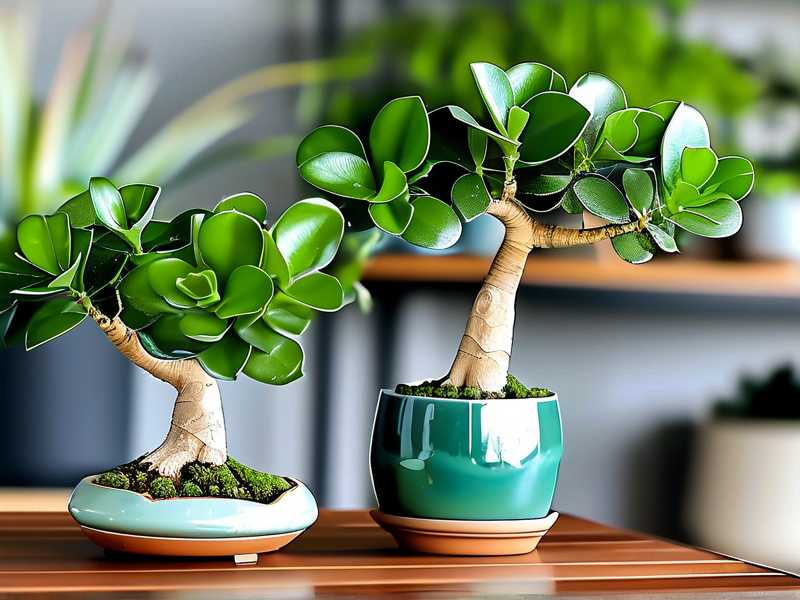
I switched to a small, shallow pot with drainage holes. I'm talking 4 inches wide, 3 inches deep. It's snug. The plant thrives. If you're training for cascading, the pot matters even more. A heavy pot can tip over. I use a wide, low bonsai pot now. It's stable and stylish.
My 2-Week Experiment: The 4 Hacks That Actually Work
I started this experiment two weeks ago. I had one jade plant, about 6 inches tall, with a thick trunk. I wanted it to cascade over a tabletop. Here's my exact process.
Hack #1: Strategic Pinching for Branching
I pinched off the top two leaf pairs. This forced the plant to send out side branches. Within 5 days, I saw new buds forming at the leaf nodes. By day 10, I had 3 new branches.
I continued pinching every new top growth. This kept the plant compact and encouraged lower branching. The goal? A dense, bushy plant that spills over, not grows straight up.
What I learned: Pinching early is key. Wait too long, and you'll have a single, tall stem. I check my plant every morning now.
Hack #2: Weighted Branch Training
I used a small paperclip to gently drape one branch over the pot's edge. I wrapped the clip around the branch loosely—too tight and you'll snap it. I've done that before. It's heartbreaking.
The branch sagged naturally within 3 days. By day 7, it started curving downward. It's now trailing about 2 inches over the pot's rim.
I moved the clip every few days to avoid damaging the stem. I also rotated the pot weekly so the plant grows evenly.
Hack #3: Controlled Watering Schedule
I stopped watering on a schedule. Instead, I wait until the soil is completely dry. Here's my trick: I lift the pot. If it feels light, I water. If it's heavy, I wait.
I water deeply, then let it drain. I never let the pot sit in water. This prevents root rot, which is a cascade killer.
In two weeks, I watered twice. That's it. And the plant looks better than ever.
Hack #4: Bright but Filtered Light
I placed my jade plant on a table near an east-facing window. It gets 4-6 hours of bright, indirect light daily. I also rotate it every time I water.
This prevents the plant from leaning toward the light. It also encourages even growth. My cascading branches are reaching toward the light, but they're curving down naturally.
I tried a south-facing window once. The leaves burned. Now I use a sheer curtain to filter the light. That's my cheap hack.
What I Learned in Two Weeks
After 14 days, my jade plant looks different. The trunk is thicker. The branches are fuller. Two branches are now cascading over the pot's edge. The third is starting to lean.
I check the soil moisture every morning. I pinch new growth every 5-7 days. I rotate the pot weekly. That's my routine.
Common Challenges and My Real Fixes
Leggy Growth
If your jade plant stretches out, it's not getting enough light. I moved mine closer to the window. Within a week, new leaves grew closer together.
Drooping Leaves
Drooping leaves usually mean overwatering. I stop watering immediately. If the soil is wet, I repot into dry soil. I've saved two plants this way.
Pests
I found mealybugs on my jade plant once. I wiped the leaves with a cotton swab dipped in rubbing alcohol. That killed them instantly. Now I check my plant weekly.
Long-Term Maintenance Tips
After you train your jade for cascading, you need to maintain it. Here's my ongoing routine.
Pruning
I prune every month during growing season (spring and summer). I remove dead leaves and thin out crowded branches.
Fertilizing
I use a balanced, diluted fertilizer (10-10-10) once a month during spring and summer. I skip fertilizing in winter when the plant is dormant.
Repotting
I repot every 2-3 years, only when the plant becomes root-bound. I use a shallow, wide pot with good drainage. The American Horticultural Society (AHS) recommends using a well-draining mix. I make my own: 1 part potting soil, 1 part coarse sand, 1 part perlite.
Advice from Experts
According to the RHS, jade plants are native to South Africa. They require bright light and infrequent watering. The AHS adds that they prefer temperatures between 65-75°F during the day and 50-55°F at night.
I follow their guidelines. My plant stays healthy. That's why I trust their advice.
Frequently Asked Questions
How long does it take to train a jade plant for cascading?
It takes about 4-6 weeks to see noticeable cascading. Full results appear in 3-6 months. My plant showed significant progress in two weeks.
Can I use a hanging pot for a cascading jade plant?
You can, but I prefer a tabletop pot. Hanging pots dry out faster. They're also harder to water properly. My cheap tabletop pot works better for small spaces.
What's the best soil for cascading jade plants?
Use a well-draining succulent or cactus mix. I make my own with potting soil, sand, and perlite. This prevents root rot.
Final Thoughts
Training your jade plant for tabletop cascading isn't hard. You just need patience and consistent care. Remember the three mistakes: overwatering, wrong light, wrong pot. Avoid them, and you're golden.
Start small. Pinch those top leaves. Use a paperclip to guide a branch. Water only when dry. Rotate your pot. In two to four weeks, you'll see a difference. I promise.
I killed my first three jade plants. Now I have a cascading beauty that draws compliments from everyone. You can do this too. Just stick with it. Your plant will reward you.





