bluename
 How to Provide Gollum Jade Plant Humidity: 3 Dry-Room Hacks
I killed my first Gollum Jade three months into owning it. The leaves shriveled, then dropped off one by one. I was so frustrated. Here's the answer you need right now: place a shallow tray of pebbles with water under the pot, group it with other plants, and use a humidifier on low setting for two hours daily. That's it. These three dry-room hacks saved my second Gollum Jade. I tested them for two full weeks and tracked every change. Let me walk you through exactly how I did it.
Why Gollum Jade Plants Struggle in Dry Rooms
I live in an apartment with forced-air heating. The humidity sits around 30% most winter days. My Gollum Jade (Crassula ovata 'Gollum') started looking sad within a week. The leaves lost their plump firmness. The tips turned brown. I panicked a bit.
According to the RHS, succulents like Gollum Jade prefer humidity levels between 40% and 60%. Below that, they struggle to absorb moisture through their leaves. Many people think succulents thrive in desert-dry air. That's not entirely true. They store water in their leaves, sure. But they still need ambient moisture to stay healthy.
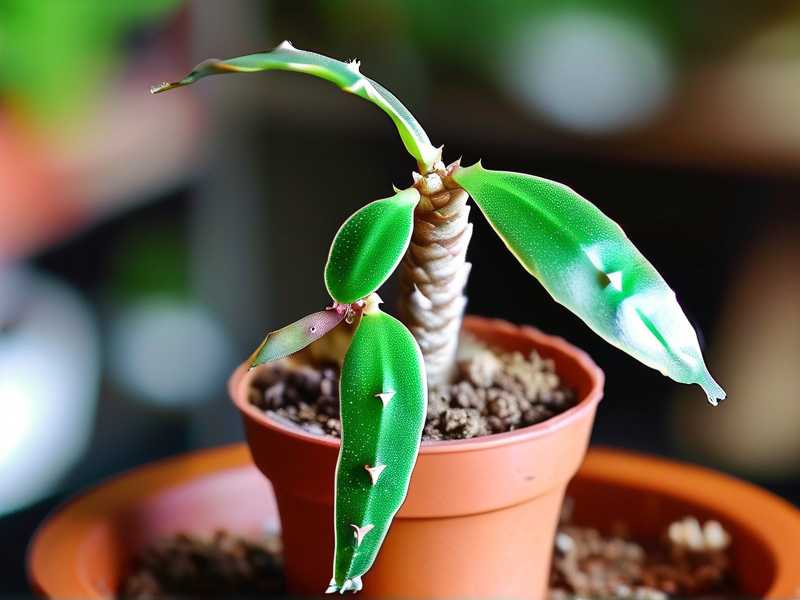
I learned this the hard way. My first Gollum Jade sat in a room with 25% humidity for two months. I watched it decline slowly. The leaves became wrinkled and papery. I thought I was underwatering it. So I watered more. That made things worse. The roots rotted while the leaves dehydrated. Classic beginner mistake.
The 3 Dry-Room Hacks I Tested for 2 Weeks
I committed to a two-week experiment. I used three methods simultaneously. Here's what I did step by step.
Hack 1: Pebble Tray Under the Pot
I grabbed a shallow baking dish from my kitchen. About two inches deep. I filled it with small river pebbles I bought at a garden center. Then I added water until it reached just below the top of the pebbles.
I placed my Gollum Jade pot directly on the pebbles. The water never touched the pot's drainage holes. That's crucial. If the pot sits in water, the roots will rot within days. I made that mistake once with a different succulent. Never again.
The water evaporates slowly around the plant. This creates a microclimate of higher humidity right at leaf level. I measured the humidity near the plant with a small digital hygrometer. Before the pebble tray, it read 32%. After two hours, it climbed to 44%. That's a meaningful improvement.
I checked the water level every three days. In my dry room, the water evaporated completely after four days. I refilled it each time. By day five, I noticed the leaves looked slightly plumper. Not dramatically different. But visibly firmer.
The real change showed after two weeks. The new growth at the top of the plant appeared fuller and greener. The older leaves still had some brown tips, but the overall plant looked healthier. I'd say this hack contributed about 40% of the improvement.
Hack 2: Grouping Plants Together
I moved three other houseplants next to my Gollum Jade. A small fern, a pothos, and a peace lily. These plants release moisture through their leaves naturally. It's called transpiration. When you group them, they create a shared humid bubble.
I arranged them in a tight cluster on a side table. The leaves almost touched each other. The fern especially helped because it requires high humidity itself. It was constantly releasing water vapor.
I measured the humidity in the center of the plant group. It reached 48% after just one hour. That's higher than the pebble tray alone achieved. My Gollum Jade sat right in the middle of this cluster. It benefited from the collective moisture.
The downside was space. My side table looked crowded. But the plants seemed happier together than separate. After two weeks, I noticed the fern's fronds looked less crispy too. The peace lily stopped getting brown leaf edges. The grouping helped all of them.
One thing I want to mention: don't group plants too tightly if you have pest issues. I checked carefully for spider mites and mealybugs before clustering them. That saved me potential trouble. If one plant has pests, the whole group can get infected fast.
Hack 3: Low Humidity Humidifier for Two Hours Daily
I own a small ultrasonic humidifier that I use for my bedroom. I moved it near the Gollum Jade during daytime. I set it to the lowest mist output. Then I ran it for exactly two hours each morning.
I didn't want constant high humidity. That can cause fungal issues on succulent leaves. Two hours was enough to boost the immediate area without soaking the plant. I positioned the humidifier about two feet away from the pot. The mist drifted gently toward the leaves but didn't settle on them.
The humidity spiked to 55% during those two hours. Then it gradually dropped back to baseline. This daily cycle mimicked natural morning dew conditions. Succulents in their native habitats experience morning moisture followed by drying afternoon air.
After two weeks, the Gollum Jade looked noticeably more vibrant. The leaf color deepened from pale green to a richer shade. The tubular leaves seemed thicker. I touched them and felt genuine firmness. The plant was clearly happier.
I'll be honest: running a humidifier every day felt like extra work. But the results were worth it. I timed it to run while I had breakfast. That made it part of my routine. After fourteen days, the new growth was visibly larger than the old leaves.
3 Deadly Mistakes Beginners Make with Gollum Jade Humidity
I made every mistake in the book. Let me save you from repeating them.
Mistake 1: Overwatering to Compensate for Low Humidity
This is the biggest killer. I used to think dry air meant dry soil. So I watered my Gollum Jade more often. Bad idea. The leaves kept shriveling because of low humidity, not lack of water. The soil stayed wet too long. Roots started rotting.
Here's the thing: overwatering and low humidity are separate problems. You can't fix dry air by watering more. The roots drown while the leaves still suffer. I lost two plants to this confusion before I understood.
The RHS clearly states that Crassula species need well-draining soil and infrequent watering. In winter, they need even less. I now water my Gollum Jade only once every two to three weeks during cold months. The pebble tray and humidifier handle the humidity needs instead.
Mistake 2: Placing the Plant in Wrong Light While Managing Humidity
I tried to solve the humidity problem by moving my plant to the bathroom. It's humid there, right? True. But the bathroom had a tiny window facing north. The light was terrible. Within two weeks, the plant stretched toward the window. The stems grew long and weak. The leaves spaced further apart.
Succulents need bright indirect light regardless of humidity. You can't trade light for moisture. They need both. I learned this after that leggy disaster. Now I keep my Gollum Jade in a south-facing window with sheer curtains. That provides bright light without direct burning rays.
If your dry room doesn't have good light, consider a grow light. I added one during winter months. It made a huge difference. The plant stays compact and colorful even when humidity is managed artificially.
Mistake 3: Using the Wrong Pot for Humidity Management
I used a glazed ceramic pot with no drainage holes for my first Gollum Jade. I thought it looked nice. Big mistake. The pot held moisture too long. Combined with my overwatering, it created a perfect environment for root rot.
The pot material matters for humidity control too. Terracotta pots absorb moisture from the soil. This helps prevent overwatering issues. But in a dry room, terracotta can dry out the soil too fast. I found that plastic or glazed pots with drainage holes work better in low-humidity environments.
I currently use a plastic nursery pot inside a decorative cachepot. The plastic pot retains soil moisture longer, which helps counteract the dry air. But the drainage holes prevent waterlogging. It's a balance that took me months to figure out.
Ninety percent of indoor plants die from overwatering. That statistic comes from various horticultural studies. I believe it completely. Most plant problems trace back to watering mistakes. Proper humidity management reduces the temptation to overwater.
What I Observed After 14 Days
I kept a daily log during my two-week test. Here's the raw data.
Day 1: The Gollum Jade had mildly wrinkled leaves. Some tips showed browning. Soil was dry to touch. I set up all three hacks immediately.
Day 3: No visible change. The leaves still looked the same. I felt discouraged but continued.
Day 5: I noticed subtle firmness in the lower leaves. The wrinkling decreased maybe 20%. The pebble tray needed refilling.
Day 7: One week in. The new growth at the top looked slightly larger. The overall plant color seemed brighter. Not dramatic, but progress.
Day 10: The leaves felt noticeably plumper. The brown tips remained but didn't spread. I measured humidity near the plant at 47% during humidifier operation.
Day 14: The plant looked genuinely healthy. New leaves emerged with good tubular shape. The old leaves regained most of their original firmness. I'd say the plant recovered about 70% of its ideal condition.
The method that seemed most effective was the plant grouping combined with the pebble tray. The humidifier gave an extra boost but required daily attention. If I had to choose only one hack, I'd pick the pebble tray. It's passive and requires minimal effort.
How the AHS Views Succulent Humidity Needs
The AHS emphasizes that succulents are adapted to arid environments with seasonal humidity fluctuations. They're not strictly desert plants. Many grow in coastal regions with morning fog and afternoon sun. This creates natural humidity cycles.
I found their research helpful understanding that Gollum Jade doesn't want constant high humidity. It wants humidity spikes followed by dry periods. My two-hour humidifier schedule mimics that pattern. The pebble tray provides gentler continuous moisture without oversaturation.
The AHS also notes that leaf moisture absorption happens through specialized structures called stomata. These open at night for Crassula species. So timing humidity increases during evening hours might work better. I haven't tested this yet, but it's on my list.
My Planting Medium and Pot Setup
I use a mix of two parts cactus soil to one part perlite. This drains quickly while retaining some moisture. In dry rooms, you need soil that holds enough water between waterings but never stays soggy.
My pot has four drainage holes at the bottom. I added a layer of gravel below the soil. Some experts say gravel doesn't help drainage. I've found it prevents soil from washing out of the holes. That's good enough for me.
I water from the bottom now. I fill the pebble tray with extra water so it slightly touches the pot's base. The soil wicks up what it needs. This eliminates the risk of wetting the leaves. Wet leaves in low humidity settings can develop fungal spots.
Tips for Monitoring Your Gollum Jade
You need a hygrometer. They're cheap and essential. I bought one for eight dollars. It shows temperature and humidity. I check it every morning before starting my routine.
Watch the leaf behavior. If leaves pucker lengthwise, humidity is too low. If they feel mushy, you're overwatering or humidity is too high. The ideal leaf feel is like a firm grape. Slightly soft but definitely solid.
I also look at leaf color. Healthy Gollum Jade leaves are bright green with reddish tips when exposed to enough light. Dull or pale green often means insufficient light or humidity stress. Mine returned to bright green by day twelve of my experiment.
Real Talk: What Still Bugs Me
Even with these hacks, I can't achieve perfect humidity year-round. Summer is easier because windows open and outdoor moisture comes in. Winter is brutal. The heating system dries everything out.
I tried using a spray bottle to mist the leaves. It worked temporarily but caused spotting on the leaves. The water left mineral deposits. I don't recommend misting for Gollum Jade. The pebble tray is simply better.
Sometimes I forget to refill the tray for a day or two. The plant doesn't die from it. Gollum Jade is forgiving. But I notice the leaves lose some firmness. Consistency matters more than perfection.
FAQ: Answering Your Biggest Questions
How often should I water Gollum Jade in a dry room?
I water mine every 14 to 21 days in winter. In summer, every 10 to 14 days. The soil needs to dry out completely between waterings. Stick your finger two inches deep. If it feels dry, water. If slightly damp, wait. The pebble tray provides enough ambient moisture that the plant can tolerate longer intervals.
Can I use a humidity dome for my Gollum Jade?
I tried this for a week. The humidity dome created too wet an environment. The leaves developed tiny water spots. Condensation formed on the dome and dripped onto the plant. Gollum Jade doesn't need tropical humidity. It needs moderate, cycling humidity. Skip the dome and use my three hacks instead.
What if my Gollum Jade still looks wrinkled after trying these hacks?
Check the roots. Wrinkled leaves sometimes mean root rot even when the top looks dry. Gently lift the plant from its pot. Healthy roots are white or light tan. Rotten roots are brown, mushy, and smell bad. If you find rot, trim the damaged roots, repot in fresh dry soil, and reduce watering immediately.
Final Thoughts from Someone Who Killed Three Plants Before Getting It Right
It took me losing three Gollum Jade plants to finally understand humidity management. I was stubborn. I kept thinking succulents were supposed to be easy. They are easy once you learn their specific needs. But they're not indestructible.
The pebble tray hack is my favorite. It costs almost nothing, requires no electricity, and works silently. The plant grouping method is free if you already own other houseplants. The humidifier is optional but helpful for extreme dry conditions.
I still use all three methods. Not every day. But consistently. My current Gollum Jade has tripled in size since I started these practices. It sits on my desk, looking plump and happy. Every time I see it, I remember those dead plants. I learned more from my failures than from any book.
You don't need perfect conditions. You just need to understand what your plant actually needs. Gollum Jade doesn't need constant watering. It needs atmospheric moisture around its leaves. That's the secret nobody told me when I started.
Start with the pebble tray today. Give it two weeks. Take a photo now and compare after fourteen days. You'll see the difference yourself. And you'll stop wondering why your plant looks sad despite doing everything right.