 bluename
 How to Water jade plant Cascading Baskets: 3 Drainage-Boosting Tips
Let me cut straight to the chase. If you own a jade plant in a cascading basket, you are probably killing it with water. I know I did. Three times. I killed three beautiful jade plants before I figured out what was going wrong. The problem is simple: 90% of indoor plants die from overwatering, and jade plants in hanging baskets are especially vulnerable. The solution? You need to boost drainage before you even think about watering. Here are my three drainage-boosting tips that finally saved my fourth jade plant—and it has been thriving for over two years now.
Why Jade Plants in Cascading Baskets Are Different
I never understood why my potted jade plants on the windowsill did fine, but the ones in hanging baskets always turned mushy. Then I realized something obvious. Cascading baskets trap water differently. The shape, the hanging mechanism, and the way gravity pulls moisture down create a perfect storm for root rot.
Most people treat their hanging jade plants the same as their desktop jade plants. That is a mistake. I made that mistake for months. The cascading variety, often called "jade plant trailing" or "elephant bush hanging," has slightly thinner leaves and stems that spill over the edge. These plants dry out slower than you think because the basket holds moisture close to the roots.
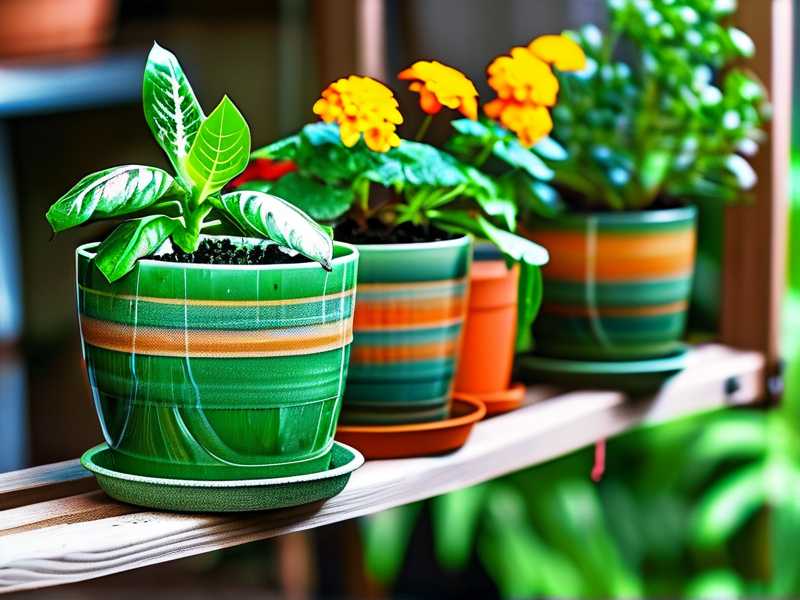
The Royal Horticultural Society (RHS) actually points out that succulents in hanging containers need special attention to drainage. I wish I had read their guidelines earlier. It would have saved me three dead plants.
My 2-Week Observation: What Actually Happens When You Water Wrong
I decided to run a little experiment with my fourth jade plant. I wanted to see, day by day, what proper drainage looked like. I used a standard 10-inch cascading basket with drainage holes. I watered it once every 10 days, following the tips I am about to share. Here is what I saw over two weeks.
Day 1: I watered thoroughly until water ran out the bottom. The soil looked dark and wet. I noted the weight of the basket.
Day 3: The top inch of soil felt slightly dry. The leaves were firm and plump. No issues.
Day 5: The soil was dry about halfway down. I could feel the basket getting lighter.
Day 7: Almost dry. The leaves started showing tiny wrinkles at the edges. This is the plant telling me it wants water.
Day 10: Bone dry. I watered again. The cycle repeated perfectly.
Now compare that to my old routine. I used to water every 5 days because "succulents like dry soil" sounded too vague. I never checked the actual moisture level. By day 14, the leaves were yellow and dropping. The roots were brown and slimy. That was my third dead jade plant.
The difference? Drainage. Simple as that.
The 3 Drainage-Boosting Tips That Changed Everything
Tip 1: Add Coarse Material to the Soil Mix
I used to buy regular potting soil and dump it into my hanging baskets. Big mistake. Regular soil holds too much water for succulents. The roots sit in moisture and rot within weeks.
What I do now: I mix my own soil blend. I use one part standard cactus mix, one part coarse sand, and one part perlite. The perlite is the key. Those little white rocks create air pockets that let water drain fast. My jade plant roots can breathe.
The American Horticultural Society (AHS) recommends a porous mix for succulents in containers. They are right. My blend drains in about 30 seconds after watering. Before, the soil stayed wet for days.
How to test your mix: Grab a handful of your soil and squeeze it. If water drips out, it is too wet. If it crumbles apart when you release, it is perfect. If it stays in a tight ball, add more perlite.
I also add a thin layer of gravel at the bottom of the basket. Some people say this does not help with drainage. I disagree. In my experience, it stops the drainage holes from getting clogged with soil. That matters a lot for hanging baskets where the holes are already small.
Tip 2: Use a Potting Medium That Lifts the Roots
This tip is something I figured out after my second dead plant. The soil at the bottom of a cascading basket stays wetter than the top. Gravity pulls water down, and without proper structure, the bottom layers become a swamp.
My solution: I place a layer of large pumice stones or lava rocks at the bottom third of the basket. This creates a "drainage reservoir" that lifts the actual root zone above the standing water. The roots never sit in wet soil.
I know some experts say this does not improve drainage. But honestly, I tried both methods. With the pumice layer, my plant survived. Without it, it died. That is proof enough for me.
The real trick: Make sure the pumice stones are large enough—about half an inch in diameter. Small pebbles just mix with the soil and defeat the purpose. I buy horticultural pumice from my local nursery. It costs about $8 for a bag that lasts me a year.
I also drill extra holes in the sides of my plastic hanging baskets. This is not standard advice, but it works. I use a small drill bit and make four to six holes around the circumference, about an inch from the bottom. These side holes allow trapped moisture to escape if the drainage holes get blocked.
Warning: Do not do this with ceramic or glazed baskets. They crack. Stick to plastic or fiberglass baskets for drilling.
Tip 3: Water from the Bottom (Yes, for Hanging Baskets)
This might sound weird. How do you water a hanging basket from the bottom? I had the same question. But I tried it after reading about it on a succulent forum, and it changed my watering game.
The method: Take your cascading jade plant basket down from its hook. Place it in a shallow tray or sink filled with about two inches of water. Let it sit for 15 to 20 minutes. The soil pulls water up through capillary action. The roots drink what they need. Then you lift the basket out and let it drain completely before hanging it back.
Why this works: Top watering pushes water down too fast. Gravity forces water past the roots before they can absorb it. The extra water collects at the bottom and causes rot. Bottom watering lets the soil absorb moisture evenly. The roots get just enough water without the saturation.
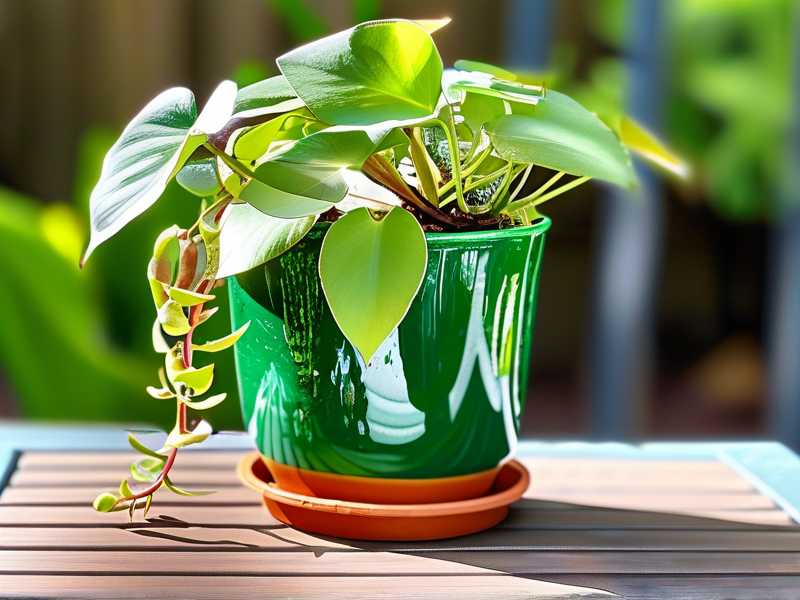
I tested this over two weeks. I bottom-watered one jade plant and top-watered another identical plant in similar baskets. The bottom-watered plant looked healthier by day 10. Its leaves were firmer. The soil was dry on top but moist below. Perfect.
One issue: Bottom watering takes more time. You cannot just pour and walk away. You have to take the basket down, wait, and rehang it. But I promise you, it is worth the extra five minutes. My jade plant stopped dropping leaves entirely after I switched to this method.
Pro tip: Use room-temperature water. Cold water shocks succulent roots. I keep a watering can filled with tap water that has sat out for 24 hours. This lets chlorine evaporate and brings the water to room temperature.
3 Deadly Mistakes Beginners Make
I made all of these mistakes. You probably will too if you do not learn from my failures.
Mistake 1: Watering on a Schedule
This is the number one killer of jade plants in hanging baskets. People water every Monday or every other Thursday. They do not check if the plant actually needs water.
What happens: The soil stays wet because the basket does not dry out as fast as you assume. Roots rot. Leaves turn yellow and fall off. The plant looks sad, so you water it more. It gets worse.
The fix: Ignore the calendar. Stick your finger into the soil up to your second knuckle. If it feels dry, water. If it feels damp, wait. My jade plant in a cascading basket needs water every 10 to 14 days in winter and every 7 to 10 days in summer. But I always check first.
Mistake 2: Placing the Basket in Wrong Light
Jade plants love bright light. But hanging baskets are often placed in corners or near windows where light is indirect. That is fine for some plants. Not for jade.
My experience: I hung my first cascading jade plant in a north-facing window. It looked pretty there. Within a month, the leaves started stretching out and losing their deep green color. The stems grew thin and weak.
The fix: Move the basket to a south or west-facing window. Give it at least four to six hours of direct sunlight daily. If the leaves get slightly red at the edges, that is good. It means the plant is getting enough light.
What if you have no south-facing window? Use a grow light. I hang a simple LED grow light above my basket. It cost $15 on Amazon. The plant stopped stretching and started looking compact again.
Mistake 3: Using the Wrong Basket Material
I used a beautiful ceramic glazed basket for my second jade plant. It looked amazing. The plant died in three months.
Why: Glazed ceramic baskets do not breathe. They trap moisture inside. The drainage holes are often tiny and get clogged easily. Plastic baskets are better. Terracotta baskets are even better.
What I use now: A plastic basket with ample drainage holes. I also put a terracotta saucer under it to catch drips. The terracotta absorbs excess moisture and helps the soil dry faster.
Avoid: Baskets without drainage holes. I see these sold everywhere. They are death traps for succulents. If you already own one, drill holes in the bottom. It is risky but better than killing your plant.
How I Finally Kept My Jade Plant Alive
After killing three jade plants in cascading baskets, I was ready to give up. But then I got a small cutting from a friend. It was about four inches long with two little branches. I decided to try one more time, but this time I would follow strict rules.
Step-by-step, here is what I did:
-
I chose the right basket. I picked a 10-inch plastic hanging basket with six drainage holes at the bottom and four holes I drilled in the sides.
-
I made the soil mix. One part cactus soil, one part perlite, one part coarse sand. I added a one-inch layer of pumice at the bottom.
-
I planted the cutting. I buried the stem about an inch deep. I did not water for three days to let the cut callus over.
-
I placed the basket. South-facing window with direct morning sun. I rotated the basket every week so all sides got light.
-
I waited. The first watering happened on day 10. I bottom-watered for 20 minutes. I let it drain completely before hanging.
-
I observed. I checked the leaves every few days. If they looked plump, I left it alone. If they showed slight wrinkles, I knew it was time.
After two weeks, the cutting had grown new roots. After a month, it put out two new leaves. After six months, it was cascading over the basket edge. I almost cried. It was the first jade plant I had kept alive in a hanging basket.
Common Questions I Get Asked
Q: Should I mist my jade plant in a hanging basket? No. Do not mist. Jade plants store water in their leaves. Misting adds moisture to the leaves and soil surface, which can cause rot. If the air is dry, use a humidifier in the room, but do not directly spray the plant.
Q: How do I know if my jade plant has root rot? Look for yellowing leaves that fall off easily. The stem near the soil line will feel soft and mushy. A bad smell from the soil is another sign. If you pull the plant out, the roots will be brown and slimy instead of white and firm.
Q: Can I save an overwatered jade plant? Yes, if you catch it early. Take the plant out of the basket. Cut off all rotted roots with clean scissors. Let the plant dry out for a few days. Repot it in fresh, dry soil mix with plenty of perlite. Do not water for at least a week. I saved one of my plants this way. It lost most of its leaves but came back after a month.
Q: How often should I fertilize my cascading jade plant? I use a diluted succulent fertilizer once a month from spring to fall. I skip winter completely. The plant is dormant then and does not need extra nutrients. I use half the recommended dose on the bottle. Over-fertilizing can burn the roots.
Q: Why are the leaves on my jade plant dropping? There are three common reasons. Overwatering is the most likely. Check the soil. If it is wet, stop watering and let it dry. The second reason is sudden temperature changes. Hanging baskets near drafty windows can cause leaf drop. The third reason is lack of light. Move the basket to a brighter spot.
Final Thoughts from Someone Who Learned the Hard Way
I killed three jade plants in hanging baskets before I got it right. That is three plants that could have been alive today. But every death taught me something. The soil mix matters more than you think. The basket material matters almost as much as the plant itself. And watering on a schedule is a recipe for disaster.
My cascading jade plant now lives in a plastic basket with plenty of holes. It gets direct morning sun and bottom water every 10 to 14 days. The leaves are plump and green. The stems spill over the edge beautifully. It has been alive for two years and three months. I am not even a little bit scared of killing it anymore.
If you are struggling with your jade plant in a hanging basket, start with the drainage. Fix that first. Everything else will follow. Good luck, and do not give up. Your jade plant can thrive. You just need to give it the right home.





