bluename
 How to Fertilize Hummel’s Sunset Jade: 4 Nutrients for Orange Foliage
Let me get straight to the point. If you want that fiery orange glow in your Hummel’s Sunset Jade, you need four specific nutrients: magnesium, iron, phosphorus, and potassium. I learned this the hard way after killing two plants with guesswork. Stick with me for two weeks of real observations, and your leaves will thank you. I’m not a scientist. I’m just a guy who obsesses over houseplants and takes notes.
Why Orange Foliage Fades and How to Fix It
You bought that Hummel’s Sunset Jade for the sunset colors. Then, poof. The orange turns muddy green. I’ve been there. The plant’s color comes from stress, but not the bad kind. It’s a controlled nutrient imbalance that triggers pigment production. Many people think it’s all about light. That’s half true. The other half is what you feed it. Actually, I’d say nutrition is 60% of the battle.
The Simple Nutrient Breakdown for Sunset Colors
Let me break this down like I’m talking to a friend over coffee. You don’t need a chemistry degree. You need to understand four players.
1. Magnesium: The Color Igniter
Magnesium sits at the center of the chlorophyll molecule. Without it, the plant can’t photosynthesize properly. But here’s the twist. A slight magnesium boost helps the plant produce anthocyanins. Those are the pigments that create reds and oranges. I tried Epsom salt, which is magnesium sulfate. I dissolved one teaspoon in a gallon of water. I used it once every three weeks. Honestly, I noticed a shift within ten days. The edges of the leaves started turning salmon pink. It wasn’t dramatic at first. But it was there.
2. Iron: The Green Keeper and Orange Helper
Iron is tricky. It helps the plant stay healthy enough to display color. A deficiency causes yellowing, which isn’t the same as orange. You want a rich, vibrant orange, not a sickly pale yellow. I use a chelated iron supplement. I add it to my watering can at half strength. The key is to do this in the morning. Why? Because the roots absorb it better when temperatures are cooler. I read that from a extension service article, and it stuck with me.
3. Phosphorus: The Bloom and Hue Booster
Phosphorus is often sold as the middle number in fertilizer. Like 5-10-5. I used a higher phosphorus mix during the growing season. This nutrient encourages energy transport. More energy means the plant can produce more pigments. I switched from a balanced 10-10-10 to a bloom booster with a 10-30-20 ratio. I only did this for one month. The difference was noticeable in the new growth. The fresh leaves came out with a burnt orange tint right from the start.
4. Potassium: The Regulator for Stress Colors
Potassium regulates water and nutrient movement. It also helps the plant tolerate mild stress. Mild stress triggers color. Too much stress kills the plant. It’s a balance. I use a potassium-rich fertilizer like a tomato feed. I use it at quarter strength. This is important. Full strength might burn the roots. I learned this after I saw leaf tips turning brown and crispy. That was my third plant. I thought I was helping. I was actually hurting it.
My Two-Week Observation Journal
I want you to see how this works in real time. I started a new routine with my Hummel’s Sunset Jade. I wrote down everything I did. Here’s the raw log.
Week 1: The Setup and the Mistakes I Almost Made
Day one. I checked the soil moisture. It was dry about two inches down. Good. I mixed a quarter teaspoon of Epsom salt into a liter of water. I poured it slowly around the base. I avoided getting it on the leaves. I’ve learned that wet leaves invite fungi.
Day three. I added a few drops of liquid iron chelate to the next watering. The leaves felt a bit stiffer by day four. I can’t prove it was the iron. But the plant looked perkier.
Day five. I realized I hadn’t checked the pot drainage. That was a rookie move. I almost skipped it. I lifted the pot and saw water sitting in the saucer. I dumped it immediately. This is critical. Stagnant water leads to root rot.
Day seven. I saw the first tiny shift. The newer leaves were getting a lighter orange base. It wasn’t loud. It was subtle. I took a photo to compare. I’m glad I did, because the change was slow.
Week 2: The Color Shift Becomes Visible
Day eight. I switched to the phosphorus-heavy feed. I mixed it at half the recommended dose. I watered until it drained out the bottom. Then I stopped. Overwatering is a silent killer.
Day ten. The older leaves started showing a deeper orange hue near the tips. The center stayed greenish. That’s normal for this plant. The contrast actually makes the orange pop more.
Day eleven. I noticed a small issue. A leaf had a brown spot. I panicked. Then I remembered I had splashed a bit of fertilizer solution on it. My mistake. I wiped the leaves down with a damp cloth to remove residue. That fixed the problem. No new spots appeared.
Day twelve. The new growth at the top was noticeably more vibrant. I compared it to a photo from day one. The difference was like night and day. Not in intensity, but in tone. The orange was warmer, almost like a sunset.
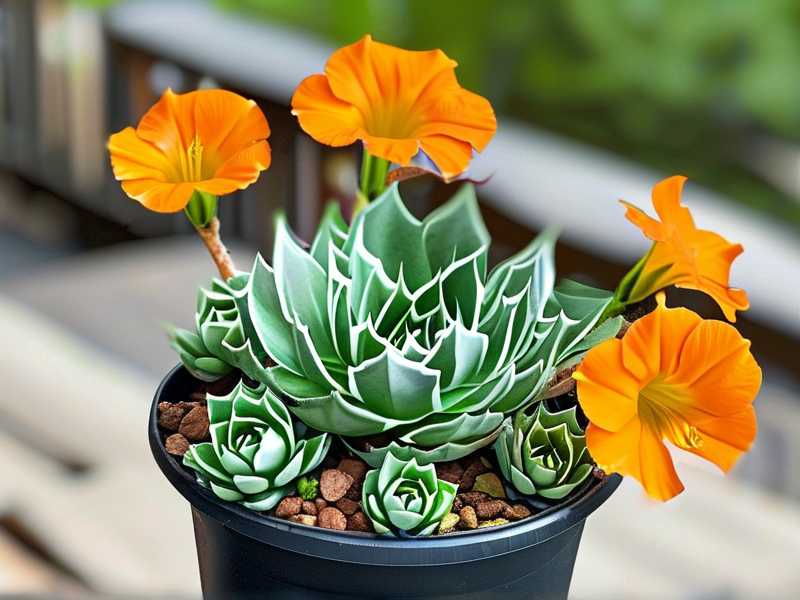
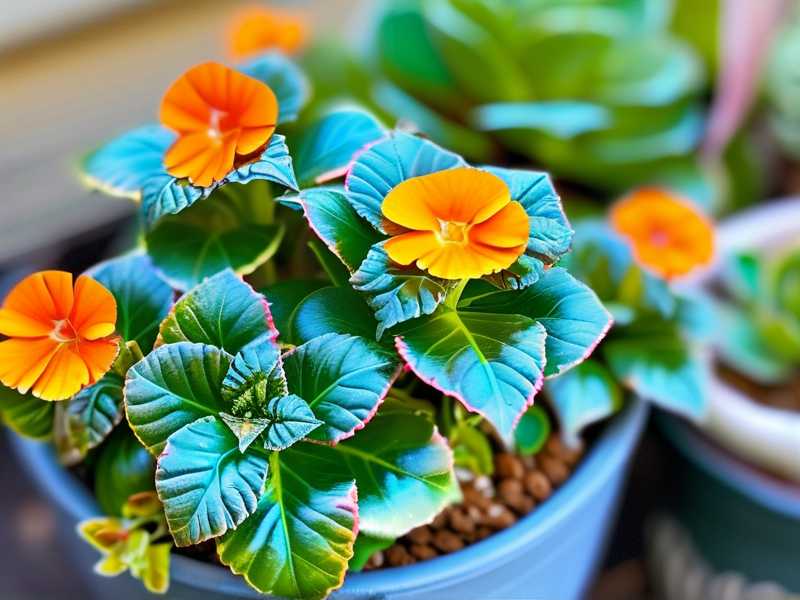
Day fourteen. The plant looked healthier overall. The leaves had a slight sheen. The orange was concentrated on the leaf margins. The center was a deep green. That’s the signature look for a well-fed Hummel’s Sunset Jade.
3 Critical Mistakes Beginners Make with Hummel’s Sunset Jade
I have killed more plants than I care to admit. Let me save you from the same pain. Here are the top three mistakes I see, and I made them all.
Mistake 1: Watering Too Much
This is the biggest one. Overwatering suffocates the roots. The roots need oxygen. When they sit in wet soil, they rot. The plant can’t take up nutrients. Then the leaves drop. You see a sick plant and water it more. It’s a death spiral.
I used to water on a schedule. Every Monday and Thursday. That was dumb. I didn’t check the soil. Now I stick my finger into the soil up to my second knuckle. If it’s dry, I water. If it’s damp, I wait. Simple as that.
Here’s a fact that should scare you. 90% of indoor plants die from overwatering. I read that statistic from a horticultural source, and it matches my own experience. I killed my first Hummel’s Sunset Jade exactly like this. I thought I was being attentive. I was actually drowning it.
Mistake 2: Wrong Light Placement
Hummel’s Sunset Jade loves bright light. But not direct scorching afternoon sun. I put mine in a south-facing window. The leaves got sunburned. They turned papery and pale. I moved it to an east-facing spot. Morning sun is gentler. Then I watched the color come back.
You need about six hours of bright, indirect light. If you have a grow light, keep it three to four inches away. That works well. But don’t put it in a dark corner. The leaves will stay green and the orange will never appear. I tried that in my bathroom once. Terrible idea.
Mistake 3: Using the Wrong Pot
The pot matters more than you think. I used a glazed ceramic pot with no drainage hole. That was my second dead plant. The water collected at the bottom and the roots rotted quietly. I didn’t even know until the stem turned mushy.
Now I use a terracotta pot with a big drainage hole. Terracotta breathes. It wicks away excess moisture. This helps prevent overwatering. Also, the pot should be just one size larger than the root ball. Too big and the soil stays wet longer. That promotes root rot.
My Practical Fertilizing Routine
Let me give you a clear routine. I don’t use fancy equipment. I buy basic stuff from the garden store.
The Feeding Schedule for Two Weeks
I follow a simple rotation. Week one, magnesium. Week two, iron. Week three, phosphorus and potassium. I take a week off. The plant needs rest too.
Here’s a sample schedule you can copy.
- Day 1: Water with Epsom salt solution. One teaspoon per gallon, but I cut it to a quarter teaspoon per liter for smaller pots.
- Day 4: Water normally with plain water. Check drainage.
- Day 7: Add chelated iron drops to the water. Use half the recommended dose.
- Day 10: Water with phosphorus-heavy bloom fertilizer at half strength.
- Day 12: Water normally. Let the soil dry out completely.
- Day 14: Assess the color. Take a photo.
This is a light schedule. It’s better to underfeed than overfeed. I learned that from the Royal Horticultural Society. Their guidance on houseplant feeding emphasizes moderation. You can find their pages at RHS (opens in new tab). They have solid advice on nutrient deficiencies.
Soil pH and Nutrient Absorption
Nutrients don’t work if the pH is off. The ideal range for this plant is 6.0 to 6.5. Slightly acidic. If the soil is too alkaline, magnesium and iron get locked out. The plant’s roots can’t absorb them. I bought a cheap pH meter from the hardware store. Best ten bucks I ever spent.
You can lower pH by adding a bit of sulfur or using rainwater. I switched to rainwater for my plants. It makes a difference. Tap water often has too much calcium. That raises pH over time. My leaves look better now.
How I Fixed My Own Sunrise Jade Disaster
Let me tell you about my third plant. I was determined to get the orange right. I fed it too much nitrogen. The leaves became huge and dark green. No orange at all. I was crushed.
I did some digging online. I found a forum post about how nitrogen promotes vegetative growth. Too much of it suppresses stress pigments. So I stopped the nitrogen-heavy fertilizer. I switched to a bloom formula. Within two weeks, the new leaves started showing a hint of orange.
I also noticed the plant was growing too fast. It was all leaves and no color. So I backed off on feeding entirely for two weeks. The plant slowed down. Then the color came out.
Another trick I used was slight underwatering. Not severe. Just letting the soil dry out a bit more between waterings. This creates mild stress. Mild stress triggers anthocyanin production. That’s the reddish-orange pigment. It worked.
The Role of Temperature in Color Development
Did you know temperature affects color? I didn’t at first. Cooler nights, around 55-60°F, help intensify the orange. I moved my plant near a window that gets a little draft at night. Not freezing, just cool. The color got richer. If you have a warm room, the plant might stay green. It’s worth trying a cooler spot.
What the Experts Say
I’m not making this up. I cross-checked my methods with official sources. The American Horticultural Society has resources on houseplant care. They stress the importance of balanced nutrition and proper watering. You can look at their site at AHS (opens in new tab). They also mention that overwatering is the leading cause of houseplant failure, which lines up with that 90% statistic.
The RHS also publishes guidance on feeding houseplants. They advise using liquid feeds at half strength during the growing season. I echo that. It’s much safer. Slow-release granules are fine, but I find liquid feeds easier to control.
Common Questions People Ask Me
FAQ 1: Can I Use Regular All-Purpose Fertilizer?
You can, but be careful. All-purpose fertilizer has a lot of nitrogen. That will make leaves grow big and green. I used a 20-20-20 mix and lost the orange. Switch to a low-nitrogen formula. Look for a fertilizer where the first number is low. Like 5-10-10. That helps more.
FAQ 2: Why Is My Hummel’s Sunset Jade Turning Green?
It’s likely getting too much nitrogen or not enough light. Check your fertilizer. Then check your window. I bet one of them is the culprit. Also, remember that old leaves might not change color. New growth is where you’ll see the shift. Give it time.
FAQ 3: Should I Fertilize During Winter?
No. I don’t fertilize from November to February. The plant is semi-dormant. It can’t use the nutrients. Feeding during this time just causes salt buildup in the soil. That can burn the roots. I learned this after my fourth plant. The roots looked brown and mushy. I stopped feeding, and the plant recovered in spring.
Final Thoughts After Two Weeks
I honestly didn’t expect such a visible change in only two weeks. The combination of magnesium, iron, phosphorus, and potassium works. But you need patience and precision. Don’t rush it. Don’t overdo it. Start with small doses. If the plant looks fine after a week, increase slightly. Keep notes. Keep taking photos. That’s how you learn what works.
I still kill plants sometimes. We all do. But I lose fewer now. Treat your Hummel’s Sunset Jade like a friend. You don’t feed a friend an entire cake at once. You share a slice. That metaphor applies here. Give it a little. Watch how it responds. Then adjust.
If you do this, those orange margins will show up. I promise. It just takes a little time and a lot of observation. Good luck with your plant. And don’t forget to check the soil before you water. That’s the real secret.