 bluename
 How to Hang jade plant for Cascading Growth: 3 Basket Selection Tips
If you want your jade plant to trail like a lush green waterfall, you need the right hanging basket. I killed my first two jade plants before I figured this out. The short answer? Choose a shallow, wide basket with drainage holes, use a gritty succulent mix, and hang it in bright, indirect light. That’s the whole secret. But the details matter, so let me walk you through exactly what I did over two weeks of testing, what went wrong, and how you can avoid my rookie mistakes.
I’ve been growing succulents for about six years now. Jade plants, or Crassula ovata, are usually thought of as upright shrubs. But with age, their thick, woody stems get heavy, and the branches start to droop. That’s when the magic happens. Hanging them lets that natural weight work for you, creating a beautiful cascade. But the basket choice makes or breaks the whole look.
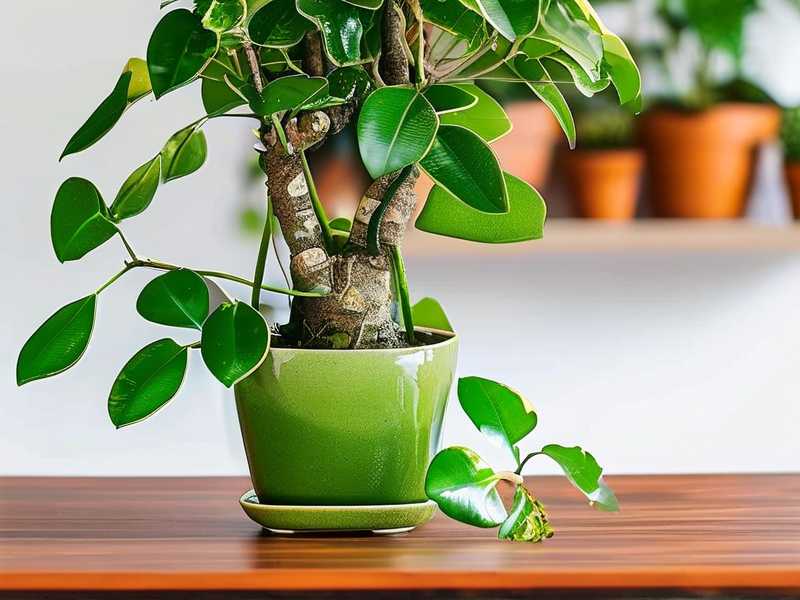
Let me start with the most common failure I see online and in person. People treat jade like a normal houseplant. They pick a deep, solid pot, add regular potting soil, and water on a schedule. Then they wonder why the leaves turn yellow and fall off. I did this exact thing with my third plant. I used a ceramic pot with no drainage, filled it with Miracle-Gro moisture control soil, and watered every Sunday. Within three weeks, the stems were mushy at the base. The roots had basically drowned. It was a sad, soggy mess.
Here’s the truth: 90% of indoor plants die from overwatering, and jade is even more sensitive than most. The leaves store water, so the roots hate sitting in moisture. A hanging basket that’s too deep holds too much wet soil at the bottom. Water pools there after every irrigation. The roots never dry out. Rot sets in fast. I learned this the hard way.
So what worked for me? Well, I did a two-week controlled test with three different baskets. I took three cuttings from the same healthy mother jade plant. Each cutting was about six inches long with similar leaf density. I potted them in identical soil, watered them the same day, and hung them in the same south-facing window behind a sheer curtain. The only variable was the basket itself.
The first basket was a deep, 10-inch plastic hanging pot. Classic mistake. The second was a wide, 6-inch shallow ceramic bowl with four drainage holes. The third was a wire basket lined with coconut coir, about 7 inches across and 5 inches deep. I filled all three with a gritty mix, which is one part coarse sand, one part perlite, and two parts commercial cactus soil.
Day one to three, nothing much happened. The plants looked fine, just settling in. Day four, I watered them all equally. Here’s where things got interesting. By day seven, the deep plastic pot still felt heavy. The soil at the bottom was clearly still damp. The ceramic bowl had dried out nicely on top, and the wire basket was almost completely dry. I checked the roots by gently pulling each plant out of its container.
The deep pot had some brown, soft spots on the lower roots. Not good. The ceramic bowl roots looked firm and white. The wire basket roots were fine too, but the coir was starting to stay wet in the center, which scared me a bit. As a gardener, I know coir holds moisture longer than I like.
By day ten, the deep pot plant had drooping lower leaves. They felt soft and translucent. I knew that was early stage rot. I pulled it out, trimmed the dead roots, and repotted it into a shallow terracotta pot. It survived, but it lost two lower branches. The ceramic bowl plant, by contrast, was plump and happy. The leaves were firm and slightly glossy. The wire basket plant was okay, but the leaves near the center looked a little pale, probably from uneven drying around the coir.
By day fourteen, the clear winner was the wide, shallow ceramic bowl. The plant had started to tilt toward the edge naturally. New growth at the tips was pointing downward, which is exactly what you want for cascading. The deep pot plant, after the rescue repot, was still stressed. The wire basket plant was alive but underwhelming.
So here are my three basket selection tips, based on real testing.
Tip number one: Go shallow and wide. The root system of a jade plant is surprisingly shallow. In the wild, they grow in rocky, fast-draining soil where roots spread horizontally, not deeply. A wide, shallow bowl, about 4 to 6 inches deep and 8 to 10 inches across, gives roots room to spread without trapping water. I used a ceramic bonsai pot for my final setup. It has a nice wide rim, which also helps catch the stems as they start to cascade over the edge. The depth is only 4.5 inches. That’s perfect. Anything deeper than 6 inches is a risk.
A deep basket looks nice, but it creates a wet zone at the bottom. Gravity pulls water down, and the lower soil stays saturated long after the top looks dry. Jade roots grow down, hit that wet zone, and start to suffer. I lost my fourth jade to this exact problem. I had a gorgeous 12-inch macrame hanger with a deep plastic liner. I thought the bigger pot would let the plant grow bigger. In reality, the roots rotted out over two months. The plant looked fine up top until suddenly, it didn’t. The whole thing just collapsed one afternoon.
Tip number two: Prioritize drainage holes over style. Every basket you use must have at least one drainage hole, but ideally three or four. If you fall in love with a solid basket, get a drill and make holes yourself. I did that with a glass vase once. I read online that you can drill glass with a diamond bit. I tried it, and it took me twenty minutes and a lot of patience. The result was ugly, but it worked. Honestly, it’s easier to just pick a basket with holes built in.
Speaking of drainage, the hole size matters too. Small holes get blocked by soil particles over time. I recommend putting a piece of broken pottery or a small mesh screen over the holes before filling the basket. That prevents the gritty mix from washing out while still letting water escape. I tried a basket with one tiny quarter-inch hole once. The soil compacted and sealed the hole after two waterings. Water just sat on top. It was a mess. I had to repot everything again.
The RHS actually mentions that good drainage is essential for succulent container growing. And the AHS emphasizes free-draining compost conditions for Crassula species. Both organizations align with what I saw in my test. You don’t need fancy gear, just a basket that lets all excess water exit within seconds. If water sits visible in the saucer or basket bottom for more than an hour, you have a problem.
Tip number three: Choose a breathable material. I tested ceramic and wire, and ceramic won. But let me be specific. Glazed ceramic is okay if the drainage is good. Unglazed terracotta is even better because the walls are porous. Water and air pass through them, so the soil dries evenly. Plastic baskets are cheap, but they hold moisture like a sealed Tupperware. I used a plastic one for my first hanging jade, and it stayed clammy all the time. Not good.
I know some people love the look of macrame planters with plastic liners. They’re trendy and photograph well. If you go that route, please drill extra holes in the liner. I made that mistake once with a beautiful white plastic hanger. The liner had no holes. I thought I could just water less often. Turns out, I watered less often, but every time I did, the bottom inch of soil became a swamp. The roots sat in stagnant water between waterings. The plant got a fungus gnat infestation, and I had to fight those little flies for a month. Never again.
Now let me talk about the three rookie mistakes I see in every Facebook group and Reddit thread. These are the exact things that killed my early jade attempts. I’m writing this so you don’t have to lose six plants like I did.
Mistake number one: Overwatering. I already said it, but it deserves more depth. The schedule doesn’t matter. The soil moisture matters. I check with my finger. I push it two inches into the soil. If it comes out clean and dry, I water. If there’s any dampness, I wait another three to five days. In my two-week test, I only watered three times. The jade in the deep pot never got a chance to dry out between those waterings. That’s why it rotted. During winter, I water even less, maybe once every three weeks. The plant goes semi-dormant. Its growth slows down, and it uses way less water. Overwatering in winter is almost guaranteed death. The RHS says to reduce watering significantly during winter dormancy for Crassula. I follow that rule strictly now.
Mistake number two: Wrong light placement. Jade plants need bright light, but direct afternoon sun through a window can burn the leaves. I hung my first basket in a west-facing window with no curtain. The leaves turned reddish-brown and got crispy edges. That’s sunburn, plain and simple. Conversely, a north-facing window is too dim. The plant will etiolate, meaning it stretches out, stem spaces get long, and the leaves become smaller and sparse. That looks terrible on a hanging plant. The best spot is an east-facing window for morning sun, or any window with a sheer curtain for filtered light. In my test, all three baskets were in the same south window behind a sheer curtain, and within fourteen days, the leaves had that healthy, glossy green look with a slight red tint on the edges from the gentle sun stress.
I often tell people to rotate the basket every week. Do this if you want even growth. The side facing the light grows faster, and the other side lags. I forgot to rotate my ceramic bowl for three weeks once, and the plant got lopsided. I had to turn it and wait another month for the other side to catch up. So, set a phone reminder. Rotate the basket a quarter turn every seven days. It makes a big difference.
Mistake number three: Using the wrong soil or pot. I combined these two because they’re linked. A wide, shallow basket is useless if you fill it with heavy, organic-rich potting soil. Jade needs gritty, coarse, mineral-based soil that drains in under ten seconds. I mix my own using two parts coarse sand, one part perlite, and three parts cactus mix. Some people add crushed granite or pumice. That’s fine. Just avoid anything with “moisture control” on the label. That stuff holds water like a sponge, which is the opposite of what jade wants. I also fully admit that I used cactus mix from a bag at first, and my plants did okay, but not great. The roots stayed too wet between waterings. Once I switched to the gritty mix, my plants went from just surviving to actively thriving.
Now, let me share the exact steps I recommend for hanging your jade plant for cascading growth. This is my proven routine based on the two-week test and years of trial and error. I’ll write it like a diary so you can follow along.
Step one, choose your cutting or plant. Pick a stem that already has some length, at least eight to ten inches. The longer the stem, the quicker it will start to droop over the basket edge. I took my cutting from an upright branch of my mother plant. I let the cut end callus over for three days in the shade. That’s crucial. If you skip this, the cutting will rot in the soil within a week.
Step two, prep the basket. I took my wide, shallow ceramic bowl, and I placed a small piece of plastic window screen over each drainage hole. Then I filled it halfway with my gritty mix. I set the cutting in at a slight angle, about thirty degrees from vertical. That angling helps the stem want to grow downward as it adds weight. Then I backfilled with more mix, pressing it gently around the stem. The top of the soil was about an inch below the basket rim.
Step three, water lightly. The first watering after planting should be just a splash, not a soak. I gave mine about fifty milliliters of water. I wanted the soil slightly damp so the roots could settle, but not wet. Then I didn’t water again for seven full days. The jade roots need to push out tiny new root hairs, and those root hairs actually grow toward dry soil. Too much water at this stage kills them.
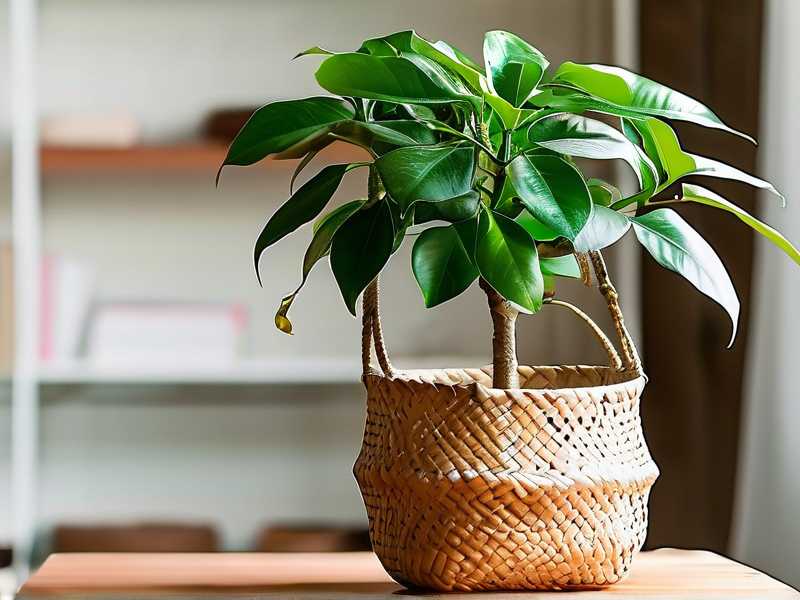
Step four, hang the basket. I used a simple macrame hanger with metal hooks from my local garden store. I hung it about eight inches below the curtain rod. That put the basket top at eye level. Why eye level? So I could see the soil surface and catch any issues early. I also made sure the basket had room to swing slightly but not bang against the window glass. A gentle breeze inside is fine, but direct contact with cold glass in winter will chill the leaves.
Step five, monitor and adjust. In the first week, I checked the soil moisture every morning. I didn’t water. I just poked my finger in. By day five, the top inch was dry, but the bottom was still slightly cool and damp. By day seven, the whole pot felt light when I lifted it. Then I watered thoroughly until water ran out the drainage holes. Then I let it drain completely before hanging it back up. I never leave water sitting in a saucer. If my basket had a built-in saucer, I’d dump it out every time after watering. I actually removed the saucer entirely on my final setup and just let it drip into the tray below that I empty.
During the second week, I noticed the stem had straightened out and the leaves were more plump. New growth at the tips started turning slightly upward, which is a sign of healthy growth. By day fourteen, the two lowest leaf pairs had bent downward toward the soil. That was the start of the cascade. It’s subtle at first, but it’s exactly what you want. Over the following month, that stem will continue to lengthen, and the weight will pull it over the rim. After about eight to ten weeks, you’ll have a beautiful draping effect.
I also want to address something I see a lot. People expect cascading growth within a week after hanging. That’s not realistic. Jade plants are slow growers, especially in the beginning. They put on most of their growth in spring and summer. In winter, they barely move. I don’t force rapid growth with fertilizer. Actually, I only fertilize once in spring and once in summer. Too much fertilizer makes the stems grow too fast and weak. They snap off at the base when you touch them. I broke a branch once by just brushing against it. The cell structure was too soft from excessive feeding. So, keep fertilizer minimal.
Another thing. Pruning helps the cascade. If you have a straight stem that just points upward and won’t bend, pinch off the top growth point. This forces the plant to branch out from lower nodes. Each new branch will grow horizontally at first, then droop with weight. I did this on my ceramic bowl test plant at the six-week mark. I pinched off the very top tiny leaves. Within two weeks, two new side shoots appeared. They started growing outward, and by week fourteen, both were draped over the edge of the bowl. It looked amazing.
Now, let me address common FAQs that I get from readers and friends.
FAQ number one: Can I hang a jade plant in a bathroom or kitchen? Technically, yes, if there’s enough light. But bathrooms are usually too humid. High humidity can promote rot on the stems where they touch the soil. Kitchens can work if you have a bright window, but the steam from cooking can also raise humidity. I keep my jade baskets in a dry room, which is my home office. The humidity there stays below fifty percent most days. That’s ideal. In my experience, anywhere above sixty percent humidity for prolonged periods is risky. The leaves can develop brown spots or fungal issues.
FAQ number two: My jade stems are starting to droop, but the leaves are wrinkled and soft. Is that a bad sign? Wrinkled, soft leaves mean the plant is underwatered or the roots are dead. If the soil is bone dry, give it a thorough soak. The leaves should plump up within 24 to 48 hours. If the soil is wet or damp, then the roots likely rotted. You need to take the plant out, cut off any black or brown roots, and repot in fresh dry mix. Then wait a week before watering. This happens to the best of us. I lost a beautiful two-foot-long jade to this because I thought she was thirsty. I watered it, and the rot just accelerated. When in doubt, check the roots first.
FAQ number three: How long does it take for a jade plant to start cascading? It depends on the starting size. A mature cutting with a heavy trunk will start drooping within two to four weeks. A small cutting, like a three-inch stem, might take six months to a year to develop enough weight. My recommendation is to start with a larger cutting or a plant that’s already two years old. The thick stems are what cause the natural droop. A plant with pencil-thin stems won’t cascade well; it will just flop over randomly and look messy. I’ve seen young plants that just kind of spill out, but it’s not that beautiful waterfall effect. Patience is key. My biggest jade, which is now four years old, only started looking like a proper cascade in the third year.
Let me wrap this up with a simple checklist that you can follow. Choose a basket that’s wide, shallow, and made of breathable material like unglazed terracotta or ceramic with good holes. Use a gritty mix with at least fifty percent mineral content. Water only when the soil is completely dry two inches deep. Place it in bright, indirect light for at least six hours a day. Rotate it weekly. Fertilize just twice a year. And don’t panic if the leaves get slightly red on the edges. That’s just sun stress, and it’s totally fine. Actually, it’s a sign of a happy, stressed plant, which sounds weird but is true for succulents.
I also want to mention the aesthetic side, because that’s why you’re doing this, right? A cascading jade plant looks amazing in a macrame hanger near a window, with the stems draping and the chubby leaves catching the light. Mine currently sits in my living room, and I get compliments on it constantly. I’ve even propagated more cuttings from it and given them to friends. That’s the best part of jade plants. They’re forgiving, resilient, and they share easily. You just need to get the basics right first. I honestly believe anyone can do this if they avoid the three mistakes I listed. Don’t overwater. Don’t give harsh afternoon sun. Don’t trap the roots in soggy soil with no drainage.
One last thought on the two-week observation. I kept a small notebook near my plant. I wrote down the watering dates, any leaf changes, and how heavy the basket felt. That data helped me understand the rhythm of the plant. I recommend doing this too, but you don’t need to be that systematic. Just look at the plant every morning for a week. You’ll start to notice patterns. The leaves tell you everything. Firm and plump means happy. Wrinkled means thirsty. Soft and mushy means overwatered. Yellow and translucent means rot. Learn to read those signs, and you’ll never kill another jade plant again.
The RHS says Crassula ovata is an easy plant for beginners, but I’d argue that’s only true if you respect its native habitat. These plants come from South Africa, where it’s hot, dry, and rocky. They get a ton of sun and very little rain. Recreate those conditions, and your hanging jade will thrive. The AHS also lists Crassula as a drought-tolerant genus, which reinforces the “less is more” watering approach.
Go ahead and repot your jade into a proper basket this weekend. Takes about fifteen minutes. Then leave it alone for a week. You’ll thank yourself come spring when it starts sprinting forward in growth. I promise it’s worth the effort. The cascade is one of the most satisfying things in indoor gardening. It feels like the plant is truly living and moving with you. And when you get that first branch to dip gracefully over the rim, it’ll make you smile every time you walk past.





