 bluename
 How to Fertilize Mature jade plant: 4 Maintenance Formulas That Actually Work
I killed three jade plants before I figured out how to fertilize a mature jade plant the right way. That's the honest truth.
Most people think jade plants are indestructible. They're not. And here's why it matters: 90% of indoor plants die from overwatering, according to years of houseplant data. But with mature jade plants, feeding mistakes run a close second.
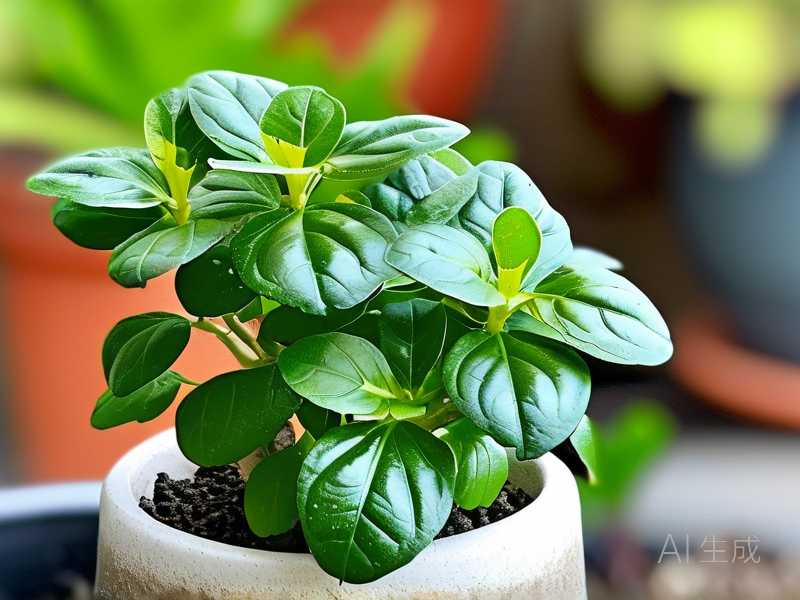
A mature jade plant — usually anything over five or six years old — has different nutritional needs than a young cutting. It's not growing as aggressively. Its roots are denser, sometimes root-bound. Push too much fertilizer and you'll get salt buildup, burned tips, or a plant that just sits there looking tired.
I've been growing jade plants for over a decade now. I've tested cheap liquid fertilizers, slow-release granules, homemade compost tea, and those fancy succulent blends. Some worked. Some set me back months.
So let me break down the four maintenance formulas I actually use, plus everything I've learned about light, water, soil, and seasonal care.
Why Your Mature Jade Plant Is Different
Young jade plants need nitrogen-heavy food to build leaves and stems fast. Mature ones? They mostly need balance. Too much nitrogen on an older plant causes weak, leggy growth that flops over.
Also, a mature jade plant in a small pot has less soil volume. That means fewer nutrients available, but also less buffer against over-fertilizing. It's a fine line. Simple. You need to feed lightly and consistently.
The Royal Horticultural Society (RHS) recommends feeding most succulents during active growth only — typically spring through early fall. The American Horticultural Society (AHS) echoes this: feeding during dormancy stresses the roots.
So timing matters as much as the formula itself.
Light Requirements Before You Even Think About Fertilizer
Here's the thing. Fertilizer without proper light is wasted money. A jade plant in low light won't use the nutrients you give it. They'll just sit in the soil and cause problems.
Best light for a mature jade: at least 4 to 6 hours of bright, indirect or direct morning sun. A south-facing window in the US or a north-facing window in Australia works well. If you're in the UK or Canada, a sunny windowsill that gets direct sun for part of the day is ideal.
Too little light? Stems stretch. Leaves shrink. The plant looks sad and you'll be tempted to fertilize more. Don't. Fix the light first.
Too much light? Leaves get red edges or brown scorch marks, especially in summer afternoons. I've had that happen on my west-facing porch. I now use a sheer curtain from June to August.
Watering Guide — Get This Right or Fertilizer Won't Matter
I learned this the hard way. My second jade plant died because I watered it every week like clockwork. Root rot. Gone in three weeks.
The core rule: water thoroughly, then let the soil dry completely. For a mature jade in a 6-inch pot, that's usually every 10 to 14 days in summer and every 3 to 4 weeks in winter.
Signs it's time to water: the top inch of soil is bone dry, and the leaves feel slightly less firm. Not wrinkled — just less plump.
How to water: pour until water runs out the drainage holes. Then empty the saucer. Never let it sit in water.
How to prevent root rot: use a pot with drainage, use gritty soil, and never water when the soil is already damp. I stick a wooden chopstick into the soil. If it comes out with damp soil clinging to it, I wait.
Soil and Repotting for Mature Jade Plants
Mature jade plants prefer being slightly root-bound. That's one of the few plants where tight roots actually help. But eventually, the soil breaks down and stops draining.
My go-to mix: 2 parts cactus potting soil, 1 part perlite, 1 part coarse sand. That's it. Simple.
Pot choice: terracotta is best. It breathes and wicks away moisture. I also like unglazed ceramic. Plastic works but holds water longer, so you have to be more careful.
When to repot: every 2 to 3 years for a mature plant. Spring is best. If you see roots circling the top of the soil or coming out the drainage hole, it's time.
How to repot without killing it: water a few days before. Then gently slide the plant out. Shake off old soil. Trim any mushy or dark roots with clean scissors. Let it sit in the shade for a day to callus. Then pot into fresh dry mix. Don't water for a week.
I've skipped that callus step before. Lost a beautiful 8-year-old jade to fungal rot. Learned my lesson.
The 4 Maintenance Fertilizer Formulas I Use
Okay, here's the practical part. Four formulas, depending on what you have and what stage your plant is in.
Formula 1: Balanced Liquid Fertilizer (My Default)
Use a 10-10-10 or 20-20-20 liquid fertilizer diluted to half strength. I use this every 4 weeks from March through August.
Why half strength? Mature jade plants are slow feeders. Full strength burns roots. I mix 1/4 teaspoon per gallon of water instead of the label's 1/2 teaspoon.
I've used this on my 12-year-old jade for three years. It stays compact, leaves are glossy, and it flowers occasionally in winter.
Formula 2: Low-Nitrogen Succulent Fertilizer
Use a 2-7-7 or 1-3-5 ratio. This is better for older plants that don't need much leaf growth. I switch to this in late summer to harden the plant before winter.
Apply once every 6 weeks. Water the soil first with plain water, then apply the diluted fertilizer. That prevents root burn.
Formula 3: Slow-Release Granules
I use a succulent-specific slow-release like Osmocote succulent blend. One application in early spring lasts 3 to 4 months.
Sprinkle a light layer on top of the soil. Scratch it in gently with a fork. Water normally. That's it.
Warning: don't use slow-release in winter. The granules release with temperature and moisture. In a warm indoor room, they keep feeding even when the plant should rest.
Formula 4: Compost Tea or Worm Castings (Organic Option)
This is my gentle formula for stressed or recently repotted plants. Steep 1 cup of worm castings in 1 gallon of water for 24 hours. Strain and use as a soil drench.
I apply this every 6 weeks during growing season. It's mild. Hard to overdose. Good for plants that seem "stuck."
I tried this on a jade that hadn't grown in a year. Two weeks later, I saw new leaf buds. Coincidence? Maybe. But I'll take it.
When NOT to Fertilize a Mature Jade Plant
This is critical. Do not feed:
- In winter, unless you're growing under strong grow lights and the plant is actively pushing new growth. Even then, use quarter strength once.
- Within 2 weeks of repotting. Roots are healing and fresh soil has nutrients.
- If the plant is sick, dropping leaves, or has root rot. Fix the problem first.
- If the soil is bone dry. Water first, then fertilize the next day. Otherwise you'll burn roots.
I ignored that last rule once. My jade dropped 15 leaves in a week. Took two months to recover.
Seasonal Care for Mature Jade Plants
Spring: The Big Push
Spring is when I do everything. Light feeding, repotting, pruning, and moving the plant to a brighter spot.
I feed with Formula 1 in early March. Then again in April and May. I prune any leggy branches back to a node. That encourages branching and a fuller shape.
If repotting, I do it in April when new growth starts. I wait 2 weeks after repotting before feeding.
I also rotate the pot a quarter turn every week. Otherwise the plant leans toward the window.
Summer: Sun Protection and Water Control
Jade plants love summer outdoors if you acclimate them slowly. I move mine to a shaded porch for one week, then morning sun only for another week. After that, it can handle full morning sun.
I feed every 4 weeks with Formula 1 or 2. I water more often — sometimes every 7 to 10 days if it's hot.
Pests show up in summer. Mealybugs and spider mites love dry, warm air. I wipe leaves with rubbing alcohol on a cotton swab. Then spray with neem oil every 10 days for three rounds.
I also check for black spots or mushy stems. That's rot. Cut it out immediately with sterile scissors.
Fall: Slow Down and Prepare
Fall is transition time. I stop feeding by mid-September. I water less — every 2 to 3 weeks.
I move the plant back inside before nighttime temps drop below 50°F (10°C). I clean the leaves with a damp cloth to remove dust and any pests.
I also inspect the soil surface for fungus gnats. They show up when soil stays wet. I sprinkle a thin layer of sand on top. That breaks their life cycle.
Winter: Rest and Protect
This is the most important season for mature jade. It needs a rest period. Cooler temps — 55 to 65°F (13 to 18°C) — and very little water.
I water maybe once a month. Sometimes less. The leaves shrivel slightly. That's normal. Don't panic and water more.
No fertilizer. Zero. I haven't fed my jade in winter for five years. It flowers every other year.
Keep it away from drafty windows and heating vents. I use a simple thermometer near the pot. If it drops below 50°F at night, I move the plant to a warmer room.
Common Pests, Diseases, and Troubleshooting
Yellow leaves: usually overwatering. Check the soil. If it's wet, stop watering for two weeks. If the stem is mushy, you have root rot. Unpot, cut rotted roots, repot in dry mix, wait a week to water.
Brown leaf tips: fertilizer burn or low humidity. Flush the soil with plain water to remove salt buildup. Then stop feeding for 6 weeks.
Leaf drop: stress from cold, sudden light change, or repotting. Move to stable conditions. Don't feed. Wait.
Mealybugs: white cottony spots in leaf joints. Dab with alcohol. Spray with neem oil.
Spider mites: fine webbing and speckled leaves. Increase humidity. Spray with insecticidal soap every 5 days for three rounds.
Scale: brown bumps on stems. Scrape off with a fingernail or use horticultural oil.
My Worst Mistake (So You Don't Repeat It)
I once used a full-strength all-purpose fertilizer on my mature jade in July. I thought more food meant more growth. Three days later, the leaf edges turned brown and crispy. A week later, half the leaves dropped.
I flushed the soil with 3 gallons of plain water. Then I didn't feed for two months. The plant survived, but it looked awful for a year.
That's when I learned: mature jade plants are light feeders. Less is always more.
Frequently Asked Questions
Can I use regular houseplant fertilizer on my mature jade plant? You can, but you must dilute it to half or quarter strength. Regular fertilizers are too strong for succulents. I prefer a balanced liquid at half strength or a low-nitrogen succulent blend.
How often should I fertilize a mature jade plant? Every 4 to 6 weeks during spring and summer. Stop by early fall. No feeding in winter. If you use slow-release granules, one application in early spring is enough.
What happens if I never fertilize my mature jade plant? It will survive, but growth slows and leaves may lose their shine. After a few years, the soil is depleted. A light feeding schedule keeps it healthy. But overfeeding is worse than not feeding at all.
Final Thoughts
Mature jade plants are forgiving — until they're not. The biggest mistakes I see are overwatering, wrong light, and the wrong pot. Fix those first. Then feed lightly with one of these four formulas.
Your plant will tell you what it needs. Watch the leaves. They're honest.





