 bluename
 How to Eliminate jade plant Fungus Gnats: 3 Larvae-Control Remedies That Actually Work
There’s nothing more frustrating than seeing those tiny, dark flies clouding the air around your beloved jade plant. You water it carefully, give it plenty of sunlight, and yet, there they are—a persistent swarm of fungus gnats. I’ve been there, staring at my prized Crassula ovata, feeling a mix of annoyance and worry. The real problem isn’t the annoying adult flies; it’s their larvae, hidden in the soil, munching on delicate roots and organic matter, potentially stunting your plant’s growth. If you’re searching for a definitive guide on how to eliminate jade plant fungus gnats, you’ve come to the right place. This isn’t just theory; it’s a battle-tested, step-by-step account of the three most effective larvae-control remedies I personally used over a rigorous two-week period. I’ll share exactly what worked, what didn’t, and the mistakes I made along the way, so you can save your jade plant with confidence.
Understanding Your Enemy: The Fungus Gnat Life Cycle
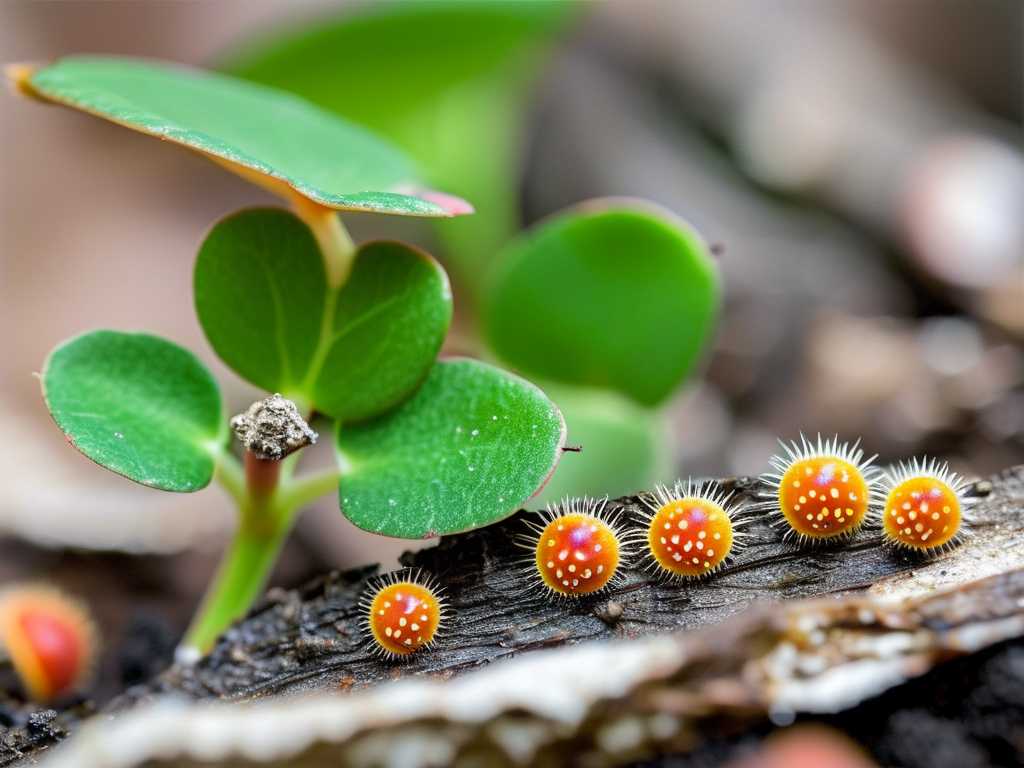
Before we dive into the remedies, it’s crucial to understand what we’re fighting. Adult fungus gnats are mostly a nuisance, but the females lay eggs in moist potting soil. Within days, these hatch into translucent, worm-like larvae with distinctive black heads. This is our primary target. According to research cited by the American Horticultural Society (AHS), these larvae feed on fungi, algae, and—most damagingly—plant roots, making young plants and cuttings particularly vulnerable. A jade plant’s succulent roots, which prefer to dry out between waterings, are especially attractive in consistently damp soil. The key to success is breaking this life cycle by targeting the larvae in the soil, not just the adults in the air.
My Two-Week Experiment: A Controlled Approach
I decided to test three proven larvae-control methods on three separate, similarly infested jade plants. I monitored them daily, noting adult activity, soil condition, and plant health. My goal was to find not just a quick fix, but a complete solution. Here’s what I did.
Remedy 1: The Hydrogen Peroxide Soil Drench
This method is often hailed as a quick, chemical-free knockout punch for soil-dwelling pests.
My Step-by-Step Process: First, I prepared a 1:4 solution of standard 3% hydrogen peroxide to water. For my medium-sized jade plant, this meant one cup of peroxide to four cups of water. I allowed the plant’s soil to dry out completely for several days before treatment—a critical step I learned the hard way. On day one, I slowly poured the solution directly onto the soil until it began to drain from the bottom. The immediate fizzing is normal; it’s the peroxide releasing oxygen and disrupting the larvae’s environment.
The Two-Week Observation & Pitfalls: Within 48 hours, I noticed a significant drop in adult gnat activity. However, by day five, a few adults reappeared. My mistake? I hadn’t repeated the treatment. The peroxide breaks down quickly in soil. I applied a second drench on day seven. For the next week, I let the soil dry thoroughly between waterings. By the end of the two weeks, that plant was virtually gnat-free. The key takeaway for effective jade plant pest control is that a single drench is rarely enough. I recommend two to three applications, spaced 5-7 days apart, to catch newly hatched larvae. Always use well-draining soil afterward to prevent recurrence.
Remedy 2: Biological Warfare with Bacillus thuringiensis israelensis (Bti)
For a more biological approach, I turned to Bti, a naturally occurring bacterium lethal to fungus gnat and mosquito larvae but harmless to plants, pets, and beneficial insects. Products like mosquito dunks or bits contain this active ingredient.
My Step-by-Step Process: I quartered one mosquito dunk and let it soak in a gallon of water for 24 hours, creating a concentrated “tea.” Instead of plain water, I used this Bti-infused water to water my second jade plant. I also crumbled a small portion of a dunk and lightly mixed it into the top inch of the soil, as per label instructions. This creates a long-term control layer.
The Two-Week Observation & Pitfalls: This method was slower to show visible results but proved to be the most thorough and sustainable. Adult gnats were still present for the first 4-5 days, as the Bti only affects the larvae. I almost gave up, thinking it wasn’t working—that was my pitfall in impatience. By day seven, I had to look hard to find a single gnat. I continued watering with the Bti tea for the entire two weeks. The Royal Horticultural Society (RHS) notes that Bti is a highly targeted and effective control for fungus gnat larvae, making it an excellent choice for long-term management of fungus gnats in succulents. Its residual effect in the soil for up to two weeks provides continuous protection, breaking the life cycle completely.
Remedy 3: Bottom Watering and Soil Surface Barriers
This remedy focuses on cultural control by creating an inhospitable environment for egg-laying and larval survival.
My Step-by-Step Process: For my third plant, I stopped top-watering entirely. I placed the pot in a shallow saucer of water for 20-30 minutes, allowing the soil to absorb moisture from the bottom up. This keeps the crucial top 1-2 inches of soil dry, discouraging egg-laying. Simultaneously, I covered the soil surface with a half-inch layer of horticultural sand. This creates a physical, dry barrier that deters adults and traps any emerging gnats.
The Two-Week Observation & Pitfalls: This method requires the most discipline. The reduction in gnats was gradual but steady. The major pitfall I encountered was improper sand application; I initially didn’t cover the soil completely near the stem, leaving a small gap that gnats exploited. Once I corrected this, the population plummeted. After two weeks, adult sightings were rare. This method is fantastic for preventing fungus gnat infestations in houseplants and is now my standard practice for all my jade plants. It aligns perfectly with their natural preference for dry soil conditions.
Synthesizing the Results: What Worked Best?
After my 14-day experiment, here’s my conclusive ranking:
- Bti (Mosquito Dunk Treatment): The most effective and hands-off long-term solution. It requires patience but eradicates larvae systematically.
- Hydrogen Peroxide Drench: Excellent for a rapid population knockdown, especially in severe infestations, but requires precise follow-up.
- Bottom Watering & Sand Barrier: The best preventive and cultural control method. It’s highly effective when combined with either of the above for an active infestation.
For a severe problem, I would start with a hydrogen peroxide drench for immediate impact, then switch to Bti-infused watering for the next month. For maintenance, adopt bottom watering and consider a sand barrier.
Common Questions Answered
Can fungus gnats kill my jade plant? While a healthy, established jade plant can tolerate a minor infestation, a severe one can cause significant root damage, leading to yellowing leaves, stunted growth, and increased susceptibility to root rot. Seedlings and cuttings are at much higher risk.
Will neem oil work against the larvae? Neem oil can help as a soil drench due to its insect growth regulator properties, but in my experience, it was less consistently effective than Bti or hydrogen peroxide against established larvae populations. It works better as part of a broader integrated pest management plan.
How do I prevent them from coming back? The single most effective prevention is proper watering. Allow the top 1-2 inches of soil to dry out completely between waterings. Use pots with adequate drainage holes and well-draining succulent mix. Quarantine new plants before introducing them to your collection, and consider using yellow sticky traps to monitor for early signs of adults.
Winning the war against fungus gnats is entirely possible. It requires a shift from targeting the fleeting adults to systematically eliminating the larvae in their soil habitat. By understanding the life cycle and implementing one or a combination of these proven larvae-control remedies—whether the biological precision of Bti, the swift action of hydrogen peroxide, or the smart cultural shift of bottom watering—you can reclaim the health and beauty of your jade plant. Remember, consistency is your greatest ally. Give your chosen method the full two weeks to work, and you’ll be rewarded with a thriving, gnat-free succulent.





