 bluename
 How to Stop jade plant Leaf Yellowing from Overwatering: 7 Fixes That Saved My Plant
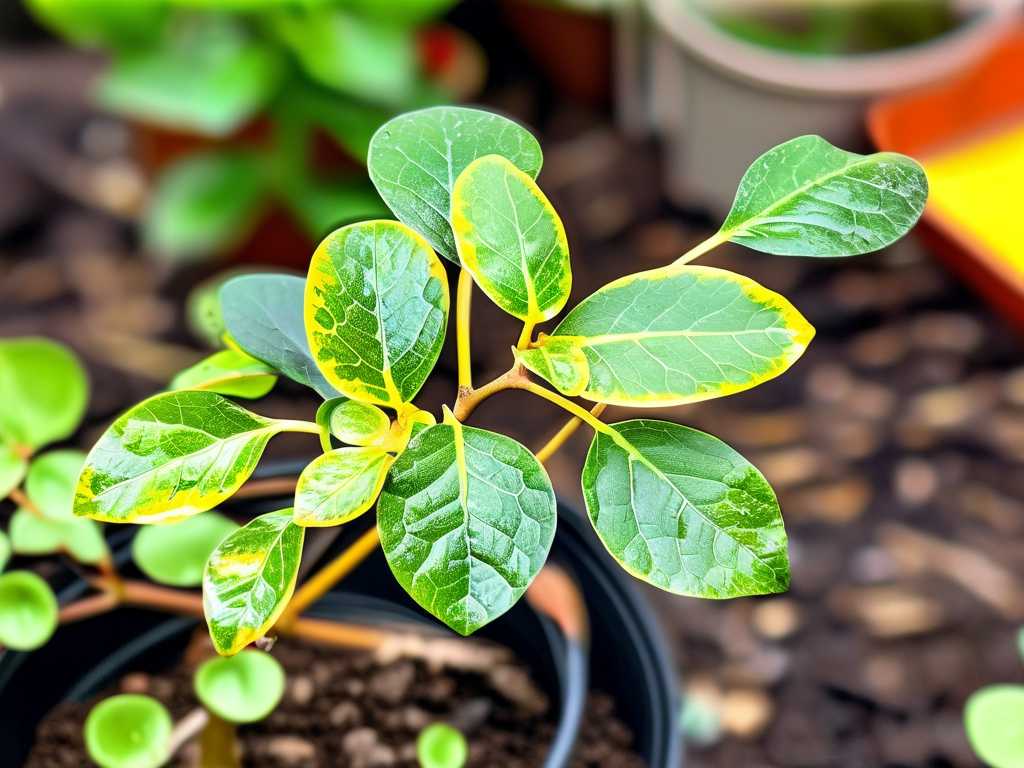
I’ll never forget the sinking feeling of seeing my beloved, plump jade plant develop those telltale signs—soft, squishy, yellowing leaves starting at the bottom. I’d loved it too much, literally. My overzealous watering was slowly drowning it. If you’re here, you’re likely facing the same heartache. Overwatering is the single most common killer of jade plants, but it’s not a death sentence. Through trial, error, and a two-week rescue mission, I learned exactly how to stop jade plant leaf yellowing from overwatering. This guide isn’t just theory; it’s my firsthand account of the seven fixes that brought my plant back from the brink.
Understanding the "Why": It's Not Just Water, It's Suffocation
Before we dive into the fixes, let’s understand the enemy. Jade plants are succulents, storing water in their thick leaves and stems. When we overwater a jade plant, the soil stays soggy, roots can’t breathe, and root rot sets in. The first symptom is often yellow leaves on jade plant, especially the older, lower ones. They turn soft, translucent, and may eventually drop. The American Horticultural Society notes that for succulents, "the fastest route to decline is consistently moist soil," which creates an anaerobic environment hostile to healthy roots.
My 7-Step Rescue Plan: A Two-Week Recovery Journal
I committed to a full recovery protocol, observing my plant daily. Here’s what I did, step by step.
1. The Immediate Intervention: Stop Watering and Assess the Damage
The moment I confirmed overwatering (the soil was wet an inch down, and leaves were yellowing), I stopped all watering immediately. This seems obvious, but the urge to "do something" is strong. I moved the plant to a bright, airy spot out of direct, harsh sun to help the soil dry faster. For the first two days, I simply observed. No improvement yet, but the yellowing didn’t spread rapidly—a small win.
2. The Critical Check: Unpotting and Inspecting the Roots
This is the most crucial step. On day three, I gently tipped the plant out of its pot. The smell was musty, and the roots confirmed my fear: some were dark brown, mushy, and sloughed off to the touch—classic root rot. Healthy jade roots are firm and white or light tan.
- The Mistake I Made: I initially tried to treat the plant without unpotting it, hoping it would dry out. This wasted precious time as the rot continued to spread unseen.
- The Fix: I gently removed all the wet soil and began the triage process.
3. Surgical Precision: Pruning the Rotten Roots
With clean, sharp scissors (sterilized with rubbing alcohol), I carefully cut away every soft, rotten root. I was ruthless but careful, preserving all firm, healthy roots. This felt scary, but it’s essential. The Royal Horticultural Society advises that "removing all diseased material is paramount" when dealing with rot. After pruning, I let the root ball air dry on a paper towel in a shaded, well-ventilated area for a full 24 hours. This callusing helps prevent re-infection when repotted.
4. A Fresh Start: Repotting with the Right Soil and Pot
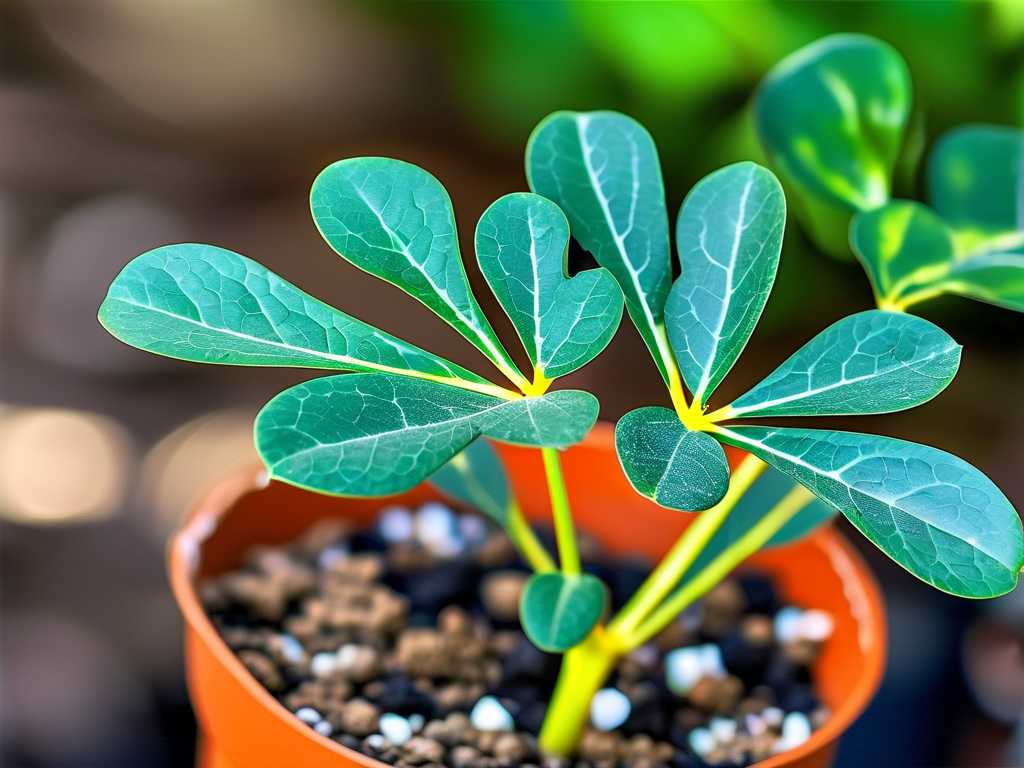
Using the old pot and soil was not an option. I chose a new pot that was only slightly larger than the remaining root system, and crucially, it had multiple drainage holes. The soil mix was my game-changer: I used a pre-made cactus/succulent mix, but to supercharge drainage, I amended it with extra perlite (about a 2:1 ratio of mix to perlite). This creates the fast-draining, gritty environment jade roots crave.
5. The Delicate First Water: When and How
After repotting on day four, I did not water. I waited a full week to allow any minor root injuries to heal and to let the plant settle. On day eleven, I gave it a thorough but careful soak. I placed the pot in the sink, watered until it ran freely from the drainage holes, and let it drain completely before returning it to its saucer. This mimics a natural, infrequent desert downpour.
6. Optimizing the Environment: Light and Airflow
I placed my recovering jade in a spot with bright, indirect light for at least 6-8 hours a day. Good airflow around the plant also helps soil dry evenly and prevents fungal issues. I avoided misting the leaves entirely, as jades don’t need humidity and wet leaves can invite disease.
7. Mastering the "Soak and Dry" Method for the Future
The final fix is a permanent change in habit. I abandoned my old calendar-based watering schedule. Now, I only water when the soil is completely dry. I check by sticking my finger or a wooden chopstick deep into the soil. If it comes out clean, it’s time to water. This method prevents overwatering jade plants for good.
My Two-Week Observation Log
- Days 1-3: Yellowing paused. Plant looked stressed but stable.
- Days 4-7 (Post-Repot): Some lower yellow leaves shriveled and dropped—this is normal as the plant focuses energy on new root growth. No new yellowing appeared.
- Days 8-14: The plant stopped dropping leaves. The remaining leaves began to firm up. While the yellowed leaves won’t turn green again, I saw the first sign of hope: tiny, bright green new growth points at the stem tips. This was the confirmation that my jade plant recovery was successful.
Questions I Had Along the Way (And What I Learned)
Can yellow leaves turn green again? No, once a leaf turns yellow and soft from overwatering, it will not recover. The plant will eventually shed it. The goal is to stop the progression and save the rest of the plant. Don’t pull them off forcefully; let them drop naturally or snip them if they are entirely withered.
How often should I really water my jade plant? There is no universal schedule. It depends on your home’s humidity, light, and season. In my bright indoor setting, I now water roughly every 3-4 weeks in summer and every 5-6 weeks in winter. Always let the soil dryness be your guide, not the date.
What if only a few leaves are yellow? A few lower leaves yellowing and dropping occasionally can be part of natural aging. The red flags are multiple leaves yellowing rapidly, especially if they feel soft and mushy, and if it’s accompanied by a consistently wet potting mix. That’s when immediate action is needed.
Watching my jade plant suffer was a tough lesson, but a valuable one. The journey from a soggy, yellowing specimen to a firm, growing plant took patience and these seven decisive actions. The key is understanding that jades thrive on neglectful affection—they want bright light, fantastic drainage, and to be left alone until their soil is bone dry. By mastering the soak-and-dry method and providing a gritty home for their roots, you can prevent overwatering issues for good and enjoy a robust, green companion for years to come.





