 bluename
 How to Stop jade plant Leaf Curling in Winter: 5 Cold-Month Hacks
I remember the first winter my beloved jade plant’s leaves started to curl inward, feeling thin and soft. That puckered, wrinkled look sent me into a panic. Was it dying? I’d cared for it perfectly all year, only to watch it seemingly deteriorate as the temperatures dropped. If you’re here, you likely know that exact worry. Jade plant leaf curling in winter is a distress signal, but it’s one we can absolutely fix. It’s not a death sentence; it’s a cry for a change in care. Over several winters, through trial, error, and consultation with expert resources like the Royal Horticultural Society (RHS), I’ve cracked the code. This guide isn’t just theory; it’s my firsthand account of implementing five critical hacks over a focused two-week period to reverse the curl and restore vitality.
Understanding Why Your Jade Plant Leaves Curl in the Cold Months
Before we dive into the solutions, let’s diagnose the problem. Jade plants (Crassula ovata) are succulents built for arid, sunny environments. Winter disrupts their ideal world in several key ways, triggering leaf curl as a survival mechanism.
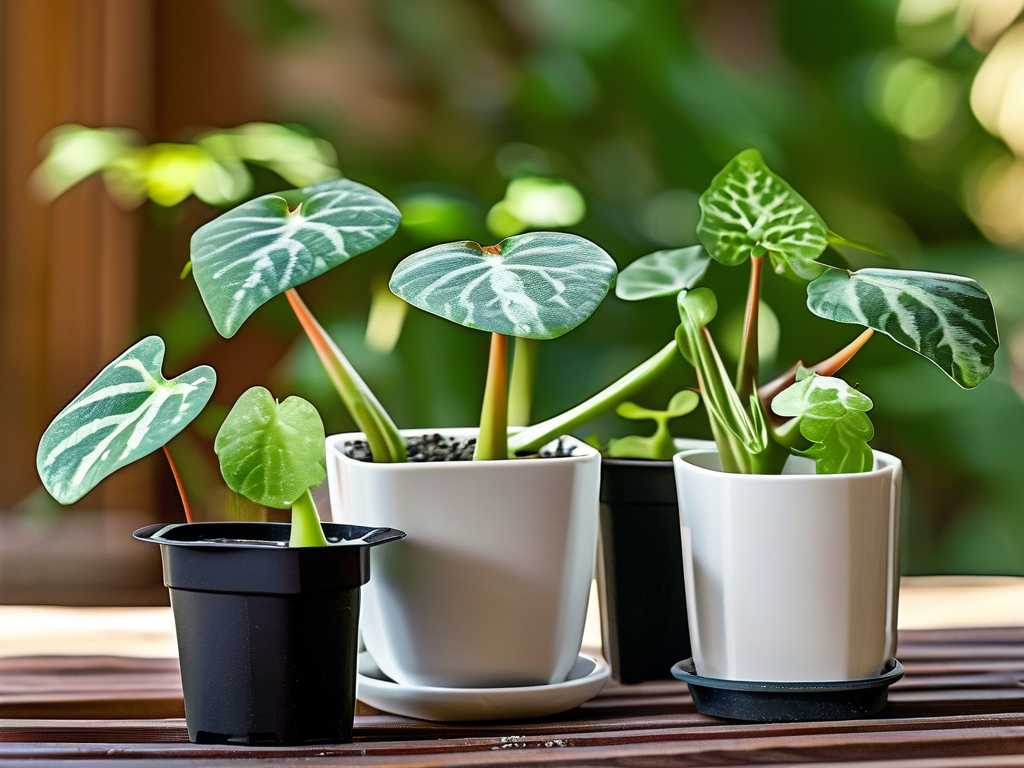
Primarily, it’s about water balance. The RHS notes that succulents are highly susceptible to overwatering in low-light, cool conditions. In winter, sunlight is weaker, days are shorter, and indoor heating creates dry air. The plant’s growth slows dramatically, meaning its roots take up water much, much slower. Yet, we often continue watering on our summer schedule. The roots sit in cold, damp soil, potentially leading to rot. The leaves curl and soften because they are essentially waterlogged at the roots yet unable to process the moisture effectively—a paradoxical state of stress.
Conversely, the dry air from heating systems can also pull moisture from the leaves faster than the compromised roots can replace it, sometimes causing a leathery, inward curl. Combine this with cold drafts from windows and a significant drop in light, and you have a perfect storm for curling jade leaves.
My 2-Week Rescue Mission: The 5 Hacks I Implemented
I selected a mature jade plant showing classic signs: upper leaves slightly curled inward, lower leaves soft and a few yellowing. I committed to a two-week observation period, applying these five changes simultaneously and tracking progress every other day.
Hack 1: The Radical Watering Intervention
This is the most crucial step. I completely stopped my automatic "weekly sip" habit.
My Steps:
- I checked the soil moisture not just on the surface, but 2-3 inches deep using a wooden skewer. It came out damp.
- I did not water. I placed the plant in the brightest spot I had (see Hack 2) and waited.
- I waited a full 14 days before checking again. This felt agonizing, but it was necessary. After two weeks, the skewer was completely dry.
- I then gave it a thorough but careful watering—allowing water to flow freely from the drainage holes, and ensuring no water remained in the saucer after 30 minutes.
The 2-Week Observation & Pitfall: By day 4, the leaves felt slightly less soft. By day 10, the curling had visibly lessened, and the leaves began to plump up. The pitfall here is impatience. On day 7, I almost watered because the surface soil was bone-dry, but the deep probe proved the lower soil was still moist. Trusting the tool saved me from reversing progress. This method directly addresses how to fix curling jade plant leaves by resolving the root cause of stress.
Hack 2: The Great Light Migration and Rotation
Winter light is weak. My plant was near a window, but it wasn’t enough.
My Steps:
- I moved it to a south-facing windowsill (north-facing if you’re in the Southern Hemisphere) for maximum daylight exposure.
- I meticulously cleaned the inside and outside of the window to remove any film or grime blocking light.
- I began rotating the pot a quarter-turn every time I checked the soil (every 2-3 days) to ensure all sides received equal light.
The 2-Week Observation & Pitfall: The difference was subtle but cumulative. The new growth at the tips (which had stalled) began to show a healthier, tighter form. The overall plant color deepened slightly. The pitfall? Drafts. My chosen windowsill was drafty. I solved this by using a thick curtain as a buffer at night, pulling it between the plant and the glass, which leads to our next hack.
Hack 3: Mastering Temperature and Humidity Stability
Jade plants prefer a steady 65-75°F (18-24°C). Winter brings cold drafts and dry, hot air from vents.
My Steps:
- I used a digital thermometer/hygrometer to monitor the area around my plant. I discovered nightly drops near 55°F (13°C) and daytime humidity as low as 30%.
- I moved the plant 3 feet away from the drafty window to a stable spot still bathed in light, but away from the direct blast of a heating vent.
- To combat dry air, I placed the pot on a wide, shallow pebble tray filled with water. The pot sat on the pebbles, above the water line. As the water evaporates, it locally increases humidity.
The 2-Week Observation: This created a microclimate. The leaves stopped feeling papery at the edges. The winter care for jade plants to prevent leaf curl hinges on this stability. The plant no longer had to stress about sudden temperature shocks.
Hack 4: The Winter Feeding Freeze
Fertilizing a dormant, stressed plant is like offering a heavy meal to someone with the flu.
My Steps:
- I simply stopped. I did not apply any fertilizer for the entire two-month period, including these two weeks.
- The goal was to let the plant focus its energy on root health and maintaining existing leaves, not on pushing new growth that would be weak and leggy due to low light.
The Observation: This is a "non-action" hack, but a critical one. It prevents the buildup of salts in the soil, which can further harm roots and exacerbate moisture uptake issues.
Hack 5: The Root Zone Check-Up
Sometimes, the problem is advanced. After the two-week mark of no watering, I performed a vital check.
My Steps:
- I gently tipped the plant out of its pot to inspect the root ball.
- I looked for healthy, firm white or light tan roots. I found a few dark, mushy strands—early signs of rot.
- Using sterilized scissors, I carefully pruned away these affected roots.
- I then repotted the plant into fresh, dry, well-draining succulent/cactus mix, in a pot with excellent drainage holes.
The Pitfall and Solution: The pitfall is being too aggressive. Only remove what is clearly dead or mushy. After repotting, I waited another full week before even considering a light watering, allowing any tiny root injuries to callous over. This step is the ultimate solution for curled jade plant leaves when simpler adjustments aren't enough.
Your Questions, Answered
Can curled jade leaves go back to normal? Yes, absolutely. If the curling is due to environmental stress (water, light, temperature) and not severe root rot, the leaves will gradually plump up and flatten out over several weeks once the correct conditions are provided. The leaves that were most severely affected or yellowed may eventually be shed, but new, healthy growth will replace them.
How often should I really water my jade in winter? There is no fixed schedule. The rule is: water only when the soil is completely dry all the way to the bottom of the pot. This could mean every 3-4 weeks or even longer. Use a skewer or moisture meter to be sure. When you do water, water deeply, then let it dry out completely again.
Is a grow light necessary for jade plants in winter? If you lack a bright, sunny south-facing window, a grow light is an excellent investment. I use a simple, inexpensive LED full-spectrum panel for 4-6 hours a day to supplement natural light on persistently gloomy days. It prevents etiolation (stretching) and supports overall plant health, making your jade plant winter care routine far more effective.
Watching those curled leaves slowly unfurl and regain their plump, confident posture is incredibly rewarding. It taught me that plant care isn’t static; it’s a responsive dance with the seasons. The key is to listen to what your jade is telling you—curling leaves are its clear, visual language of discomfort. By mastering these five winter hacks—watering with restraint, maximizing every drop of light, stabilizing the environment, holding off on food, and being brave enough to check the roots—you transform from a worried plant owner into a confident caretaker. Your jade will thank you with resilient health that lasts far beyond the cold months.





