 bluename
 How to Treat jade plant Nutrient Deficiency: 4 Yellow-Leaf Fixes
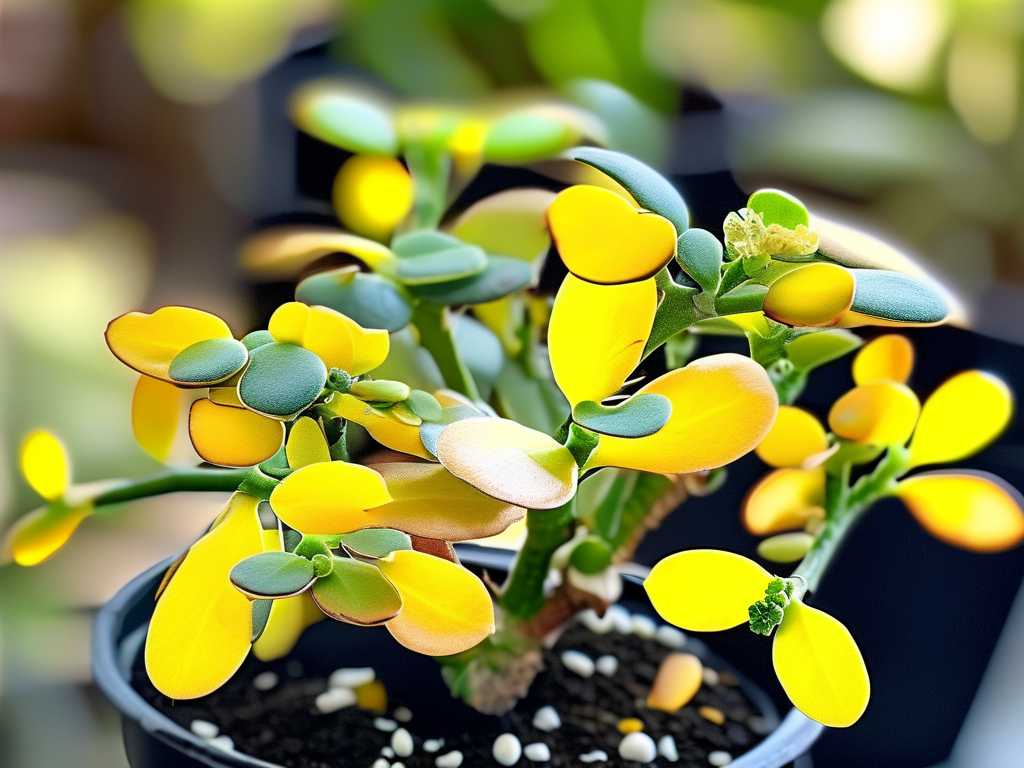
There’s a special kind of panic that sets in when you notice your trusted jade plant, a stalwart companion for years, suddenly sporting yellow leaves. It feels personal. I’ve been there, staring at my own Crassula ovata, ‘Gollum’, its usually plump, green fingers turning a sickly yellow. My first instinct was to water it more, which, as I painfully learned, is often the worst thing you can do. Yellowing leaves on a jade plant are a classic distress signal, and jade plant nutrient deficiency is a prime suspect, but it’s rarely about simply adding fertilizer. It’s a puzzle where the pieces are water, light, soil, and yes, nutrients. After my own scare and a dedicated two-week rescue mission, I’ve distilled the process into four actionable fixes that address the root cause, not just the symptom.
Understanding Why Your Jade Plant Leaves Turn Yellow
Before we start treatment, we need to be plant detectives. Yellow leaves can mean many things. According to the Royal Horticultural Society (RHS), chlorosis (yellowing) in succulents like jade plants is frequently a sign of stress from overwatering, which suffocates roots and prevents nutrient uptake. It can also signal a genuine lack of key nutrients like nitrogen or iron. The American Horticultural Society emphasizes that proper diagnosis is key; treating for a deficiency when the issue is root rot will kill the plant. In my case, the yellowing was concentrated on older, lower leaves and newer growth seemed pale. This pointed me toward a nitrogen issue, but I had to rule out other culprits first.
The 4-Step Diagnostic and Treatment Plan
This isn’t a quick-fix list. It’s a sequential guide. You must follow these steps in order, as each one eliminates a potential cause and builds the foundation for the next. I committed to observing my plant daily over a two-week period, tracking even subtle changes.
Step 1: The Immediate Intervention – Assess Your Watering Routine
This is always step one. Jade plants are succulents; they store water in their leaves. Overwatering is the #1 killer.
My Action & Mistake: I used to water on a weekly schedule. Big mistake. I learned to water only when the soil was completely dry. I stuck my finger about two inches into the potting mix. If I felt any moisture, I waited. I also ensured my pot had a massive, unobstructed drainage hole. During my two-week observation, I completely withheld water for the first 10 days to let the pot dry out thoroughly.
The Two-Week Observation: After 10 days of dry soil, the yellowing on older leaves stabilized—it didn’t spread rapidly to new growth. This was my first clue that overwatering might have been a contributing factor, but not the sole villain, as the pale new growth persisted.
Step 2: Evaluate Light and Soil – The Foundation of Health
A jade plant needs bright, indirect light for at least 4-6 hours daily. Weak light leads to weak growth and poor nutrient processing. Similarly, dense, old soil becomes compacted and hydrophobic (repels water) or, conversely, waterlogged.
My Action: My plant was in a decent spot, but I moved it to a brighter south-east facing window with a sheer curtain filter. The real issue was the soil. It was the same generic potting mix I’d used for five years. It had broken down and become dense.
The Fix & Observation: I didn’t repot immediately (to avoid compounding stress), but I carefully aerated the top layer of soil with a chopstick. I planned a repot for after the plant showed signs of recovery. Within a week of improved light, I noticed the green color in the upper leaves seemed slightly more vibrant. The plant was using its energy more efficiently.
Step 3: Addressing the Actual Nutrient Deficiency
With water and light managed, I could now confidently address a potential nutrient shortage. You cannot fertilize a struggling plant in soggy soil or low light—it will cause fertilizer burn.
Choosing the Right Fertilizer: I needed a balanced, gentle fertilizer. I chose a liquid succulent-specific fertilizer with an NPK ratio close to 2-4-2, which is lower in nitrogen than all-purpose blends. I also looked for one containing micronutrients like iron.
My Application Process (The Right Way):
- I waited until the soil was bone dry and the plant was due for a deep watering.
- I diluted the fertilizer to half the strength recommended on the label. This is crucial for a stressed plant.
- I watered thoroughly with this diluted solution until it ran freely from the drainage hole, ensuring even nutrient distribution.
- I then placed the plant back in its bright spot and resolved not to fertilize again for at least 8 weeks.
The Two-Week Turnaround: This was the pivotal moment. For 5-7 days, nothing dramatic happened. Then, around day 10, I examined the new growth at the very tips of the stems. The pale green started to deepen. It wasn’t a sudden change, but a steady, confident greening. The older yellow leaves did not revert to green (they never will), but they stopped falling off, and no new leaves yellowed. The plant’s overall posture looked firmer.
Step 4: The Long-Term Maintenance Protocol
Fixing the yellow leaves on jade plant is temporary without a system. Treating jade plant yellow leaves is about changing your habits.
My New Routine:
- Watering: The “soak and dry” method is now law. I water deeply, then forget about it until the soil is completely dry.
- Fertilizing: I only fertilize during the active growing season (spring and summer), and never more than once a month at half-strength. In fall and winter, I stop completely.
- Soil Refresh: I now repot my jade into a fresh, well-draining succulent mix every 2-3 years. I use a blend of regular potting soil, coarse perlite, and a handful of pine bark for aeration. This prevents nutrient lockout in jade plants, where salts build up in old soil and block roots from absorbing what they need.
Your Questions, Answered
Can yellow jade leaves turn green again? No, once a leaf has turned yellow, it will not regain its green color. The chlorophyll is gone. The goal of treatment is to stabilize the plant and ensure all new growth is healthy and green. You can gently remove the fully yellowed leaves once they are dry and crispy.
How often should I really fertilize my jade plant? Far less than you think. For a mature, healthy jade plant, fertilizing 3-4 times during the entire growing season (spring to early fall) is sufficient. Over-fertilization is a common cause of salt buildup and root damage, which can ironically cause more yellowing.
What’s the best potting mix to prevent future problems? Drainage is everything. A commercial “cactus and succulent” mix is a good start, but for optimal health, I make my own: 2 parts potting soil, 1 part perlite, and 1 part coarse sand or fine gravel. This mix ensures water flows through quickly, roots get oxygen, and nutrients are available without the risk of sogginess.
Watching my jade plant recover was a lesson in patience and observation. The yellow leaves were a warning, not a death sentence. By methodically addressing the environment—correcting my watering, ensuring ample light, and finally, applying a gentle, targeted nutrient solution—I gave my plant the tools to heal itself. The greening of new growth after two weeks was the reward. Remember, a jade plant thrives on benign neglect and a stable routine. Stick to the basics of bright light, infrequent but deep watering, and sparse feeding, and your jade will reward you with decades of resilient, vibrant green growth.





