 bluename
 How to Revive jade plant Wilting: 6 Water-Balance Fixes
There’s a special kind of plant-parent panic that sets in when you notice your jade plant wilting. Those plump, vibrant leaves you’ve nurtured for months—or even years—suddenly look soft, wrinkled, and droopy. I know that feeling all too well. I stared at my beloved ‘Gollum’ jade, a plant I’d propagated from a single cutting, with a sinking heart. Its normally upright, tubular leaves were limp and puckered. My first, frantic instinct was to pour water into its pot, assuming it was desperately thirsty. That, as I painfully learned over the next two weeks, was the worst possible move. True revival isn’t about a single act of rescue; it’s a careful recalibration of your plant’s entire water balance. Through trial, error, and patient observation, I discovered the precise fixes that brought my jade back from the brink. This guide is the result of that hands-on experience, designed to help you diagnose the real cause and apply the right solution.
Understanding the “Why” Behind the Wilting
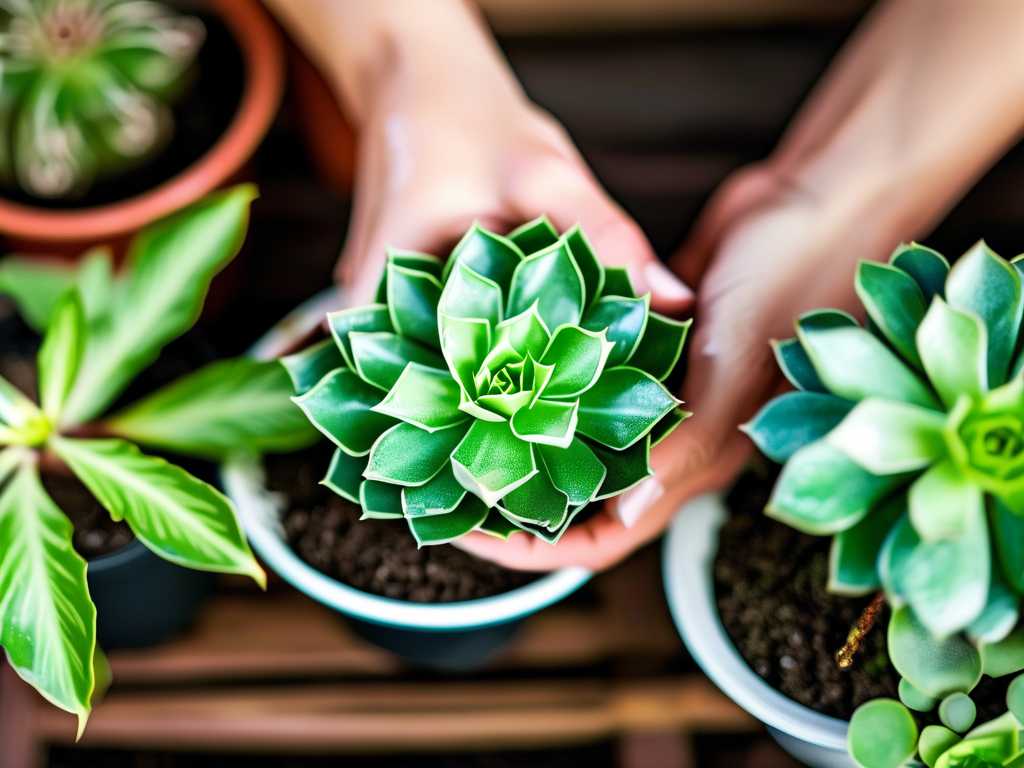
Before you act, you must diagnose. Wilting in a jade plant (Crassula ovata) is almost always a water issue, but it’s a deceptive one. The symptom is the same, but the cause can be one of two opposites.
The Paradox: Overwatering vs. Underwatering Both can cause leaves to lose firmness and wilt. Here’s the critical distinction I learned to spot:
- Overwatering (Root Rot): Leaves feel mushy, soft, and may turn yellow or translucent before falling off. The stem near the soil might feel soft or look darkened. The soil will likely stay wet for days.
- Underwatering: Leaves are wrinkled, thin, and dry to the touch. They may look deflated but aren’t mushy. Lower leaves often shrivel first. The soil is bone-dry and may have pulled away from the pot’s edges.
My plant presented a confusing mix: some leaves were wrinkled (suggesting thirst), but the soil felt cool and damp days after its last drink. I was facing the more sinister issue: early-stage root rot from overwatering, which prevents the plant from taking up water, mimicking drought stress. This is why blindly watering a wilting jade is so dangerous.
The 6-Step Water-Balance Recovery Plan
I committed to a two-week rescue protocol, monitoring my plant daily. Here is the exact sequence I followed.
1. The Immediate Intervention: Soil & Root Inspection This step is non-negotiable. Gently remove your jade from its pot. Shake off the old soil and examine the roots. Healthy roots are firm and white or light tan. Rotten roots are dark brown or black, mushy, and may smell foul.
- My Experience: I found a cluster of healthy roots, but nearly a third were dark and slimy. The potting mix was dense and held too much moisture.
- The Fix: Using sterilized scissors, I carefully cut away every single rotten root back to healthy tissue. I didn’t shy away from removing a significant portion; it’s essential. I then let the root ball air-dry on a paper towel for 24 hours in a shaded, airy spot. This helps callous over the cuts and prevents further rot.
2. Repotting for Success: The Right Foundation You cannot put a plant recovering from root rot back into old, contaminated soil or a poorly draining pot. According to the Royal Horticultural Society (RHS), succulents like jade plants require “open, free-draining compost” to prevent waterlogging.
- My Mix: I created a fast-draining succulent mix: 2 parts standard potting soil, 1 part coarse perlite, and 1 part pine bark fines. This ensures aeration and rapid drainage.
- The Pot: I chose a clean terracotta pot with a large drainage hole. Terracotta is porous, allowing the soil to dry from the sides as well as the bottom. The new pot was only slightly larger than the remaining root system.
3. The Strategic First Watering After repotting into dry mix, the temptation to water is strong. Resist. I waited a full 48 hours after repotting before the first watering. This allows any minor root injuries from repotting to heal, minimizing rot risk.
- The Technique: I used the “soak and dry” method. I placed the pot in a sink and watered thoroughly until water ran freely from the drainage hole, ensuring the entire root ball was moistened. I then let it drain completely before returning it to its spot.
4. Creating the Ideal Recovery Environment Light and airflow are crucial partners in regulating water balance.
- Light: I placed my jade in a spot with plenty of bright, indirect light. Direct, harsh sun can stress a recovering plant, but strong light helps the plant use water efficiently and promotes new growth. The American Horticultural Society (AHS) notes that jade plants thrive in “bright light with some direct sun.”
- Airflow: I ensured good air circulation around the plant (not a direct draft from a vent) to help evaporate excess moisture from the soil surface and leaves.
5. Mastering the New Watering Schedule This is where most failures happen. I abandoned my old calendar-based schedule.
- My Method: I used the “finger test.” I inserted my finger into the soil up to the second knuckle. I only watered when the soil was completely dry at that depth. For my repotted plant in its terracotta pot, this meant watering approximately every 12-14 days during its recovery, rather than my previous weekly schedule.
- Observation: I tracked the plant’s weight by gently lifting the pot. A light pot means dry soil; a heavy one means there’s still moisture inside.
6. Patience and Progress Tracking Recovery is not instantaneous. New growth is your sign of success.
- Week 1 Observation: The wilting stopped progressing. Some severely damaged lower leaves yellowed and dropped—this is the plant conserving energy. I removed them gently.
- Week 2 Observation: The remaining plump leaves began to firm up. Most importantly, I spotted tiny, bright green nubs emerging at the stem tips—new growth! This was the definitive sign my jade was actively recovering.
Common Pitfalls I Encountered and How I Solved Them
- Pitfall 1: Over-loving with Water. Even after repotting, I anxiously checked the soil daily. I had to consciously stop myself from watering “just in case.” Sticking to the finger test was my discipline.
- Pitfall 2: Expecting Overnight Miracles. After a week, the plant still looked sparse. I learned that jades prioritize root regrowth first, which happens unseen in the soil. Visible top growth comes later.
- Pitfall 3: Neglecting Seasonal Changes. My recovery happened in spring. I later learned that in cooler, low-light winter months, jades can need water as infrequently as once a month. Adjusting your care with the seasons is key to long-term water balance.
My jade plant’s leaves are wrinkled and soft. Does it need more or less water? This is the critical question. If the leaves are soft and mushy (especially with yellowing), it’s a sign of overwatering and potential root rot. If they are wrinkled and dry/leathery, it’s underwatering. Always check the soil moisture and inspect the roots if you’re unsure.
How long does it take for a wilting jade plant to recover fully? You should see a halt in further wilting within the first week if the fix is correct. Signs of active recovery, like new leaf buds, can appear in 2-3 weeks. Full recovery to a bushy, sturdy form can take several months, as the plant focuses energy on re-establishing a healthy root system first.
Can I propagate from the wilting plant? Absolutely. If you have to prune healthy stems during recovery, don’t discard them. Let the cut end callous over for a few days, then place it in a well-draining mix. This way, even if the main plant struggles, you safeguard its genetic line. I propagated two cuttings from my pruned stems, and both are now thriving, independent plants.
Reviving a wilting jade plant is a lesson in mindful plant care. It teaches you to read the subtle signals—the feel of a leaf, the weight of the pot, the texture of the soil. The true fix is never just about adding or withholding water once; it’s about creating a complete system—from pot and soil to light and schedule—that allows the plant to manage moisture on its own terms. My ‘Gollum’ jade is now more robust than before, a testament to the resilience of these succulents when we correct our care. By following these water-balance fixes, you’re not just saving a plant; you’re becoming a more attentive and successful plant enthusiast.





