 bluename
 How to Fix jade plant Lopsided Growth: 5 Symmetry-Restoring Hacks
You’ve lovingly cared for your jade plant, only to find it leaning precariously to one side, looking more like the Tower of Pisa than the plump, symmetrical beauty you envisioned. I’ve been there, staring at my own lopsided jade, wondering where I went wrong. The frustration is real—you provide water and sunlight, yet the growth becomes uneven, robbing the plant of its sturdy, sculptural appeal. If this is your struggle, know that a balanced, beautiful jade plant is absolutely within reach. Over years of trial and error, I’ve refined a set of actionable, plant-friendly fixes. In this guide, I’ll share the five most effective hacks I personally used to correct jade plant lopsided growth, complete with my two-week observation logs and the pitfalls I navigated along the way.
Understanding why your jade plant grows unevenly is the first step toward a cure. The primary culprit is almost always uneven light exposure. Jade plants are sun worshippers; they grow vigorously toward the light source. If your plant sits in a window where light comes predominantly from one side, it will stretch and lean in that direction. Other factors include improper rotation, uneven watering leading to root issues on one side, or simply the natural weight of older, heavier branches. The Royal Horticultural Society (RHS) notes that succulents like jade plants exhibit strong phototropism, meaning their growth is directly dictated by light direction. Addressing this is key to restoring symmetry.
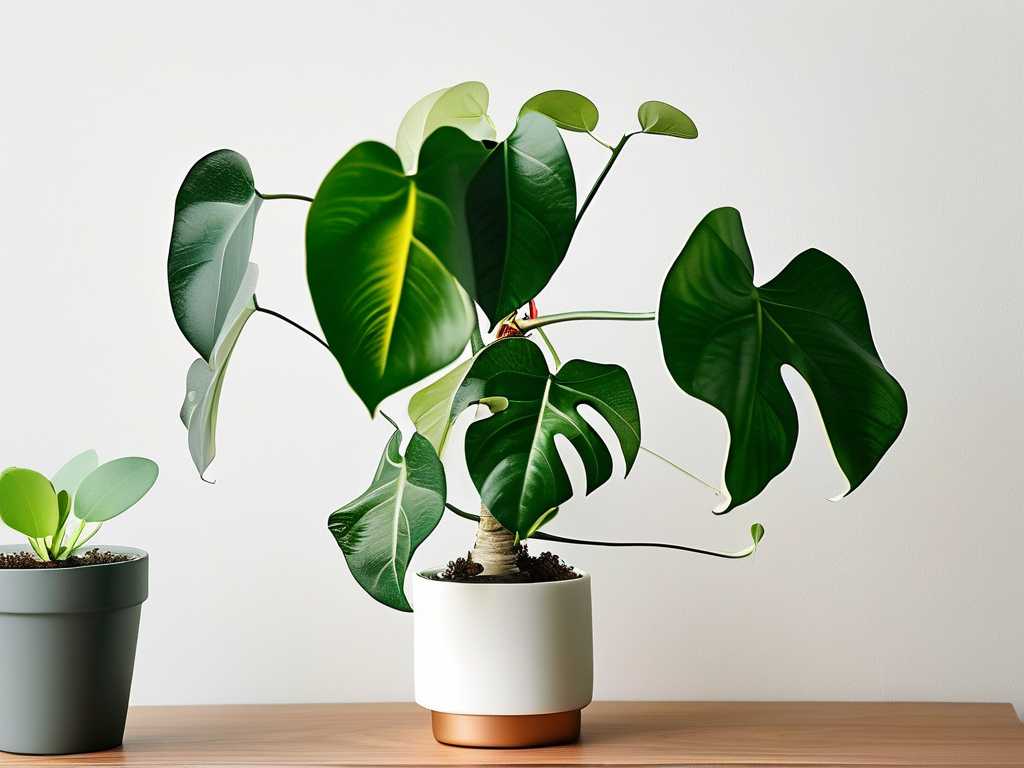
Hack 1: The Strategic Rotation Protocol
The simplest and most immediate fix is a consistent rotation schedule. This isn’t just a casual turn now and then; it’s a disciplined protocol.
My Step-by-Step Process: I placed my jade plant in its primary south-facing window. Using a small, non-toxic marker, I made a tiny dot on the pot’s rim facing the room’s interior. This was my reference point. Every time I watered (which was approximately every 2-3 weeks), I rotated the pot a precise quarter-turn (90 degrees) clockwise. This ensured every side received equal time facing the strongest light over a monthly cycle.
The 2-Week Observation & Pitfall: Within the first week, I noticed no dramatic change—and that’s normal. The goal is to guide new growth. The pitfall I encountered was forgetting which way I’d turned it last. My marker system solved this. By the end of the second week, I observed that the tiny new leaf buds on the shaded side were beginning to orient themselves slightly toward the window, a sign they were getting their fair share of light. This method prevents future lopsidedness but requires patience to correct an existing lean.
Hack 2: Pruning for Balance and Bushiness
When rotation alone isn’t enough for a severely leaning plant, strategic pruning is your most powerful tool. It redirects the plant’s energy to encourage balanced, dense growth.
My Step-by-Step Process: I examined my plant and identified the longest, most unbalanced branches causing the lean. Using sharp, sterilized pruning shears (rubbed with isopropyl alcohol), I made cuts just above a set of leaves, or a "leaf node," on the sparse side of the plant. I didn’t go overboard; I removed about 20% of the longest growth, focusing on areas that would even out the silhouette. According to the American Horticultural Society (AHS), pruning just above a node stimulates branching from that point, creating a fuller plant.
The 2-Week Observation & Pitfall: The immediate result looked stark—my plant had a few noticeable gaps. The pitfall here is the temptation to over-prune in panic. I resisted. I placed the pruned plant back in its bright spot. Within 10 days, I saw small, pinkish nubs emerging from the nodes just below my cuts. These were new growth points! By day 14, they had developed into tiny new branches, already helping to fill out the previously bare area. This confirmed the plant’s energy was being redirected effectively.
Hack 3: Mastering the Art of Staking and Training
For a heavy, mature trunk that’s leaning dangerously, physical support is necessary to prevent breakage while corrective measures work.
My Step-by-Step Process: I chose a sturdy, green bamboo stake slightly taller than the plant. I inserted it into the soil on the side opposite the lean, being careful to avoid major roots. Using soft, flexible plant ties (old nylon stockings work perfectly), I loosely secured the main trunk to the stake. The key word is loosely—you want to guide, not strangle. I created a figure-eight pattern with the tie, cushioning the plant.
The 2-Week Observation & Pitfall: After staking, the plant was upright but looked forced. The major pitfall is tying too tightly, which can girdle and damage the trunk as it grows. I checked my ties weekly. Over two weeks, I observed that the plant maintained its new, straighter position. I gently tightened the ties just a fraction to encourage the trunk to acclimate. This hack doesn’t fix growth direction but provides crucial mechanical support, buying time for light rotation and new growth to establish balance.
Hack 4: Optimizing Light with Reflective Surfaces
If your only light source is one-directional (like a single window), you can manipulate light to reach the plant’s darker side using reflection.
My Step-by-Step Process: I purchased a small, inexpensive foam board covered in a matte white surface. I placed this board on the room-side of my jade plant, opposite the window. The white surface acts as a gentle light reflector, bouncing window light back onto the shaded stems and leaves. It’s a low-tech but highly effective solution for correcting uneven jade plant growth.
The 2-Week Observation & Pitfall: The difference was subtle but measurable. I used a light meter app on my phone (not perfectly accurate but good for comparison). The shaded side showed a 15-20% increase in light intensity. The pitfall? Using a glossy or mirror-like surface, which can create hot spots and potentially scorch leaves. The matte white diffused the light perfectly. After 14 days, the leaves on the shaded side appeared slightly plumper and greener, indicating improved photosynthesis.
Hack 5: The Gradual Reorientation Method
Sometimes, the lean is so severe that suddenly placing the plant in perfect light exposes the shaded side to sunburn. This method requires a gentle, gradual approach.
My Step-by-Step Process: I moved my severely leaning plant away from its window to a spot with bright, indirect light for one week. This allowed all sides to "reset." Then, I began moving it closer to the ideal light source by just a few inches every 3-4 days, ensuring the previously shaded side was now facing the light. This slow acclimation is crucial to prevent shock and scorching.
The 2-Week Observation & Pitfall: The first week in indirect light saw no new growth but no damage either—a good sign. The pitfall is impatience. Rushing this process will shock the plant. During the second week, as I inched it toward the light, I monitored for any leaf discoloration. None appeared. The stem began to very subtly straighten as new cellular growth on the shaded side responded to the improved, gradual light exposure. This is the slowest but safest method for a delicate, lopsided jade plant repair.
Will pruning my jade plant harm it? Not if done correctly. Jade plants are remarkably resilient and respond well to pruning. Always use clean, sharp tools and prune just above a leaf node. The plant will redirect energy to create new, bushier growth from the cut point, ultimately making it healthier and more symmetrical.
How often should I rotate my jade plant for even growth? A consistent schedule is best. I recommend rotating it a quarter-turn every time you water. For most jade plants, this translates to a rotation every 2-4 weeks. This ensures all sides receive equal light over time, promoting perfectly balanced growth.
My jade plant stem is bent. Can it straighten on its own? A young, green, flexible stem may straighten as it grows toward light. However, a mature, woody, bent stem will not fully straighten on its own. Your strategy should involve staking it upright for support and encouraging new, straight growth through proper lighting and pruning. The new growth will eventually overshadow the old bend, creating the illusion of a straighter plant.
Restoring symmetry to a lopsided jade plant is a rewarding journey that deepens your connection with your plant. It requires observation, patience, and a willingness to intervene with gentle, informed actions. By combining strategic rotation, thoughtful pruning, and intelligent light management, you’re not just fixing a lean—you’re guiding your jade plant toward its full, robust, and beautifully balanced potential. Start with one hack, observe closely, and remember that in plant care, consistency always trumps haste. Your sculptural, symmetrical jade plant is waiting to emerge.





