 bluename
 How to Eliminate jade plant Thrips: 3 Natural Pest-Removal Remedies
I remember the sinking feeling when I first noticed my prized jade plant looking off. Its normally plump, glossy leaves were speckled with silvery scars, and tiny, dark specks were moving about. My heart sank—it was a thrips infestation. If you're here, you likely know that panic. These tiny insects suck the life from your jade, leaving it disfigured and weak. The good news? You don't need harsh chemicals. After battling these pests myself, I perfected three natural remedies that saved my plant. I’ll guide you through exactly what worked, what didn’t, and what you must watch for over a critical two-week period.
Understanding Your Enemy: Jade Plant Thrips
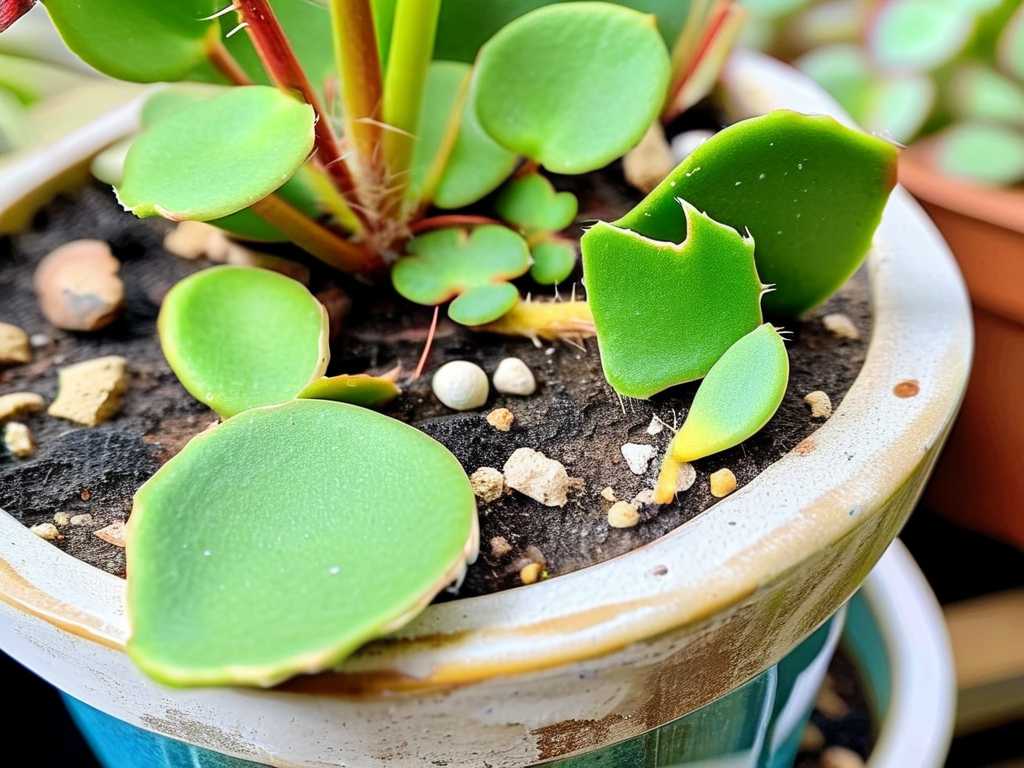
Before you fight, you need to know what you're dealing with. Thrips are minuscule, slender insects, often no larger than a sewing needle's tip. They feed by puncturing plant cells and sucking out the contents, which creates those characteristic silvery-white streaks and spots. The damage isn't just cosmetic; it stunts growth and can introduce viruses.
I learned to confirm their presence by tapping a leaf over a white piece of paper. The tiny, fast-moving specks that fall are your culprits. Catching them early is half the battle. According to the Royal Horticultural Society (RHS), thrips thrive in warm, dry conditions—exactly the environment many of our indoor jade plants enjoy. This makes vigilance key.
My Core Strategy: Persistence and Isolation
My first action was immediate isolation. Thrips spread easily. I moved my affected jade away from all other houseplants. This quarantine is non-negotiable. The entire treatment plan below spans at least two weeks because thrips have a life cycle that includes eggs hidden in plant tissue, which most sprays can't touch. You must break the cycle. I treated my plant every 3-4 days for two full weeks, and here’s how.
Remedy 1: The Soap Spray Wash (My First Line of Defense)
This is the simplest place to start. Insecticidal soap works by breaking down the pests' outer layer, causing them to dehydrate.
My mixture was straightforward: I used 1.5 teaspoons of a pure, liquid castile soap (like Dr. Bronner's) per liter of lukewarm water. Avoid dish soaps with degreasers or fragrances, as they can damage the plant's delicate farina (its natural powdery coating). I mixed it in a clean spray bottle.
The Application Process: I took the plant to my sink. First, I gently sprayed the soil surface to prevent any thrips from dropping and hiding. Then, I meticulously sprayed every part of the plant—the tops and bottoms of leaves, stems, and every nook and cranny. I ensured the soapy solution made contact with the pests. I left the soap on for about 20 minutes, then thoroughly rinsed the plant with a gentle stream of lukewarm water to remove any soap residue that could clog the plant's pores.
The Two-Week Observation & Pitfall: After the first treatment, I saw a significant reduction in adult thrips activity. However, within 5 days, I noticed a few new ones. This was the cycle breaking. I repeated the process on days 1, 4, 8, and 12. The pitfall here is rinsing inadequately. After my first attempt, a few leaf tips showed minor burn where soap pooled. My solution was to tilt the plant while rinsing and gently pat the base of leaves dry with a soft paper towel.
Remedy 2: Neem Oil Solution (The Long-Term Disruptor)
Neem oil is a powerhouse. It acts as a repellent, an insect growth regulator, and a feeding disruptor. It's especially good for tackling pests like thrips that have multiple life stages.
My recipe followed the American Horticultural Society's (AHS) general guidance for safe use: 1 teaspoon of cold-pressed neem oil, 1/2 teaspoon of castile soap (as an emulsifier), and 1 liter of warm water. The soap helps the oil mix with water. I shook the bottle vigorously before and during application.
The Application Process: I applied this in the evening, away from direct sunlight, to prevent leaf burn. I used a fine mist sprayer for full coverage, again targeting every surface until dripping wet. Neem oil has a strong, garlicky odor, so I treated the plant in a well-ventilated area. Unlike the soap spray, I did not rinse it off. The thin coating continues to work.
The Two-Week Observation & Pitfall: Neem oil works slowly but profoundly. After the first week, the population was clearly hampered. The major pitfall is consistency and coverage. Missing a single leaf cluster provides a refuge. I used a small, soft paintbrush to gently apply the solution to the tight junctions where leaves meet the stem—a favorite thrips hiding spot. I applied neem every 5-7 days (on days 1, 7, and 14). Patience is crucial here; you won't see instant knockdown, but you will see a steady decline.
Remedy 3: Sticky Trap Monitoring and Physical Removal
While sprays handle the mobile stages, sticky traps are essential for monitoring and catching flying adult thrips. They give you a clear visual of your problem's scale and success.
I bought bright blue sticky traps, as research indicates thrips are more attracted to blue than yellow. I cut them into small strips and placed them horizontally on the soil surface and vertically among the stems.
The Process and Integration: This wasn't a standalone cure but a critical support tool. As I continued my spray regimen, the number of thrips caught on the traps decreased weekly. This visual proof kept me motivated. It also alerted me to a second, minor flare-up from a neighboring plant I had missed, allowing me to quarantine it immediately.
Essential Care During Recovery
A stressed plant is a target. While fighting thrips, I held back on fertilizing but was meticulous about care. I ensured my jade received bright, indirect light and only watered when the soil was completely dry. Overwatering stresses the roots, compounding the plant's problems. I also gently wiped uninfected leaves with a clean, damp cloth to remove dust and improve photosynthesis, helping the plant rebuild strength.
What Didn't Work and Why
In my desperation, I tried a few things I regret. A homemade spray with excessive rubbing alcohol burned several leaves, setting my plant back. Diatomaceous earth, while great for crawling insects, was ineffective for thrips that spend much of their time on the leaf itself and made a mess indoors. I learned that sticking to proven, gentle formulas applied consistently is far better than aggressive, one-off treatments.
Frequently Asked Questions
Can a jade plant recover from severe thrips damage? Absolutely. Jade plants are remarkably resilient. Mine lost several heavily scarred leaves, which I pruned off with sterile snips. Within a few months of eradicating the pests, it pushed out fresh, healthy new growth. Focus on pest elimination first; the plant will focus on healing after.
How can I prevent thrips from coming back? Regular inspection is your best defense. Check new plants in isolation for two weeks before introducing them to your collection. During warm, dry periods, occasionally misting your jade (though not overdoing it) can create a less favorable environment for thrips. Maintaining overall plant health is the ultimate deterrent.
Are these natural remedies safe for all my houseplants? The soap and neem oil recipes described are generally safe for most sturdy houseplants, including succulents, when used as directed—properly diluted and rinsed (for soap). However, always test any spray on a small, inconspicuous leaf first and wait 48 hours to check for damage. Some plants with very delicate or fuzzy leaves may be more sensitive.
Seeing your jade plant return to its lush, vibrant self is incredibly rewarding. It requires patience and a diligent eye, but breaking the thrips cycle naturally is entirely possible. The combination of soap sprays for immediate action, neem oil for long-term disruption, and sticky traps for monitoring forms a complete defense system. Start at the first sign of trouble, commit to the two-week protocol, and your jade will thank you with years of healthy growth.





