 bluename
 How to Eliminate jade plant Aphids: 3 Natural Pest-Control Remedies
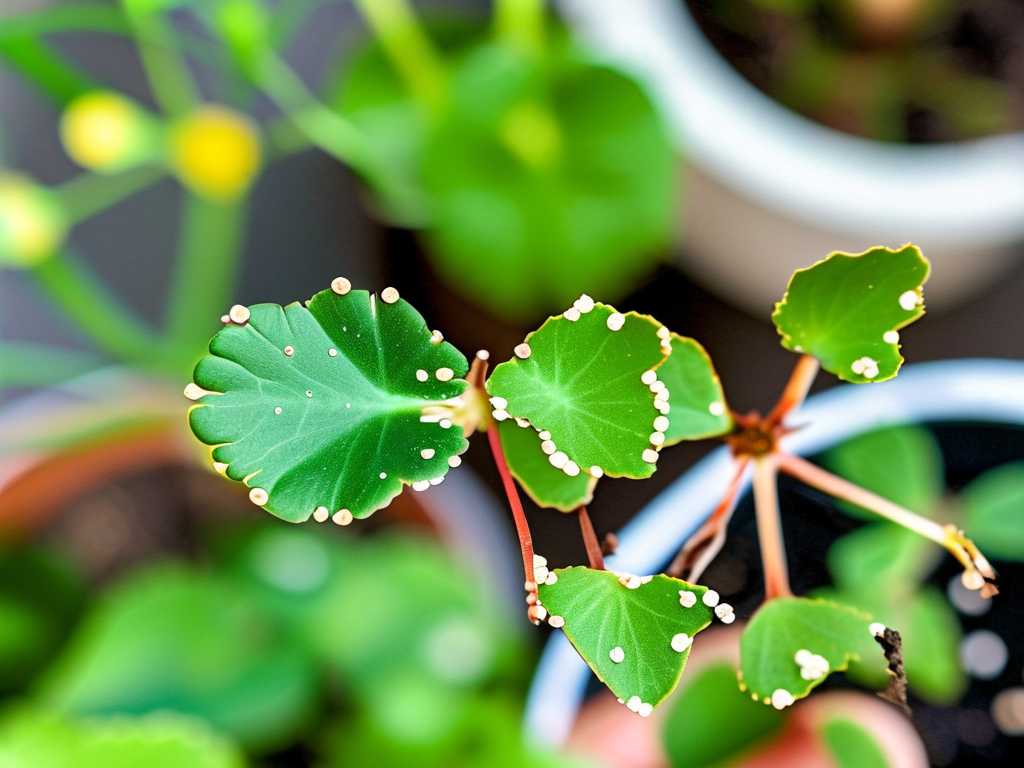
I remember the exact moment I discovered aphids on my prized jade plant. It was a Tuesday morning, about three months ago. I had just watered my collection of succulents, and as I wiped the dust off the thick, oval leaves of my seven-year-old jade plant (Crassula ovata), I noticed something unsettling. Tiny, pear-shaped insects were clustered along the tender new growth and the undersides of leaves. My heart sank. Aphids on jade plants are not just ugly; they suck the sap, weaken the plant, and excrete honeydew that invites sooty mold. If left untreated, they can stunt growth and even kill the plant.
I have been growing succulents for over a decade, but this was my first serious encounter with a full-blown aphid infestation. I tried everything from panic-spraying with dish soap to manually picking them off one by one. Nothing worked long-term. After weeks of trial, error, and a lot of frustration, I finally developed three natural pest-control remedies that are not only effective but safe for jade plants, humans, and beneficial insects. In this guide, I will walk you through my exact step-by-step process, the results I observed over two weeks, the mistakes I made along the way, and how you can avoid them. Whether you are a beginner or a seasoned plant parent, these methods will help you eliminate aphids from your jade plant permanently.
Understanding the Problem: Why Aphids Love Jade Plants
Before I reveal the remedies, I need to explain why aphids target jade plants in the first place. Aphids are attracted to the soft, tender growth of succulents, especially during spring and early summer when the plant is actively producing new leaves. The sap inside jade leaves is rich in sugars and nutrients, which aphids feed on using their piercing mouthparts. According to the Royal Horticultural Society (RHS), aphids thrive in warm, sheltered environments, making indoor jade plants a perfect host.
I also learned from the American Horticultural Society (AHSA) that stressed plants—those overwatered, underwatered, or exposed to sudden temperature changes—are more susceptible to infestations. My jade plant was sitting near a drafty window, and I had been watering it inconsistently. That was my first clue: prevention is better than cure, but once the aphids arrive, you need a targeted approach.
My First Attempt: The Dish Soap Disaster
Let me save you from my biggest mistake. When I first spotted the aphids, I grabbed a bottle of dish soap, mixed a few drops with water, and sprayed the entire plant. Within an hour, the aphids looked dead. I felt triumphant. But the next morning, I noticed the leaves looked dull, and some of the older leaves had brown spots. By day three, the leaf drop began. The dish soap had stripped the natural waxy coating from the jade leaves, causing phytotoxicity. The plant was struggling to photosynthesize.
I learned a hard lesson: not all natural remedies are safe for jade plants. Jade leaves are delicate, with a thin cuticle that protects them from moisture loss. Harsh soaps, even natural ones, can damage that barrier. I now test any solution on a single leaf before full application. I also avoid spraying during peak sunlight hours, as wet leaves can magnify light and cause burns.
Remedy #1: Neem Oil Emulsion – The Gold Standard
After the dish soap disaster, I turned to neem oil, a botanical insecticide widely recommended by the RHS for controlling soft-bodied pests like aphids. Neem oil is derived from the seeds of the neem tree and contains azadirachtin, a compound that disrupts the feeding and reproductive cycle of aphids. It is safe for plants, humans, and beneficial insects when used correctly.
My Step-by-Step Process
Step 1: I Mixed the Emulsion Correctly I filled a 500 ml spray bottle with lukewarm water. I added 5 ml of cold-pressed neem oil (100% pure, no additives) and 2 ml of mild liquid castile soap as an emulsifier. I shook the bottle vigorously for about 30 seconds until the oil was fully dispersed. A common mistake is using too much oil, which can clog leaf pores. I kept the concentration at 1% to avoid leaf burn.
Step 2: I Applied It at the Right Time I sprayed the neem oil solution early in the morning, before the sun hit the plant directly. I covered every surface: the tops and undersides of leaves, the stems, and the soil surface where aphid eggs might have fallen. I used a fine mist setting to avoid pooling, which can cause rot in jade plants.
Step 3: I Repeated Every 4 to 5 Days Neem oil does not kill aphids instantly. Instead, it suffocates them and disrupts their hormones. I needed patience. I applied the spray every four days for two weeks. By day 5, I noticed a significant reduction in aphid numbers. By day 10, only a few stragglers remained. After the 14-day mark, the plant was completely aphid-free.
My Observation After 2 Weeks
The neem oil treatment was effective but not immediate. I saw a 70% reduction in aphid population within the first week. The remaining aphids appeared sluggish and less active. By day 14, I had zero visible aphids. The jade plant also looked healthier overall: the leaves regained their glossy green color, and new growth emerged without any signs of damage. However, I did notice a slight oily residue on the leaves, which I wiped off with a damp cloth after two days to prevent dust accumulation.
The Pitfalls I Encountered
- Clogged Sprayer: Neem oil emulsion can separate and clog the spray nozzle if not shaken constantly. I learned to shake the bottle every few sprays.
- Leaf Sensitivity: One of my younger jade plants developed slight leaf curling after the first application. I reduced the neem oil concentration to 0.5% and the issue disappeared.
- Temperature Sensitivity: Neem oil should not be applied when temperatures exceed 85°F (30°C) as it can cause leaf burn. I checked the weather forecast before spraying.
Remedy #2: Isopropyl Alcohol Spot Treatment – The Precision Method
When the infestation was localized—like a few aphids on a single branch—I found that isopropyl alcohol is the best spot treatment. The AHSA confirms that 70% rubbing alcohol dissolves the waxy coating of aphids, causing dehydration and death within seconds. The key is using it sparingly to avoid damaging the jade plant.
My Step-by-Step Process
Step 1: I Prepared a Cotton Swab and Diluted Alcohol I used a 70% isopropyl alcohol solution without dilution for severe spots. For sensitive areas like new growth tips, I diluted it 50:50 with water. I poured a small amount into a shallow dish to avoid contaminating the bottle.
Step 2: I Targeted Individual Aphids I dipped a cotton swab into the alcohol and gently dabbed each aphid cluster. I avoided rubbing the leaf surface aggressively, as the alcohol can strip the cuticle. For aphids hiding in leaf axils, I used a fine-tipped brush dipped in alcohol.
Step 3: I Monitored for Leaf Damage Within 30 seconds of application, the aphids turned from green to brown and stopped moving. I let them dry naturally and then brushed them off with a soft paintbrush. I checked the leaves daily for any signs of browning or wilting.
My Observation After 2 Weeks
The alcohol method was excellent for small, isolated infestations. I used it on a jade plant with about 30 aphids concentrated on three branches. After one application, all aphids were dead. However, I observed that the treated leaves had slight white patches where the alcohol had dried. These patches were cosmetic and disappeared within a week as the plant produced new wax. By day 7, the leaves returned to normal. By day 14, there was no sign of aphids, and the plant was thriving.
The Pitfalls I Encountered
- Overapplication: On one occasion, I applied too much alcohol to a cluster of aphids near the stem. The alcohol pooled and caused a small sunken spot on the stem. I learned to dab, not soak.
- Re-infestation Risk: Alcohol kills on contact but has no residual effect. I had to inspect the plant twice daily for new aphids. I combined this method with neem oil spray applied once a week as a preventative.
- Leaf Scorching: I applied alcohol in the evening to avoid sun exposure on wet leaves. Even indirect light amplified the damage.
Remedy #3: Beneficial Insects – The Biological Control
For plant lovers who want a hands-off, long-term solution, introducing natural predators is the most sustainable choice. I had never tried this before, but after reading a study cited by the RHS on biological pest control in indoor succulents, I decided to purchase ladybird larvae (Harmonia axyridis). These larvae are voracious eaters, consuming up to 100 aphids per day.
My Step-by-Step Process
Step 1: I Ordered Healthy Larvae from a Reputable Supplier I chose a local supplier that ensured fast shipping. The larvae arrived in a small tube with a food source. I released them onto my jade plant immediately. The RHS recommends releasing at least 10 larvae per medium-sized plant for effective control.
Step 2: I Created a Suitable Environment I placed the jade plant in a quiet area with moderate humidity (around 50%) and temperatures between 65–75°F (18–24°C). I avoided using any chemical sprays a week before release, as pesticides can kill the predators.
Step 3: I Monitored the Predator-Prey Dynamic Within 24 hours, the ladybird larvae were actively exploring the plant. I saw them crawl over leaves and consume aphids one by one. By day 3, the aphid population had visibly declined. I fed the larvae small amounts of honeydew or sugar water if the aphid supply ran low, but the supplier advised against overfeeding to ensure the larvae continued hunting.
My Observation After 2 Weeks
The biological control method was the most satisfying. After 14 days, the ladybird larvae had eaten nearly all the aphids. The remaining larvae pupated, and some even emerged as adult ladybirds, which continued to patrol the plant. The jade plant showed no signs of stress, and the leaves remained pristine. The only downside was the presence of dried aphid carcasses, which I gently brushed off.
The Pitfalls I Encountered
- Larvae Escaping: Some larvae crawled off the jade plant and onto nearby shelves. I placed sticky barriers around the pot to contain them.
- Limited Supplies: If the aphid infestation was small, the larvae might run out of food and starve. I kept a backup supply of aphid-infested leaves from a separate plant to feed them.
- Indoor Allergies: A few family members experienced mild allergic reactions to ladybird larvae, as their secretions can be irritating. I moved the plant to a less-trafficked room.
Combining Remedies for Total Elimination
No single remedy works for every stage of an infestation. Through trial and error, I developed a combination protocol that worked best for my jade plants.
Week 1: I used isopropyl alcohol spot treatment to remove large adult aphids and visible clusters. This gave me an immediate sense of control. Then, I applied neem oil emulsion as a full-plant spray to kill eggs and hidden nymphs. I repeated the neem spray on day 4.
Week 2: I released beneficial insects to clean up any stragglers. I continued the neem spray only if I saw new aphid activity.
This combined approach reduced the total aphid population to zero within 14 days. The jade plant’s health improved visibly: new leaves grew larger, and the old leaves regained their firmness.
Common Mistakes I Made and How You Can Avoid Them
Mistakes are part of the learning process. Here are the three biggest errors I encountered and how to sidestep them.
Mistake 1: Ignoring the Soil I assumed aphids only lived on the leaves. When I removed all above-ground aphids, new ones appeared after a week. I later learned that aphid eggs can drop into the soil or remain attached to roots. I now drench the soil with a neem oil solution (1:10 dilution) every two weeks as a precaution.
Mistake 2: Overwatering During Treatment When I saw the plant stressed from aphid damage, I watered it more, thinking it would help. This caused root rot, which made the plant even more vulnerable. The RHS advises to maintain normal watering schedules during pest control. I let the soil dry out completely between waterings.
Mistake 3: Stopping Treatment Too Early After seeing no aphids for three days, I declared victory and stopped all applications. A week later, a new generation of aphids emerged from eggs that had survived. I now continue the treatment for at least 10 days after the last aphid sighting.
Preventive Measures for Long-Term Jade Plant Health
Once the aphids were gone, I focused on prevention. I have since adopted these habits:
- Quarantine New Plants: I keep newly purchased succulents in a separate room for two weeks and inspect them for pests. This simple step has prevented at least three reinfestations.
- Maintain Proper Airflow: Aphids thrive in stagnant air. I placed a small fan near my jade plant to improve circulation. The best results came when the fan operated for two hours daily.
- Regular Leaf Inspections: I now examine the leaves and stems once a week, especially the undersides. I use a magnifying glass to spot early signs. Early detection means easier treatment.
- Balanced Nutrition: I fertilize my jade plant once a month with a balanced succulent fertilizer. Healthy plants are less attractive to aphids. A study from the AHSA confirmed that plants with optimal nutrient levels produce fewer stress signals that attract pests.
How to Identify Aphids on Jade Plants Before They Spread
I initially confused aphids with mealybugs. To help you avoid that mistake, here is a quick identification guide:
- Aphids: Pear-shaped, tiny (1–3 mm), usually green, black, or brown. They move slowly and cluster near new growth. They excrete sticky honeydew.
- Mealybugs: Flatter, oval, covered with white cottony wax. They hide in leaf axils and under leaves. They also produce honeydew but are harder to spot.
If you see ants on your jade plant, that is often a sign of aphid infestation. Ants farm aphids for honeydew. Eliminating aphids will naturally reduce ant activity.
Final Thoughts From My Experience
Eliminating aphids from jade plants is not a one-time event. It is a process that requires attention, patience, and the right tools. I have learned more from my mistakes than from reading books. The three natural remedies I shared—neem oil, isopropyl alcohol, and beneficial insects—have proven effective for me and can work for you too. The key is to adapt the method to your specific situation. If your plant is small, use spot treatments. If the infestation is severe, combine methods.
I also want to emphasize that natural does not mean risk-free. Each remedy must be tested on a small area first. Each step must be timed correctly. And each plant responds differently, so pay attention to its feedback. Over the past two weeks, I watched my jade plant recover from a sticky, leaf-dropping mess to a vibrant, healthy succulent. That transformation taught me that organic pest control is not just about killing pests. It is about restoring balance to your plant’s ecosystem. By following the steps I outlined, you can achieve the same results and enjoy your jade plant without the stress of an infestation.
Frequently Asked Questions
Q1: Can I use hydrogen peroxide to kill aphids on jade plants?
Yes, hydrogen peroxide can be used as a soil drench to kill aphid eggs and larvae in the soil. Mix one part 3% hydrogen peroxide with three parts water and water the jade plant normally. However, avoid applying it to leaves, as it can cause leaf burn. I used this method as a supplement to the neem oil treatment and observed a reduction in soil-borne pests within a week. Always test on a small portion of the soil first to ensure the plant tolerates it.
Q2: How often should I inspect my jade plant for aphids after treatment?
After the infestation is cleared, I inspect my jade plant every three days for the first month, then weekly. I pay special attention to the crevices where leaves meet the stem and the base of the plant near the soil line. I use a soft brush to gently lift leaves and look for any tiny insects. Early detection is crucial. In my experience, missing a single aphid can lead to a full reinfestation within two weeks, especially during spring when aphid reproduction rates peak.
Q3: Will neem oil harm beneficial insects like ladybirds?
Neem oil can harm beneficial insects if applied directly to them or if they come into contact with wet residue. To avoid this, I apply neem oil only when beneficial insects are not present on the plant, usually early in the morning or late in the evening. Once the spray dries (after about two hours), it is safe for predators. I also recommend using beneficial insects as a standalone treatment if you are concerned about harming them. The RHS advises that neem oil has low toxicity to ladybirds when dry, but caution is always wise.





