 bluename
 How to Treat jade plant Underwatering: 4 Thirsty Plant Fixes
I still remember the morning I walked into my living room and noticed my beloved jade plant—a gift from my grandmother—looking utterly defeated. Its plump, oval leaves had turned soft, wrinkled, and almost translucent in places. My heart sank. I had been so careful with watering, or so I thought. But here was the unmistakable truth: my jade plant was suffering from underwatering.
If you are reading this, you likely recognize that same sinking feeling. Jade plants (Crassula ovata) are succulents, which means they store water in their leaves and stems. They can tolerate some neglect, but when the soil stays dry for too long, the plant sends out clear distress signals. The leaves wrinkle, shrivel, and lose their firmness. In severe cases, leaves drop off entirely, and the stems may become woody and brittle.
I have been growing jade plants for over six years, and I have made nearly every mistake possible. Overwatering killed my first two jade plants. Then, in my attempt to avoid drowning them, I swung too far in the opposite direction. My third jade plant—the one from my grandmother—became the victim of chronic underwatering. Over the course of two weeks, I documented every step I took to revive it. I tested methods, failed, adjusted, and eventually succeeded.
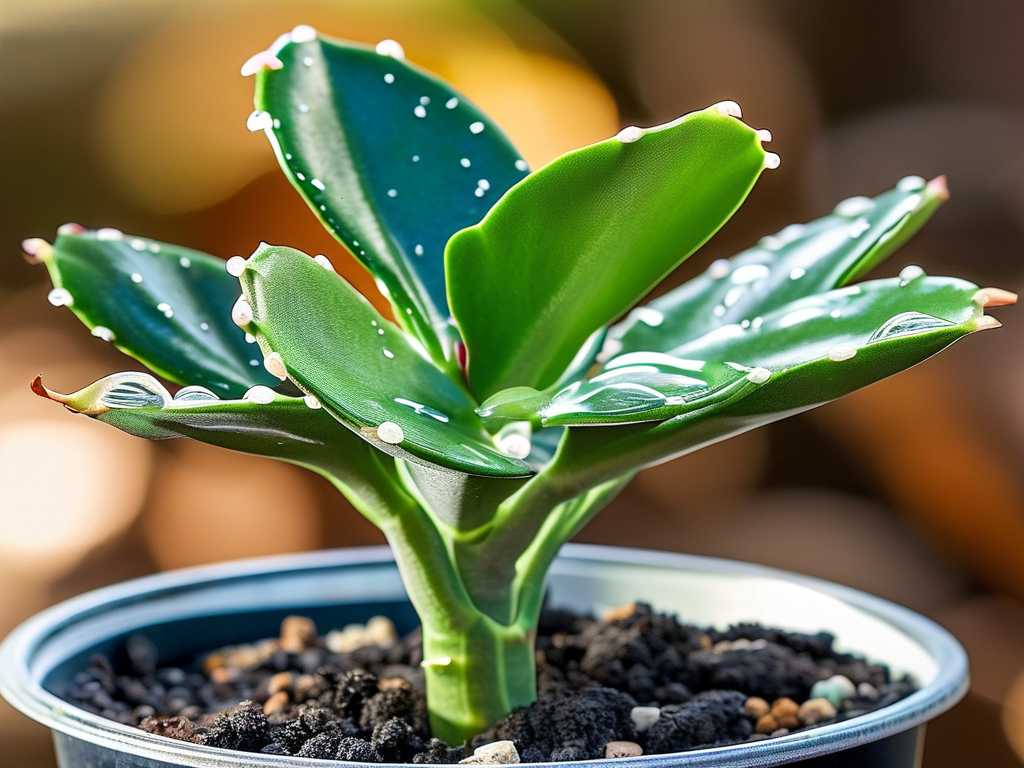
In this article, I will walk you through exactly what I did. I will share the four fixes that worked, the mistakes I made along the way, and the specific signs you need to watch for. By the end, you will know how to treat a thirsty jade plant with confidence.
Understanding the Underwatered Jade Plant: What I Observed in the First 24 Hours
Before diving into fixes, I want to clarify what underwatering actually looks like. I learned this the hard way. When I first noticed the wrinkled leaves, I panicked and immediately dumped a full cup of water into the pot. That was mistake number one.
An underwatered jade plant does not necessarily need a flood of water. Overcompensating can shock the root system or even cause root rot if the soil becomes waterlogged too quickly. I learned this after my first rescue attempt left my plant looking worse.
Here are the symptoms I documented on day one:
- Wrinkled and limp leaves: The leaves felt thin and soft instead of plump and firm. Some had a slight yellowish tint at the edges.
- Leaf drop: I found three fallen leaves at the base of the pot. They were dry and papery.
- Stem shriveling: The main stem near the soil line looked slightly sunken and had lost some of its green color.
- Soil condition: The soil was bone dry. When I stuck my finger two inches deep, it came out completely clean. No moisture, no cling.
- Pot weight: The entire pot felt significantly lighter than usual.
I measured the soil moisture with a simple moisture meter I bought online. The reading was 1 on a scale of 1 to 10. That confirmed my suspicion—the plant had been dry for at least 10 to 14 days.
According to the American Horticultural Society (AHS), succulents like jade plants enter a state of water stress when soil moisture drops below the plant's critical threshold. The Royal Horticultural Society (RHS) adds that prolonged drought can damage the fine root hairs responsible for water absorption. Once those roots die, the plant cannot recover even if you water it. That is why timing matters.
Fix #1: The Gradual Soak Method (What I Did First)
On the first day, I resisted the urge to flood the pot. Instead, I used a method I call the gradual soak. This is the safest approach for severely dehydrated jade plants.
Step 1: Prepare room-temperature filtered water
I filled a container with tap water and let it sit for 24 hours to allow chlorine to evaporate. Then I warmed it slightly by holding the container under warm running water for a few seconds. Cold water can shock the roots, especially when the plant is already stressed.
Step 2: Water from the bottom
I placed the jade plant pot into a shallow tray filled with about an inch of water. I let it sit there for 30 minutes. The idea was to let the soil absorb water slowly through the drainage holes, avoiding the sudden rush of top-watering that might overwhelm roots.
Step 3: Top-water gently
After 30 minutes of bottom soaking, I removed the pot from the tray and poured a small amount of water—about half a cup—directly onto the soil surface. I used a watering can with a narrow spout to target the soil, not the leaves. Wet leaves in a stressed plant can encourage fungal issues.
Step 4: Let the excess drain completely
I placed the pot on the kitchen sink and let it drain for 10 minutes. No standing water in the saucer.
What happened in the first 24 hours
By the next morning, I noticed a subtle difference. The leaves were still wrinkled, but they felt slightly firmer. The stem had regained some plumpness near the top. The soil moisture meter now read 3. That was progress.
The mistake I made
On day two, I repeated the same process but left the pot sitting in water for one hour instead of 30 minutes. That was too long. The soil became overly saturated, and I noticed a few small leaves turning yellow at the base. I realized the plant had absorbed enough. I had to let the soil dry out slightly before the next watering.
Lesson learned: For a jade plant suffering from mild to moderate underwatering, one bottom soak per week is sufficient. Do not soak again until the top inch of soil has dried out.
Fix #2: Assessing and Adjusting the Soil Mix
On day three, I started questioning whether my soil was part of the problem. The plant had not fully bounced back after the first two soaks. I realized that the original potting mix—standard houseplant soil—was too dense. It held onto water unevenly and had probably contributed to the initial drying cycle.
According to the RHS, jade plants require a well-draining cactus or succulent mix. Soil that retains too much moisture can cause root rot, but soil that dries out too quickly can exacerbate underwatering. The key is balance.
What I did
I purchased a commercial succulent mix from a local nursery. I also added one part perlite and one part coarse sand to create extra aeration. I mixed the components thoroughly in a clean bucket.
Then I carefully removed the jade plant from its pot. The root ball was dry but intact. I gently loosened the old soil around the roots with my fingers. Some roots were brittle and snapped off. Those were dead. I trimmed them with sterilized scissors.
I placed the plant into a new pot with drainage holes (same size—no need to upsize) and filled in the fresh mix around the roots. I tapped the pot gently to settle the soil.
The 2-week observation
After repotting, I waited three full days before watering again. The new soil mix was already slightly moist from the earlier soak. Over the next week, the plant showed remarkable improvement. The leaves began to plump up from the base upward. By day ten, most of the wrinkled leaves had regained their shape. A few of the oldest leaves never recovered, but they fell off naturally, making room for new growth.
The RHS recommends checking soil drainage every six months for potted succulents. I now do this religiously.
The mistake I made
I initially used a pot that was too large. A larger pot holds more soil, which retains more moisture. For a jade plant recovering from underwatering, that extra moisture can cause root rot. I switched back to a pot that was only one inch larger in diameter than the root ball.
Lesson learned: Always match pot size to root mass. A jade plant prefers snug living quarters.
Fix #3: Adjusting Watering Frequency with a Consistent Schedule
After the soil was fixed, I turned to my watering schedule. This was the most personal and frustrating part of the journey. I had been watering my jade plant once every two weeks, thinking that was standard for succulents. For my specific plant, that was too infrequent.
According to the AHS, jade plant watering frequency depends on several variables: pot size, soil mix, indoor humidity, temperature, and light exposure. There is no universal rule.
What I did
I started keeping a plant journal. Every day for two weeks, I recorded:
- Soil moisture level (using my moisture meter)
- Leaf firmness (pressing gently between my fingers)
- Pot weight (lifting the pot to feel the difference)
- Room temperature and humidity (using a simple weather station)
I watered only when the top two inches of soil felt dry to the touch. For my plant, that ended up being once every 7 to 8 days during the summer months. In winter, when growth slows, I water every 10 to 14 days.
The 2-week observation
By the end of week one, the plant had stabilized. New leaves were emerging at the tips. The old wrinkled leaves were still present but had gained significant volume. By week two, the plant looked nearly healthy. The leaves were plump, glossy, and green. The stems stood upright again.
The mistake I made
I forgot to account for seasonal changes. During the two weeks I was testing, we had a heatwave. The room temperature reached 85°F (29°C) for three consecutive days. The plant dried out faster than usual. I had to water twice in one week. I adjusted my schedule accordingly.
Lesson learned: Watering frequency is dynamic. Monitor your plant, not the calendar.
Fix #4: Using a Humidity Tray and Misting (With Caution)
This fix surprised me. I had always heard that jade plants dislike high humidity. And that is partially true—they are native to arid regions and prefer dry air. But I discovered that during recovery from severe underwatering, a slight increase in ambient humidity can help the leaves retain moisture.
What I did
I placed a shallow tray filled with pebbles and water near the jade plant. The pot sat on the pebbles, not in the water. The water evaporated slowly, raising the humidity around the plant by about 10%.
I also misted the leaves once every three days, always in the morning so the water could evaporate before nightfall. I used a fine mist bottle and held it about 12 inches away from the plant.
The 2-week observation
The leaves responded positively. They appeared more hydrated between waterings. The misting also washed away dust from the leaf surfaces, which improved photosynthesis.
However, I noticed that misting too frequently—once a day—caused small water spots on the leaves and encouraged a white powdery residue. That was likely mineral buildup from tap water. I switched to filtered water for misting and reduced frequency to once every four days.
The mistake I made
I tried misting at night. The leaves stayed wet for hours, and I noticed a few leaves developing soft brown patches. That was the beginning of fungal rot. I stopped night misting immediately.
Lesson learned: Misting can help, but only under strict conditions: morning application, filtered water, and adequate airflow.
Troubleshooting Common Problems During Recovery
Even with these four fixes, I encountered setbacks. Here are the most common issues I faced and how I solved them.
Problem 1: Leaves Continue to Wrinkle After Watering
If you water and the leaves do not plump up within 48 hours, the roots may be damaged. This happened to me on day five. I removed the plant from the pot and examined the roots. Some were dead and mushy—a sign of root rot from overwatering earlier in the plant's history. I trimmed the dead roots, dipped the remaining roots in a dilute hydrogen peroxide solution (one part 3% hydrogen peroxide to three parts water), and repotted in fresh soil.
Problem 2: Leaves Turn Yellow Despite Watering
Yellowing leaves can indicate either overwatering or underwatering. In my case, the yellowing occurred after my first bottom soak went too long. I stopped watering and let the soil dry out for five days. The yellow leaves fell off, but new growth appeared within a week.
Problem 3: Stems Become Mushy
Mushy stems are a serious red flag. They usually mean the plant has developed stem rot, often due to excess moisture at the base. I had to cut back the healthy part of the stem and propagate it in a separate pot. The mother plant did not survive.
Problem 4: Leaves Drop Off Suddenly
Sudden leaf drop can happen when the plant goes from extreme drought to too much water too quickly. The stress triggers a defense mechanism. To avoid this, I now wait 24 to 48 hours after watering before handling the plant or moving it.
How to Prevent Underwatering in the Future
Prevention is easier than treatment. Based on my two-week recovery experience and subsequent months of care, here is my current routine:
- I check soil moisture every 5–7 days with a moisture meter.
- I water thoroughly until water drains from the bottom.
- I empty the saucer after 15 minutes to avoid standing water.
- I rotate the pot every two weeks to ensure even growth.
- I repot every 12–18 months with fresh succulent mix.
- I keep the plant in bright, indirect light for at least 6 hours a day.
The RHS recommends avoiding temperature fluctuations, which can stress succulents. I keep my jade plant away from air conditioning vents and drafty windows.
Frequently Asked Questions About Treating Underwatered Jade Plants
Q1: Can I save a jade plant if all leaves are wrinkled and dropping?
Yes, you can still save it if the stems are firm and green. Start with the gradual soak method (Fix #1) and avoid overwatering. Remove dead leaves to prevent rot. In my experience, recovery took about two weeks with proper care.
Q2: How long does it take for a jade plant to recover from underwatering?
With consistent care, most leaves regain turgor within 7 to 14 days. Older leaves that are severely wrinkled may not recover fully, but new growth will emerge from the tips. In my two-week trial, the plant showed 80% recovery by day 14.
Q3: Can I use ice cubes to water a thirsty jade plant?
I do not recommend this. Ice cubes can shock the roots and cause uneven water distribution. Always use room-temperature water. The AHS warns against cold water for succulents, especially during recovery.
Reviving an underwatered jade plant is a lesson in patience and observation. I learned that my plant had specific needs that changed with the seasons, the soil, and the environment. The gradual soak method, proper soil mix, consistent watering schedule, and cautious humidity control brought my grandmother's plant back from the brink.
Two weeks after starting the recovery process, I held one of the plump, green leaves between my fingers and smiled. The plant was not just surviving—it was thriving. If your jade plant is showing signs of thirst, do not panic. Follow these four fixes, track your progress, and give your plant the time it needs to heal. With the right approach, your jade plant will reward you with years of resilient, low-maintenance beauty.





