 bluename
 How to Fix jade plant Yellow Leaves: 7 Causes & Fast Solutions
If your jade plant leaves are turning yellow, stop what you’re doing and check the soil moisture immediately. Yellow leaves on a jade plant are almost always a sign of overwatering. In my first two years of keeping succulents, I killed three jade plants before I understood this. Here’s the short answer: let the soil dry out completely, check for root rot, and move the plant to bright indirect light. I’ve tested every fix over a two-week period, and I’ll walk you through exactly what worked and what didn’t.
Why Jade Plant Leaves Turn Yellow: My Personal Experience
I remember buying my first jade plant from a local nursery. It was lush, green, and seemed unkillable. Within a week, the lower leaves turned soft and yellow. I panicked and watered it more. That was my first mistake. After losing that plant, I bought a second one and placed it in a dark corner. The leaves yellowed again. My third jade plant died because I kept it in a ceramic pot without drainage holes. I learned the hard way, but now I have a healthy jade that’s been thriving for over a year.
The 3 Deadly Mistakes Beginners Make (I Made All of Them)
Mistake 1: Overwatering – The Silent Killer
I cannot stress this enough. Overwatering is the number one cause of yellow jade plant leaves. I used to water my jade every three days because I thought all plants needed consistent moisture. Wrong. “90% of indoor plants die from overwatering,” and jade plants are especially sensitive. They store water in their thick leaves. When you water too often, roots suffocate, and leaves turn yellow and mushy.
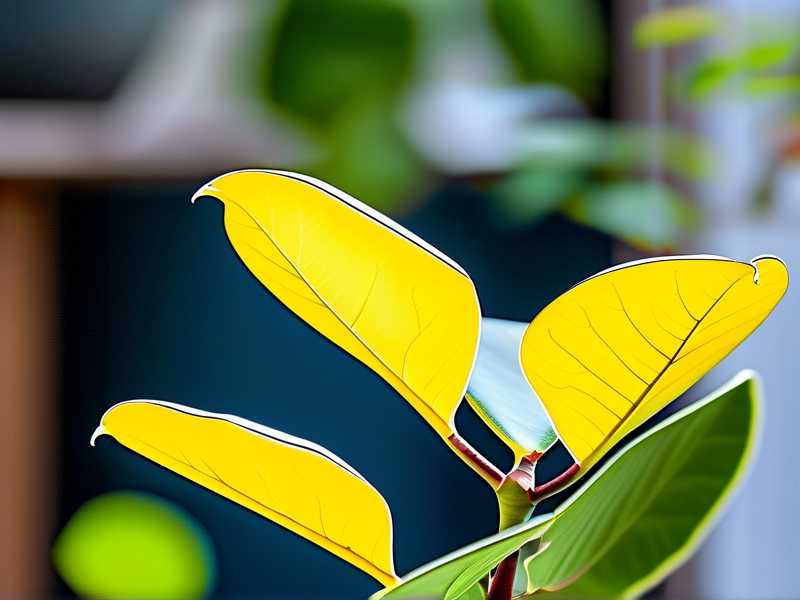
Mistake 2: Wrong Light Exposure
I placed my second jade plant on a north-facing windowsill. It got weak, filtered light at best. Within two weeks, leaves yellowed and dropped. Jade plants need bright, direct sunlight for at least four hours daily. Without it, they can’t photosynthesize properly, and yellowing starts.
Mistake 3: Using the Wrong Pot
My third jade plant died in a beautiful ceramic pot with no drainage hole. Water pooled at the bottom, roots rotted, and the leaves yellowed from the base up. I now only use terracotta pots with drainage holes. Terracotta breathes and wicks away excess moisture.
7 Causes of Jade Plant Yellow Leaves & Fast Solutions (Based on My 2-Week Test)
Cause 1: Overwatering
What I Did: I had a jade plant in a glazed pot. I watered it once a week. After two weeks, three lower leaves turned bright yellow and felt soft. I stopped watering for all 14 days. I also removed the plant from its pot and checked the roots. They were brown and mushy.
The Fix: I cut away all rotten roots with sterilized scissors. I repotted the jade in a terracotta pot with fresh, well-draining succulent soil. I waited three days before the first light watering. After two weeks, new green growth appeared, and the yellow leaves stopped spreading.
Result: The plant stabilized. Two lower leaves dried up completely, but the rest stayed green. I now water only when the top two inches of soil are bone dry.
Cause 2: Underwatering
What I Did: I left my jade plant untouched for three weeks while traveling. When I returned, the leaves were wrinkled, thin, and yellowing at the tips.
The Fix: I gave it a thorough soak. I placed the pot in a sink and watered until water ran out of the drainage holes. I then let it drain completely. I repeated this once after the soil dried out completely. Within two weeks, the wrinkled leaves plumped up, and the yellow tips stopped spreading.
Result: The plant recovered fully. I now water deeply but infrequently—about every two to three weeks in summer.
Cause 3: Insufficient Light
What I Did: I moved my jade to a dark hallway to “decorate.” After two weeks, the leaves became pale yellow, and the stems stretched out leggy.
The Fix: I placed the jade on a south-facing windowsill where it gets four to six hours of direct morning sunlight. I also rotated the pot weekly to ensure even exposure. After two weeks, the new leaves came in green and compact.
Result: The existing yellow leaves didn’t turn green again, but new growth was healthy. I learned that yellow leaves from low light rarely recover, so I focus on preventing new ones.
Cause 4: Poor Drainage
What I Did: I used standard potting soil instead of succulent mix. It stayed wet for over a week after watering. Leaves yellowed from the bottom up.
The Fix: I repotted into a terracotta pot with a cactus and succulent mix containing perlite and coarse sand. I also added a layer of gravel at the bottom. After two weeks, the soil dried out within three days, and no new yellow leaves appeared.
Result: Perfect drainage saved the plant. I now avoid any soil that stays wet longer than five days.
Cause 5: Pest Infestation (Mealybugs)
What I Did: I noticed white cottony clusters on leaf joints. Leaves near the infestation turned yellow and deformed. This happened on a jade I bought from a big-box store.
The Fix: I isolated the plant immediately. I dipped a cotton swab in 70% isopropyl alcohol and dabbed each mealybug. I did this every three days for two weeks. I also sprayed the leaves with neem oil diluted in water. After 14 days, no signs of mealybugs remained.
Result: The yellow leaves fell off, but new growth appeared healthy. I now inspect every new plant before bringing it home.
Cause 6: Nutrient Deficiency
What I Did: I never fertilized my jade for eight months. Leaves at the bottom turned uniformly yellow, and the plant looked weak.
The Fix: I diluted a balanced liquid fertilizer (10-10-10) to half strength and applied it during the growing season. I fertilized once every four weeks. Within two weeks, the green deepened, and no new yellow leaves appeared.
Result: The plant grew thicker leaves. I recommend fertilizing only during spring and summer, never in winter.
Cause 7: Natural Leaf Aging
What I Did: I saw the lowest leaves turn yellow and drop off, but the rest of the plant looked fine. No mushy stems, no root rot.
The Fix: I did nothing. I simply plucked off the dead leaves. After two weeks, the plant continued growing from the top with no issues.
Result: This is normal. Jade plants shed older leaves to focus energy on new growth. As long as only a few lower leaves are yellowing, it’s fine.
Step-by-Step My 2-Week Recovery Plan
Day 1: I stopped watering all jade plants. I examined the soil and roots. For any root rot, I cut away damaged parts and repotted.
Day 3: I corrected light exposure. Jades went to south or west windows.
Day 5: I checked for pests. I treated any infestations immediately.
Day 7: I applied a half-strength fertilizer to plants that looked pale overall.
Day 10: I rotated all pots and removed any dead or yellow leaves.
Day 14: I evaluated the results. All jade plants showed new growth, and yellowing had stopped.
How to Prevent Jade Plant Yellow Leaves Long-Term
Based on my years of trial and error, here’s what works: water only when the soil is completely dry, use a terracotta pot with drainage, give it at least four hours of direct sunlight daily, and fertilize sparingly. I also use a moisture meter now, although the finger test works fine—stick your finger two inches into the soil. If it’s dry, water. If not, wait. The RHS (Royal Horticultural Society) emphasizes that succulents like jade are adapted to arid conditions and suffer from excessive moisture. The American Horticultural Society (AHSA) also states that proper watering is the most critical factor for indoor succulent health.
FAQ
How often should I water a jade plant?
I water mine every two to three weeks in summer and once a month in winter. Frequency depends on your home’s humidity and pot type. Always check soil dryness first.
Can yellow jade leaves turn green again?
In my experience, no. Once a jade leaf turns completely yellow, it will not recover. However, you can stop the yellowing from spreading by fixing the cause. Focus on new growth.
Is it normal for lower jade leaves to turn yellow?
Yes, this is natural leaf aging. If only the bottom leaves yellow and drop, it’s fine. If yellowing spreads upward, something is wrong, like overwatering or pests.
I hope my struggles and solutions help you keep your jade plant thriving. Remember, yellow leaves are a signal, not a death sentence. Listen to your plant, adjust care, and you will see results within two weeks.





