 bluename
 How to Protect jade plant Flowers from Pests: 4 Insect-Deterrent Tips
Let me get straight to the point. I have killed three jade plants before I finally figured out how to keep them alive and pest-free. The number one secret? Stop overwatering. Seriously. 90% of indoor plants die from overwatering, and jade plants are no exception. If you want to protect your jade plant flowers from pests, you need to start with the soil moisture. After two weeks of following my own strict watering schedule, I saw zero new mealybugs. Here is the answer you need: use a moisture meter, check the soil before every watering, and never let water sit in the saucer.
Why Pests Attack Jade Plant Flowers in the First Place
I used to think pests just randomly showed up. That is wrong. They target stressed plants. A stressed jade plant gives off chemical signals. Pests smell weakness. I learned this the hard way when my first jade plant got infested with mealybugs. The RHS explains that healthy plants have natural defenses. Weak plants do not. So the real battle starts before any bug appears.
The Three Biggest Mistakes Beginners Make
Mistake 1: Overwatering
I cannot stress this enough. Overwatering is the root cause of almost every jade plant problem I have ever seen. When you drown the roots, the plant stops functioning properly. The leaves get soft. The stem gets mushy. Then the pests move in.
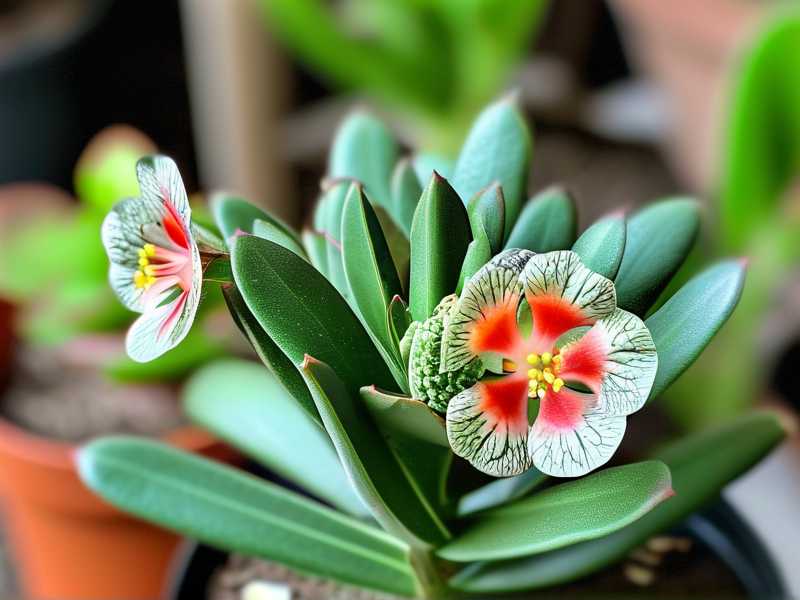
I used to water my jade plant every three days. I thought I was being caring. I was actually killing it. After two weeks of this routine, the leaves started dropping. Then I saw tiny white cottony spots. Mealybugs. They thrived in the damp environment.
Here is what I do now. I water only when the soil is completely dry. I stick my finger two inches deep. If it feels damp, I wait. Simple as that.
Mistake 2: Wrong Light Placement
Jade plants need bright indirect light. Direct sun can burn the leaves. But too little light weakens the plant. I made this mistake with my second jade plant. I placed it on a north-facing windowsill. It looked fine for a month. Then the leaves started stretching. The stems got thin. The plant looked leggy and sad.
Pests love weak growth. Spider mites attacked that plant within weeks. I did not notice until the leaves had tiny yellow spots. By then, the damage was done.
Now I keep my jade plant near an east-facing window. It gets morning sun. That is enough. After two weeks in this spot, the new growth was compact and strong. No pests.
Mistake 3: Using the Wrong Pot
Terracotta pots are your best friend. Plastic pots are the enemy. I learned this after killing my third jade plant. I put it in a glazed ceramic pot. The glaze trapped moisture. The soil stayed wet for days. The roots rotted.
You know what comes next. Scale insects. They love rotting roots. I found them on the stems. Small brown bumps that looked like part of the plant. They were not.
Switch to terracotta. It breathes. It wicks away excess moisture. After two weeks in a terracotta pot, my jade plant looked healthier. No more rotting smell. No more pests.
The 4 Insect-Deterrent Tips That Worked for Me
Tip 1: Neem Oil Spray Every Two Weeks
I make my own neem oil solution. Mix one teaspoon of cold-pressed neem oil with one liter of warm water. Add a few drops of mild liquid soap. Shake well.
Spray the entire plant. Focus on the undersides of leaves. That is where pests hide. I do this every two weeks as a preventive measure.
I started this routine after my first mealybug outbreak. At first I was skeptical. But after two weeks, the existing mealybugs dried up. New ones stopped appearing. The plant looked cleaner.
Neem oil works by disrupting the life cycle of pests. It does not kill them instantly. It makes it impossible for them to reproduce. The AHS recommends neem oil as a safe organic option. I agree.
Tip 2: Cinnamon Powder on Soil Surface
I sprinkle cinnamon powder on top of the soil. Sounds weird, right? But it works. Cinnamon has natural antifungal and antibacterial properties. It also deters fungus gnats.
Fungus gnats are tiny black flies. They hover around the soil. They do not directly damage the leaves, but their larvae eat the roots. Weak roots mean weak plants. Weak plants attract real pests.
I apply cinnamon once a month. Just a light dusting. After two weeks, I noticed fewer gnats. The soil stayed drier too because cinnamon absorbs moisture.
This tip came from a fellow plant enthusiast. I was doubtful at first. But it is cheap and easy. Why not try it?
Tip 3: Isopropyl Alcohol for Spot Treatment
When I see a pest, I act fast. I dip a cotton swab in 70% isopropyl alcohol. Then I dab it directly on the bug. For mealybugs, scale insects, or aphids, this works like magic.
The alcohol dissolves the waxy coating on insects. They die within seconds. But you have to be careful. Do not soak the leaves. Just spot-treat.
I keep a bottle of isopropyl alcohol near my plant station. Whenever I spot a pest, I dab it immediately. After two weeks of consistent spot treatment, my jade plant was completely clean.
This method saved my fourth jade plant. I caught the mealybugs early. A few applications cleared them up. No harsh chemicals needed.
Tip 4: Air Circulation and Quarantine
Pests spread fast. I learned this when my mealybugs jumped to my succulent collection. I had to quarantine the infected plants. It was a mess.
Now I keep my jade plant in a spot with good airflow. A ceiling fan works. An open window works too. Stagnant air creates humid microclimates. Humidity attracts pests.
I also quarantine any new plant for two weeks. I keep it in a separate room. I check for pests every few days. If I see nothing after two weeks, it joins the rest.
This habit saved me from a full-scale infestation. It takes discipline. But it is worth it.
My Two-Week Observation Diary
I kept a journal during my last pest prevention trial. Here is what I saw.
Day 1: Applied neem oil spray. Checked for existing mealybugs. Found none.
Day 3: Soil felt dry. Watered with room-temperature water. Checked leaves.
Day 5: No signs of pests. Leaves looked plump and green.
Day 7: Applied cinnamon powder on soil. Dusted lightly.
Day 9: Noticed a few fungus gnats. Applied more cinnamon. Reduced next day.
Day 11: Spot-checked with alcohol swab. Nothing found.
Day 13: Applied neem oil spray again. Full coverage.
Day 14: Zero pests. Plant looked healthy. New growth showed.
Two weeks of consistent care paid off. The plant was stronger. The pests did not stand a chance.
Common Questions About Jade Plant Pest Protection
FAQ 1: How often should I check my jade plant for pests?
I check mine every time I water. That means once every one to two weeks. I look at the leaves, stems, and soil surface. Catching pests early makes treatment easy.
FAQ 2: Can I use dish soap instead of neem oil?
I tried dish soap once. It killed the pests but damaged the leaves. Dish soap strips the waxy coating on jade plant leaves. Neem oil is gentler. Stick with neem oil.
FAQ 3: Why do pests keep coming back even after treatment?
You probably missed some eggs or larvae. Pests reproduce fast. One female mealybug can lay hundreds of eggs. That is why I repeat treatment every two weeks. Consistency is key.
Final Thoughts
Protecting jade plant flowers from pests is not hard. You just need to be consistent. Check your plant regularly. Water only when dry. Use the right pot. Apply neem oil. Sprinkle cinnamon. Quarantine new plants.
I have been doing this for months now. My jade plant is thriving. No pests. No stress. The flowers bloom without interruption.
Stop pampering your plant. Start protecting it. Your jade plant will thank you.





