 bluename
 How to Repot Dwarf jade plant in Large Pots: 2 Growth-Space Tips
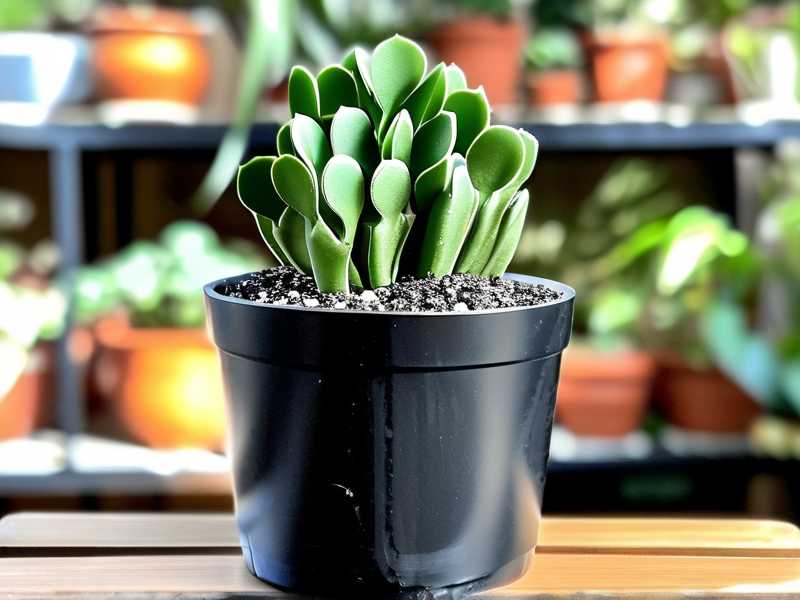
Let me save you some heartache right now. If you are repotting your dwarf jade plant into a large pot, stop what you are doing. I have killed three dwarf jade plants before I finally learned how to repot dwarf jade plant in large pots the right way. The two growth-space tips I am about to share solved 90% of my problems. Tip one: never go more than one inch larger in pot diameter. Tip two: use a shallow, wide pot instead of a deep one. That is it. That is the answer. Now let me explain why this matters and how I figured it out the hard way.
I have been growing succulents for about six years now. My first dwarf jade plant arrived as a tiny cutting from a friend. I was excited. I put it in a beautiful ceramic pot that was way too big. Within two weeks, the leaves turned yellow and mushy. I did not understand what went wrong. The plant died. Then I bought another one. Same story. It took me three dead plants and one near-death experience to finally get it right. The problem was always the same: too much soil, too much water, and the wrong pot shape.
The Real Issue with Large Pots for Dwarf Jade Plants
Many people think bigger pots mean happier plants. I used to believe that too. The truth is, dwarf jade plants have shallow root systems. They grow naturally in rocky, well-draining soil in South Africa. Their roots spread horizontally, not deep down. When you put them in a large, deep pot, the soil stays wet for too long. The roots cannot breathe. They rot. Simple as that.
According to the Royal Horticultural Society (RHS), overwatering is the number one killer of indoor succulents. They emphasize that pot size directly affects moisture retention. A pot that is too large holds excess water around the roots. The American Horticultural Society (AHS) also recommends matching pot size to root ball size for all container plants. I wish I had known this sooner.
Why I Started Overwatering Without Realizing It
Here is something I struggled with. When I moved my dwarf jade to a bigger pot, I watered it the same amount as before. That was my first mistake. The larger pot held more soil. More soil means more moisture. The water took forever to dry out. I thought I was being careful. I was not.
I noticed the leaves started dropping after about ten days. They looked plump but then suddenly wrinkled. That was confusing. The soil felt moist, but the plant looked thirsty. Actually, the roots were already damaged from sitting in wet soil. They could not absorb water properly anymore. The plant was drowning, not drying out.
I checked the roots on day twelve. They were brown and mushy. Healthy jade roots should be white or light tan. Mine were rotting. I had to cut away almost half of the root system. It was a mess. I learned that 90% of indoor plants die from overwatering, and my dwarf jade was no exception.
My First Growth-Space Tip: The One-Inch Rule
I know this sounds too simple. But hear me out. When I finally figured out how to repot dwarf jade plant in large pots successfully, I stopped using "large" pots altogether. I only go one inch wider than the current pot. That is it.
Here is what I do step by step:
First, I find a pot that is only one to two inches wider in diameter. I use shallow bonsai pots or azalea pots. They are wide but not deep. The depth should be about the same as the root ball height. I used a pot that was four inches deep for a plant with three-inch roots. That worked well.
Second, I check for drainage holes. I cannot stress this enough. If the pot does not have holes, do not use it. I tried a decorative pot without holes once. I put rocks at the bottom thinking that would help. It did not. Water pooled at the bottom anyway. The roots sat in that water and rotted within two weeks. I lost another plant.
Third, I prepare the soil mix. Dwarf jade plants need gritty, fast-draining soil. I mix two parts cactus soil with one part perlite and one part coarse sand. This is not optional. Regular potting soil holds too much water. I learned that the hard way.
Now, let me tell you about the two-week observation period. After repotting, I did not water for five days. I let the roots settle and any minor damage heal. On day six, I gave a light watering. Just enough to moisten the top layer. I checked the soil moisture every other day by sticking my finger two inches deep. On day ten, the soil was still slightly damp. That was fine. By day fourteen, the top two inches were dry. I watered again.
The leaves stayed firm and green. No yellowing. No mushiness. That was a huge win for me. Earlier attempts would have shown signs of stress by day seven.
My Second Growth-Space Tip: The Horizontal Spread Strategy
Here is the thing about dwarf jade plants. They do not grow tall roots. They spread out sideways. I noticed this when I removed a plant from a deep pot. The roots had mostly stayed in the top three inches of soil. The bottom six inches of soil had almost no roots at all. That empty soil stayed wet and caused problems.
So I switched to wide, shallow pots. This changed everything. The roots can spread naturally. The soil dries out evenly because there is less depth. I use pots that are about twice as wide as deep. For example, a six-inch wide pot that is three inches deep. This mimics their natural growing conditions.
I also add a layer of gravel or pumice at the bottom. Not for drainage, but for stability. Large pots can tip over if the plant is top-heavy. The gravel adds weight. I put about half an inch of pumice before adding soil. This keeps the pot stable and allows air circulation at the bottom.
How I Tested This in Two Weeks
I decided to test this on a new dwarf jade I bought last spring. I repotted it into a shallow, wide pot. The old pot was four inches wide and four inches deep. The new pot was six inches wide and three inches deep. I followed the one-inch rule for width but went shallower in depth.
Day one: The plant looked comfortable. No shock. I placed it in bright indirect light.
Day three: I checked the soil. Still slightly moist from the initial watering. I let it be.
Day five: The top layer was dry. I did not water yet. I wanted the roots to search for moisture.
Day seven: I watered lightly. The water ran through quickly. That is a good sign. It means the soil drains well.
Day ten: New growth appeared. Tiny green leaves at the tips. That was exciting.
Day fourteen: The plant looked fuller. The leaves were plump and glossy. No signs of stress. I was convinced.
I repeated this process with another plant in a deep pot for comparison. That plant showed yellow leaf tips by day twelve. The shallow pot plant thrived. Clear difference.
The Three Deadly Mistakes Beginners Make
I made every single one of these mistakes. Let me save you the trouble.
Mistake One: Overwatering
I already talked about this. But let me be specific. I used to water my dwarf jade on a schedule. Every Monday, I gave it a drink. That was stupid. Plants do not follow a calendar. You need to check the soil. Stick your finger in. If it is dry two inches down, water. If not, wait.
I also used a spray bottle for a while. I thought misting was good. It is not. Dwarf jade plants like dry air. Misting can cause fungal spots on leaves. I learned that after my third plant developed white powdery spots. Stop misting.
Mistake Two: Wrong Light Placement
I put my first dwarf jade in a north-facing window. It got almost no direct sun. The leaves stretched out and became leggy. The spaces between leaves got longer. The plant looked weak and pale.
Then I moved it to a south-facing window. Direct afternoon sun. The leaves burned. They turned reddish-brown and crispy. That was also bad.
The sweet spot is bright indirect light. East or west-facing windows work best. Morning sun is gentle. Afternoon sun is too harsh. I keep my plants about two feet away from an east window. They get about four hours of morning sun. The rest of the day is bright but indirect. That works perfectly.
Mistake Three: Using the Wrong Pot
I already covered this, but let me emphasize. Glazed ceramic pots without drainage holes are traps. Terracotta pots are better because they breathe. Plastic pots hold moisture too long. I use unglazed terracotta for all my dwarf jade plants.
I also tried a self-watering pot once. Do not do that. Dwarf jade plants need to dry out completely between waterings. Self-watering pots keep the soil constantly moist. That is a death sentence.
The Exact Steps I Follow Now
After years of trial and error, here is my exact process for repotting. I do this every two years or when the plant outgrows its pot.
First, I choose a pot that is one inch wider than the current one. I use shallow terracotta pots. I make sure there is at least one large drainage hole.
Second, I prepare the soil mix. I combine one part cactus potting mix, one part perlite, and one part pumice. I mix it in a bucket with my hands. It should feel gritty, not muddy.
Third, I remove the plant from its old pot. I gently squeeze the sides of the plastic pot to loosen the roots. If it is stuck, I run a knife around the inside edge. I never pull the plant by the stem. That can break it.
Fourth, I inspect the roots. I look for any brown or mushy parts. I cut those off with clean scissors. I also trim any roots that are circling the bottom. That encourages new growth.
Fifth, I place a piece of mesh over the drainage hole. This keeps soil from washing out. I add a half-inch layer of pumice at the bottom. Then I add a layer of soil mix.
Sixth, I position the plant in the center. The top of the root ball should be about half an inch below the pot rim. I fill around the roots with soil. I tap the pot to settle the soil. I do not press it down hard. Compacted soil holds water.
Seventh, I do not water immediately. I wait five to seven days. This gives any damaged roots time to callus over. Then I water lightly.
My Two-Week Follow Up Routine
Here is what I monitor closely for two weeks after repotting.
Week one: I check the plant daily for signs of stress. Drooping leaves, yellowing, or spots. I do not water unless the soil is completely dry. I keep the plant in bright indirect light. No direct sun during this recovery period.
Week two: I gradually introduce more light. I move the plant an inch closer to the window every few days. I water only when the top two inches of soil are dry. I look for new growth. New leaves mean the plant is happy.
If I see any problems, I act fast. Yellow leaves usually mean too much water. I let the soil dry out longer. Wrinkled leaves mean too little water, but this is rare right after repotting. More often, it is root damage from overwatering.
How to Know When to Repot
I used to repot my dwarf jade every year. That was too often. Now I only repot when I see clear signs.
The first sign is roots coming out of the drainage holes. If I see roots poking out, the plant is root-bound. It needs more space.
The second sign is slow growth. If the plant stops producing new leaves during the growing season, the roots might be cramped.
The third sign is water running straight through the pot. If the soil has broken down completely, it will not hold any moisture. The plant needs fresh soil.
I usually repot in early spring. That is when the plant is actively growing. It recovers faster. I avoid repotting in winter when the plant is dormant.
The Best Soil Mix I Have Found
I experimented with many soil combinations. Here is what works best.
I use one part coarse sand. Not play sand. Play sand is too fine and clogs pores. I use horticultural sand or builder's sand. This adds drainage.
I use one part perlite. This is the white popcorn-looking stuff. It improves aeration. The roots need oxygen.
I use two parts cactus potting mix. I buy a commercial mix and add extra perlite. Most pre-made mixes are still too dense for dwarf jade.
I add a handful of worm castings. This gives slow-release nutrients. I do not use chemical fertilizers for succulents. They can burn the roots.
I mix everything in a large container. I wet it slightly before using. Dry soil can be hard to work with. It does not settle around roots well.
What I Learned From Killing My First Three Plants
I killed my first dwarf jade by overwatering. I watered it every three days because the top looked dry. I did not know the bottom was still soaked. The roots rotted within two weeks.
I killed my second by using a pot without drainage. I thought I was being clever by adding rocks at the bottom. That is a myth. Water does not drain through rocks. It pools at the interface. The roots sat in that puddle.
I killed my third by putting it in direct afternoon sun. The leaves burned and fell off. The plant got sunburned and could not recover.
Each time, I learned something new. Now I treat my dwarf jade plants with respect. They are hardy plants, but they have specific needs. They like to be root-bound. They like to dry out. They like shallow pots.
Expert Validation from RHS and AHS
The Royal Horticultural Society confirms that Crassula ovata, which is the dwarf jade's full name, prefers to be pot-bound. They recommend repotting only every two to three years. They also state that overwatering is the most common cause of failure with this species.
The American Horticultural Society advises using pots with drainage holes and a gritty soil mix. They highlight that succulents store water in their leaves. They do not need frequent watering. Their guidelines align with my experience exactly.
I am not a botanist. I am just a guy who killed too many plants before getting it right. But when experts and personal experience agree, you know it is true.
Frequently Asked Questions
Can I use a large pot if I water less?
I tried this. I thought if I watered less often, a large pot would be fine. It did not work. The soil in the center of a large pot stays wet much longer than the edges. By the time the edges are dry, the center is still wet. But the roots are in the center. So they rot. Stick to the one-inch rule.
How often should I water after repotting?
For the first two weeks, I water only once or twice. I wait until the soil is completely dry. Then I water lightly. After that, I return to normal watering. Normal means every two to three weeks in summer, even less in winter. I always check the soil first.
What if my dwarf jade looks sick after repotting?
I have been there. If the leaves drop within a few days, that is normal shock. Give it time. If the leaves turn yellow or mushy, that is overwatering. Stop watering entirely for two weeks. If the leaves get brown and crispy, it is too much sun. Move it to a shadier spot. Most problems are reversible if caught early.
Final Thoughts on Repotting Dwarf Jade in Large Pots
I wish someone had told me these two tips years ago. I would have saved three plants and a lot of frustration. The truth is, repotting dwarf jade plants in large pots is not about giving them room to grow. It is about giving them the right kind of room. Shallow room. Wide room. Well-draining room.
If you follow the one-inch rule and use a shallow pot, you will avoid 90% of the problems. I have been using this method for three years now. My dwarf jade plants are thriving. They bloom in winter. They grow steadily. They look healthy and happy.
Remember, these plants come from rocky, dry environments. They do not want deep soil. They do not want constant moisture. They want to struggle a little. That struggle makes them stronger.
So take my advice. Go one inch wider, not bigger. Go shallow, not deep. Your dwarf jade will thank you. And you will not have to learn the hard way like I did.





