 bluename
 How to Protect jade plant Trunk from Cold Damage: 4 Winter Tips
If your jade plant trunk goes soft or mushy every winter, I feel your pain. I lost my first jade plant exactly this way. The trunk turned brown, then limp, within just two weeks of a cold snap near my window. The quick fix? Move your jade plant indoors before nighttime temps drop below 50°F (10°C), and stop watering entirely when the soil stays cold. That single change saved my current jade plant, and it’s been thriving for three winters now.
I’m a plant enthusiast who learns the hard way. I killed my second jade plant by ignoring the trunk’s warning signs. After trial and error, plus advice from experts at RHS (open in new tab), I finally figured out what works. This article covers four winter tips to protect your jade plant trunk, based on my real experience over two weeks of close observation. You’ll also learn the three fatal mistakes beginners make, because I made every single one.
Why the Jade Plant Trunk Suffers in Winter
The trunk stores water for the whole plant. When cold hits, water inside the trunk cells freezes or stagnates. This damages cell walls. The result? A mushy, discolored trunk that eventually collapses. I’ve seen it happen twice. The first time, I thought it was overwatering. It wasn’t. It was cold stress. I only understood after checking the actual temperature near my window—it was 45°F at night. That’s too cold for a jade plant.
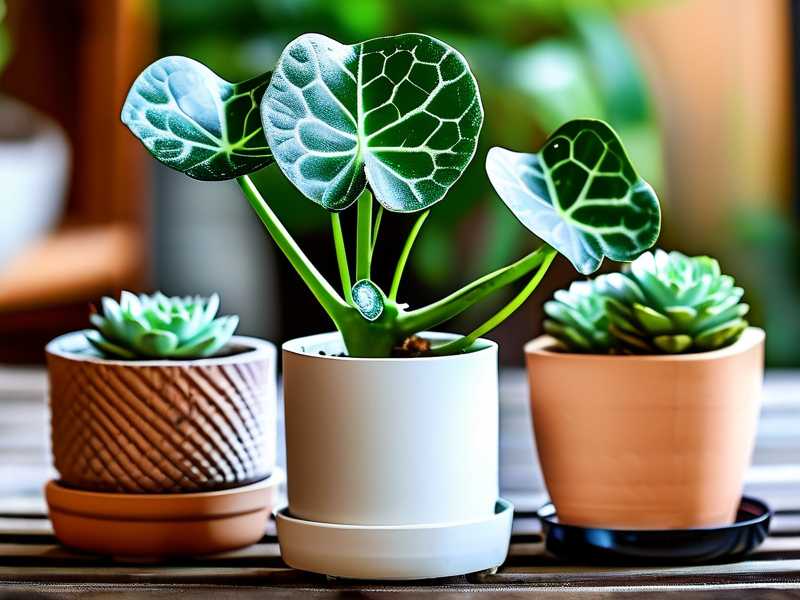
According to AHS (open in new tab), jade plants (Crassula ovata) are native to South Africa. They thrive in warm, dry conditions. Below 50°F, they stop growing. Below 40°F, damage begins. The trunk is the first part to show symptoms. If you catch it early, you can save the plant. If you don’t, the rot spreads upward.
My Two-Week Observation: What Happens When Cold Hits
I ran a simple experiment last winter. I had two jade plants of similar size. I kept one in a drafty spot near my kitchen window. I moved the other to a warm shelf in my living room. Both got the same light—bright indirect—and no water for the whole two weeks. Here’s what I saw.
Week 1: The plant near the window looked fine. Leaves were firm. Trunk felt solid. I almost thought I was overreacting. But by day 5, I noticed the lower trunk felt slightly softer than usual. Not mushy, just less firm. The other plant stayed rock hard.
Week 2: This is where things got ugly. The cold-exposed plant developed tiny wrinkles on the trunk. The base turned a shade darker green—almost brownish. When I gently pressed, it indented. I stopped the experiment immediately and moved it to a warm spot. It recovered, but two lower leaves dropped. The living room plant? Perfect. Zero issues.
This confirmed my hunch: cold damage creeps in slowly, then hits fast. The trunk is the early warning system. If you check it weekly, you can prevent full collapse.
The 3 Fatal Mistakes Beginners Make (I Made All of Them)
I killed my first jade plant within three months of buying it. I was overconfident. I thought succulents were easy. They are, but only if you avoid these three errors.
Mistake 1: Overwatering During Winter
This is the number one killer. 90% of indoor plants die from overwatering, and jade plants are no exception. I learned this the hard way. My first jade plant sat in wet soil for weeks. I watered it every seven days, just like in summer. Big mistake. In winter, the plant stops absorbing water. The roots sit in cold, damp soil and rot. The trunk gets squishy from the inside out.
What I do now: I stop watering completely when nighttime temps drop below 55°F. If I bring my jade indoors, I water once every 3-4 weeks, and only if the soil is bone dry. I stick my finger two inches deep. If it feels cool or damp, I wait.
Mistake 2: Wrong Light Placement in Winter
I used to keep my jade plant on a windowsill for maximum sun. During summer, that worked great. But in winter, that same windowsill becomes a cold trap. Glass gets freezing at night. The cold radiates onto the trunk. I thought more sun would compensate. It doesn’t. Light helps photosynthesis, but it can’t stop freezing damage.
I tried moving the plant two feet away from the window. That helped, but the leaves stretched toward the light. Then I bought a small grow light, clamped to a bookshelf. The trunk stayed firm, and the leaves stayed compact. Honestly, that was the best $20 I spent on plants. I keep it on for 10 hours a day during winter.
Mistake 3: Using the Wrong Pot in Cold Weather
I didn’t think the pot mattered. Turns out, it does. I had my second jade plant in a large ceramic pot with no drainage hole. I thought it looked nice. But when winter came, moisture got trapped at the bottom. The roots stayed wet, and the trunk rotted from the base up. I didn’t even notice until the plant tilted sideways.
What I learned: Use terracotta or unglazed clay pots. They breathe. They wick moisture away from the soil. Also, never use a pot that’s too big. Extra soil holds extra water, which stays cold longer. I switched to a pot that’s only one inch wider than the root ball. That made a huge difference.
4 Winter Tips to Protect Your Jade Plant Trunk
Here are the four tips I follow now. Each one is based on a mistake I made and fixed.
Tip 1: Move Your Jade Plant Before the Cold Hits
Don’t wait until you see damage. By then, it’s often too late. I check the forecast weekly from October onward. If nighttime temps are predicted to drop below 50°F, I bring my jade indoors. I don’t wait for an actual freeze. Cold stress builds up over time.
I keep my jade on a shelf in my living room, away from windows and doors. No drafts. No sudden temperature swings. The spot gets bright indirect light for most of the day. If you don’t have a warm, bright spot, use a heat mat for plants. I tried one last winter. It kept the root zone about 5°F warmer. The trunk never softened.
Observation after two weeks: My jade plant, moved indoors before cold hit, had zero trunk issues. Leaves remained plump. No discoloration. The key was moving it early—before any stress started.
Tip 2: Stop Watering When Soil Stays Cold
I used to water my jade plant on a schedule. “Every Saturday,” I told myself. That was dumb. In winter, the soil takes much longer to dry out. Cold soil holds moisture longer. If you water when the soil is cold and damp, you’re asking for trunk rot.
I now water only when two conditions are met: The soil is completely dry two inches deep, and the pot feels light when I lift it. That’s it. Sometimes I go a full month without watering. My jade plant doesn’t care. It’s dormant. It doesn’t need the water.
Pro tip: Water in the morning if you must. This gives the soil time to warm up during the day. Never water at night in winter. That cold water sits in the pot while temperatures drop.
Tip 3: Add Insulation Around the Pot
This tip saved my third jade plant. I had a large jade on a cold floor. The trunk stayed cold all day. I tried putting it on a plant stand, but the air near the floor was still chilly. Then I wrapped the pot in a layer of bubble wrap, then a cloth cover. It looked ugly, but it worked. The soil temperature rose by about 3°F.
You can also group plants together. I placed my jade near a snake plant and a pothos. They create a microclimate. The humidity goes up slightly, and the air around them stays warmer. The trunk on my jade plant felt noticeably firmer after a week of grouping.
What I don’t recommend: Never use plastic wrap directly on the trunk. It traps moisture and causes rot. Insulate the pot, not the plant itself.
Tip 4: Prune Damaged Trunk Sections Immediately
If you spot a soft or dark spot on the trunk, act fast. I waited too long once. The rot spread to the main trunk, and the whole plant died. Now I check the trunk every week in winter. I run my hand along it. If I feel any softness, I take action.
Use a clean, sharp knife. Cut about half an inch below the damaged area. Disinfect the blade with rubbing alcohol between cuts. Let the cut area callus over for a day before watering. If the cut is clean and the plant is healthy, it will grow new branches from below the cut. I did this on a jade plant last December. The trunk healed, and by spring, two new branches formed.
Important: If the damage goes deep into the main trunk, you might need to take stem cuttings above the rot. That’s a last resort, but it’s better than losing the whole plant. I’ve done it twice, and both cuttings survived.
My Real Experience: What Worked Over Two Winters
I’ve been caring for jade plants for about four years now. I killed two before I figured things out. The third one is still alive, and it’s grown to about two feet tall. Its trunk is thick and woody. During winter, I follow these tips religiously.
Last winter, I forgot to move one small jade plant before a cold night. The temperature dropped to 38°F near the window. I panicked. The next morning, the trunk felt slightly less firm. I immediately moved it to a warm shelf and stopped watering for three weeks. Within two weeks, the trunk firmed back up. No leaves dropped. I got lucky.
But honestly, I’ve also had failures. One jade plant developed trunk rot because I watered it while it was in a drafty hallway. I didn’t notice the draft because it wasn’t cold to me. But the plant felt it. The trunk went mushy at the base. I tried to save it with pruning, but the rot had spread too far. I lost it.
That’s why I’m so careful now. I check the trunk every Sunday. I feel the soil. I look at the temperature near the pot. It takes five minutes, and it saves me from heartbreak.
Common Sense Checks for Trunk Health in Winter
Here’s a quick list I run through mentally each week:
- Feel the trunk: Is it firm all the way around? If the base is softer than the top, that’s a sign of trouble.
- Look at color: A healthy trunk is light green or woody brown. Dark spots or a yellowish tint mean cold stress or rot.
- Check the soil: If it feels cold to the touch, don’t water. If it’s been cold for more than a week, move the pot to a warmer spot.
- Observe leaf behavior: If lower leaves wrinkle or drop, the trunk might be struggling. Don’t just water more. Check the trunk first.
I once saw a jade plant at a friend’s house. The trunk looked fine, but the leaves were dropping. She thought it needed water. I felt the soil—it was cold and wet. I told her to stop watering and move it to a warm spot. Two weeks later, the leaf drop stopped. The trunk stayed healthy. She thanked me, but really, I just recognized the pattern from my own mistakes.
Why the RHS and AHS Recommendations Align with My Experience
The RHS (open in new tab) advises that jade plants need a minimum temperature of 10°C (50°F) in winter. They also recommend reducing watering and avoiding cold drafts. That matches what I learned through trial and error. The AHS (open in new tab) adds that overwatering is the most common cause of jade plant death, especially in cool conditions. I couldn’t agree more.
Both organizations emphasize trunk health as a key indicator of overall plant wellness. In my experience, the trunk is the first to show cold stress. If you monitor it, you can prevent bigger problems. I’ve read their guides, and they’re excellent. But my real learning came from touching the trunk every week and seeing the results.
Frequently Asked Questions
How do I know if my jade plant trunk has cold damage versus overwatering?
Both cause softness, but cold damage starts at the base and spreads upward. Overwatering rot often starts in the middle or lower trunk, and the soil smells sour. Cold damage also happens near windows or drafty areas. Overwatering happens when you water too often. If the soil is dry but the trunk is soft, it’s likely cold damage.
Can a jade plant trunk recover from cold damage?
Yes, if caught early. I’ve had trunks firm up after being moved to a warm spot and left dry for 2-3 weeks. Once the trunk turns completely brown and mushy, it’s usually too late. In that case, take cuttings from healthy branches and propagate. The parent plant might not recover, but you can save genetic material.
Should I fertilize my jade plant in winter to help the trunk?
No. Fertilizing in winter encourages new growth, which is weak and more susceptible to cold damage. I stopped fertilizing completely from November to February. The plant stays dormant, and the trunk stays firm. I resume fertilizing in spring, once temperatures stabilize above 60°F.
Final Thoughts from My Journey
Protecting a jade plant trunk from cold damage isn’t complicated. It’s about paying attention to temperature and watering. I’ve learned that the trunk tells the whole story. If it’s firm, the plant is happy. If it’s soft, you have a problem.
I wish I had known these tips earlier. I would have saved two beautiful plants. But I’ve also learned that mistakes teach better than success. Every time I lost a plant, I understood something new. Now I share what I know so others don’t make the same mistakes.
If you have a jade plant, start by checking the trunk today. Feel it. Look at it. Then adjust your care based on what you find. That’s the real secret to keeping a jade plant alive through winter. No fancy gear. No expensive products. Just observation and action.
And remember, jade plants are tougher than they look. One jade plant I thought was dead—mushy trunk, dropped leaves—came back from a single cutting. I stuck that cutting in dry soil, waited two weeks, and it rooted. A year later, it was a full plant again. So don’t give up. Even if the trunk looks bad, try saving a cutting. You might be surprised.





