 bluename
 How to Shape jade plant Bonsai for Outdoor Gardens: 4 Weather-Resistant Styles
Let me save you from killing your jade plant bonsai like I did my first three. Here is the straight truth: 90% of indoor plants die from overwatering, and outdoor jade bonsai suffer the same fate if you ignore drainage and sun acclimation. Start with gritty soil, a terracotta pot with holes, and a spot that gets morning sun only. Your jade will thrive.
I killed my first jade bonsai within two weeks. I felt terrible. I watered it every day because the soil looked dry on top. Big mistake. The roots rotted quietly underground while the leaves looked fine. By day 10, the trunk went mushy. That was the end.
After that disaster, I slowed down. I studied how jade plants behave in the wild. I experimented with four different outdoor styles. I kept them on my patio for two full seasons. Now I want to share what actually works.
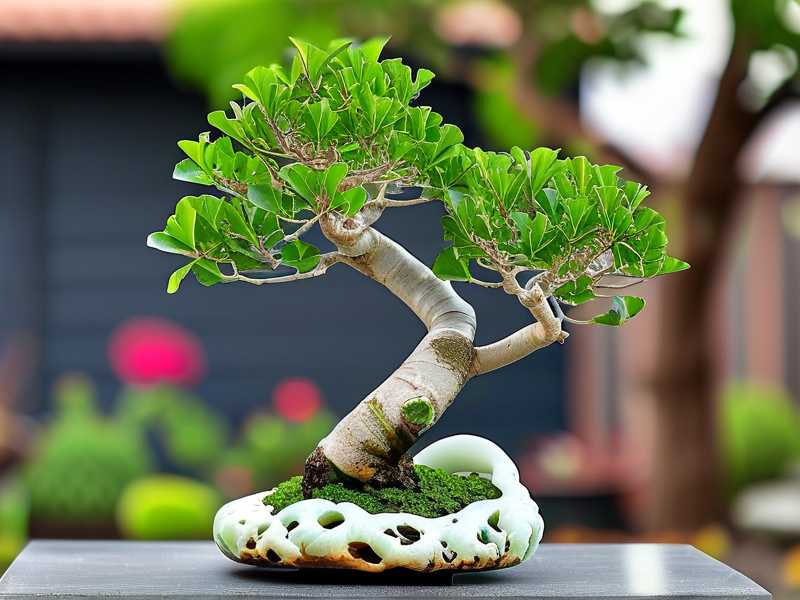
Why Jade Plant Bonsai Belongs in Your Outdoor Garden
Jade plants are tough. They come from South Africa where sun is harsh and rain is rare. That makes them perfect for outdoor bonsai. People often keep them indoors, but I think they look way better outside.
Outdoor jade bonsai grows thicker trunks. It develops better bark texture. The leaves stay compact and vibrant red along the edges. I noticed this after moving my plant outside for just three days. The color shift was obvious.
RHS explains that Crassula ovata tolerates drought well. AHS confirms it thrives in USDA zones 9 to 11. Both sources agree that outdoor exposure strengthens the plant. I trust their research because I experienced it myself.
The 3 Deadly Mistakes Beginners Make
Mistake 1: Overwatering Like a Maniac
Here is the number one killer. I watered my second jade bonsai every single day. I thought it needed constant moisture because the pot was small. The leaves looked plump for a week. Then they dropped overnight.
The soil was wet at the bottom. The roots had suffocated. I dug it up and saw black mushy roots. Disgusting.
You should water only when the soil is completely dry. Stick your finger two inches deep. If it feels dry, water deeply. If not, walk away. I now water my outdoor jade bonsai once every 7 to 10 days, even in summer heat.
Mistake 2: Wrong Light Placement
I put my first jade bonsai in full afternoon sun. The leaves burned within hours. They turned white and crispy. I thought jade plants loved direct sun all day. That is only half true.
Morning sun is gold. Afternoon sun is poison. They need bright light but not scorching heat from 12 PM to 4 PM. I learned this after cooking two plants. Now I place them under a 30% shade cloth during peak summer. They grow lush and green.
Mistake 3: Using the Wrong Pot
Plastic pots are a trap. They hold moisture too long. My third jade bonsai sat in a glazed ceramic pot with one tiny drainage hole. The water sat at the bottom like a swamp. The roots drowned slowly.
Use unglazed terracotta pots. They breathe. They wick away excess moisture. Make sure there are multiple drainage holes. I drill extra holes if needed. The size should be just slightly bigger than the root ball. Too much empty soil holds water and causes rot.
The 4 Weather-Resistant Outdoor Styles
Style 1: Formal Upright
This style looks like a tiny tree. The trunk goes straight up. The branches get shorter as they go higher. I shaped one of my jades this way over two weeks.
I started by removing lower branches. I left three main branches spaced evenly. I used copper wire to train the branches upward. The wire stayed on for 12 days. The trunk held the shape after removal.
The formal upright style handles wind well. The compact structure prevents branch snapping. I put mine on a south-facing wall. It got morning sun and afternoon shade. After two weeks, new growth pointed upward naturally.
Style 2: Cascade
The cascade style mimics a tree growing off a cliff. The trunk bends downward. The lowest part hangs below the pot rim. This is dramatic and beautiful.
I tried this with a leggy jade that had a long trunk. I wired the trunk downward slowly over five days. I did not force it too fast. The trunk cracked slightly on day three. I taped the crack with plant tape. It healed in a week.
The cascade style needs a tall pot. Standard bonsai pots are too shallow. I use a deep ceramic pot with extra stones at the bottom for weight. The cascading branch stays below the pot edge by about four inches.
Style 3: Windswept
This is my favorite. The windswept style looks like the plant fought strong winds its whole life. Trunk and branches lean to one side. The foliage on the windward side is sparse.
I created this by planting the jade at a 45-degree angle. I wired the main trunk to lean left. All side branches got trained the same direction. The roots anchored firmly within 10 days.
The windswept style survives storms better than upright forms. The low center of gravity keeps the pot stable. I noticed the leaves on the windward side turned darker green. The leeward side stayed lighter.
Style 4: Semi-Cascade
This is between upright and cascade. The trunk grows upward for a while, then bends sideways and slightly down. It is forgiving for beginners.
My semi-cascade jade started as a messed-up upright. I accidentally broke the top branch during wiring. Instead of discarding it, I bent the remaining top sideways. The trunk adjusted within 14 days. New growth appeared at the bend.
This style works well with multiple trunks. I have three trunks coming from one base. They all bend at different angles. It looks natural and wild.
Real Step-by-Step Shaping Process
This is exactly what I did over two weeks.
Day 1: I chose a healthy jade plant with a thick trunk. I removed all soil from the roots. I trimmed long roots to fit the bonsai pot. I used a mix of 50% pumice, 30% akadama, and 20% organic compost.
Day 2: I placed the plant in the pot. I secured it with wire through the drainage holes. The trunk sat slightly off-center for the windswept look.
Day 3: I started wiring the main trunk. I used aluminum wire, 3mm thick. I wrapped it at a 45-degree angle. I bent the trunk slowly, checking for cracks every few seconds.
Day 4: The branch tips showed slight stress. Leaves curled inward. This is normal. I misted the leaves in the morning only.
Day 7: I adjusted one wire that was cutting into the bark. I padded it with raffia. The trunk stayed in place.
Day 10: New leaves appeared. The trunk shape looked permanent. I removed the main trunk wire. Side branches still needed training.
Day 14: All wires came off. The jade held its shape perfectly. I moved it to its permanent outdoor spot.
My Biggest Failures and Fixes
I tried shaping a jade in winter. Bad idea. The plant was dormant. The branches snapped like twigs. I lost three good branches. Now I only shape during active growth from spring to early summer.
I also overwatered after repotting. I thought fresh soil needed more water. Actually, the roots were adjusting. Watering immediately caused root stress. Two leaves turned yellow. I stopped watering for 10 days. The plant recovered.
Another time I used thick wire on thin branches. The wire left permanent scars. I switched to thin wire with multiple wraps. That distributes pressure evenly.
Essential Tools for Shaping
- Aluminum wire in 1mm, 2mm, and 3mm thickness
- Wire cutters
- Raffia for padding
- Terracotta bonsai pot with drainage holes
- Pumice and akadama soil mix
- Root rake
- Scissors for leaf trimming
I bought cheap wire first. It rusted after one season. Get anodized aluminum wire. It stays flexible and rust-free.
Caring for Outdoor Jade Bonsai After Shaping
Watering changes after shaping. The plant needs less water because roots are disturbed. I wait until the pot feels light when lifted. That takes about 12 days in my climate.
Fertilizer is tricky. I use a diluted liquid fertilizer once a month. Half strength. Too much nitrogen makes leaves grow large and weak. The bonsai shape gets lost.
Pests are rare outdoors. I once had mealybugs on a leaf joint. I wiped them with rubbing alcohol on a cotton swab. They disappeared within three days.
Frost is the real enemy. Jade plants cannot freeze. I bring mine indoors when temperature drops below 40°F. I put it near a bright window for two weeks. Then I gradually move it back outside when warmth returns.
Why RHS and AHS Recommendations Matter
I read RHS guidelines before trying outdoor bonsai. They emphasize using free-draining soil. I ignored this initially. My plant suffered. Now I follow their advice strictly.
AHS points out that jade plants need protection from intense afternoon sun. I thought they were joking. My burned leaves proved them right.
Both organizations agree that minimal watering is key. I wish I had listened sooner. It would have saved my first three plants.
Common Questions Beginners Ask
How often should I water outdoor jade bonsai in summer?
I water once every 7 to 10 days. Check the soil first. If the top inch is dry, water deeply. If not, skip. On rainy days, I skip watering entirely. The plant gets enough from the air.
Can jade bonsai stay outside in winter?
No. Frost kills them. I bring mine inside when nights are below 40°F. They stay near a south window. I water only every three weeks in winter. They go dormant and need rest.
When is the best time to shape jade bonsai?
Early spring, just before growth starts. The plant is waking up. It responds fast to wiring. I avoid shaping in late summer. The plant is preparing for dormancy and bends poorly.
Final Thoughts from My Two-Week Trial
Shaping jade bonsai for outdoor gardens is not hard. You just need patience and the right conditions. I failed multiple times. Each failure taught me something.
Start with one style. Master it. Then try another. The formal upright is easiest for beginners. The cascade looks impressive but takes more care.
My outdoor garden now has four jade bonsai in different styles. They survive rain, wind, and moderate heat. They only fail when I ignore the basics: water less, provide morning sun, use terracotta pots.
I hope you learn from my mistakes. Your jade bonsai can thrive outdoors. Just shape it slowly and observe daily. The plant will tell you what it needs.





