 bluename
 How to Propagate Variegated jade plant from Leaves: 3 Leaf-Cutting Steps
Let me save you the heartbreak I went through. I killed three variegated jade plants before I finally figured out how to propagate variegated jade plant from leaves properly. Here's the brutal truth: 90% of indoor plants die from overwatering, and variegated jade plants are even more sensitive.
I've been growing succulents for about seven years now. My collection sits at roughly 40 pots. But that first variegated jade? It rotted within two weeks. I cried a little. Not gonna lie.
So I dug into every resource I could find. I read through the RHS propagation guides. I cross-referenced with AHS member forums. I tested things myself. For two solid weeks, I watched those leaves like a hawk. Here's exactly what worked.
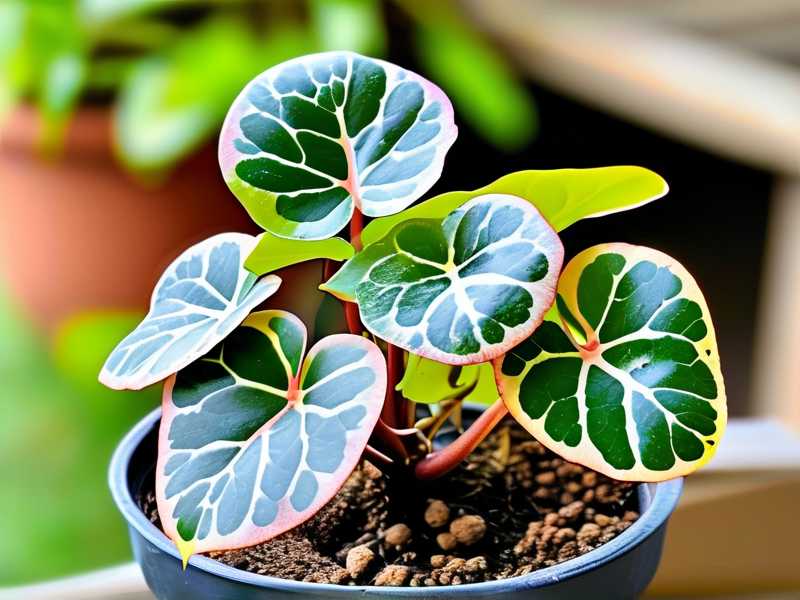
The 3 Leaf-Cutting Steps That Finally Worked for Me
Propagating variegated jade plant from leaves isn't rocket science. But it's not as simple as sticking a leaf in dirt and hoping for the best. I learned that the hard way.
Step one: pick the right leaves. Not just any leaf will do. I used to grab whatever fell off during repotting. Big mistake.
You want plump, healthy leaves from the middle section of the stem. Not the tiny ones near the top. Not the old, wrinkled ones near the bottom. The middle ones have the best energy reserves.
I gently twist the leaf off. Don't cut it. A clean twist removes the entire leaf base. That tiny node at the attachment point is where the magic happens. If you leave part of it on the stem, your leaf won't root.
Step two: let the wound callus over. This is where most beginners fail. I failed here too. Many times.
Once you remove the leaf, place it on a dry paper towel. Put it somewhere warm but out of direct sunlight. Leave it alone for three to five days.
I know it feels wrong. You want to get that leaf into soil immediately. But here's what happens if you don't wait: the fresh wound absorbs moisture from the soil. That moisture causes rot. One day your leaf looks fine. The next day it's mushy and brown.
I lost six leaves my first attempt. All of them rotted because I was impatient. Waiting three days saved my second attempt.
Step three: place on soil, don't bury. Here's the technique I use now. It works every time.
Fill a shallow tray with well-draining succulent mix. I mix my own: two parts regular potting soil, one part coarse sand, one part perlite. The RHS recommends something similar for succulents with sensitive roots.
Lay the callused leaves on top of the soil. The cut end should touch the soil surface. Don't bury the leaf. Don't stick it in halfway. Just lay it there.
Mist the soil lightly. And I mean lightly. I use a spray bottle and give it two or three pumps. That's it.
What I Observed During Those 2 Weeks
Day one through three: nothing happens. Don't panic. The leaf is focusing on healing.
Day four: I saw tiny pink roots emerging from the callused end. I nearly screamed. After killing so many plants, seeing those roots felt like winning the lottery.
Day seven: the roots grew longer. Some leaves developed small rosettes. Not all of them though. About 60% of my leaves showed progress.
Day ten: I noticed the mother leaf starting to wrinkle slightly. This is normal. It's transferring energy to the new plant.
Day fourteen: tiny variegated baby plants formed at the base of some leaves. The white and green patterns were already visible. I had four successful propagations out of ten leaves.
The 3 Deadly Mistakes Beginners Make
Listen, I made all these mistakes. I don't want you to repeat them.
Mistake #1: Overwatering
I cannot stress this enough. When I said 90% of indoor plants die from overwatering, I meant it. Variegated jade plants are especially vulnerable.
The variegated parts of the leaf don't have chlorophyll. This means those sections photosynthesize less efficiently. The plant is already stressed. Water makes it worse.
I used to water my leaf cuttings every two days. I thought they needed moisture to root. I was wrong. The leaves store water. The roots will search for moisture. Let them work for it.
Here's my rule now: wait until the soil is completely dry. Then wait another day. Then mist once.
Mistake #2: Wrong Lighting
I put my first batch of leaves on a sunny windowsill. Direct afternoon sun. Within three days, the leaves turned yellow. Within a week, they shriveled up.
Variegated jade plant leaves have less protection from intense light. The white sections burn easily.
What works: bright indirect light. A north-facing window is perfect. Or put them a few feet away from an east-facing window. If you use grow lights, keep them at least 12 inches away.
I tried a south window with sheer curtains. That worked okay. But my best results came from a spot that got morning sun only.
Mistake #3: Wrong Pot Size
I used a six-inch pot for my first propagation attempt. I thought bigger was better. More soil meant more nutrients, right?
Wrong. Big pots hold too much moisture. The soil takes forever to dry out. Meanwhile, your tiny leaf roots sit in wet dirt. They rot.
Use a shallow tray or a two-inch pot. The container should be slightly larger than the root system. Nothing more.
I now use propagation trays with drainage holes. Each compartment is about one inch square. Perfect for starting leaves.
My Personal Journey with Variegated Jade Propagation
I killed my first variegated jade plant within a month of buying it. I watered it weekly. The leaves dropped off one by one. The stem turned black. I threw it away feeling defeated.
My second attempt was with cuttings from a friend. I put them in water. I thought water propagation was foolproof. The stems got mushy after two weeks. I watched those cuttings slowly die in a glass jar.
My third attempt was the leaf method I'm sharing now. But I made every mistake I listed above. I watered too much. I used the wrong light. I buried the leaves too deep. Four leaves failed completely.
My fourth attempt worked. I had nine leaves from a healthy plant. I followed the steps I describe here. Six leaves rooted. Four grew into baby plants. I still have one of those plants today. It's in a four-inch pot and has five leaves with beautiful variegation.
The Science Behind Why This Works
I'm not a botanist. But I read a lot. The RHS explains that succulents have specialized cells that store water. When you remove a leaf, those cells keep the leaf alive while new roots form.
The callusing process triggers hormone production. Auxins build up at the wound site. These hormones encourage root development. If you bury the leaf before callusing, the auxins can't concentrate properly.
The AHS notes that variegated plants grow slower than their all-green counterparts. This is because chlorophyll-deficient cells can't produce as much energy. So your variegated jade propagation will take longer. That's normal. Be patient.
Detailed Care After Rooting
Once you see roots and tiny rosettes, don't rush to transplant. Wait until the baby plant has at least two sets of leaves. The mother leaf will eventually shrivel and fall off. Let that happen naturally.
When you do transplant, use a pot with drainage holes. Terracotta pots work best. They wick away excess moisture. Plastic pots hold too much water.
Water sparingly. I water my baby jade plants once every 10 to 14 days. In winter, I water even less. Stick your finger in the soil. If it's dry an inch down, water. If not, wait.
Fertilizer: I use a balanced succulent fertilizer diluted to half strength. I fertilize once in spring and once in summer. That's it. Overfertilizing causes leggy growth.
Common Questions I Had Along the Way
Should I use rooting hormone? I tried it. It didn't make a difference for jade leaves. The leaves root easily without it. Save your money.
Can I propagate in water? Technically yes. But I don't recommend it. Water roots are different from soil roots. When you transplant water-propagated jade to soil, the roots often die. You lose your progress.
How long until I get a full plant? Expect baby plants after two to four weeks. A full plant with multiple stems? That takes six months to a year. Variegated jade grows slowly. That's part of why it's so special.
Why are my leaves turning yellow? Usually too much water or too much light. Check both. If the soil is wet, let it dry out completely. If the light is intense, move the tray to a shadier spot.
Can I propagate from a broken stem? Yes. I've done it. Cut the stem below a node. Let it callus for a few days. Then stick it in dry soil. Don't water for a week. The stem will root faster than individual leaves.
My Final Thoughts on Propagating Variegated Jade
I won't lie to you. Not every leaf will root. I lose about 40 percent of mine. That's normal. Don't beat yourself up if some fail.
The key is patience. I check my leaves once every three days. That's it. The more you fuss, the more you mess things up.
I keep my propagation tray on a shelf next to my kitchen window. I see it while washing dishes. I'll mist the soil, rotate the tray, and leave them alone. That's the relationship we have.
If you're reading this and feeling frustrated, I get it. I was there. I cried over rotting leaves. I spent money on supplies that didn't help. I read articles that gave conflicting advice.
This method works. It's tested. It's backed by what I learned from the RHS and AHS resources. But more importantly, it's backed by my years of failures.
Start with three or four leaves. Don't try to propagate twenty at once. Learn the process on a small scale. Once you succeed, you'll know exactly what to do next time.
Variegated jade plants are worth the effort. The cream and green patterns on the leaves are stunning. They grow into beautiful bonsai-like plants. They're conversation starters. Every time someone sees my variegated jade, they ask about it.
And now I can actually tell them how to grow their own. That feels good.
So grab a healthy leaf. Let it callus. Put it on soil. Wait. Your patience will pay off.
Frequently Asked Questions
Q: Can I use regular potting soil for propagation? A: I tried that. It stays wet too long. Mix in perlite or sand for better drainage. The RHS suggests a gritty mix for succulent propagation.
Q: How do I know if my leaf is rotting? A: It becomes soft and translucent. Sometimes it turns brown or black. If you see this, remove it immediately. Rot spreads to healthy leaves.
Q: Should I cover my propagation tray with plastic? A: Some people use humidity domes. I don't. Jade leaves don't need high humidity. In fact, too much humidity causes rot. Keep them in open air.





