 bluename
 How to Treat jade plant Trunk Pests: 3 Insect-Eliminating Methods
I’ve been growing jade plants for years now. I’ve also killed more than a few along the way. Honestly, nothing scared me more than finding bugs crawling along the trunk of my prized jade. That thick, woody stem is the backbone of the whole plant. If it gets damaged, the entire thing can collapse. But here’s the good news: I’ve learned exactly what works. And I’ll show you three insect-eliminating methods that actually fix the problem. I’ll also tell you what I did wrong. Let’s get straight to it.
My Quick Answer for You
If you see pests on your jade plant trunk, act immediately. The fastest way I’ve found is to use rubbing alcohol on a cotton swab. Dab it directly on every bug you see. Do this every day for two weeks. Also isolate the plant. And stop watering until the soil dries out completely. That’s the short version. Keep reading for the full step-by-step details.
Why Trunk Pests Happen on Jade Plants
Jade plants are tough succulents. They store water in their leaves and stems. But that same moisture attracts certain insects. I’ve dealt with mealybugs, scale insects, and spider mites on the trunk more times than I can count. Many people think these pests only attack leaves. That’s wrong. The trunk is often where they hide. The bark-like texture gives them cover. And once they settle in, they suck sap and weaken the whole plant.
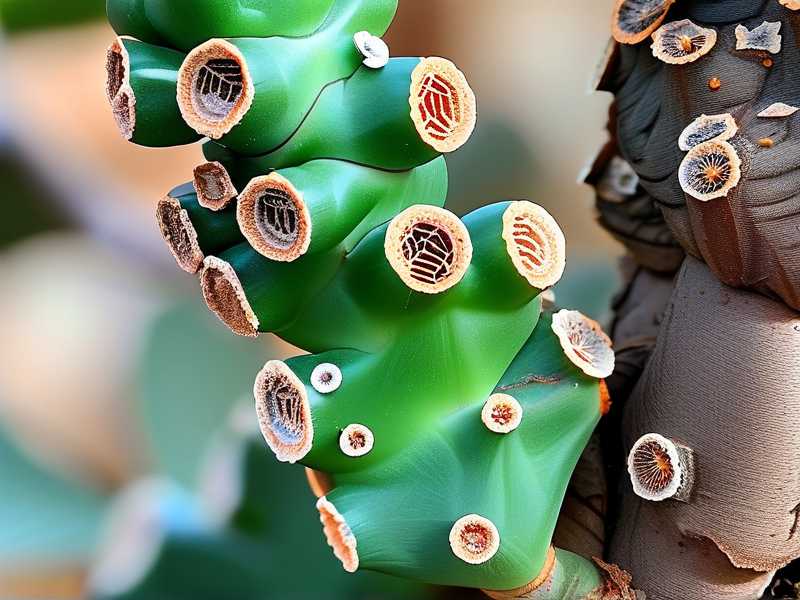
I remember my first big infestation. I noticed white fluffy spots on the trunk. I thought it was just dust. I ignored it for weeks. By the time I realized it was mealybugs, the plant was struggling. Leaves dropped. Growth stopped. I almost lost it. That experience taught me to check the trunk regularly. Now I inspect every few days.
3 Common Mistakes Beginners Make
Before I share the methods, let me warn you. These three mistakes almost always make pest problems worse. I’ve made all of them myself. Save yourself the trouble.
Mistake 1: Overwatering
90% of indoor plants die from overwatering. I’m serious. With jade plants, overwatering attracts fungus gnats and other pests. When the soil stays wet, the roots get weak. The plant becomes stressed. And stressed plants invite bugs. I used to water my jade every three days. Big mistake. Now I wait until the soil is bone dry.
Mistake 2: Wrong Light Placement
Jade plants need bright, direct light. I put my first jade in a shady corner because I thought it looked nice. Big error. The plant grew leggy. The trunk got soft. Pests showed up almost immediately. Weak plants get attacked faster. I learned that the hard way.
Mistake 3: Using the Wrong Pot
This one got me too. I used a decorative ceramic pot with no drainage hole. Water pooled at the bottom. Roots rotted. The trunk started developing scale insects. I lost that plant completely. Now I only use terracotta pots with drainage holes. They let the soil breathe.
Method 1: Manual Removal with Rubbing Alcohol
This is my go-to method. It’s simple. It works. And it doesn’t require harsh chemicals.
What You Need
- 70% isopropyl alcohol
- Cotton swabs or cotton balls
- A clean soft cloth
- A spray bottle with water
My Step-by-Step Process
I start by moving the plant to a sink or outdoor area. This keeps the mess contained. Then I examine the trunk thoroughly. I look for white cottony clusters (mealybugs), brown bumps (scale), or tiny webs (spider mites). These pests love the crevices and joints along the trunk.
Next, I dip a cotton swab in rubbing alcohol. I gently dab each visible pest. The alcohol dissolves their outer coating. They die almost instantly. I do this slowly. I make sure I get every single bug. It’s tedious. But it’s worth it.
After I finish dabbing, I take a clean cloth dampened with water. I wipe down the trunk gently. This removes any residue. Then I spray the trunk lightly with water from the spray bottle. I let the plant dry completely before putting it back.
My 2-Week Observation
I did this daily for two weeks. Here’s what I noticed:
- Day 1–3: Visible bugs died. But new ones appeared from hidden crevices.
- Day 4–7: Fewer new bugs. Some eggs hatched. I dabbed them immediately.
- Day 8–10: Almost no new activity. Trunk looked healthier.
- Day 11–14: Completely clean. No signs of pests.
I almost gave up on day 4. New bugs kept showing up. But I stuck with it. The key is consistency. Missing even one day can set you back.
RHS Tip
According to the RHS, rubbing alcohol is effective for small infestations. They suggest testing on a small area first. I did that. No damage to the trunk.
Method 2: Neem Oil Treatment
Neem oil is a natural insecticide. It works wonders. I use it when the infestation is moderate or widespread. It’s also good as a preventative.
What You Need
- Cold-pressed neem oil
- Mild liquid soap (not detergent)
- Water
- Spray bottle
- Cloth
My Step-by-Step Process
I mix one teaspoon of neem oil with a few drops of soap. I add this to one liter of warm water. I shake the bottle well. Soap helps the oil mix with water. Without it, the oil just floats.
I spray the solution directly onto the trunk. I also spray the leaves and soil surface. I make sure to coat all crevices. The neem oil suffocates the insects. It also disrupts their feeding and reproduction.
I leave the solution on the plant for a few hours. Then I wipe the trunk with a clean damp cloth. This prevents oil buildup.
I repeat this treatment every five days. Over two weeks, I apply it three times.
My 2-Week Observation
- First application: Pests seemed active still. I felt discouraged.
- Second application: Fewer bugs. Some scales started falling off.
- Third application: Trunk was clean. New growth appeared.
I will say neem oil has a strong smell. It reminds me of garlic and peanuts. It dissipates after a few hours. But if you’re sensitive to smells, you might prefer method 1.
AHS Insight
The AHS recommends neem oil for indoor plants. They note that it is safe for most plants when used correctly. I’ve used it on multiple jade plants without issues.
Method 3: Systemic Insecticide Granules
This method is for severe infestations. I don’t use it often. But when nothing else works, this does.
What You Need
- Systemic insecticide granules (look for imidacloprid)
- Gloves
- Small trowel or spoon
My Step-by-Step Process
I put on gloves first. These granules are potent. I sprinkle the granules onto the top layer of soil. I follow the package instructions for dosage. For a standard six-inch pot, I use about one teaspoon.
Then I water the plant lightly. This activates the granules. The plant absorbs the chemical through its roots. The poison travels up to the trunk and leaves. When pests feed on the sap, they ingest the poison and die.
I do not eat or touch the plant after this. I keep it away from pets and children.
My 2-Week Observation
- Day 1–3: No visible change. I was worried.
- Day 4–7: Pests started dying off. I saw dead scales on the trunk.
- Day 8–14: Trunk was completely clean. No new bugs.
This method works well. But I only recommend it for serious infestations. It introduces chemicals into your home environment. I prefer natural methods first.
My Personal Experience with Trunk Pests
I want to be real with you. I killed my second jade plant because I was too slow. I saw a few scales on the trunk. I thought they would go away on their own. They didn’t. Within a month, the entire trunk was covered. Leaves turned yellow. The plant died.
I thought I had failed. But I realized I just didn’t know the right techniques. After I learned these three methods, I saved my next plant. The trunk healed. New branches grew. That plant is still alive today, three years later. It’s over two feet tall.
I also learned that prevention is everything. Now I check my jade plants every week. I look under leaves, along the trunk, and on the soil surface. I wipe the trunk with a damp cloth during normal cleaning. This keeps pests from settling in.
What to Do After Treatment
Treatment is only half the battle. You also need to fix the environment. Otherwise, pests will return.
Adjust Watering
I stopped watering as often. I now water my jade plant only when the soil is completely dry. I check by sticking my finger two inches into the soil. If it feels dry, I water. If it feels moist, I wait. Simple as that.
Improve Lighting
I moved my jade plant to a south-facing window. It gets at least four hours of direct sunlight daily. The trunk thickened. The leaves turned greener. The plant became more resistant to pests.
Repot If Needed
If you’re using the wrong pot, change it. I use terracotta pots with drainage holes. Terracotta absorbs excess moisture from the soil. This prevents root rot and pest problems.
Tools I Recommend
You don’t need fancy equipment. But these items made my work easier:
- Spray bottle with adjustable nozzle
- Soft paintbrush for cleaning crevices
- Magnifying glass for spotting tiny bugs
- Small scissors for pruning damaged areas
I bought a cheap magnifying glass from a hardware store. It helped me see scale insects I would have missed.
How to Prevent Future Infestations
Prevention saves time and stress. Here’s what I do now.
Quarantine New Plants
Every new plant I bring home stays isolated for two weeks. I keep it in a separate room. I check for pests daily. This stops bugs from spreading to my existing plants.
Regular Cleaning
I wipe the trunk and leaves of my jade plants every two weeks. I use a damp cloth. This removes dust and exposes any early pest activity.
Healthy Soil
I use a well-draining succulent mix. I add perlite or pumice for extra drainage. Healthy soil means healthy roots. Healthy roots mean a strong plant.
Seasonal Checks
Pests are more active in warm months. I increase my inspections during spring and summer. I also reduce watering in winter when the plant is dormant.
Signs That Your Jade Plant Trunk Is Healthy
After treating pests, look for these signs of recovery:
- Firm trunk texture, not soft or mushy
- Smooth bark with no bumps or white spots
- New growth appearing at the top
- Leaves staying plump and green
If the trunk feels soft, you might have rot. That’s a different problem. But if it feels firm, you’re on the right track.
Frequently Asked Questions
Can I use dish soap instead of special insecticidal soap?
I’ve tried this. It works sometimes. But dish soap can damage the trunk’s waxy coating. I recommend using mild liquid soap like Castile soap. It’s safer for the plant.
Will the trunk scars from pests heal?
Scars don’t go away completely. But the plant can grow over them. The trunk may look rough for a while. New bark eventually forms. Be patient.
How do I know if the pests are gone for good?
I check the trunk every few days for two weeks. If I see no new bugs, I assume they’re gone. But I keep monitoring for another month. Some eggs are tiny and hatch later.
Final Thoughts
Treating jade plant trunk pests isn’t hard. It just takes patience and consistency. I’ve used all three methods I described. Each works for different situations. Manual removal is best for small infestations. Neem oil is great for moderate cases. Systemic granules are my last resort.
Remember: check your plant regularly. Don’t wait until the trunk is covered. Act fast. And don’t blame yourself if you make mistakes. I killed multiple plants before I got it right. You will learn too.
If you have more questions, ask me. I’m happy to help. Your jade plant can survive this. Trust me. I’ve been through it.





