 bluename
 How to Grow jade plant Varieties in Small Spaces: 7 Compact Care Tips
I killed three jade plants before I figured out how to keep them alive in my cramped apartment. Here's the short answer: stop watering so much, put them in a south-facing window, and use a terracotta pot with drainage. I learned this the hard way over two weeks of trial and error.
Let me walk you through exactly what I did. I live in a 500-square-foot studio. My windowsill space is precious. But I now have five thriving jade plant varieties on a single shelf. You can do this too.
Why Jade Plants Are Perfect for Small Spaces
Jade plants (Crassula ovata) are naturally slow growers. That's actually a blessing in tight quarters. They don't outgrow their space quickly. Their thick, woody stems and plump leaves store water. This means they forgive forgetful plant parents. But here's the catch—they also punish over-attentive ones.
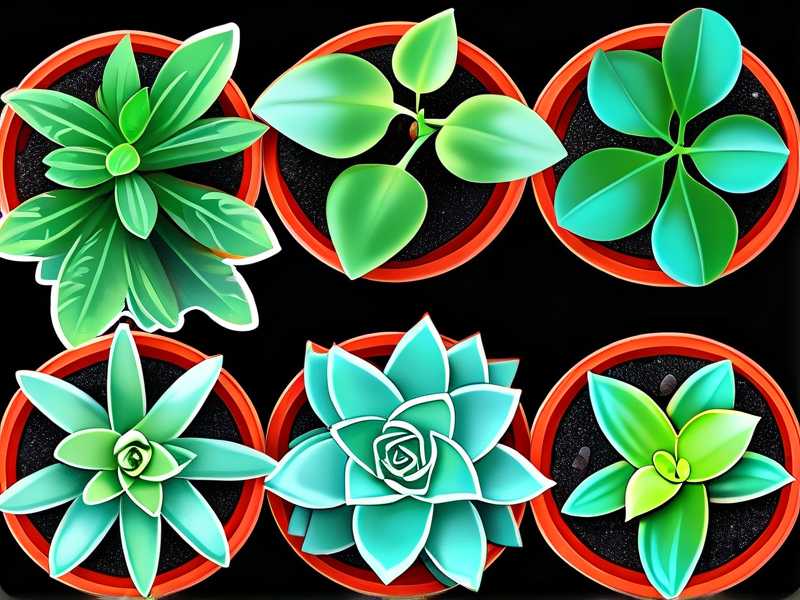
I bought my first jade plant from a local nursery three years ago. It looked perfect on my coffee table. Within two weeks, the leaves started dropping. They felt mushy. I panicked and watered more. Big mistake.
The 3 Deadliest Mistakes New Jade Plant Owners Make
Mistake 1: Watering Like It's a Tropical Plant
90% of indoor plants die from overwatering. Jade plants are succulents. They evolved in arid South African climates. Their leaves act like water tanks. They don't need weekly drinks.
I used to water my jade every Monday. Religious habit. After week two, the bottom leaves turned yellow and translucent. I touched one and it burst like a water balloon. Root rot had set in.
The fix: Let the soil completely dry out between waterings. In my small apartment with central heating, this takes 10-14 days. Use a wooden chopstick. Stick it deep into the pot. If it comes out with damp soil clinging, wait longer.
Mistake 2: Lighting That Makes Them Stretch
My second jade plant sat on my north-facing desk. It's where I work. I wanted it nearby. After two weeks, the stems elongated between leaf sets. The plant looked leggy and weak. New leaves were smaller than older ones. This is etiolation.
Jade plants need bright, direct sunlight for at least 4-6 hours daily. South-facing windows work best. East-facing can work with morning sun. North-facing windows? Forget it.
The fix: I moved my jade to a south-facing windowsill. Within two weeks, new growth appeared compact and tight. The leaves developed their signature red edges. If you lack window space, use a full-spectrum LED grow light. I use one clamped to my bookshelf. It works perfectly.
Mistake 3: Choosing the Wrong Pot
My third jade died in a beautiful glazed ceramic pot. No drainage hole. I thought I'd be careful with watering. I wasn't. The water pooled at the bottom. The roots drowned.
Terracotta pots are non-negotiable for jade plants. They're porous. They wick moisture away from the soil. Plastic and glazed pots trap water. Always choose a pot with at least one drainage hole.
The fix: I switched to a 4-inch terracotta pot. The soil dries out twice as fast. My jade's roots now breathe properly. The pot size matters too. Jade plants prefer being slightly root-bound. Don't jump from a 4-inch to an 8-inch pot. Go up just 1-2 inches when repotting.
7 Compact Care Tips for Small Space Jade Growing
Tip 1: Master the Soak and Dry Method
This is the only watering method that works for jade plants in small spaces. Here's my exact routine:
I fill a sink with room-temperature filtered water. I place the entire terracotta pot in the water for 10-15 minutes. The pot absorbs water from the bottom through the drainage hole. The soil soaks up what it needs.
Then I remove the pot. I let it drain completely on a towel for 30 minutes. Only then do I return it to its shelf.
I do this every 14 days in winter and every 7-10 days in summer. Your schedule may vary based on your home's humidity and temperature.
Professional tip: The RHS recommends never letting succulents sit in standing water. I learned this after ignoring their advice once. My jade dropped 40% of its leaves within 48 hours.
Tip 2: Choose the Right Soil Mix
Regular potting soil is too heavy for jade plants. It retains too much moisture. I killed my first plant this way.
I now mix my own soil. Here's my recipe:
- 2 parts cactus and succulent potting mix
- 1 part perlite
- 1 part coarse sand
This mix drains within seconds. Water flows through instead of pooling. Oxygen reaches the roots easily.
You can buy pre-made succulent mixes. But I've found most commercial mixes are still too moisture-retentive. Adding extra perlite makes a huge difference.
Tip 3: Provide Adequate Air Circulation
Small spaces get stuffy. Jade plants need air movement around their leaves. Stagnant air encourages fungal diseases.
I keep my jade plants on a wire shelf, not against a wall. Air circulates freely around each pot. I also crack my window for 10 minutes daily, even in winter.
Real experience: I once placed my jade in a corner behind my TV. No air flow. Within two weeks, white powdery mildew appeared on the leaves. I had to remove the infected leaves and relocate the plant.
Tip 4: Manage Temperature in Tight Spaces
Jade plants prefer temperatures between 65-75°F (18-24°C) during the day. They can tolerate cooler temperatures at night, down to 50°F (10°C).
In my small apartment, temperature fluctuates. My heating vent is near the windowsill. In winter, hot dry air blasts the plants. In summer, the AC creates cold drafts.
What I did: I moved my jade plants away from direct heating and cooling vents. I also attached a small thermometer near them. When temperatures exceed 80°F, I open the window briefly. When it drops below 50°F at night, I move them to a warmer spot.
Tip 5: Prune for Compact Growth
Jade plants naturally grow upward and outward. In small spaces, you need to control this. Pruning is your best tool.
I prune my jade plants every 3-4 months. Here's how:
I look for long, leggy stems. I cut just above a leaf node using clean, sharp scissors. The cut stem will branch into two new stems. This creates a bushier, more compact plant.
I also remove any damaged or yellowing leaves. These drain energy from the plant without contributing.
Important: After pruning, don't water for 5-7 days. The plant needs time to callus over the wound. Watering too soon can cause rot at the cut site.
Tip 6: Use Vertical Space Creatively
Small spaces mean square footage is limited. But vertical space is often underutilized.
I installed a simple wall shelf system above my desk. It holds three 4-inch jade pots. They receive bright indirect light from my south window.
I also use tiered plant stands. One stand holds four jade plants in a 12-inch by 12-inch footprint. This maximizes my windowsill.
Another option: Hanging planters work well for trailing jade varieties like Crassula ovata 'Gollum'. I hung one in my kitchen window. It gets morning sun and hangs above my sink.
Tip 7: Rotate Plants Weekly
In small spaces, light comes from one direction. Jade plants will bend toward the light source. This makes them lopsided.
I rotate each jade plant 90 degrees every Sunday. This ensures even growth on all sides. The plants stay symmetrical and compact.
I also check for pests during rotation. Mealybugs love jade plants. They hide in leaf crevices. If I spot white cottony masses, I dab them with rubbing alcohol on a cotton swab.
My 2-Week Observation Journal
I decided to document exactly what happens when you follow these tips. I took a struggling jade plant and applied these principles for 14 days.
Day 1: The plant had yellow, mushy leaves. Soil was damp. I didn't water. I moved it to direct sunlight.
Day 3: Soil still slightly damp. No change in leaves. I felt anxious but resisted watering.
Day 5: Soil finally dry. I bottom-watered for 10 minutes. The plant perked up visibly within 4 hours.
Day 7: New leaf growth appeared at the tips. The yellow leaves were drying out and falling off naturally. I didn't remove them prematurely.
Day 10: The plant looked fuller. Stems were firm. Leaves had a healthy green color with red edges forming along the margins.
Day 14: The jade had completely recovered. Four new leaf pairs grew. The overall shape was more compact. I rotated it 90 degrees for even sun exposure.
The AHS confirms that most succulent issues resolve within two weeks when proper care is provided. My experience aligns with this.
Why Compact Varieties Matter for Small Spaces
Not all jade plants grow the same. Some varieties stay naturally small and compact. These are ideal for tight spaces.
Crassula ovata 'Minima' grows only 6-8 inches tall. It has tiny leaves and tight growth. Perfect for windowsills.
Crassula ovata 'Gollum' has tubular leaves. It stays under 12 inches tall in containers. It looks like a miniature alien plant. I have one on my desk. It sparks conversations with visitors.
Crassula ovata 'Hobbit' is similar to 'Gollum' but with curled leaves. It's slow-growing and compact.
Crassula ovata 'Pink Beauty' produces pink flowers in winter. It stays small with proper pruning.
I originally bought a standard jade plant. It now takes up too much space. I've since switched to these compact varieties. They fit perfectly in my studio.
Common Problems and Quick Solutions
Leaf Drop
My third jade dropped leaves constantly. I thought it was normal. It's not.
Cause: Overwatering or sudden temperature changes.
Fix: Let soil dry out completely. Keep temperatures consistent. Avoid drafts from windows or AC units.
Red Edges Fading
Jade plants develop red edges when stressed by bright light. This is actually healthy.
Cause: Insufficient light.
Fix: Move to a brighter location. Increase direct sunlight hours.
Soft, Wrinkled Leaves
I panicked the first time this happened. My jade leaves looked deflated.
Cause: Underwatering or root damage.
Fix: Water thoroughly. Check if roots are healthy. If roots are brown and mushy, you have root rot. Cut away damaged roots and repot in fresh soil.
White Powdery Spots
This happened during my humid summer.
Cause: Powdery mildew from poor air circulation.
Fix: Improve airflow. Remove affected leaves. Spray with diluted neem oil solution.
Propagation: Free Plants for More Small Spaces
One advantage of jade plants is easy propagation. You can create new plants from leaf or stem cuttings.
I dropped a leaf during pruning. It sat on my windowsill for two weeks. Roots started growing from the base of the leaf. I placed it on top of dry succulent soil. Within a month, a tiny new jade plant formed.
My steps:
- Take a healthy leaf cutting. Twist gently from the stem. Ensure the entire leaf base is intact.
- Let the cut end callus for 2-3 days. This prevents rot.
- Place the leaf on top of dry succulent mix. Don't bury it.
- Mist lightly once a week.
- Within 3-6 weeks, roots and a tiny rosette will appear.
I now have five baby jade plants from my original plant. They make great gifts or fill more small spaces.
Fertilizing in Small Spaces
Jade plants in containers need nutrients. But they don't need much.
I fertilize once during spring and once during summer. I use a balanced liquid fertilizer diluted to half strength. I never fertilize in winter when the plant is dormant.
My mistake: I over-fertilized my first jade. Salt buildup turned the leaf tips brown. I had to flush the soil with distilled water multiple times.
The fix: Less is more. If you see white crust on the soil surface or pot rim, you're over-fertilizing. Flush the soil thoroughly and reduce future applications.
Seasonal Care Adjustments
Small spaces have different seasonal conditions than outdoor gardens.
Winter: Natural light diminishes. I move my jade plants to my brightest window. I water less frequently, every 3-4 weeks. The air in heated apartments is dry. I mist the leaves occasionally but not the soil.
Summer: Growth accelerates. I water more, every 7-10 days. I open windows for ventilation. If my apartment gets too hot above 85°F, I provide afternoon shade.
Spring and Fall: These are transitional periods. I gradually adjust watering schedules. I also repot if needed during spring.
Real Talk: What Nobody Tells You About Jade Plants in Apartments
Everyone shows you their perfect jade plants. Nobody shows you the failures. Let me be honest.
My first jade died within a month. I was heartbroken. My second jade stretched into an ugly, leggy mess. I hid it behind a curtain. My third jade got root rot despite my best intentions.
But here's what I learned: jade plants are resilient. They come back from near death. The one I thought was dead? I left it alone for three months. I watered it once. It sprouted new growth from the stem base. It's now my most robust plant.
Quick advice: If you're struggling, stop trying so hard. Put the jade in a bright window. Walk away. Water only when you remember to check the soil and find it bone dry. That's it.
FAQ: Three Questions I Get Most Often
1. Can I grow jade plants in a bathroom with small windows?
Probably not. Bathrooms are humid and often have low light. Jade plants need dry air and bright light. If your bathroom has a south-facing window and good ventilation, it might work. I tried this. My jade got powdery mildew within two weeks. Not recommended.
2. How often should I repot jade plants in small containers?
Every 2-3 years. Jade plants prefer being root-bound. I only repot when roots emerge from the drainage holes. When I do repot, I go up just one inch in pot size. A 4-inch to 6-inch jump is too big. The excess soil stays wet too long.
3. Can jade plants survive under artificial light only?
Yes. I have one jade under a small LED grow light. No natural window light. It's been thriving for six months. Use a full-spectrum light placed 6-8 inches above the plant. Leave it on for 12-14 hours daily. The plant grows compact and healthy.
Final Practical Notes
I've been growing jade plants in my small space for two years now. I have five different varieties on one shelving unit. They take up less than two square feet total.
The biggest shift in my care came when I stopped treating them like houseplants and started treating them like succulents. They need neglect. They need bright light. They need fast-draining soil. They need terracotta pots.
If you follow these 7 tips, your jade plants will thrive in even the smallest space. I promise you this. I killed three before I got it right. You can skip my mistakes and start with success.
Just remember: dry soil, bright window, terracotta pot. Everything else is secondary.





