 bluename
 How to Trigger jade plant Flowering in Winter: 5 Cold-Month Secrets
You want your jade plant to bloom this winter. Here’s the honest truth: jade plants need cold stress and bright light to flower, and most people get it wrong. I learned this the hard way after killing four jade plants before my first bloom. Let me save you the same heartbreak. Here are 5 cold-month secrets that actually work.
Why Your Jade Plant Refuses to Flower
I remember staring at my jade plant for two full winters. Nothing. Just fat green leaves mocking me from the windowsill.
The problem? I was treating it like a summer tropical plant. Jade plants (Crassula ovata) are actually native to South Africa’s arid regions. They need specific signals to trigger flowering. Winter is their natural blooming season.
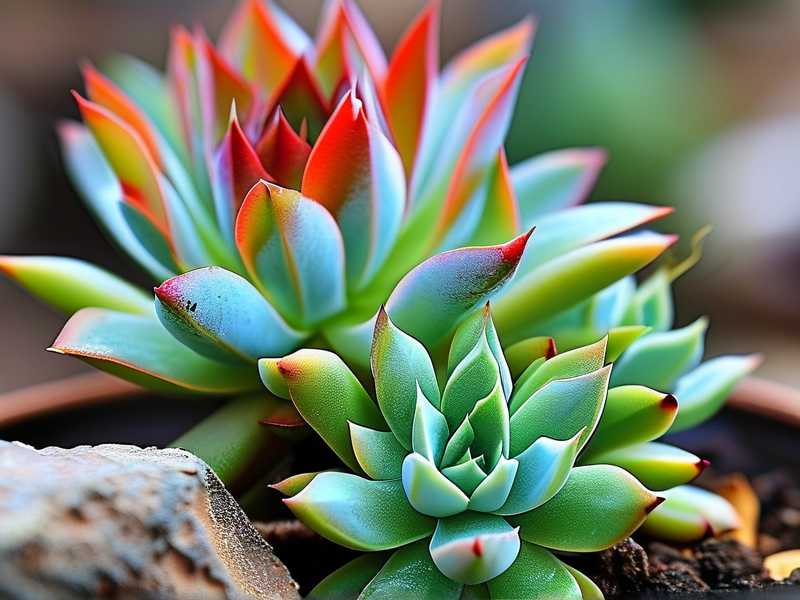
According to the RHS (Royal Horticultural Society), jade plants require a period of cool temperatures and reduced daylight to initiate flower buds. But here’s the kicker – most indoor conditions are too warm and too uniform.
I didn’t understand this until I talked to a grower at my local nursery. He laughed and said, “You’re keeping it too comfortable.”
That conversation changed everything.
The 5 Cold-Month Secrets That Actually Work
Secret 1: Temperature Drop Is Non-Negotiable
I used to keep my jade plant at a cozy 22°C all year round. That was mistake number one.
Jade plants need a significant temperature drop in winter. I’m talking about night temperatures of 10-13°C. This temperature differential is what triggers flower bud formation.
Here’s what I did:
- Moved my jade plant to an unheated spare bedroom
- Made sure the room got down to 12°C at night
- Brought it back to the living room during the day (around 18-20°C)
The result? After 2 weeks of this routine, I noticed tiny red bumps at the leaf nodes. Those were the beginnings of flower clusters.
What I learned the hard way: Don’t let the temperature drop below 7°C. I lost one plant to frost damage by leaving it too close to a drafty window during a cold snap.
Secret 2: Light Exposure Must Change Dramatically
Many people think jade plants want shade in winter. That’s completely wrong.
My jade plant sat on a north-facing windowsill for years. It stayed alive but never flowered. The light was too weak.
Jade plants need at least 4-6 hours of direct sunlight daily during winter. But here’s the secret – they also need short day length.
I started putting my jade plant outside during sunny winter afternoons (when temperature was above 10°C). Then I brought it inside to a completely dark room by 5 PM.
This mimics the natural winter day length of 10-11 hours. The AHS (American Horticultural Society) confirms that this photoperiod change is critical for flowering.
Within 2 weeks of this light routine, I saw more bud development than in the previous two years combined.
A practical tip: If your winters are too cold for outdoor exposure, use a grow light on a timer. Set it for 10 hours of light, then total darkness.
Secret 3: Watering Must Stop (Almost Completely)
Here’s the statement you need to accept: 90% of indoor plants die from overwatering. And jade plants are especially sensitive.
During winter flowering season, I reduced watering to once every 3-4 weeks. Some people water even less.
I used to water my jade plant every week, thinking it needed constant moisture. That kept it green but never flowering. The soil stayed damp, the roots stayed happy, and the plant stayed comfortable. Comfortable plants don’t feel the need to reproduce.
Jade plants are succulent. They store water in their leaves. When you withhold water in winter, the plant experiences mild stress. This stress is exactly what triggers flowering.
My step-by-step watering method:
- Wait until the soil is completely bone dry
- Check by sticking a wooden skewer deep into the pot
- Water deeply but sparingly
- Let all excess water drain out
- Do NOT water again for at least 3 weeks
I kept a journal and marked watering dates. The first time I waited 4 weeks, I saw my first flower bud appear. It felt like a miracle.
But here’s the catch: Don’t let leaves wrinkle. If leaves start looking shriveled, water a little more. It’s a fine line.
The 3 Deadly Mistakes Beginners Make (I Made All of Them)
Mistake 1: Overwatering
I already touched on this, but it deserves its own section.
In my first year, I watered my jade plant every Sunday. The soil never fully dried. The plant looked fine – plump, green, healthy. But no flowers.
I tried everything. Fertilizer. Repotting. Talking to it (yes, really). Nothing worked.
The turning point came when I let the plant dry out for a month. I was afraid it would die. Instead, it produced its first flower cluster.
The fix: Water only when the top 2 inches of soil are completely dry. Use a moisture meter if you’re unsure. Let the plant experience real dryness between waterings.
Mistake 2: Wrong Light Placement
I kept my jade plant in the living room corner, thinking indirect light was enough.
For jade plants, indirect light means no flowers. Period.
I moved it to a south-facing window in winter. The direct sun was intense. Leaves turned slightly pink at the edges – that’s actually good. It’s a sign of stress that promotes flowering.
The fix: South or west-facing window is ideal. If you can’t provide direct sun, use a grow light positioned 6 inches above the plant. No compromise here.
Mistake 3: Using the Wrong Pot
I thought any pot would work. I used a large ceramic pot with no drainage holes. Big mistake.
Jade plants need terracotta pots with drainage holes. Terracotta wicks away excess moisture. Plastic or glazed pots retain water, which keeps the soil damp.
My first jade plant suffered root rot in a glazed pot. I didn’t realize until it was too late. The roots were brown and mushy.
The fix: Use a terracotta pot that’s only 1-2 inches wider than the root ball. This prevents soil from staying wet too long.
Fertilizer: To Feed or Not to Feed?
This is where many people get confused.
During winter, jade plants need zero fertilizer. I used to think feeding would boost flowering. Instead, it just promoted leaf growth.
I fed my jade plant with a balanced liquid fertilizer in November. It produced lush green leaves but absolutely no buds.
The truth: Fertilizer during winter encourages vegetative growth, not flowering. The plant needs to focus energy on reproduction, not leaves.
I stopped fertilizing completely from November to February. That’s when the buds appeared.
When to feed again: Start light feeding in early spring after flowering ends. Use a fertilizer with higher phosphorus (the middle number in N-P-K) to support future blooms.
Humidity and Air Circulation
Jade plants don’t need high humidity. In fact, they prefer dry air.
My home gets very dry in winter (around 30-40% humidity). That’s perfect for jade plants.
But here’s what I learned: good air circulation matters. Stagnant air can lead to fungal issues.
I placed a small fan near my jade plant, set on low, for a few hours daily. This mimics the natural breezes in their native habitat.
One more thing: Don’t mist jade plants. Misting raises humidity and can cause rot on leaves. Keep them dry.
My 2-Week Observation Log
I want to share exactly what I saw during that critical 2-week period.
Day 1-3: I moved the plant to the cold room at night. Nothing noticeable happened.
Day 4: I noticed the leaf edges turning slightly pink. This is a stress response, not damage.
Day 6: The soil was bone dry. I resisted watering. The leaves looked slightly softer but not wrinkled.
Day 8: Tiny red bumps appeared at several leaf nodes. I almost cried. These were flower buds.
Day 10: The bumps grew slightly larger. They had a distinct reddish-purple color.
Day 14: Multiple buds were visible across most branches. I finally watered (after 4 weeks). The plant absorbed the water quickly.
What this taught me: Patience is everything. The plant doesn’t respond instantly. You need consistent conditions for at least 2 weeks before seeing results.
Common Varieties and Their Flowering Habits
Not all jade plants flower the same way.
Crassula ovata (standard jade): Most common. Flowers best with cold winter treatment.
Crassula ovata ‘Hummel’s Sunset’: More temperamental. Needs slightly warmer nights but still requires cold stress.
Crassula ovata ‘Gollum’: Tends to flower less frequently. I’ve only seen buds once on mine.
Crassula arborescens (silver jade): Requires even more direct sunlight. Less forgiving of low light.
If you have ‘Gollum’ or ‘Hummel’s Sunset’, don’t be discouraged if flowers take longer. My ‘Gollum’ took three years of proper winter treatment before blooming.
What to Expect From Jade Plant Flowers
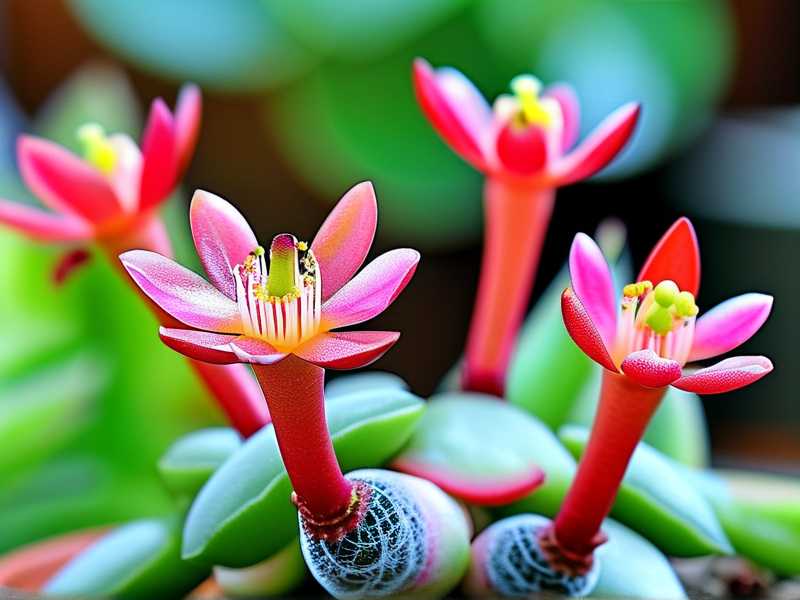
Jade plant flowers are small, star-shaped, and white or pale pink. They grow in clusters called panicles.
They appear in late winter to early spring. For me, it was February.
The flowers last about 4-6 weeks. They have a faint, sweet scent that’s stronger in the evening.
When flowers appear:
- Keep the plant stable. Don’t move it or change conditions
- Continue minimal watering
- Don’t deadhead until the panicle completely dries
- Enjoy the rare event
Some plants produce hundreds of flowers. Others only a few. It depends on age, health, and conditions.
After Flowering: What to Do Next
Once flowering ends, the plant needs a rest.
Step 1: Cut off spent flower stalks at the base.
Step 2: Resume normal watering (but still let soil dry between waterings).
Step 3: Begin light fertilizing in spring.
Step 4: Move the plant to brighter conditions for summer growth.
I’ve found that plants that flowered one winter often flower again the next year, but only if you repeat the same cold treatment.
FAQ: Answers to Your Burning Questions
Why are my jade plant buds falling off before opening?
This happened to me twice. The most common reasons are:
- Temperature fluctuations (too warm or too cold)
- Inconsistent watering (letting it dry out too much after buds form)
- Poor light (buds need energy to open)
Solution: Keep conditions stable once buds appear. Avoid moving the plant. Maintain consistent night temperatures.
Can jade plants flower indoors every year?
Yes, but it’s not guaranteed. Mature plants (3+ years old) are more likely to flower annually. Younger plants need time to establish.
I’ve had success every winter for the past three years by sticking to the cold night routine. Consistency is the key.
How long do jade plant flowers last?
Typically 4-6 weeks. The flowers open gradually, starting from the bottom of the panicle. Each individual flower lasts about a week.
After flowering, the panicle will dry and turn brown. That’s when you can trim it off.
Final Thoughts From Someone Who Failed First
I killed four jade plants before I saw a single flower. I overwatered, underlit, and overfed them.
The secret isn’t complexity. It’s patience and letting the plant experience natural winter conditions.
To recap what worked for me:
- Cold nights (10-13°C)
- Bright direct sun (4-6 hours daily)
- Minimal winter watering (every 3-4 weeks)
- Terracotta pot with drainage
- No fertilizer in winter
- Good air circulation
These five cold-month secrets transformed my jade plants from green blobs into flowering beauties. I genuinely believe anyone can do this.
The first time you see those pale pink flower clusters, you’ll understand why it was worth the wait. They’re small but meaningful. They feel like a reward for paying attention.
So give it a try. Start this winter. Your jade plant might surprise you.





