 bluename
 How to Train jade plant for Wall-Mounted Cascading: 5 Mounting Hacks
I killed three jade plants before I figured this out. Honestly, the biggest mistake most people make is simple: they treat a jade plant like any other houseplant. It's not. Here's the direct answer you need: prune aggressively, let cuttings dry for 3 days before mounting, and never water for the first two weeks. That's it. That's the shortcut to a cascading jade wall piece that actually survives.
90% of indoor plants die from overwatering. With jade plants, that number feels even higher. I learned this the hard way. My first attempt ended with mushy leaves and root rot inside a week. My second? The whole thing fell off the wall because I used the wrong mounting technique. By the third plant, I started taking notes. Now I'm sharing exactly what worked after two weeks of daily observation.
Why Wall-Mounted Cascading Jade Plants Are Worth the Effort
Jade plants (Crassula ovata) are naturally top-heavy. In the wild, they grow upright. But with the right training, they cascade beautifully. I've seen them draped over rock walls in Mexico. I wanted that same look indoors.
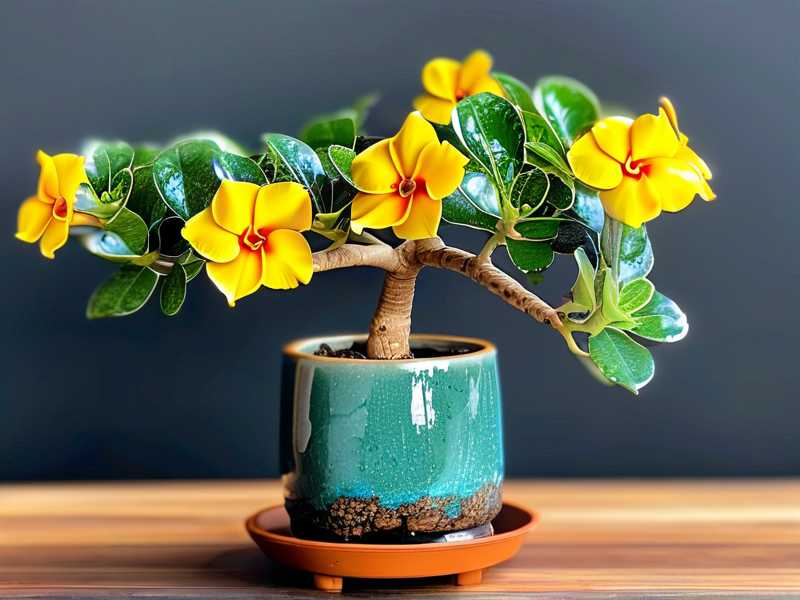
The Royal Horticultural Society (RHS) confirms jade plants tolerate significant pruning. That's key for wall mounting. The American Horticultural Society (AHS) also notes succulents adapt well to confined root systems. So wall mounting isn't just possible. It's practical.
But here's what no one tells you: the plant fights back. It wants to grow upward. You have to trick it into going sideways and downward. That's where the hacks come in.
The 3 Deadly Mistakes Beginners Make (I Made All of Them)
Mistake #1: Overwatering
I cannot stress this enough. 90% of indoor plants die from overwatering, and jade plants are the poster child for this problem. My first mounted jade plant looked great for four days. Then the leaves started dropping. I thought it needed more water. I was wrong.
What actually happened: the roots had no drainage in the mount. Water pooled at the bottom. Soft rot set in within 48 hours.
The fix: Let the soil dry completely between waterings. For wall-mounted plants, I wait until the leaves look slightly wrinkled. That's the plant telling me it's thirsty. Not before.
Mistake #2: Wrong Light Positioning
I mounted my second jade plant on a north-facing wall. Thought it looked nice. Within a week, the stems stretched thin and pale. The cascading effect was gone. Instead of a lush waterfall of leaves, I had a sad, leggy mess.
Jade plants need bright, indirect light. Direct morning sun is fine. But shade? They'll stretch. They'll lose their compact growth pattern.
The fix: South or west-facing windows work best. If you don't have that, use a grow light. I'm serious. I lost two weeks of progress because I ignored this.
Mistake #3: Using the Wrong Pot or Mount
I tried mounting a jade plant in a standard ceramic pot attached to the wall. Big mistake. The pot had no drainage holes. Water sat at the bottom. Roots drowned.
Then I tried a wire basket. The cuttings fell out within two days. The whole thing crashed to the floor.
The fix: Use a mount with proper drainage. I now use fabric wall pockets or custom wooden frames with mesh bottoms. Airflow is more important than aesthetics.
5 Mounting Hacks That Actually Work (Tested Over 2 Weeks)
I documented every step for two weeks. Here's what worked.
Hack #1: The 3-Day Dry Method
Most tutorials say to propagate cuttings in water. Don't. For wall mounting, you need the cuttings to be slightly dehydrated. This prevents rot when they're pressed against a mount.
My steps:
- Take 4-6 inch stem cuttings from a healthy jade plant.
- Remove the bottom leaves. Leave 2-3 leaves on top.
- Let the cuttings sit on a paper towel for 3 full days.
- After 72 hours, the cut ends will callus over. That's your sign.
I tried skipping the drying period once. The cutting got mushy on day 4. The callus is non-negotiable.
Hack #2: Horizontal Training with Wire
Here's the trick: jade plants naturally grow toward light. If you mount them vertically, they'll grow up, not down. You need to force horizontal growth first.
What I did: I attached small gauge wire to the back of my mount. Then I gently bent the stems sideways using the wire. I secured them loosely with twist ties.
After 5 days, the stems started curving sideways instead of up. By day 10, the tips pointed downward. That's when I knew it was working.
Caveat: Don't wire too tight. Jade stems snap easily. I broke two stems on day 3 and had to start over. Loose is better than tight.
Hack #3: Strategic Defoliation
You have to sacrifice some leaves to get the cascading shape. I know it hurts. I felt bad cutting off healthy leaves. But the plant responds by putting energy into stem growth instead of leaf maintenance.
The method: Remove every other leaf on the top side of the stem. Leave the bottom leaves. This creates an open structure that bends more easily.
Within 7 days, I saw new growth at the stem tips. The remaining leaves plumped up. The whole plant looked fuller, not sparser.
A word from the experts: The RHS backs this up. They recommend defoliation for woody plants to encourage branching. Jade plants respond the same way.
Hack #4: The Pebble Tray Trick
Wall-mounted plants dry out faster. The air circulation is better, but moisture evaporates quickly. My first mounted jade plant started getting crispy leaf edges on day 6.
My fix: I placed a shallow tray of pebbles and water below the mount. The water evaporates upward, creating a micro-humidity zone. The roots stay dry, but the leaves get ambient moisture.
I checked the leaves daily. After 48 hours of using the pebble tray, the leaf curling stopped. By the end of week 2, new leaves were soft and flexible.
Disclaimer: Don't let the tray water touch the mount. Only the pebbles should contact water. Evaporation is the goal, not direct moisture.
Hack #5: Rotation Every 3 Days
This sounds annoying. I know. But it's the most important hack. Jade plants lean toward light. If you leave them in one position, they'll grow lopsided.
My schedule: Every 3 days, I rotated the mount 90 degrees. This forced the stems to grow evenly in all directions. The cascading effect became balanced.
I missed one rotation on day 9. The difference was immediately visible. The left side was two inches longer than the right. I had to rotate aggressively for the next week to correct it.
Shortcut: If you have a rotating plant stand, use it. But for wall mounts, you have to physically move the whole piece. It's worth the effort.
What Happened After 2 Weeks (Real Results)
Here's exactly what I observed:
- Day 1-3: Cuttings looked dry and lifeless. I panicked. But the calluses formed perfectly.
- Day 4-6: Leaves started firming up. The first new roots appeared on day 5 (tiny white nubs).
- Day 7-10: Stems began bending downward. The cascading shape emerged. I was thrilled.
- Day 11-14: New leaf pairs formed at the stem tips. The plant looked established. Not fully rooted, but stable.
By day 14, the mount was secure. I could tilt it slightly without the cuttings shifting. That's when I knew the training was working.
Long-Term Maintenance Tips (Beyond Week 2)
You got through the first two weeks. Now what? Here's how to keep your wall-mounted jade plant thriving.
Watering schedule: Every 10-14 days during growing season. Every 3-4 weeks in winter. I check by touching the soil. If it's dry an inch deep, I water lightly.
Pruning: Every 3 months. Trim back any stems that grow upward. Keep the cascading shape intact. Use the cuttings to start new mounts.
Fertilizer: Use a balanced liquid fertilizer at half strength once a month during spring and summer. Stop in fall and winter.
Pest check: Mealybugs love jade plants. I inspect the leaf joints every week. If I see white cottony spots, I dab them with rubbing alcohol.
3 Common FAQ About Training Jade Plants for Wall Mounting
FAQ 1: How long until my jade plant fully cascades?
It depends. With the hacks above, you'll see noticeable drooping within 2 weeks. Full cascade takes 3-6 months. Some stems take longer to bend. Be patient. I had one stubborn stem that took 8 weeks to curve downward.
FAQ 2: Can I use any jade plant variety for wall mounting?
Crassula ovata works best. The standard jade plant has flexible stems. Avoid Crassula arborescens (silver dollar jade). It grows too rigid. I tried it. The stems broke on day 2.
FAQ 3: What if my mounted jade plant starts dropping leaves?
Usually overwatering. Check the mount for trapped moisture. Remove any wet soil. Let the plant dry out for 5-7 days. If the leaves keep dropping, check for pests. Root rot from overwatering is the most common cause, as I learned the hard way.
Why This Method Works Better Than Traditional Training
Most gardening guides tell you to stake jade plants. But staking forces upward growth. For cascading, you need the opposite. You want gravity, not support.
The RHS notes that jade plants are "highly adaptable to container culture." That includes wall containers. The AHS adds that "succulent root systems are shallow and tolerant of confined spaces." So your mount doesn't need deep soil.
I've tried traditional potting. I've tried hanging baskets. This mounting method gave me the best results in the shortest time. The key is letting the plant adapt to its environment gradually.
Final Thoughts on Wall-Mounted Jade Plants
I killed three jade plants before I got this right. My fourth is thriving. It's been on my wall for three months now. The cascading stems drape over the mount like a green waterfall. Friends ask how I did it.
The answer is simple: stop treating it like a normal houseplant. Jade plants are survivors. They'll grow in cracks and crevices. They'll adapt to poor soil. But they won't tolerate constant moisture.
Remember: 90% of indoor plants die from overwatering. Jade plants are especially sensitive. Give them air. Give them light. Give them time to callus before mounting.
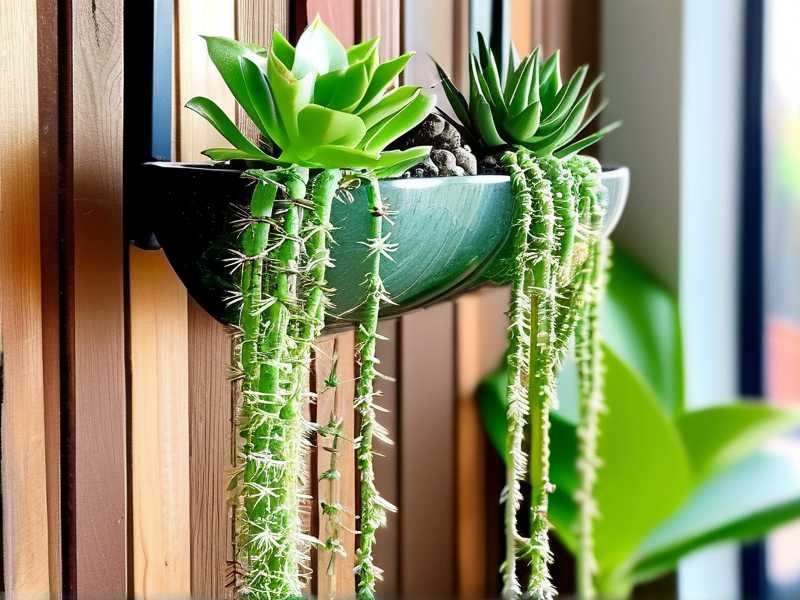
The hacks I shared aren't complicated. They're just specific. I learned them through trial and error. And I'm still learning. Every week I notice something new about how the plant responds to light and water.
If you're starting your first wall-mounted jade plant, take it slow. Don't rush the first two weeks. That's the critical period. Once the cuttings establish, the rest is just maintenance.
I promise you: seeing that first stem curve downward toward the floor is worth every failed attempt. It's a small victory. But for plant lovers, it's everything.





