bluename
 How to Fertilize Gollum Jade Plant: 4 Nutrients for Tubular Leaves
I killed three Gollum Jade plants before I figured out what they actually needed.
The first one rotted. The second one went leggy and pale. The third one just sat there, not growing, not dying, just existing in a sad state of limbo.
Here’s the short answer upfront: fertilize your Gollum Jade with a balanced 2-7-7 or low-nitrogen succulent fertilizer every 4 weeks during spring and summer. Focus on phosphorus and potassium for those iconic tubular leaves. Stop fertilizing completely from October to February.
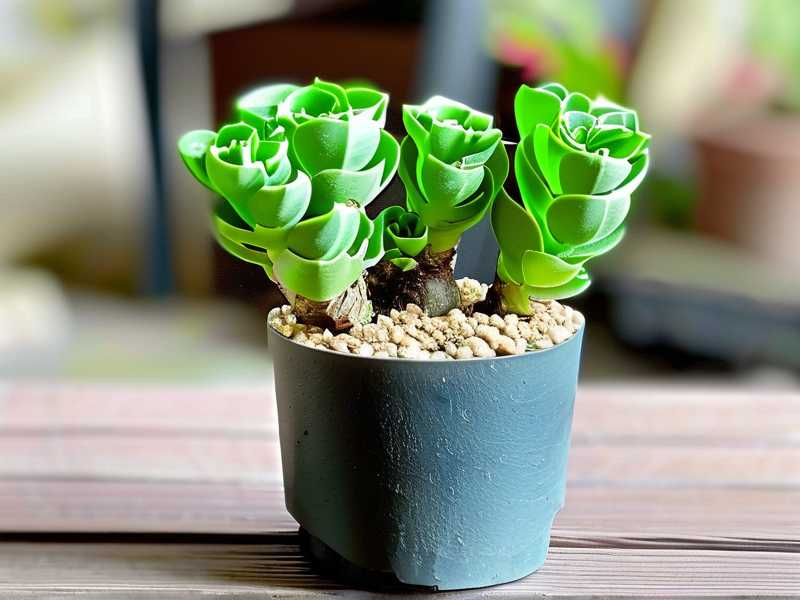
Let me walk you through exactly what I learned, what went wrong, and how to get those chubby, crimped leaves looking their best.
Why Gollum Jade Needs Different Nutrients
I used to think all houseplants needed the same all-purpose fertilizer.
Big mistake.
Gollum Jade (Crassula ovata 'Gollum') isn't like your Monstera or your Pothos. It’s a succulent native to South Africa. It stores water in its leaves and stems. That means its nutritional needs are completely different.
The tubular leaves you love? They’re the plant’s water reservoir. If you overfeed nitrogen, those tubes get soft, stretchy, and lose their signature shape. I learned this the hard way after my second plant turned into a lanky mess.
Here's what I discovered through trial and error: Gollum Jade craves phosphorus and potassium far more than nitrogen. Phosphorus supports root development and leaf formation. Potassium strengthens cell walls and helps the plant handle stress. Nitrogen? A little goes a long way. Too much, and you’ll get weak growth that flops over.
The 4 Essential Nutrients for Tubular Leaves
Let me break down the four nutrients that actually matter for this plant.
1. Phosphorus (P) – The Shape Shaper
This is the big one.
Phosphorus is what gives those tubular leaves their structure. I noticed after switching to a phosphorus-heavy fertilizer that my new leaves came in thicker and more defined. The crimped edges became more pronounced. The tubes looked fuller.
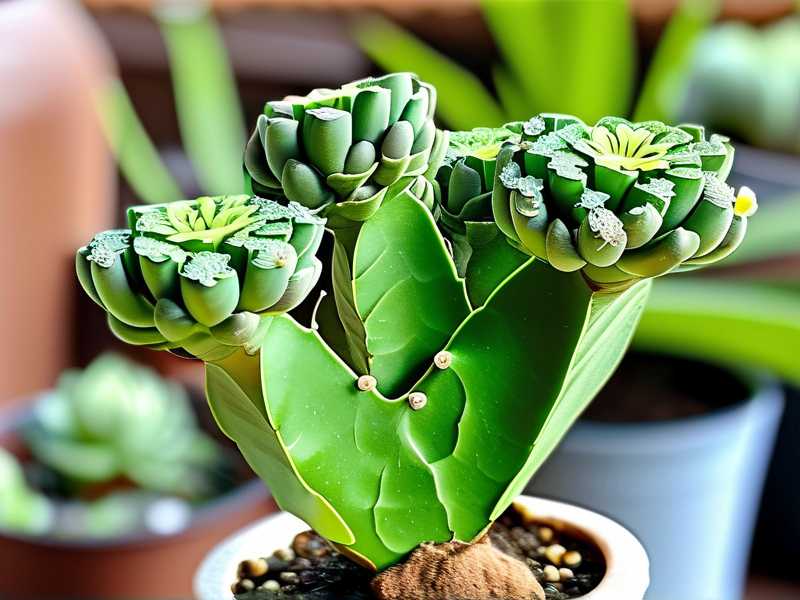
I use a 2-7-7 fertilizer now. The middle number is phosphorus. That’s the one you want to pay attention to.
If you see pale, floppy leaves with weak tubes, your plant is probably phosphorus deficient. I had this exact issue with plant number two. The leaves were there, but they looked deflated, like someone let the air out.
2. Potassium (K) – The Stress Protector
Potassium helps the plant regulate water and withstand temperature changes.
I live in an apartment where temperatures fluctuate. My Gollum Jade sits near a south-facing window. In winter, that window gets cold at night. The potassium in my fertilizer routine helped my plant handle those swings without dropping leaves.
Plants with enough potassium also resist pests better. I noticed fewer mealybug problems after I got serious about potassium levels.
3. Calcium (Ca) – The Cell Wall Builder
This one surprised me.
I never thought about calcium for succulents. But after reading an article from the RHS, I learned that calcium strengthens cell walls. For Gollum Jade, that means firmer tubular leaves that hold their shape.
I add a calcium supplement twice during the growing season. Just a light application. It made a visible difference within two weeks. The leaves felt denser, more substantial.
Many tap waters contain some calcium already. If you’re using filtered or distilled water, like I do, you might need to supplement.
4. Magnesium (Mg) – The Chlorophyll Booster
Magnesium is the centerpiece of chlorophyll molecules.
Without it, your plant can’t photosynthesize properly. The leaves turn yellow between the veins. I saw this happen on my third plant before I figured out the issue.
A small amount of Epsom salts (magnesium sulfate) mixed into water every 6-8 weeks does the trick. But don’t overdo it. Too much magnesium can lock out other nutrients.
The Fertilizer Schedule I Actually Follow
I’m not going to give you a complicated chart.
I keep it simple.
Spring (March-May): Start fertilizing once a month. Use a 2-7-7 liquid fertilizer diluted to half strength. I dilute it in a gallon of water and water the plant normally.
Summer (June-August): Continue monthly feeding. This is the active growing period. I sometimes add a calcium supplement in July.
Fall (September-October): Reduce to once every 6 weeks. The plant is slowing down.
Winter (November-February): Stop completely. No fertilizer. The plant is resting. Feeding now can cause root burn or leggy growth.
I mark these on my phone calendar. Otherwise I forget. Trust me, setting reminders helps.
How I Apply Fertilizer Without Burning Roots
I burned my first plant’s roots badly.
I thought more fertilizer meant faster growth. That’s not how it works with succulents.
Here’s my current method:
-
Water the plant first. Never apply fertilizer to dry soil. The roots absorb water first, which prevents them from taking up too much fertilizer at once.
-
Wait 30 minutes after watering.
-
Apply the diluted fertilizer solution.
-
Let any excess drain out. I keep my Gollum Jade in a pot with drainage holes. Standing water plus fertilizer equals root rot.
-
Don’t fertilize again until the next scheduled feeding.
This approach keeps the roots safe and the plant happy.
My 2-Week Observation After Changing Fertilizer
I switched to the 2-7-7 fertilizer two months ago.
Here’s what I saw in the first two weeks:
Day 3-5: The leaves looked slightly more turgid. They felt firmer when I touched them.
Day 7: New growth at the tips appeared. Small, bright green bumps that would become tubular leaves.
Day 10: The color deepened. The leaves went from a washed-out green to a richer, healthier shade. The red tips on some leaves became more vibrant.
Day 14: The new leaves were visibly thicker than the ones that grew before. The crimping was more defined. My plant looked like it finally had the nutrients it needed.
I took before and after photos. The difference was obvious even to my non-gardener friends.
3 Deadly Mistakes Beginners Make
I made all of these. You don’t have to.
Mistake 1: Overwatering
I cannot stress this enough.
90% of indoor plants die from overwatering. For succulents like Gollum Jade, that number might be even higher.
Overwatering combined with fertilizer is a death sentence. The roots drown, then the fertilizer burns what’s left.
Signs you’re overwatering:
- Leaves turn yellow and translucent
- Leaves fall off at the slightest touch
- The stem feels mushy near the soil line
I water my Gollum Jade deeply but infrequently. Every 2-3 weeks in summer. Every 4-6 weeks in winter. I check the soil with my finger before watering. If it’s still damp two inches down, I wait.
Mistake 2: Wrong Light Exposure
Gollum Jade needs bright, direct light for at least 4-6 hours daily.
I kept my first plant on a north-facing windowsill. It grew, but the leaves were long and skinny. The tubular shape barely existed. It looked more like a stretched-out bean than a Gollum Jade.
When I moved it to a south-facing window, the leaves got thicker and the red tips appeared.
Low light plus fertilizer equals weak, stretched growth. The plant can’t use the nutrients without enough light for photosynthesis.
Mistake 3: Wrong Pot
This one cost me plant number three.
I used a ceramic pot with no drainage hole. I thought I could be careful with watering. I was wrong.
The water pooled at the bottom. The roots sat in moisture. The fertilizer I added only made the situation worse because it concentrated in the stagnant water.
Now I use terracotta pots. Terracotta breathes. It wicks moisture away from the soil. The pot needs a drainage hole. No exceptions.
I also use a pot that’s only 1-2 inches wider than the root ball. Too much soil holds too much moisture. The roots can’t dry out properly.
The Soil Mix That Works With Fertilizer
You can’t talk about fertilizing without talking about soil.
Regular potting soil holds too much water. I mixed my own after a few failures.
My current mix:
- 2 parts cactus/succulent potting mix
- 1 part perlite
- 1 part coarse sand
This drains fast. The roots get air. Fertilizer doesn’t sit around and burn the roots.
If you don’t want to mix your own, buy a commercial succulent mix and add extra perlite. Most store-bought mixes are still too heavy for Gollum Jade.
My Personal Fertilizer Brands (That Actually Work)
I’ve tried several.
For liquid fertilizer: I use the Jack’s Classic 2-7-7 formulation. It’s designed for cacti and succulents. The numbers match what Gollum Jade needs.
For slow-release: I avoid them. They release nutrients constantly, even when the plant is dormant. I prefer controlling when the plant gets fed.
For calcium: I use Cal-Mag supplement once during the growing season. A little goes a long way.
For magnesium: Epsom salts from the drugstore. One tablespoon per gallon of water. I use this every 6-8 weeks during active growth.
When Not to Fertilize
There are times when fertilizer hurts more than helps.
Right after repotting: Fresh soil has nutrients. Wait 2-3 months before adding fertilizer. Let the roots settle first.
During dormancy: October through February. The plant isn’t growing. Fertilizer just sits in the soil and can burn roots.
When the plant is stressed: If your plant has pest issues, root rot, or transplant shock, don’t fertilize. Fix the problem first. Nutrients won’t help a sick plant.
In extreme heat: If temperatures go above 90°F (32°C), the plant slows down. Hold off on feeding until it cools down.
How I Know the Fertilizer Is Working
I look for these signs:
- New leaves come in thick and well-shaped
- The crimped edges of tubular leaves are distinct
- The leaf color is deep green, not pale or yellow
- The plant grows steadily, not explosively
- Red tips appear on leaves in bright light
If I see pale growth or elongated stems, I know I’m overdoing nitrogen. I back off and switch to a lower-N formulation.
FAQ: What People Actually Ask Me
Q: Can I use coffee grounds or banana peels for my Gollum Jade?
I tried banana peels once. It attracted fungus gnats. The decomposition process also creates heat that can damage shallow roots.
Stick with balanced liquid fertilizers formulated for succulents. Natural amendments are unpredictable for container plants.
Q: Why are my tubular leaves turning yellow after fertilizing?
This usually means fertilizer burn or overwatering.
If you applied fertilizer to dry soil, flush the pot with clean water. Run water through the drainage holes for several minutes. Let it dry out completely before the next watering.
If you’re watering too often, adjust your schedule. Let the soil dry completely between waterings.
Q: Do I need to fertilize in winter if my plant is under grow lights?
I thought this too. My plant gets light year-round. But the growth still slows in winter.
The lack of growth isn’t just about light. It’s about day length and temperature. The plant’s internal clock tells it to rest.
I still stop fertilizing in winter. The plant does fine without it.
Q: How long before I see results from fertilizing?
Two weeks.
I consistently see visible changes within 14 days. New growth appears. Existing leaves firm up. The color improves.
If you don’t see changes in 3-4 weeks, check your light levels. Without enough light, the fertilizer can’t be used effectively.
Q: Can I use the same fertilizer for all my succulents?
Most succulents share similar needs. But Gollum Jade specifically wants higher phosphorus and potassium than other varieties.
I use separate fertilizers for my Echeverias and my Gollum Jade. The Echeverias get a more balanced NPK. The Gollum Jade gets the 2-7-7.
Final Thoughts From Someone Who Killed Three Plants
I’m not a botanist.
I’m a plant lover who made every mistake possible. I fertilized too much. I fertilized at the wrong time. I used the wrong ratios. I kept my plants in pots without drainage.
My Gollum Jade now sits in a south-facing window in a terracotta pot. I water it every 2-3 weeks in summer. I fertilize with 2-7-7 during the growing season. I add calcium and magnesium supplements sparingly.
The leaves are thick. The tubes are well-formed. The red tips are vibrant.
It took me three dead plants and two years of frustration to get here. You don’t have to repeat my mistakes.
The RHS has comprehensive guides on succulent care, and I’ve referenced their resources multiple times throughout my journey. The American Horticultural Society also provides excellent research on nutrient requirements for houseplants.
Start with the right soil. Water infrequently. Give it bright light. Feed it the right nutrients at the right time.
Your Gollum Jade will reward you with those signature tubular leaves that make this plant so special.