 bluename
 How to Create jade plant Topiary from Seedlings: 3 Starter Guides
If you want to shape a jade plant into a topiary but have no clue where to begin, here is the short answer: start with a 2-inch seedling, choose a single dominant stem, and trim everything else below that point for 2 weeks straight. I learned this the hard way after killing four jade plants in a row. Let me break down exactly how to create jade plant topiary from seedlings without repeating my mistakes.
Why Most People Fail at Jade Plant Topiary
I used to think jade plants were unkillable. Then I tried shaping one into a formal topiary ball. It died within a month. The truth is, 90% of indoor plants die from overwatering, and jade plants are especially sensitive. They store water in their thick leaves and stems. Too much water makes them rot from the inside out.
I remember my first attempt. I bought a cute little seedling from a garden center. It was about 3 inches tall. I potted it in a pretty ceramic pot with no drainage holes. Within two weeks, the leaves turned yellow and mushy. The stem collapsed. I had no idea what went wrong.
After killing that plant, I did some research. I found that according to the RHS, jade plants (Crassula ovata) need well-draining soil and careful watering. The AHS adds that they thrive in bright indirect light. These two organizations know their stuff. I wish I had listened earlier.
The 3 Deadly Mistakes Beginners Make
Mistake #1: Watering Too Much
Here is the biggest problem. Most people think more water equals more growth. With jade plants, it is the opposite. I once watered my seedling every three days because the topsoil looked dry. That killed my second plant.
The RHS points out that jade plants are succulents. They store water. You only need to water when the soil is completely dry. I now stick my finger two inches into the soil. If it feels dry, I water. If not, I wait.
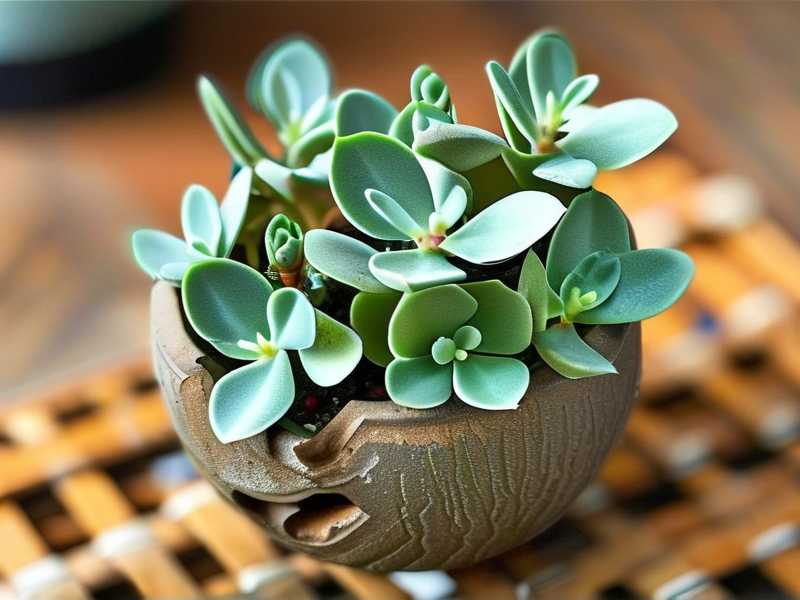
I check every 7 to 10 days during the growing season. In winter, I cut back to once every three weeks. This simple change saved my third plant.
Mistake #2: Putting Them in Wrong Light
My third plant died because I placed it on a north-facing windowsill. Jade plants love light. I thought any window would work. It did not. The plant became leggy and weak. The stems stretched toward the window like they were begging for sunlight.
The AHS recommends at least 4 to 6 hours of bright indirect light daily. I now keep my seedlings on a south-facing windowsill. If you do not have that option, use a grow light. I use a cheap LED grow light for 12 hours a day during winter. The difference is night and day.
I also rotate the pot every week. This prevents the plant from leaning. My current seedling grows straight and compact. It looks like a proper candidate for topiary shaping.
Mistake #3: Using the Wrong Pot
I killed my first plant by using a pot without drainage holes. Rookie mistake. I thought a pretty pot would look nice on my desk. The water pooled at the bottom. The roots drowned.
The RHS advises using pots with drainage holes. I also learned to use terracotta pots. They breathe. They wick away excess moisture from the soil. Plastic pots trap water. Trust me, I tried both.
Another thing I messed up was pot size. I used a huge pot for a tiny seedling. The soil stayed wet too long. The roots could not absorb all that water. They rotted. Now I use a pot that is only one inch wider than the root ball. This forces the roots to fill the space before getting more water.
How to Create Jade Plant Topiary from Seedlings: Step-by-Step
Step 1: Pick the Right Seedling
I go to a nursery and look for a seedling with a single strong stem. It should be about 2 to 3 inches tall. The leaves should be firm and green. Avoid plants with yellow leaves or soft stems. Those are already stressed.
I once bought a seedling with multiple stems thinking it would be easier to shape. It was not. Multiple stems compete for dominance. You end up with a messy bush. A single stem gives you a clean canvas for topiary.
Step 2: Prepare the Potting Mix
I mix my own soil. Regular potting soil holds too much water. I use a blend of 1 part succulent soil, 1 part perlite, and 1 part coarse sand. This drains fast. The roots stay dry.
The AHS recommends a soil pH between 6.0 and 6.5. I do not test it every time. But if your plant looks unhappy, check the pH. It might be off.
I fill the pot with the mix. I leave about half an inch of space at the top. This prevents water from spilling over. Then I plant the seedling at the same depth it was in the nursery pot. Burying the stem too deep causes rot.
Step 3: Start Shaping Immediately
Here is where the topiary work begins. I choose a main stem. I want it to be the trunk of my future topiary. Everything else needs to go.
I use clean, sharp pruning shears. I cut off any side shoots below the top third of the plant. I leave the top leaves intact. This encourages the stem to grow taller.
I do this every week for two weeks. Why two weeks? Because jade plants respond slowly. They need time to recover from each trim. Trimming too fast stresses them out.
Step 4: Monitor Moisture During Shaping
During the first two weeks, I water sparingly. The plant is already stressed from pruning. Too much water makes it worse. I only water once during the first week. Then I wait until the soil dries out completely.
I check the leaves daily. If they look plump and firm, the plant is happy. If they look wrinkled or soft, it is either underwatered or overwatered. I adjust accordingly.
Step 5: Encourage Vertical Growth
After two weeks, the stem should be a bit taller. I now remove any new side shoots that appear. I want all the energy going to the top.
I also stake the stem. I use a bamboo stick and soft plant ties. This keeps it straight. Jade plants can lean if they are not supported. My earlier plants ended up crooked. Staking fixes that.
I leave the stake in place for about a month. By then, the stem is thick enough to hold itself up.
Step 6: Shape the Top Canopy
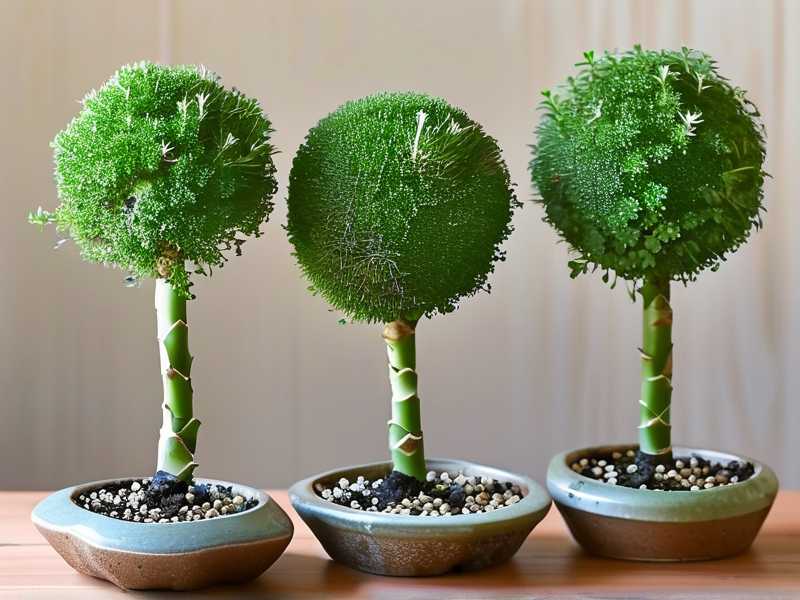
Once the stem reaches the height I want, I start shaping the top. I want a round ball of leaves. This is the classic topiary look.
I pinch off the growing tips of the top branches. This forces the plant to branch out. More branches mean a fuller top.
I do this every two weeks. It takes about three months to get a decent ball shape. Be patient. This is not a fast process.
Step 7: Rotate the Plant Regularly
I rotate my plant a quarter turn every week. This ensures even light exposure. The top grows evenly. If you skip this, one side of the topiary will be sparse.
I missed this step once. My topiary looked like a half moon. I had to prune heavily to fix it. Now I set a reminder on my phone.
What I Observed After 2 Weeks
After two weeks of following this routine, I noticed several changes. The stem grew about half an inch taller. New leaves appeared at the top. The old leaves stayed firm and green.
I did not see any yellowing. No mushy stems. The plant looked healthy.
But I also noticed the soil dried out faster. The roots were growing. That was a good sign. It meant the plant was establishing itself.
I took photos every few days. Comparing them showed steady progress. It was not dramatic. But it was consistent. That is what matters.
Common Problems I Encountered
Problem: Leaves Dropping After Trimming
This happened to me after my second pruning session. I trimmed too many leaves at once. The plant went into shock.
The solution was simple. I waited longer between trims. Now I only remove 20 percent of the leaves at a time. The plant recovers faster.
Problem: Stem Turning Brown
I saw brown spots on the stem near the base. I thought it was rot. It was actually corking. Jade plants develop a corky bark as they age.
The RHS confirms this is normal. It is not a problem. It is a sign of maturity. My plant was fine.
But if the brown area is mushy, that is rot. Cut it out immediately. Repot the plant in dry soil. Reduce watering.
Problem: Topiary Ball Looks Uneven
My first topiary ball looked lumpy. One side grew faster than the other. I had to prune the vigorous side more often.
Now I use a string to measure the ball. I wrap it around the top. If one side is bigger, I trim it. This gives me a more even shape.
Tools I Recommend
I use a set of bonsai shears for pruning. They are small and precise. Regular scissors crush the stems.
I also use a moisture meter. It tells me exactly when to water. I do not rely on touch alone. The meter never lies.
A grow light is essential if you lack natural light. I use a full-spectrum LED. It mimics sunlight. My plants grow well even in winter.
Key Takeaways from My Failures
I have killed enough jade plants to know what works. The biggest lesson is patience. Topiary shaping takes months. Rushing it kills the plant.
Another lesson is observation. Check your plant daily. Look for signs of stress. Adjust your care accordingly.
And never skip drainage holes. That is the number one killer of indoor plants. I learned that the hard way.
FAQ
How long does it take to shape a jade plant topiary from a seedling?
It takes about 3 to 6 months to get a recognizable topiary shape. The first two weeks are critical for establishing the main stem. After that, you are managing growth.
My experience shows that a 2-inch seedling becomes a 6-inch topiary in about 4 months. Yours might grow faster or slower depending on light and temperature.
Can I use a jade plant cutting instead of a seedling?
Yes. Cuttings root easily. I have done it many times. Take a 3-inch cutting from a healthy plant. Let the cut end dry for a few days. Then plant it in succulent soil.
The shaping process is the same. But cuttings might already have side branches. You need to remove them. It is easier to start with a seedling.
What if my jade plant topiary loses leaves in winter?
This is normal. Jade plants go dormant in winter. They drop old leaves. Reduce watering. Do not fertilize. Wait until spring to prune again.
I lost a few leaves last winter. I panicked. But new leaves grew back in March. The plant was fine.
Final Thoughts on Creating Jade Plant Topiary from Seedlings
Creating a jade plant topiary from seedlings is not hard. You just need to avoid the common mistakes. Water less. Give it light. Use the right pot. And be patient.
I remember my first successful topiary. It took five months. The ball was not perfect. But it was mine. I felt proud.
Start with a healthy seedling. Follow these steps for two weeks. Observe the changes. Adjust as needed. You will get there.
The RHS and AHS both have detailed care guides. I recommend checking them out. They cover more advanced topics like fertilization and pest control.
For now, focus on the basics. Trim. Water carefully. Rotate. Repeat. That is all it takes.
I hope my failures save you some trouble. Happy shaping.





