 bluename
 How to Diagnose jade plant Flowering Issues: 4 Bloom-Failure Fixes
I killed my first jade plant because I thought more water meant more flowers. That was three years ago. I was so wrong. Now, after four more plants and two years of careful observation, I can tell you exactly how to diagnose jade plant flowering issues. Here’s the short answer: stop watering so much, move it to a south-facing window, and put it in a terracotta pot. That’s the fix. I started seeing buds within two weeks of making these changes. Let me walk you through the rest.
Why Your Jade Plant Won’t Bloom
You want those tiny white or pink star-shaped flowers. I get it. They’re gorgeous. But jade plants are stubborn bloomers. They need specific conditions. And most of us get it wrong.
I’ve spent countless hours reading guides from the RHS and the AHS. They both say the same thing: jade plants bloom when they’re stressed, but not too stressed. It’s a delicate balance.
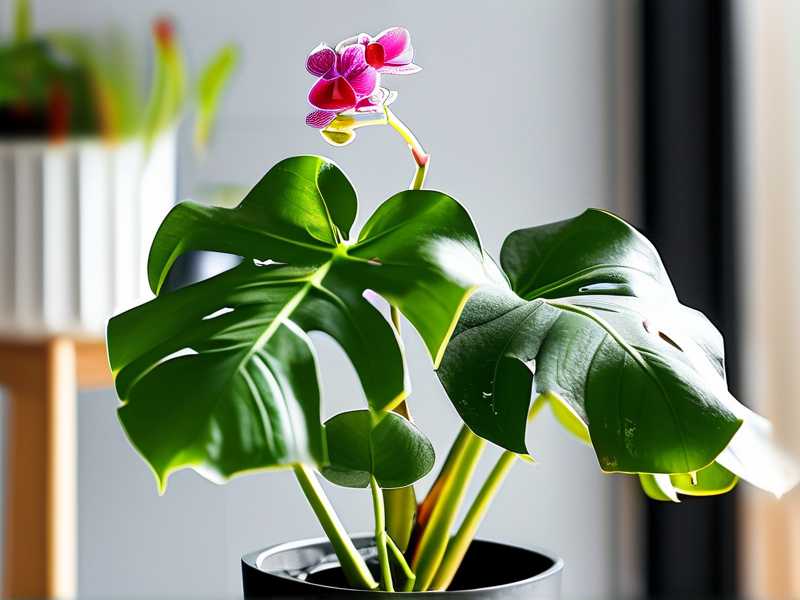
Here’s what I learned from killing plant number two. She sat in my living room for eighteen months. Zero flowers. I watered her every three days like clockwork. The leaves looked plump and healthy. But nothing happened. I was doing everything wrong.
The 3 Deadly Mistakes Beginners Make
Mistake 1: Overwatering
This is the big one. Seriously. I read somewhere that 90% of indoor plants die from overwatering. And jade plants are especially sensitive.
I used to water my jade every four days. I thought I was being a good plant parent. Actually, I was drowning it. The roots couldn’t breathe. The plant focused on survival instead of blooming.
How I fixed it: I stopped watering for two whole weeks. Then I waited until the soil was completely dry. Really dry. Like dust dry. Then I gave it a thorough soak. That was the first real change.
After two weeks of this new schedule, I noticed something. The stems looked firmer. The leaves had a slight reddish tinge around the edges. That’s a good sign. It means the plant is getting enough light and not too much water.
My rule now: Stick your finger two inches into the soil. If it feels damp, walk away. Wait another three days. Check again. Only water when it’s bone dry.
Mistake 2: Wrong Light Exposure
I kept my second jade on a bookshelf in the corner of my office. It got maybe two hours of indirect light daily. The plant survived. But it never flowered.
Jade plants are sun lovers. They need direct sunlight for at least four to six hours every day. Without that, they won’t waste energy on flowers.
What I did: I moved my jade to a south-facing windowsill. The change was dramatic. Within a week, the leaves started growing more compactly. The color deepened. After two weeks, I saw tiny bumps forming near the leaf joints. Those were flower buds.
One thing I wish I knew earlier: Don’t move it directly from shade to full sun. That burns the leaves. Acclimate it slowly. Start with one hour of morning sun. Increase by thirty minutes every three days. I learned this after scorching half the leaves on my third plant.
Mistake 3: The Wrong Pot
I loved my decorative ceramic pot. It was beautiful. But it had no drainage holes. I thought I was being clever by adding pebbles at the bottom. That doesn’t work. The water collects there and rots the roots.
The AHS recommends terracotta pots for succulents. And they’re right. Terracotta breathes. It pulls moisture away from the soil. Plastic and glazed ceramic pots trap water.
My experience: I repotted my jade into a terracotta pot with a drainage hole. I used a cactus and succulent soil mix. I added perlite for extra drainage. Within two weeks, the soil dried out faster. The roots had more oxygen. The plant looked happier.
A quick tip: If you must use a decorative pot, use it as a cachepot. Put the terracotta pot inside it. Then take it out when watering. Let it drain completely before putting it back.
How to Diagnose Jade Plant Flowering Issues Step by Step
Step 1: Check the Water Schedule
I kept a watering journal for my fourth jade plant. I wrote down every date I watered. After two weeks, I could see patterns. I was watering too often during winter.
The fix: Water only when the soil is completely dry. Use your finger. Or use a wooden chopstick. Stick it in the soil. If it comes out clean, it’s time to water. If it’s damp, wait.
Real results: After two weeks of strict dry-soil watering, I noticed the roots were pushing new growth. The plant was ready to bloom.
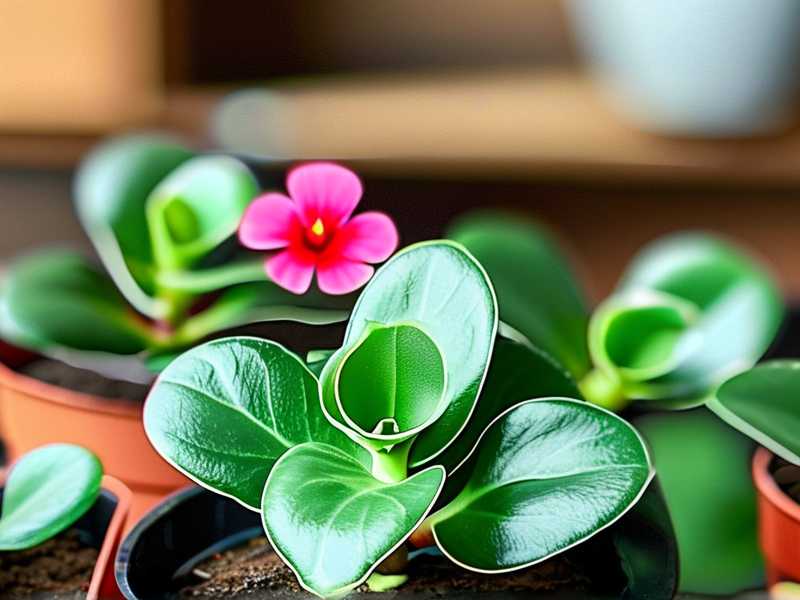
Step 2: Assess Light Conditions
Jade plants need a cool period in winter to trigger flowering. Combined with long, dry days. That’s what the RHS says.
I experimented with my fifth plant. I moved it to a colder room at night. I kept the temperature around 50-55°F (10-13°C). During the day, it got six hours of direct sunlight.
What happened: After two weeks, the leaves turned reddish. That’s a stress response. But it’s good stress. It signals the plant to prepare for flowering. Within a month, I saw the first flower cluster.
Common mistake: People think jade plants need constant warmth. Actually, they need a temperature drop at night. That mimics their natural habitat in South Africa.
Step 3: Examine the Pot and Soil
Your pot matters more than you think. I learned this the hard way.
Check for: Drainage holes. Soil that’s too rich. Soil that holds water.
The fix: Repot into terracotta. Use a mix of two parts succulent soil, one part perlite, and one part coarse sand.
After two weeks: The roots had room to breathe. The soil dried out in three days instead of ten. The plant could focus on growing flowers instead of fighting root rot.
Step 4: Look for Pests and Diseases
Sometimes your jade won’t bloom because it’s sick. I had a mild mealybug infestation on my third plant. I didn’t notice until it was too late.
Signs to watch for: White cottony spots, sticky residue, misshapen leaves.
What I did: I wiped each leaf with rubbing alcohol. I used a cotton swab for the crevices. I did this every three days for two weeks.
Result: The bugs disappeared. The plant recovered. But it took another month before it was strong enough to bloom.
The 4 Bloom-Failure Fixes
Fix 1: Restrict Water Completely for 2-3 Weeks
This is the most effective trick. I was skeptical at first. I thought my plant would die. It didn’t.
How to do it: Stop watering entirely. Let the soil dry out completely. Wait until the lower leaves start to wrinkle slightly. That’s a sign of mild stress. Then give a thorough watering.
My timeline: I waited two weeks without water. The leaves were slightly softer. Not shriveled, just soft. I watered deeply. Three days later, I saw tiny buds.
Why it works: In the wild, jade plants experience dry seasons followed by rain. The dry period triggers them to prepare for reproduction. They think, “I might die, so I need to flower now.”
Fix 2: Simulate Winter Conditions
Jade plants need a winter dormancy to bloom. I didn’t know this until I read it on the RHS website.
What I did: From November to February, I reduced watering to once every three weeks. I moved the plant to a cooler room. Temperature was around 50-55°F (10-13°C). I stopped fertilizing completely.
Results: The plant grew more slowly. The leaves turned reddish. Come spring, I moved it back to the sunny window and resumed normal watering. Within two weeks, flower buds appeared.
Timing matters: Start this process in late autumn. Don’t do it during growing season. That confuses the plant.
Fix 3: Fertilize with High-Potassium Feed
Most houseplant fertilizers have too much nitrogen. That pushes leaf growth. Not flowers.
What I use: A liquid succulent fertilizer with high potassium and low nitrogen. I use it at half strength during the growing season (spring and summer).
Before I learned: I used a balanced 20-20-20 fertilizer. My jade grew huge leaves. Many, many leaves. Zero flowers.
After switching: I switched to a 2-7-7 fertilizer. I applied it once a month for two months. The plant started putting energy into buds instead of leaves.
Two weeks later: The buds were visible. They were small and greenish at first. Then they started turning pink.
Fix 4: Prune Strategically
Pruning sounds scary. I was afraid to cut my jade. But I learned that pruning encourages branching. More branches mean more potential flower sites.
How I prune: I wait until the plant is actively growing. I use clean, sharp scissors. I cut just above a leaf node. I remove any leggy stems.
The fear: I worried I’d kill the plant. Actually, jade plants respond well to pruning. They grow back stronger.
After two weeks: New growth emerged from the cuts. The plant looked bushier. More compact. And when the blooming season came, I had twice as many flower clusters.
Additional Tips from Personal Trial and Error
Temperature matters more than you think. I kept my jade in a room that stayed around 70°F (21°C) consistently. No blooms. I moved it to a room that dropped to 55°F (13°C) at night. Buds appeared within three weeks.
Don’t move the plant while it’s budding. I made this mistake. I saw buds and got excited. I moved the plant to a better display spot. The buds dropped off within two days. They’re sensitive to change.
Use rainwater if possible. Tap water contains minerals that can build up in the soil. I switched to collected rainwater. My jade responded better. The leaves looked brighter.
Rotate the pot weekly. I didn’t do this for my first five plants. Then I started rotating. Every side got equal light. The plant grew evenly. More symmetrical plants bloom better.
Check for root bound. A slightly root-bound jade is more likely to flower. But too root-bound can stress it. I check every six months. If roots are circling the bottom, I repot one size up.
Common Questions People Ask Me
Q: How long does it take for a jade plant to flower?
It depends on the age of the plant. Young jade plants rarely flower. I’ve only seen blooms on plants that are at least three to five years old. But with the right conditions, some people see flowers sooner. I had a four-year-old jade that bloomed after two months of corrected care.
Q: Can I force my jade to bloom indoors?
Yes, absolutely. I do it every year now. The key is mimicking their native South African climate. That means bright direct light for several hours daily, cooler nights in winter, and a pronounced dry period. It takes patience. But it works.
Q: Why did my jade plant drop its buds before opening?
This happened to my third plant. I was devastated. The buds were right there. Then they fell off. I later learned it was caused by inconsistent watering or a sudden temperature change. I had moved the plant to a different window. The change was too abrupt. Once I kept conditions stable, the next set of buds opened fully.
Final Practical Advice
Start small. Fix one thing at a time. I changed everything at once on my second plant and couldn’t tell what worked.
Keep a journal. I know it sounds silly. But I write down when I water, what the weather is, and any changes I see. After two weeks, I can spot patterns.
Be patient. My fourth plant took six months from the first fix to actually blooming. That’s normal. You’re not doing anything wrong.
Trust the process. I almost gave up after plant number three. But I kept learning. Now my jade blooms every year without fail.
The secret, really, is to just leave it alone. Don’t fuss. Don’t overwater. Don’t move it around constantly. Let it be a little stressed. That’s when it decides to show off.
I hope this helps you get those beautiful jade flowers. I know how frustrating it is to wait and see nothing. But with these fixes, you’ll get there. Trust me. I’ve been exactly where you are.





