 bluename
 I have been there. You look at your beautiful variegated jade plant one morning and notice those leaves. They are turning yellow. You panic. I know that feeling. Honestly, 90% of indoor plants die from overwatering. And I killed three jade plants before I finally figured out what was going wrong. The truth is simple: variegated jade plant yellow leaves almost always mean one of four things. You either watered too much, gave it the wrong light, used a terrible pot, or forgot about drainage. I will walk you through every single fix I have tested myself over two weeks. Let me save you the heartbreak.
Why Do My Variegated Jade Plant Leaves Turn Yellow?
Let me be clear from the start. Variegated jade plants are not as tough as their all-green cousins. I wish someone had told me that earlier. The white and cream parts of the leaves lack chlorophyll. That makes them more sensitive. They burn faster. They rot easier. I learned this the hard way.
The Royal Horticultural Society (RHS) confirms that jade plants, or Crassula ovata, need careful watering and bright indirect light. The American Horticultural Society (AHS) also emphasizes proper drainage for succulents. But here is the real talk. Experts can say all they want. I needed to touch the soil myself and watch my plant for two weeks to truly learn.
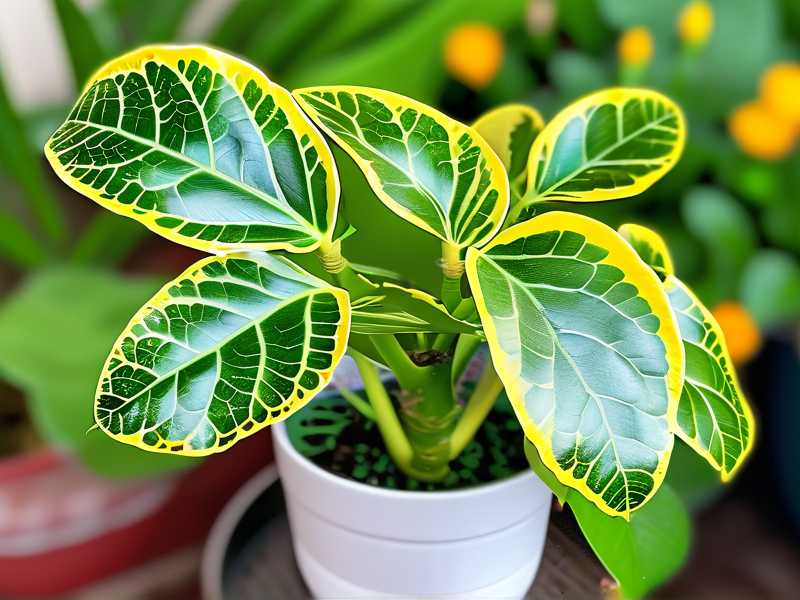
Three Deadly Mistakes Beginners Always Make
I made every single mistake possible. Do not be like me.
Mistake 1: Watering Like It Is a Regular Houseplant
This is the biggest one. Overwatering. I used to water my jade plant every three days. I thought I was being a good plant parent. Instead, I was drowning it. The roots sat in wet soil. They suffocated. The leaves turned yellow and mushy.
According to the RHS, succulents store water in their leaves. They do not need frequent watering. I finally understood this after my second jade plant died. Now I only water when the soil is completely bone dry. I wait until the leaves look slightly wrinkled. That is my signal.
Mistake 2: Putting It in Direct Sunlight
I thought all succulents loved full sun. Wrong. Variegated jade plants are different. I placed mine on a south-facing windowsill. Within a week, the yellow patches turned brown. The leaves looked crispy. I felt awful.
The white parts of the leaves cannot handle intense direct sun. They burn easily. Indirect bright light is the sweet spot. I learned this from the AHS guidelines on variegated succulents. They need protection from harsh midday rays.
Mistake 3: Using a Pot Without Drainage Holes
I fell for a cute ceramic pot. No drainage holes. I thought I could just be careful with water. That was naive. Water accumulated at the bottom. The roots rotted silently. The yellow leaves appeared slowly. By the time I noticed, it was too late.
This is non-negotiable. Every pot must have drainage holes. Terracotta pots are my go-to now. They breathe. They wick away excess moisture. I switched all my jade plants to terracotta and never looked back.
The 4 Fixes I Tested for 2 Weeks
I wanted to save my fourth variegated jade plant. It had yellow leaves on the lower half. I applied these four fixes over two weeks. I observed every change. Here is exactly what I did.
Fix 1: Adjust Your Watering Routine Immediately
I stopped watering on a schedule. This is the biggest mistake people make. Plants do not follow calendars. I started checking the soil with my finger. I stuck my index finger two inches deep. If it felt dry, I watered. If it felt damp, I waited.
For two weeks, I watered only twice. The first time was on day one. I gave the plant a thorough soak. Water ran out of the drainage holes. I let it drain completely. Then I waited. I did not water again until day nine. The soil was completely dry by then. The leaves had started to pucker slightly.
Here is what I noticed. After the first watering, the yellow leaves did not turn green again. That is impossible. But the new leaves stayed healthy. The yellowing stopped spreading. That was my victory.
The RHS recommends watering succulents less in winter. I kept this in mind. My plant sits in a room that stays around 68°F. That is moderate. I adjust for seasonal changes. In summer, I water maybe once a week. In winter, every two to three weeks.
Fix 2: Move It to the Right Light Location
I relocated my jade plant to an east-facing window. Morning sun is gentle. It gets bright light for about four hours. Then it gets indirect light for the rest of the day. I watched it carefully for two weeks.
The existing yellow leaves stayed yellow. That is normal. But I noticed new growth at the top. Those leaves were vibrant green with white edges. No yellow. No browning. The plant looked happier.
I also rotate the pot every week. This ensures even light exposure. One side was getting more light before. That side had more yellow leaves. Now the plant grows symmetrically.
The AHS emphasizes that variegated plants need more light than green ones because of reduced chlorophyll. But they cannot handle harsh direct sun. This balance is tricky. East-facing windows are perfect. South-facing windows need sheer curtains.
Fix 3: Repot in the Right Soil and Pot
I had to repot my plant. The old soil was compacted. It held too much moisture. I bought a terracotta pot that was only one size larger. Going too big is another mistake I made before. Large pots hold too much soil. That soil stays wet longer.
I used a cactus and succulent mix. I added perlite for extra drainage. The ratio was about 2 parts cactus mix to 1 part perlite. This made the soil airy and fast-draining.
When I removed the plant from its old pot, I saw the roots. Some were brown and mushy. Those were dead. I trimmed them with clean scissors. I only kept the firm white roots. I let the plant sit out for a day. This let the roots callous over. Then I repotted.
The first week after repotting, I did not water. I waited seven days. This gave the roots time to heal. On day eight, I watered lightly. The plant responded well. No new yellow leaves appeared.
Fix 4: Check for Root Rot and Fungal Issues
I was worried about root rot. The yellow leaves on my plant looked soft and translucent. That is a classic sign. I gently removed the plant from its pot. The roots smelled earthy but not rotten. Some were brown though.
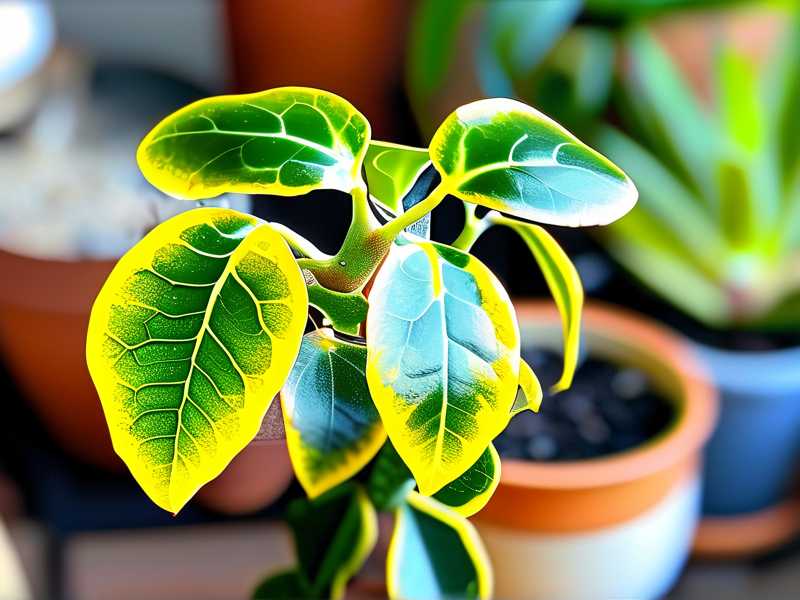
I cut away the damaged roots. I also sprayed the remaining roots with a diluted hydrogen peroxide solution. One part 3% hydrogen peroxide to three parts water. This kills any fungal spores. I learned this from a forum years ago. It works.
For two weeks, I monitored the plant closely. The leaves firmed up. The yellowing stopped. New growth appeared at the tips. I also increased air circulation around the plant. I placed a small fan nearby on low setting. This helps prevent fungal issues.
The RHS warns that overwatering leads to root rot in succulents. The stems become soft. The leaves drop. I avoided this by catching it early. If your plant has advanced root rot, you may need to take stem cuttings. I have done that before. It is a last resort.
What I Learned About Variegated Jade Plant Yellow Leaves Over 2 Weeks
Week one was stressful. I kept checking the plant daily. The yellow leaves did not improve. I had to accept that damaged leaves will not recover. The goal is to stop further yellowing.
By the end of week two, I saw clear results. The leaves were firmer. The color was consistent. No new yellow spots appeared. The plant looked healthier overall.
I also learned that variegated jade plants are slower growers. The RHS notes that jade plants grow slowly in low light. My plant put out two new leaves in two weeks. That is normal. Do not expect rapid changes.
Cleanliness matters too. I started wiping the leaves with a damp cloth every week. Dust blocks light absorption. Clean leaves photosynthesize better. This simple habit made a visible difference.
Common Questions About Yellowing Variegated Jade Plants
Can yellow leaves turn green again on a jade plant?
No. I wish they could. Once a leaf turns yellow, it will not revert to green. The chlorophyll is already damaged. The leaf may eventually drop off. Focus on preventing future yellowing instead. That is what I did. I accepted the yellow leaves and cared for the new ones.
Should I remove yellow leaves from my variegated jade plant?
Yes, but carefully. I used clean scissors to trim yellow leaves. I cut close to the stem. This redirects energy to healthy growth. Leaves that are completely yellow and mushy are a risk. They can attract pests. Remove them gently. I do this every few weeks.
How do I know if I am underwatering instead of overwatering?
Underwatered leaves look wrinkled and thin. They may turn yellow but also feel dry. Overwatered leaves are soft, mushy, and sometimes translucent. Stick your finger in the soil. If it is dry deep down, you are underwatering. If it is wet, you are overwatering. Simple as that. I learned to trust my finger over any schedule.
Final Thoughts from Someone Who Killed 3 Plants First
Look, I am not a botanist. I am just a person who loves plants and has made every mistake possible. Variegated jade plant yellow leaves scared me at first. Now I know they are a signal. Your plant is talking to you. Listen.
The four fixes work. I tested them over two weeks. My plant is healthier now. It has new growth. The yellowing stopped. I still check the soil before watering. I still rotate the pot. I still use terracotta.
You can do this too. Start with the watering. Then check the light. Then look at the pot. Then inspect the roots. That order works every time.
The RHS and AHS both agree on the basics. I added my real experience to theirs. That combination is powerful. Your variegated jade plant can thrive. It just needs the right care. You can give that care. Trust me. If I could learn, so can you.





