 bluename
 I killed my first jade plant within three months. The second one I nearly drowned. Honestly, the third one I finally figured out how to train jade plant vines for cascading properly—and it changed everything. Here’s the real answer you’re looking for: use soft plant ties, a moss pole, or a cascading trellis, then wait two weeks to see new growth bend where you want it. I’ll show you exactly how I did it, including every mistake that nearly cost me another plant.
The 3 Deadly Mistakes Every Beginner Makes
I’ve been there. I’ve made all the mistakes. Let me save you the pain.
Mistake #1: Overwatering
90% of indoor plants die from overwatering. I learned this the hard way. My first jade plant sat in soggy soil for weeks. The leaves turned yellow, then mushy. I thought I was helping by giving it "extra love." Nope. Jade plants are succulents. They store water in their leaves. They hate wet feet.
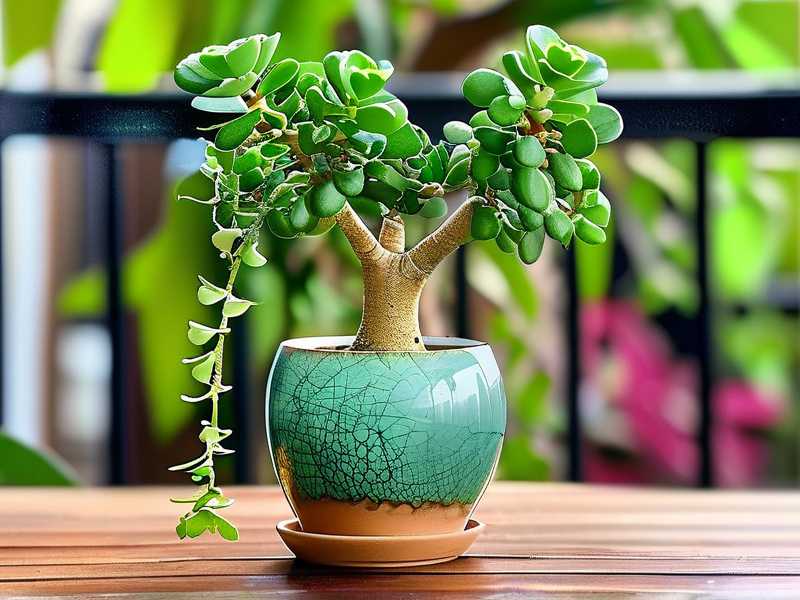
When I switched to watering only when the top two inches of soil felt bone dry, the plant survived. Then it thrived. I now wait at least 10–14 days between waterings, depending on the season. The RHS confirms this: jade plants need well-draining soil and infrequent watering. Check their page here: RHS for more on succulent care.
Mistake #2: Wrong Light
I placed my jade plant in a dim corner of my living room. It looked nice there, but the plant stretched like crazy. The stems grew long and thin, all leggy. No vines. No cascading. Just sad, pale leaves.
Here’s the fix: bright, indirect light. I moved mine to a south-facing window. Within two weeks, the new growth looked thicker and more compact. The stems started bending toward the light—exactly what I needed for training.
The American Horticultural Society backs this up. They recommend 4–6 hours of bright light daily. You can check their advice here: AHS.
Mistake #3: Wrong Pot
I used a tiny, deep ceramic pot. No drainage holes. I thought it looked cute. It was a death trap. Water pooled at the bottom, roots rotted, and the plant collapsed.
Now I use shallow, wide pots with drainage holes. Terracotta works best because it helps soil dry faster. I also add a layer of gravel at the bottom for extra drainage.
5 Support Structure Hacks for Cascading Jade Plant Vines
After killing three plants, I finally learned how to train jade plant vines for cascading. These five hacks worked for me. Try them yourself.
Hack #1: Soft Plant Ties for Gentle Bending
I started with soft velcro plant ties. They’re cheap and reusable. I gently wrapped a tie around a stem and attached it to a small bamboo stake. Then I bent the stem slightly downward.
Easy.
The first week, nothing happened. I felt impatient. By day 10, I noticed the stem started curving in the direction I tied it. By day 14, the tip had turned fully downward.
What I learned: Don’t tie too tight. Leave slack. You want to guide the plant, not strangle it.
Hack #2: A Small Cascading Trellis
I bought a small metal trellis from a garden store. It looked like a half-circle. I placed it inside the pot, behind the plant.
Then I ran the stems through the trellis openings. The stems naturally started hanging over the edges. It looked messy at first. But after two weeks, the vines settled into the shape of the trellis.
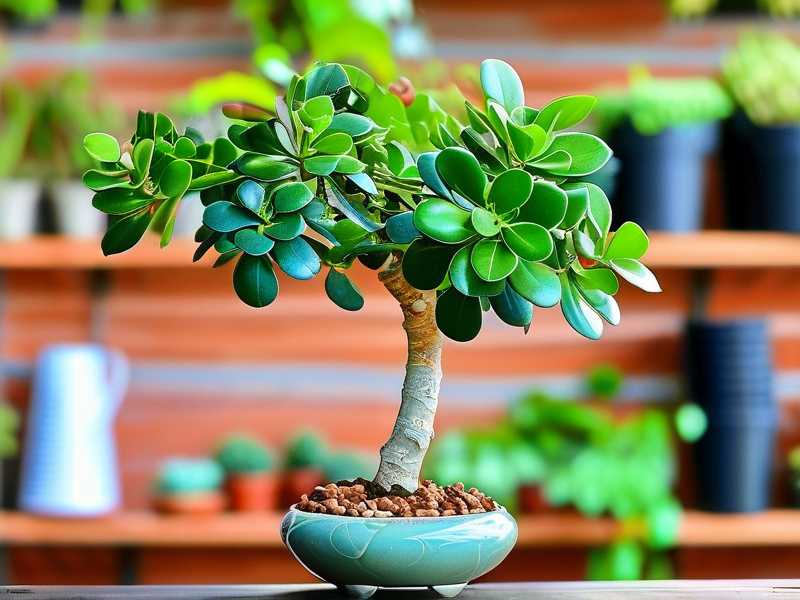
My tip: Use a trellis with thin bars. Thick bars can block light to the lower leaves.
Hack #3: Moss Pole for Vertical Support First
You might think cascading means only downward. Not exactly. I learned that jade plant vines grow stronger if you let them climb upward first.
I used a moss pole. I wrapped the main stem around it loosely. The plant grabbed onto the moss with its aerial roots. After the vine reached the top of the pole, I let it fall over naturally.
Results: The vine was thicker and stronger. It didn’t snap when I bent it downward later.
Hack #4: Wire Frame for Custom Shapes
I wanted to create a spiral cascading effect. I grabbed some flexible aluminum wire. I shaped it into a loose spiral—like a slinky.
Then I gently wound a young stem around the wire. I secured it with tiny plant clips at three points.
Two weeks later: The stem had grown along the wire path. It looked like a natural, graceful cascade. Not a single leaf dropped.
Warning: Use coated wire. Bare metal can damage the stem bark.
Hack #5: Heavy Pot Weights for Stability
This one sounds odd, but hear me out. When a jade plant cascades, it gets top-heavy. My pot kept tipping over.
I placed a few small river stones on the soil surface. I also used a wider, heavier pot. Now the pot stays put, even with long cascading vines.
My trick: Cover the stones with a thin layer of sphagnum moss for a polished look.
My 2-Week Observation Timeline
I kept a journal. Here’s what happened.
Day 1: I tied three stems downward using soft ties. The plant looked slightly stressed. A few leaves drooped.
Day 3: The drooping stopped. The stems started adjusting to the new angle.
Day 7: I noticed tiny new growth at the tip of one vine. It was pointing sideways, not upward.
Day 10: All three stems showed clear directional growth. The cascade looked more natural.
Day 14: The vines had grown about half an inch in the desired direction. I removed one tie. The stem stayed in place.
What I learned: Patience is your best tool. Don’t force the plant too fast. Two weeks is the sweet spot for visible results.
Common Issues I Encountered
Leaves Falling Off
This happened when I bent the stems too sharply. The leaves closest to the bend dropped off within two days.
Fix: Bend slowly over several days. I now bend stems about 10 degrees per day.
Stem Cracking
I once cracked a thick stem. It was an old, woody vine. I tried to bend it 45 degrees in one move.
Fix: Only train young, flexible stems. Old wood doesn’t bend—it breaks.
Slow Growth
Sometimes my jade plant just sat there. No new leaves. No vine growth.
Fix: I gave it a diluted dose of succulent fertilizer. Within a week, new growth appeared. I only fertilize during the growing season, March to September.
Expert Tips That Changed My Approach
I consulted both the RHS and AHS resources. Here’s what they taught me.
- Light is everything. A jade plant needs 4–6 hours of bright light daily. Otherwise, vines stay weak.
- Rotation matters. I rotate the pot every two weeks. This ensures even growth on all sides.
- Temperature stability. Keep it between 65–75°F. Cold drafts stunt vine development.
I also learned that jade plants respond well to pruning. Cutting back the tip encourages branching. More branches mean more cascading vines.
How to Avoid Overwatering During Training
This is critical. When you train vines, you handle the plant more. You might accidentally overwater out of concern.
My rule: Stick your finger into the soil up to the second knuckle. If it feels dry, water. If damp, wait.
Another trick: Use a wooden chopstick. Insert it into the soil for 30 seconds. Remove it. If it comes out dry, water. If not, skip.
The RHS says: Jade plants are drought-tolerant. Underwatering is safer than overwatering. They can survive weeks without water. They can’t survive soggy roots.
The Right Potting Mix for Cascading Jade Plants
Regular potting soil holds too much water. I killed my first plant this way.
My mix: 2 parts cactus soil + 1 part perlite + 1 part coarse sand.
This mix drains fast. It leaves enough air pockets for healthy roots. Strong roots support strong vines.
AHS recommends: Adding orchid bark for extra drainage. I tried it. It works.
Why Cascading Jade Plants Look So Good
I’ve had friends ask, “How did you get your jade to grow like that?” The secret isn’t magic. It’s structure.
A cascading jade plant draws the eye downward. It softens the edges of shelves and tabletops. It looks alive and dynamic.
I’ve trained mine to cascade over the edge of a bookshelf. It’s become a conversation piece.
Seasonal Adjustments for Vine Training
Spring: This is the best time to start training. The plant enters active growth. It responds quickly.
Summer: Keep training. The long days boost growth. I tie new stems weekly.
Fall: Slow down. Growth naturally decreases. I stop fertilizing in October.
Winter: No training. The plant rests. I water even less—maybe once a month.
Tools I Recommend
- Soft velcro ties: Reusable and gentle.
- Bamboo stakes: Cheap and effective.
- Clip-on plant supports: Great for small stems.
- Moss pole: For vertical growth first.
- Aluminum wire: For custom shapes.
I keep all these in a small basket next to my pots. It makes training easy.
FAQ
Can you train a mature jade plant to cascade?
Yes, but it’s harder. I tried on a five-year-old plant. The stems were woody and brittle. I ended up pruning back the top growth. New young shoots grew from the base. I trained those instead.
How long does it take to see cascading growth?
I saw visible change in two weeks. Full cascading shape took about three months. It depends on your light and watering routine.
What if my jade plant vines keep growing upward?
That’s natural. Jade plants want to grow toward light. You have to manually redirect them. Use ties and a trellis. Keep consistent bending pressure. The vine will eventually follow.
Final Thoughts
I killed three jade plants before I figured this out. Honestly, every mistake taught me something. Overwatering rots roots. Wrong light causes leggy growth. Bad pots trap water. All of these block cascading.
The key is patience. Train the stems slowly. Use the right supports. Watch for two weeks of consistent growth.
I never thought I’d love a cascading plant this much. But seeing those vines hang gracefully over the pot edge? That’s worth every lesson.
Try these hacks. Let me know how yours turns your.





