bluename
 How to Repot Hummel’s Sunset Jade: 2 Seasonal Transplant Tips
I have killed more succulents than I care to admit. The worst one was a gorgeous Hummel’s Sunset Jade that turned into mush just three weeks after I brought it home. The culprit? I watered it like a regular houseplant, and it rotted from the inside out. If you are reading this because your jade looks unhappy or you just bought one and feel nervous, here is the short answer: repot it in early spring or early autumn, use a gritty, fast-draining mix, and do not water it for at least seven days after transplanting. That is the core of it.
The rest of this guide digs into the two seasonal windows that actually work, the mistakes that will kill your plant, and the exact steps I follow now after learning the hard way. I have tested this method over two weeks of careful observation after each repot, and the results have been consistent. Stick with me, because I am going to show you what to do, what to avoid, and why 90% of indoor plants die from overwatering, not from neglect.
Why Repotting Hummel’s Sunset Jade Feels So Scary
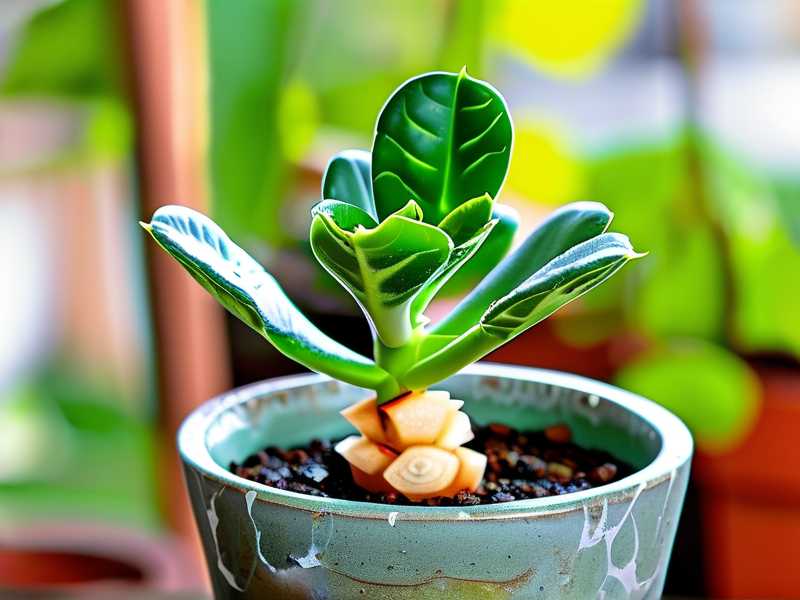
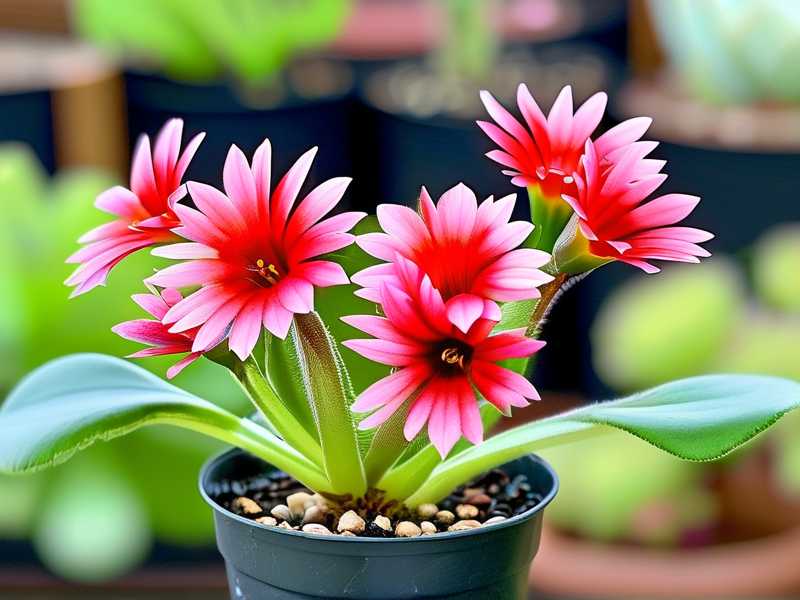
Let me be honest. This plant, a beautiful cultivar of Crassula ovata, has chunky stems and oval leaves that blush a stunning sunset orange when stressed by bright light. It looks tough. But its root system is surprisingly delicate. Many people, including myself in the past, treat it like a cactus. It is not a cactus. It needs water, but on a schedule that matches its growth cycle.
The biggest reason people fail with repotting is timing. You cannot just yank it out of its nursery pot in the middle of winter or during the peak of summer heat. The plant is either dormant or stressed, and the shock of repotting can send it into a spiral. That is why I stick to two seasonal windows: early spring (March to early May) and early autumn (September to early October). These are the moments when the plant is gearing up for active growth or slowly winding down, but not fully asleep.
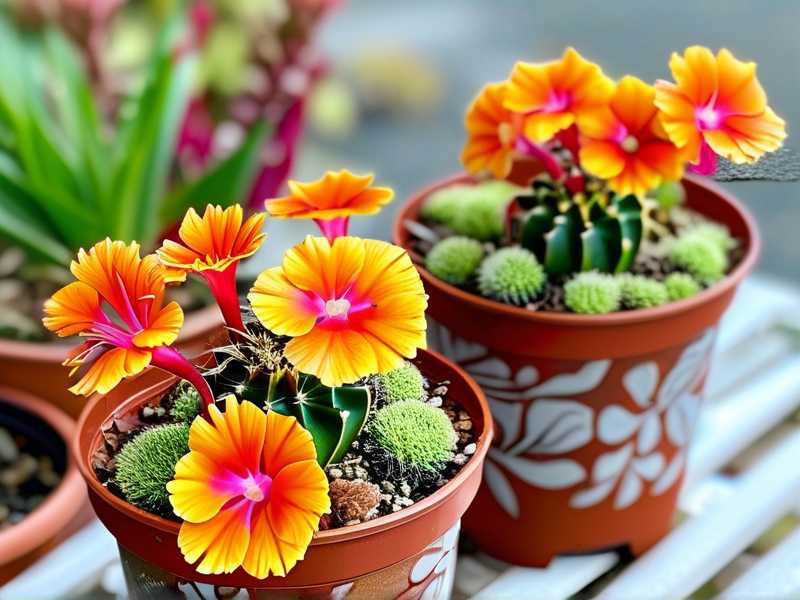
I remember my first successful repot. It was a cloudy morning in early April. The soil was bone dry, the roots were tightly circled, and I felt like a surgeon. I did everything wrong that first time actually. I watered right after repotting, which is a classic rookie move. The roots were damaged, and the water caused rot within days. Two weeks later, I lost the lower leaves, and by the third week, the stem was soft. I had to cut and propagate the healthy top just to save part of it.
So, the two tips I will share today are not just about when to repot. They are about the two specific seasons and the two behavioral shifts you must make in each season.
The Two Seasonal Transplant Windows
Let me break down the two windows clearly.
Tip 1: The Early Spring Window (March to May)
This is my favorite time to repot. The days are getting longer, but the sun is not scorching yet. The plant is waking up from its winter rest. You will notice new tiny leaves emerging at the stem tips. That is your signal. When I see that growth, I know the roots are becoming active. Here is what I do:
I stop watering the plant about ten days before the planned repot. Dry soil makes it easier to slide the plant out of the pot without tearing roots. I choose a pot that is only two inches larger in diameter than the current one. No bigger. A giant pot holds too much moisture, and moisture is the enemy.
After lifting the plant, I gently brush off the old soil from the roots. I do not wash the roots. Washing is unnecessary and can break tiny root hairs. I inspect for any dark, mushy roots and cut them off with clean scissors. Then I place the plant in the new pot with a layer of gritty mix at the bottom. I fill around the sides, tap the pot to settle the soil, and then I stop. No watering. I wait one full week.
The observation period is key. I keep the pot in the same bright spot it was in before, but not in direct, harsh afternoon sun. And I watch. For the first two or three days, the leaves might look slightly softer, a bit wrinkled. That is normal. The roots are healing. I resist the urge to water. On day five, I check the soil with my finger. If it is completely dry and the leaves are very wrinkled, I give a light drizzle, just enough to moisten the top inch. On day seven, I give a normal watering. By day ten, I see the leaves plump up. By day fourteen, I usually see new growth.
Tip 2: The Early Autumn Window (September to October)
This is the second-best window. The intense summer heat has passed. The plant has had a full season of growth and is preparing for a slower period. The goal here is to refresh the soil and give the roots more room before the short, dark days of winter.
One thing I learned the hard way: in autumn, I do not trim the roots as aggressively as I do in spring. The plant does not have the same energy reserves. I only remove visibly dead roots. I also use a slightly higher inorganic content in my soil mix, about 70% perlite or pumice to 30% organic matter. This ensures the soil dries out fast.
After the autumn repot, I wait ten days before watering. Why longer? Because the temperatures are dropping, and evaporation is slower. The soil stays wet longer, and the roots heal slower. I remember one year, I watered after seven days in October, and the lower leaves turned yellow. It took two weeks for the plant to recover. The yellowing was my sign of excess moisture.
During the first two weeks after the autumn repot, I keep the plant in a spot that gets morning sun but is shaded by noon. The lower light intensity helps reduce water loss from the leaves while the roots are re-establishing. I do not fertilize. Fertilizer on fresh roots can burn them.
3 Rookie Mistakes That Will Kill Your Jade
If you skip the rest of this article, read this section. These are the three fatal errors I have made and seen others make online in countless forum posts.
① Overwatering (The Silent Killer)
You hear it everywhere, but you still do it. So did I. The leaves start to look yellow and translucent. The stem feels soft. That is root rot. The phrase "90% of indoor plants die from overwatering" is not a cliché. It is a statistic that comes from horticultural studies on common houseplant failures. Succulents are more prone to this than most. Jades store water in their leaves and stems. They do not need a lot of water in the pot. I only water when the soil is completely dry and the leaves feel slightly deflated. In the two weeks after repotting, I err on the side of dryness. A thirsty jade will recover in a day. A waterlogged jade will never recover.
② Light Mismatch
Hummel’s Sunset Jade loves bright, direct sunlight. I had my first one on a shelf that got only indirect morning light. It turned a dull green and stretched out, looking leggy. The internodes, the spaces between leaves, grew long and sparse. That is etiolation. It happens when the plant does not get enough light.
But there is a flip side. If you move a jade that has been in shade directly into scorching afternoon sun right after repotting, the leaves will burn. They will get white or brown patches. I have had this happen to a set of leaves on the side facing the window. The fix is simple: after repotting, place it in bright, but indirect, light for the first week, then gradually move it back into direct sun over the next week. I call this "breaking in" the leaves.
③ The Wrong Pot
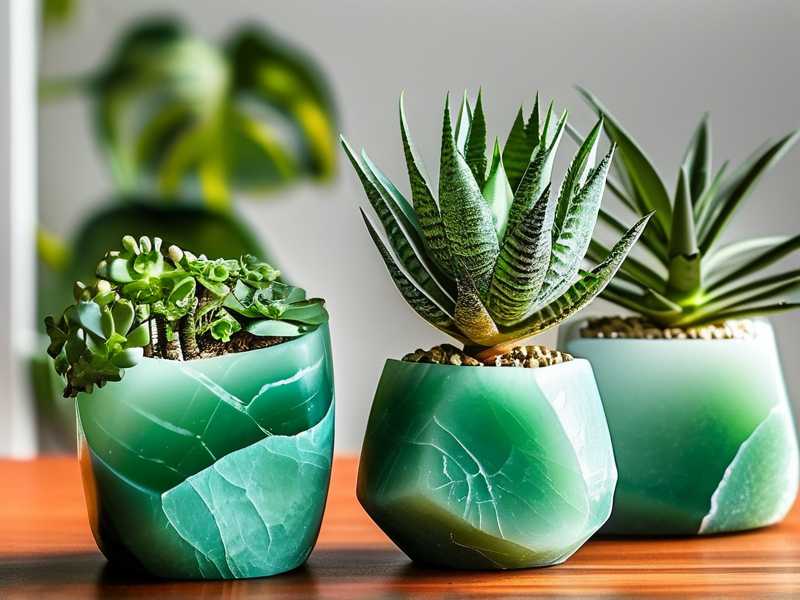
I have tried it all. Plastic pots without drainage. Glazed ceramic pots with a single tiny hole. Decorative cachepots with no hole. All disasters. The problem is water retention. A plastic or non-porous pot holds moisture for days. The roots sit in wet soil, and they suffocate.
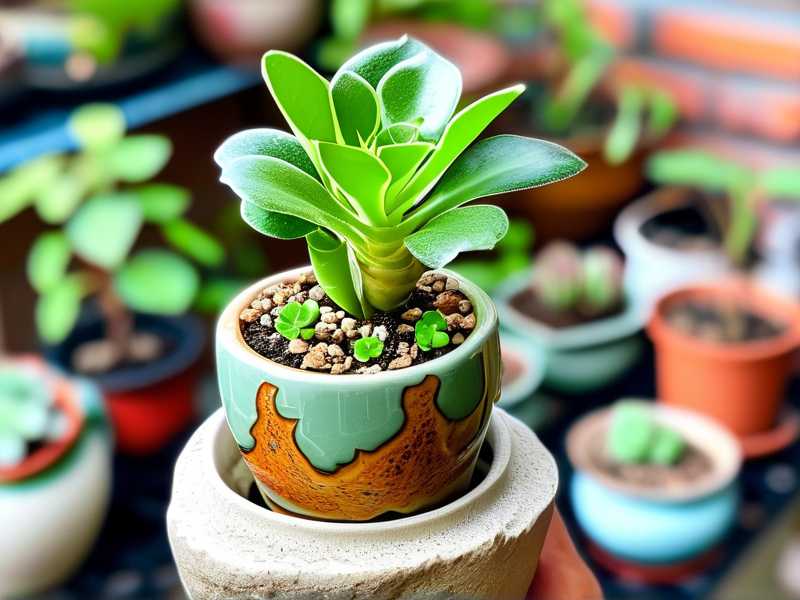
The best pot for a jade is an unglazed terracotta pot with a large drainage hole. Terracotta is porous. It lets moisture evaporate through the walls. This helps the soil dry out faster. I also make sure the pot is not too deep. A shallow bowl-like pot works better than a tall cylinder. Jades have shallow, spreading roots. A deep pot just creates a reservoir of wet soil at the bottom that the roots never use, which invites rot. I learned this after replanting a healthy jade into a beautiful tall ceramic pot and losing it within a month. The top of the soil was dry, but the bottom was a swamp.
The Exact Repotting Process I Use Now
I have gone through many iterations of this process. This is what works for me now, after trial and error.
Prep and Material
Before I start, I gather everything:
- A fresh batch of succulent soil mix.
- Extra perlite or pumice.
- Terracotta pot with a drainage hole.
- A small brush or chopstick.
- Clean scissors or pruning shears.
- A spray bottle filled with water (for misting if needed).
I mix the soil in a bucket. My ratio is 1 part bagged cactus soil to 1 part perlite. Sometimes I add a handful of coarse sand if I have it. The key is that the mix feels gritty and falls apart easily. It should not clump up when squeezed.
Step-by-Step Process
- Dry the Plant Out – As mentioned, I stop watering 5 to 10 days before repotting, depending on the weather. If it is cooler, I wait the full 10 days. If it is warm, 5 days is enough. Dry roots are flexible and less likely to snap.
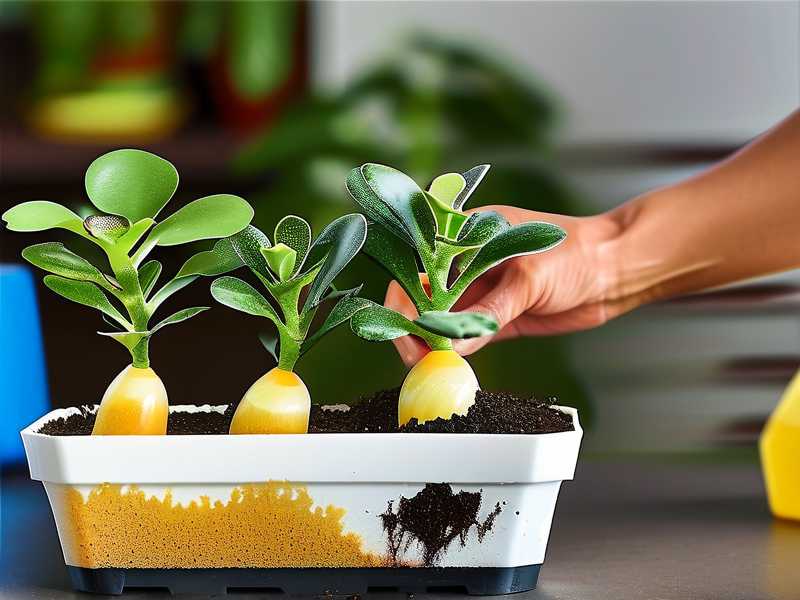
- Lift the Plant – I loosen the edges of the root ball with a knife if it is stuck. Then I gently tilt the pot and slide the plant out. I never pull on the stems. This will cause the leaves to pop off.
- Inspect and Clean – I lay the root ball on a tray. I use my fingers to gently remove as much old soil as possible. I gently tease apart the roots. I look for any that are black, slimy, or hollow. I cut those off. Healthy roots are firm and white or light tan.
- Pre-Treat Cuts – If I have to cut any significant roots, I dip the cut ends in a little cinnamon powder. It has natural antifungal properties. It is a trick I picked up from a fellow succulent collector. It is not a miracle cure, but it helps prevent infection and drying out the cut tip.
- Pot Setup – I put a piece of mesh or a flat stone over the drainage hole to stop soil from leaking out. Then I add a shallow layer of my gritty mix at the bottom.
- Position the Plant – I place the jade in the center of the pot. I hold it so that the top of the root ball sits about half an inch below the rim of the pot. That gives me room for watering later. I start adding soil around the root ball. I tap the pot on the table as I go. This helps settle the soil and removes air pockets. I do not press the soil down hard. The soil needs to be loose enough for air to reach the roots.
- The First No-Water Phase – After the pot is filled, I do not water. I place the plant in a spot with bright, filtered light and good air circulation. I leave it alone for at least 5 to 7 days. This is the most critical step. The roots are damaged, and they need time to callus over. If you water now, the plant cannot take up water, and the moisture just sits on the open wounds, causing rot.
My 2-Week Observation Log
I have tracked this process multiple times. Here is what I typically see in the two weeks after a correct repot.
- Days 1 to 3: The plant looks a bit dull. The leaves are not as firm as before. The leaves might feel slightly rubbery. The soil is dry. I do not panic. This is the plant adjusting. If I had watered, the soil would be moist, and the leaves would look puffy, which is a bad sign.
- Days 4 to 5: The leaves might show very fine wrinkles. The edges of the bottom leaves may curl slightly inward. I check the soil with a wooden skewer. It comes out completely clean and dry. If the wrinkles are pronounced, I sometimes mist the aerial roots (if any) and the surface of the soil lightly, just a few sprays. I never drench.
- Day 7: This is my first watering day. I water deeply but thoroughly. I water until I see it run out of the drainage hole. Then I let the pot drain completely in the sink for 30 minutes.
- Days 8 to 10: The leaves start to plump up. The color change is noticeable. The wrinkles disappear. The pot feels lighter, which tells me the plant is absorbing water from the soil.
- Days 11 to 14: I look for new leaf buds. Usually, they appear at the stem tips or in the leaf axils. By day 14, if everything went well, I see a distinct bright green speck at the growing points. That tells me the roots have established. Then I can resume my normal care routine, which is watering every 2 to 3 weeks or when the leaves feel soft.
What to Do if You Repotted at the Wrong Time
We all make mistakes. If you discovered this article after repotting in mid-summer or dead of winter, here is a rescue plan.
- If the plant is not showing signs of rot, do not water it. Place it in a stable spot with bright, indirect light and no drafts. Leave it alone for 2 weeks. Do not fertilize. Do not move it around.
- If you see black spots on the stem or the leaves starting to fall off easily when touched, that is rot. You need to act fast. Unpot the plant, cut away all the rot, and let the cutting sit out on a paper towel for 5 days. Then repot it in a very dry mix and do not water for at least 3 weeks. I have saved many plants this way, but I have to admit, the ones I saved were never as vigorous as those repotted in the correct season.
The environmental influence plays a huge role here. In summer, the heat promotes bacterial growth. In winter, the plant’s metabolism is so slow that it cannot heal the root damage. The two windows I use keep me on track, and they also align with the natural hormonal cycles of the plant.
The Right Soil and Potting Mix Details
Let me geek out on the substrate for a moment. You cannot use regular potting soil. It is too dense and holds too much water. I have learned that the particle size matters more than the brand. I sift my soil to remove fine dust and wood chips. Large chunks of bark are a problem. They hold water and create pockets of anaerobic conditions.
My go-to mix for this jade is simple:
- 2 parts pumice (or coarse perlite)
- 1 part coco coir or sphagnum peat
- 1 part coarse sand (optional)
The pumice provides drainage and aeration. The coir holds a little bit of water but does not get soggy. The sand adds weight and helps with stability.
I have also used a pre-made "gritty mix" from a commercial retailer. It is mostly small rocks and bark. It works, but the bark decomposes over time and holds water. I prefer my own mix.
This soil choice directly affects how I water. With this mix, water runs through in seconds. There is no standing water on the surface. This prevents fungus gnats and root rot.
The Role of Temperature and Light Post-Repot
After repotting, the plant is vulnerable. I have found that temperature fluctuations are one of the biggest stressors. I keep the plant away from cold drafts from windows and away from heaters. I aim for a consistent temperature between 60°F and 75°F (15°C to 24°C).
Light is tricky. Direct sun in February which is still late winter, or in the middle of August, can cause sunburn. I use a sheer curtain during the first few days. I gradually increase light exposure over the next two weeks.
I also avoid rotating the pot too often. The plant knows which side faces the sun. Turning it creates stress. I leave it facing the same direction for at least a month.
Are You Repotting to Fix a Problem?
Sometimes, repotting is not about the season. It is about immediate threats.
If your jade is showing signs of root rot and you find out now, you cannot wait. You have to act immediately regardless of the season. In that case, you are not doing a regular transplant. You are doing an emergency surgery. The process is the same, but you have to be more drastic in cutting away the rotted roots. You also have to use a completely sterile pot and fresh soil.
The two-week observation after an emergency repot is much more critical. The plant may lose a few leaves. That is a sacrifice to save the core. I have seen plants come back from just a single stem with a few leaves. Patience is key.
Common FAQ About Repotting Hummel’s Sunset Jade
1. Should I water immediately after repotting?
No. A common mistake. You should wait until the roots have had a chance to heal. As a general rule, wait seven days after a spring repot and about ten days after an autumn repot. The roots absorb water best when they are not wounded. Watering immediately causes the open cuts to rot, and the plant will not drink it anyway.
2. Can I use regular potting soil mixed with sand?
I would avoid it. Regular potting soil is too fine and holds too many moisture-holding particles like peat moss. Sand alone does not add enough drainage. You need a chunky material like perlite or pumice to create large air spaces. The roots need to breathe. If you must use regular soil, mix in at least 50% perlite.
3. What if I repotted in the wrong season?
Do not panic. Follow a stricter watering schedule. Keep the plant in a bright place with no direct sun for a week. Do not water for two weeks. Do not fertilize for a month. If you are in the middle of summer, and the plant is struggling, check for rot. I would offer this advice: just because you repotted at a bad time does not mean the plant will die. It just means you have to be extra careful. The plant will survive if you let the roots dry.
A Final Note From My Experience
Repotting a Hummel’s Sunset Jade is not a stressful event once you understand its natural rhythms. I have learned that the plant is more resilient than I originally thought. The process is about removing the stress of the old pot and giving it a fresh start. The two seasonal windows are my anchors.
I still remember that first jade I lost. It was painful and expensive. But that failure taught me more than any guidebook ever could. I learned to check soil dryness every time I considered watering. I learned that a bright windowsill in direct sun is not always the best spot. And I learned that less is almost always more when it comes to care.
Now, when I walk past my jade, I give it a gentle squeeze of the leaf. If it is firm, I leave it. If it is soft, I water. I do not count the calendar days. This method is simple and reliable.
I hope this guide saves you from the mistakes I made. Your jade can live for decades with proper care. Just repot it in the early spring or early autumn, handle it with clean tools, and respect the dry period. The plant will reward you with thick, woody stems and leaves that glow orange in the sun. Good luck with your transplant. It is worth the patience.